Their Turn - The Social Justice Movement of Our Time Their Turn - The Social Justice Movement of Our Time

Secret Investigation at Whole Foods’ Egg Supplier Reveals Horrors of “Certified Humane” Farming

January 9, 2015 by Leave a Comment


The News

Direct Action Everywhere (DxE), a California-based animal rights group that stages dramatic in-store protests around the world, conducted a year-long investigation of a “certified humane” farm, and what they found was so compelling that the New York Times ran a lengthy (though slanted) story about it, exposing the mainstream public to the myth of “humane” animal agriculture.
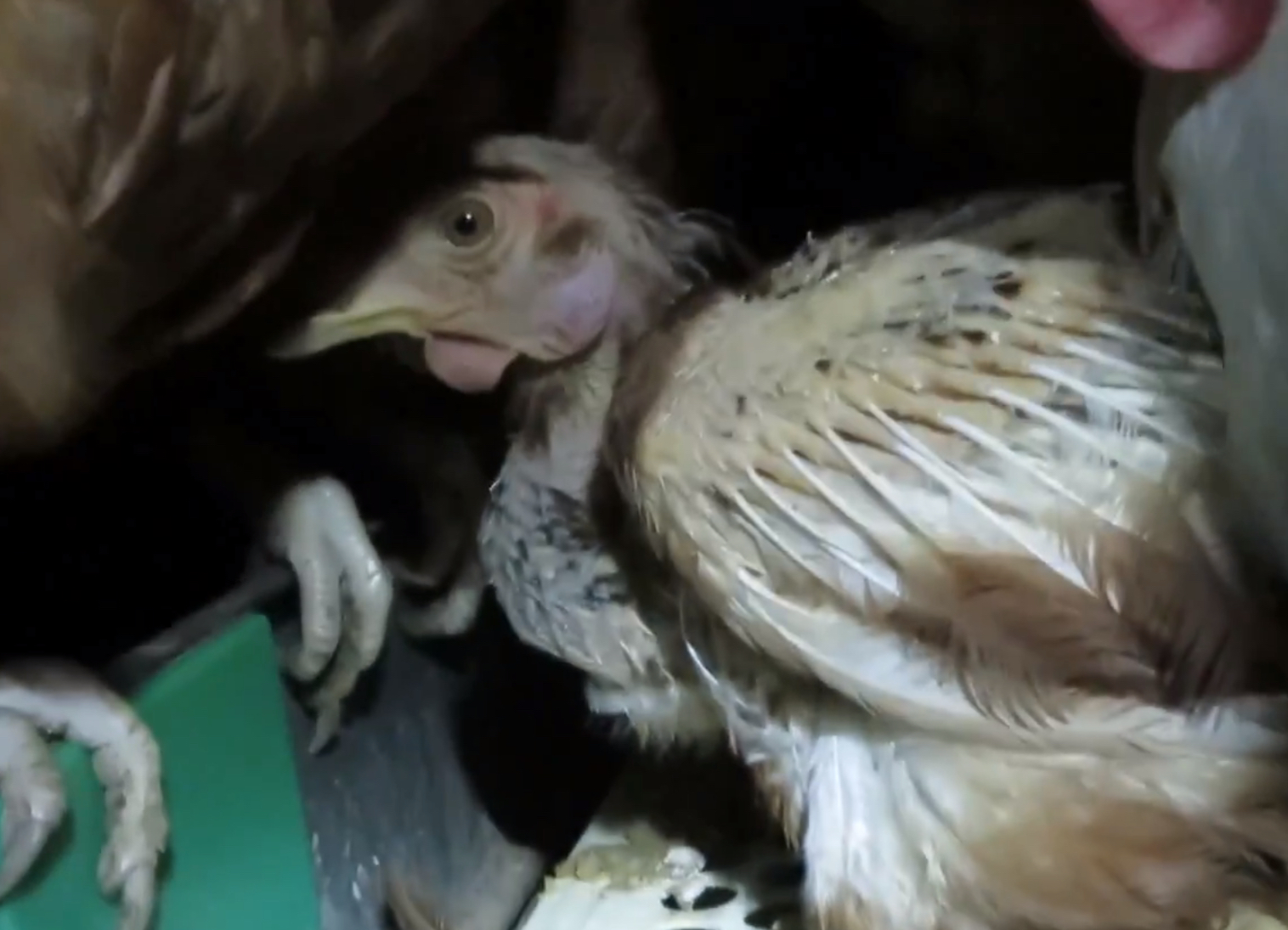
Certified humane?

Certified humane?

During approximately 10 visits to Petaluma Farms, a Whole Foods egg supplier in California, DxE took video footage of the horrific conditions in which the “humanely raised” hens are living. In addition to documenting the typical aspects of “life” on factory farms, such as disease, stress and overcrowding, they encountered birds languishing in manure pits; struggling to breath and already dead. One of the worst conditions, the “overwhelming” smell, could not be captured on camera.

In this extraordinary video, DxE uses video footage from its investigation to demonstrate that, even in the “best” of circumstances – on a farm that is “certified humane” – animals are abused, neglected and deprived of the chance to do anything that comes naturally to them.

Because Whole Foods is spending tens of millions of dollars to duplicitously market animal abuse as “humane” and slaughter as an “act of compassion,” DxE is launching an international campaign against the grocery store chain – with protests planned in 50 cities – demonstrating that there is no humane way to slice off hens’ beaks, castrate baby pigs, suffocate animals in gas chambers and slit their throats. Whole Foods, they argue, has built a “house of lies” around a “dark and violent reality,” where their “farms are prisons, and every inmate is on death row.”
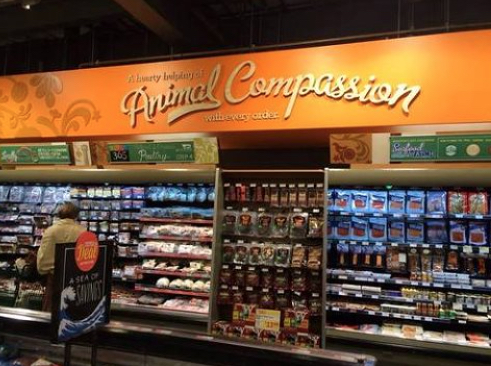
Whole Foods markets slaughter as "compassion."

Whole Foods markets slaughter as “compassion.”

Your Turn

Please visit Direct Action Everywhere to learn about, support and/or join their provocative campaigns to expose the truth about animal farming and promote a cruelty-free lifestyle.


Filed under: Food, Investigations
Tagged with: , , ,

Breaking News: First-Ever Footage of Hen Slaughterhouse Shows Egregious Violations

January 5, 2015 by Leave a Comment


The News

Eggs. Billions upon billions of eggs are consumed in the United States each year. Most consumers buys eggs by the dozen and crack them open without giving a second thought to where they come from, much less what happens to the hens when they can no longer lay them.

Today, the Humane Society of the United States (HSUS) released the first-ever footage from a slaughterhouse for spent hens. The footage was taken by an undercover investigator who spent 57 days documenting what happens to the 85,000 hens killed each day at just one slaughterhouse – Butterfield Foods in the state of Minnesota.

The most egregious abuse uncovered was scalding hens while they were still alive. Hens are supposed to be dropped into an electrified water trough to render them unconscious before having their throats slit and being dropped into scalding tanks for feather removal, but that doesn’t always happen. In a thirty minute period, the HSUS investigator counted approximately 45 birds who were drowned alive in the scalding tanks. It’s the most grisly end possible for animals who spent their entire caged lives in a space smaller than a sheet of paper.

battery cage hens

Hens in battery cages

Even though chickens and turkeys represent 9 out of 10 animals who are slaughtered in the U.S., the federal Humane Methods of Slaughter Act exempts them. Nonetheless, HSUS invoked Minnesota’s anti-cruelty code to file a complaint with the state. The organization also filed a complaint with the USDA’s Food Safety Inspection Service on the grounds that Butterfield is violating the Poultry Products Inspection Act.

The hens slaughtered at Butterfield are transported in crates from factory farms all over the country. During their long journey, the hens, who are already battered after spending their lives in battery cages, are deprived of food, water, space to move and protection from the weather. The investigator documented birds who arrived dead; with broken bones; and covered in feces.

When the trucks arrive at Butterfield, workers grab the frantic hens out of the crates with a metal hook, shackle them upside down, and send them on a conveyer belt from an electrified water trough to a neck cutting station to a scalding tank. The investigator witnessed hens attempting to right themselves; hens who missed the electrified trough; and hens who had their necks sliced while fully conscious. Some hens arrived alive and bleeding at the scalding tank where they were boiled.

Butterfield Foods

Butterfield Foods

Who eats spent hens? Their bodies, which were bred to lay eggs, have very little meat. In addition, hens often have broken bones which splinter into the flesh. Paul Shapiro, HSUS’ VP for Farm Animal Protection, says that most this low-grade meat, valued at 2 cents/bird, is used for farm animals and pet food. At Butterfield, however, the meat is canned for human consumption and sold to discount stores.

butterfield chicken

Hens can live for over a decade, but, on factory farms, they are sent to the slaughterhouse at 12 – 18 months, which is when they stop laying eggs.

Your Turn

The best way to prevent this cruelty is to stop eating chickens and their eggs.  But you can also help by urging the United States Secretary of Agriculture  at the USDA to include poultry under the Humane Methods of Slaughter Act.


Filed under: Food, Investigations
Tagged with: , , ,

In World’s Foie Gras Capital, the “Delicacy of Despair” is Coming Under Fire

December 31, 2014 by Leave a Comment


The News

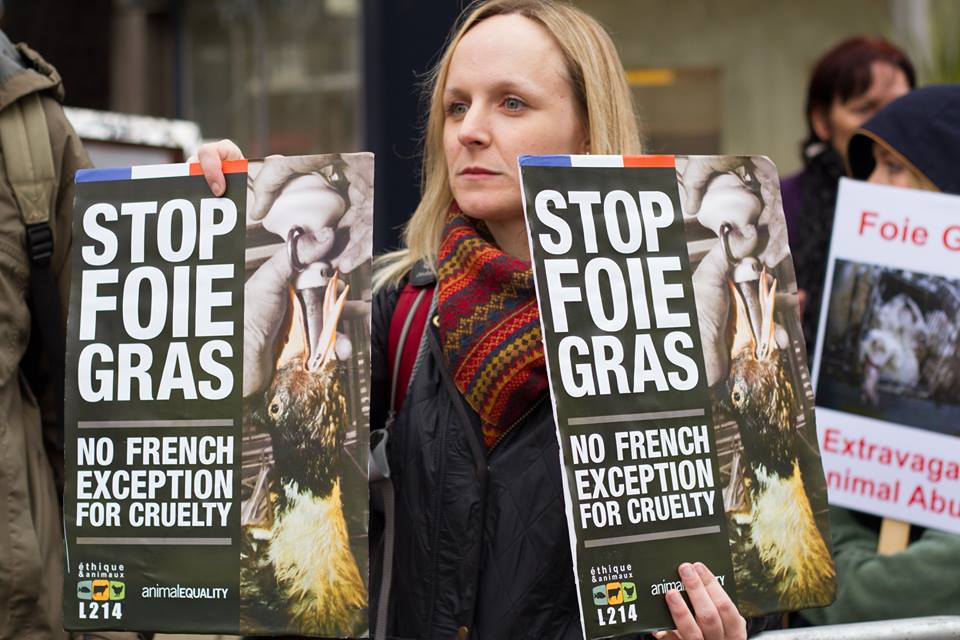
Eighty percent of the world’s foie gras is produced in France, where it is protected by law as part of the country’s “cultural and gastronomical heritage.” But even in France, where it is regarded by many as a food group, the delicacy of despair is coming under fire.

Photo: L214

In the past several weeks, three incidents have compromised foie gras’ once esteemed place in French society.

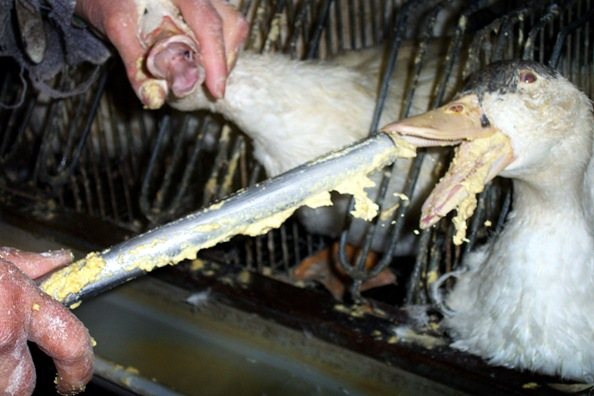
1. A poll taken in France shows increased opposition to foie gras.  In December, 47% of those surveyed said they would support a ban –  a 3% increase from 2013. In addition, 77% said they would prefer foie gras that was not made through gavage, French for force feeding. (Foie gras is produced by force feeding ducks and geese through metal pipes until their livers become diseased, swelling up to ten times their normal size. The pipes are inserted 12″ down their gullets three times daily in the weeks leading up to slaughter.)

"No. Not again."

Gavage (force feeding)

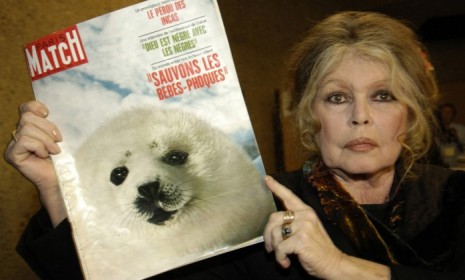
2. Legendary actress Brigrette Bardot filed a formal appeal with the EU Commission to ban the production of foie gras. In an open letter to the  Health Commissioner, she argued that, because many EU countries have already outlawed force feeding, the EU Commission should “harmonize laws against this cruel and barbaric practice” by banning it in all member countries. After all, she says, force feeding “goes against European values of promoting animal welfare.”

Photo: Corbis

Photo: Corbis

3. British celebrity chef Heston Blumenthal dropped his foie gras supplier in France after The Daily Mirror released footage of dead and injured ducks that a veterinarian described as a “representation of hell.” A spokesman for his restaurant, which is ironically named Fat Duck, said, “We were shocked at the video and the conditions in which the ducks were apparently being kept.” Fat Duck is currently closed for renovations, but the menu on its website does not contain foie gras.

Chef Heston Blumenthal at Fat Duck in the U.K. (photo: BEN STANSALL/AFP/Getty Images)

Chef Heston Blumenthal at Fat Duck in the U.K. (photo: BEN STANSALL/AFP/Getty Images)

The movement to ban foie gras is still young, but significant progress has made. In 2004, California banned the production and sale of foie gras. The law went into effect in 2012. In October, 2014, the U.S. Supreme Court dismissed a challenge to the California law, sending a strong message to other states that they can, as California Attorney General stated, pass laws that “prohibit the sale of products based on concerns about animal welfare.”

In the U.K., foie gras production is illegal, and activist groups are advocating to end the sale. Since August, Hertfordshire Animal Rights has stopped the sale of foie gras at least six restaurants.

Hertfordshire Animal Rights

Hertfordshire Animal Rights

Israel, India and Argentina have imposed restrictions on the production, sale and/or importation of foie gras.

After France, the world’s largest producers of foie gras are Hungary (8%) and Bulgaria (6%). The U.S. produces just over 1% of the world’s supply.

As the public is increasingly exposed to the cruelty of foie gras production, “tradition” will become a much weaker justification. After all, if Barcelona can ban bullfighting, then France can – and eventually will – ban force feeding.

Your Turn

Please share this story to educate others about the cruelty of foie gras, and please sign the petition to ban the production and importation of foie gras in the EU.

If you have never seen force-feeding, please watch this video created by Last Chance for Animals.

https://youtu.be/0_PFQjVqMYE


Filed under: Food, Victories
Tagged with: , , , ,

3 Reasons Why Farm Sanctuaries Are Vital to the Animal Rights Movement

December 28, 2014 by Leave a Comment


Opinion

Farm animal sanctuaries are vital to the animal rights movement. Following are three reasons why:

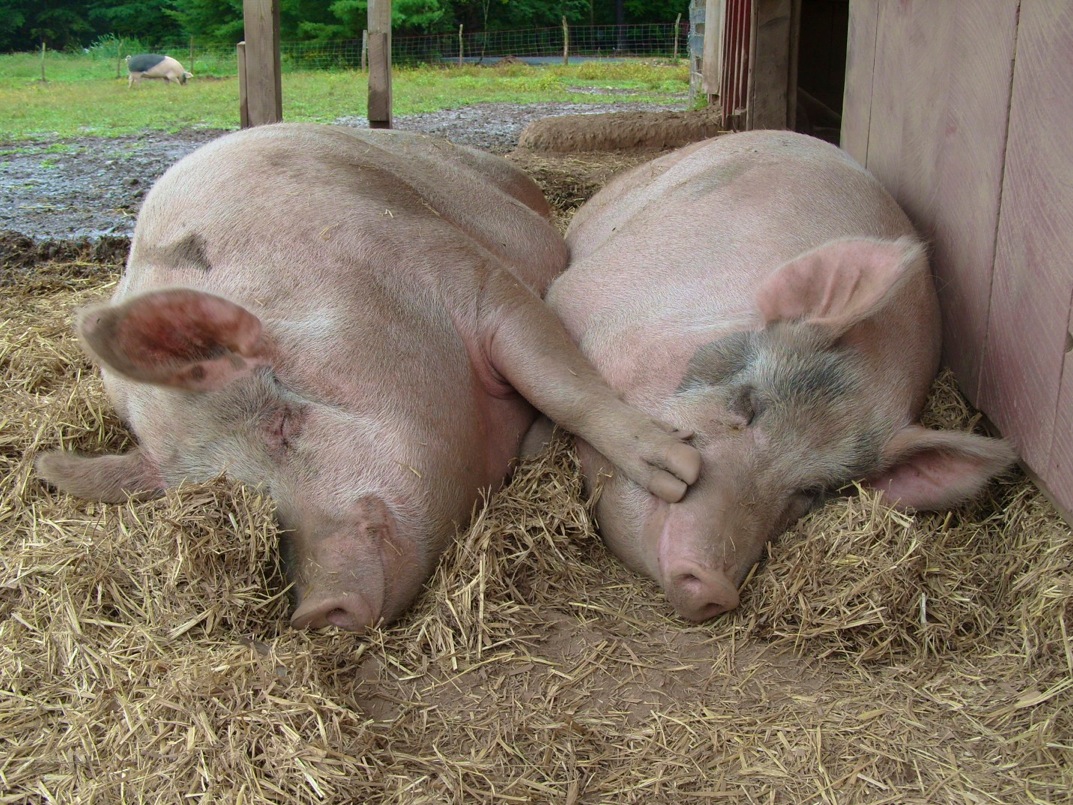
1. Sanctuaries give life to to thousands of chickens, cows, pigs, horses and other farm animals who knew nothing but neglect, deprivation, abuse, mutilation and confinement.

Photo: Woodstock Farm Animal Sanctuary

Photo: Woodstock Farm Animal Sanctuary

2. Farm sanctuaries enable people who eat and wear animals to bond with them, which can – and does -influence many to leave animals off their plates and out of their closets.

Photo: Woodstock Farm Animal Sanctuary

Photo: Woodstock Farm Animal Sanctuary

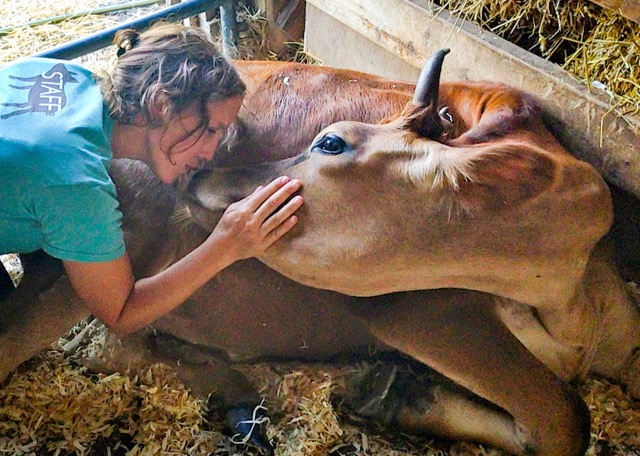
Jenny Brown and Doug Abel, the co-founders of Woodstock Farm Animal Sanctuary in upstate New York, have shared the stories of many of the animals to whom given refuge. Today, we meet – and fall in love with – Fawn. Her moving story is helping to expose and educate those who have not yet made the connection between individual animals and the food on their plates.

3. Farm sanctuaries serve as a “recharging station” for activists who work to protect them through vegan outreach, protests, lobbying and other forms of advocacy.

TheirTurn visits Woodstock Farm Animal Sanctuary

TheirTurn’s Donny Moss visits Woodstock Farm Animal Sanctuary


Your Turn

Please learn more about the life-saving work of Woodstock Farm Animal Sanctuary and consider making an end-of-year contribution. All donations made before January 1st will be doubled by Woodstock benefactors.

Jenny and Fawn cow

Woodstock’s Jenny Brown with Fawn


Filed under: Food
Tagged with: ,

Humans Are Superior, Right?

December 17, 2014 by Leave a Comment


Opinion

Humans are the most powerful of all animals species. No one will debate that. But are we superior to all the others? The vast majority of people probably think that we are. After all, we’re the only animals who can travel into outer space, communicate across oceans and keep ourselves alive long past our expiration dates. Our accomplishments are impressive.

On the flip side, we are also the only species that is destroying the planet and its other inhabitants. Other animals take from the earth only what they need to survive and leave it just the way they found it. We, on the other hand, consume far more than we need; permanently pollute the land, water and sky; wipe out other species; and leave the planet in far worse shape than the way we found it. Doesn’t that make us the most inferior species?

This extraordinary video called “Man” viewed by over 12 million people attempts to answer that question.

Your Turn

The demise of the planet from man-made climate change, pollution and mass extinction is a problem that seems too big to fix, but that shouldn’t give us license to act with disregard or give up. Each of us has the power to dramatically reduce our own impact on the earth and its inhabitants. We can consume less; recycle more; and, most importantly, adopt a cruelty-free vegan lifestyle, which is not only good for the environment but also for our health and, of course, the animals.


Filed under: Clothes, Entertainment, Experimentation, Food, Opinion, WIldlife
Tagged with: