An animal rights organization in Israel has announced a groundbreaking investigative technique to help activists around the world expose the cruelty that animals endure inside of the secretive factory farms, trailers and slaughterhouses where they are raised, transported and killed.
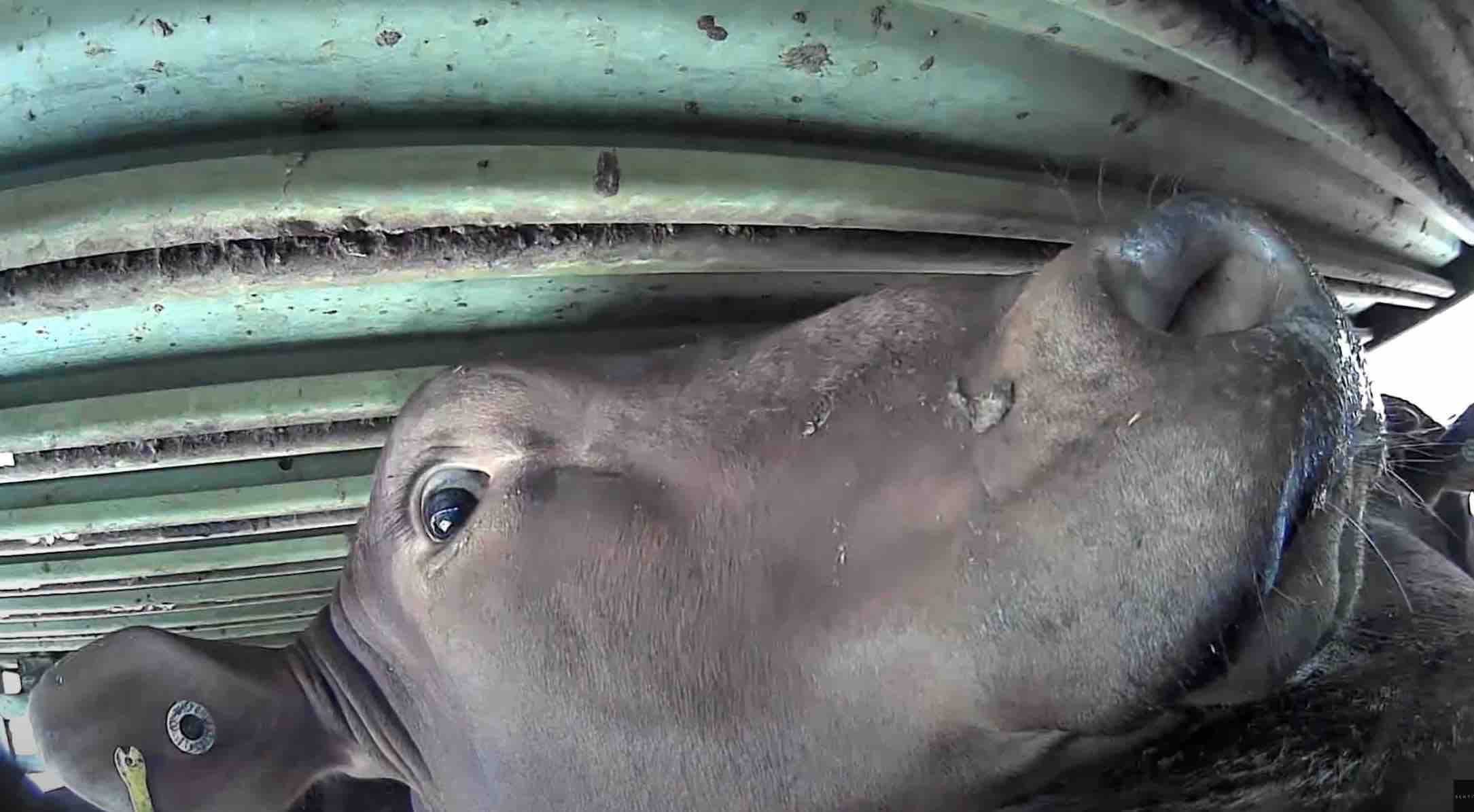
The organization, Sentient, customized a small, disposable, camouflaged cameras that are affixed to an animal’s back by harmless glue and take streaming video from the point of view of the animal. By wearing the cameras on their backs, the animals are transformed into undercover investigators and whistleblowers.
According to Ronen Bar, the Executive Director of Sentient, the new investigative technique, dubbed “Camera on Animal,” helps to address the challenges faced by activists attempting to expose the dark underbelly of the animal agriculture industry and violations of animal welfare laws. ”As animal advocates worldwide face “Ag-Gag” laws and other hurdles, this novel approach – “Camera On Animal” – offers a creative, lower-risk approach to exposing the truth.”
During the first Camera On Animal, Sentient’s cameras captured dozens of hours of footage in Israel of the final hours of bulls, pigs and sheep. Bar says the footage reveals not only “the brutal reality inside of hidden and sealed facilities,” but also the harrowing journeys of individual animals who are wearing the cameras. He describes a calf who “somehow manages to turn around in the narrow slaughter line and climb over another calf in an effort to escape” and a bull who is “repeatedly electrified in the anus with a probe because he refused to move forward.”
A small camera affixed to a cow’s back takes streaming video from the point of view of the animal
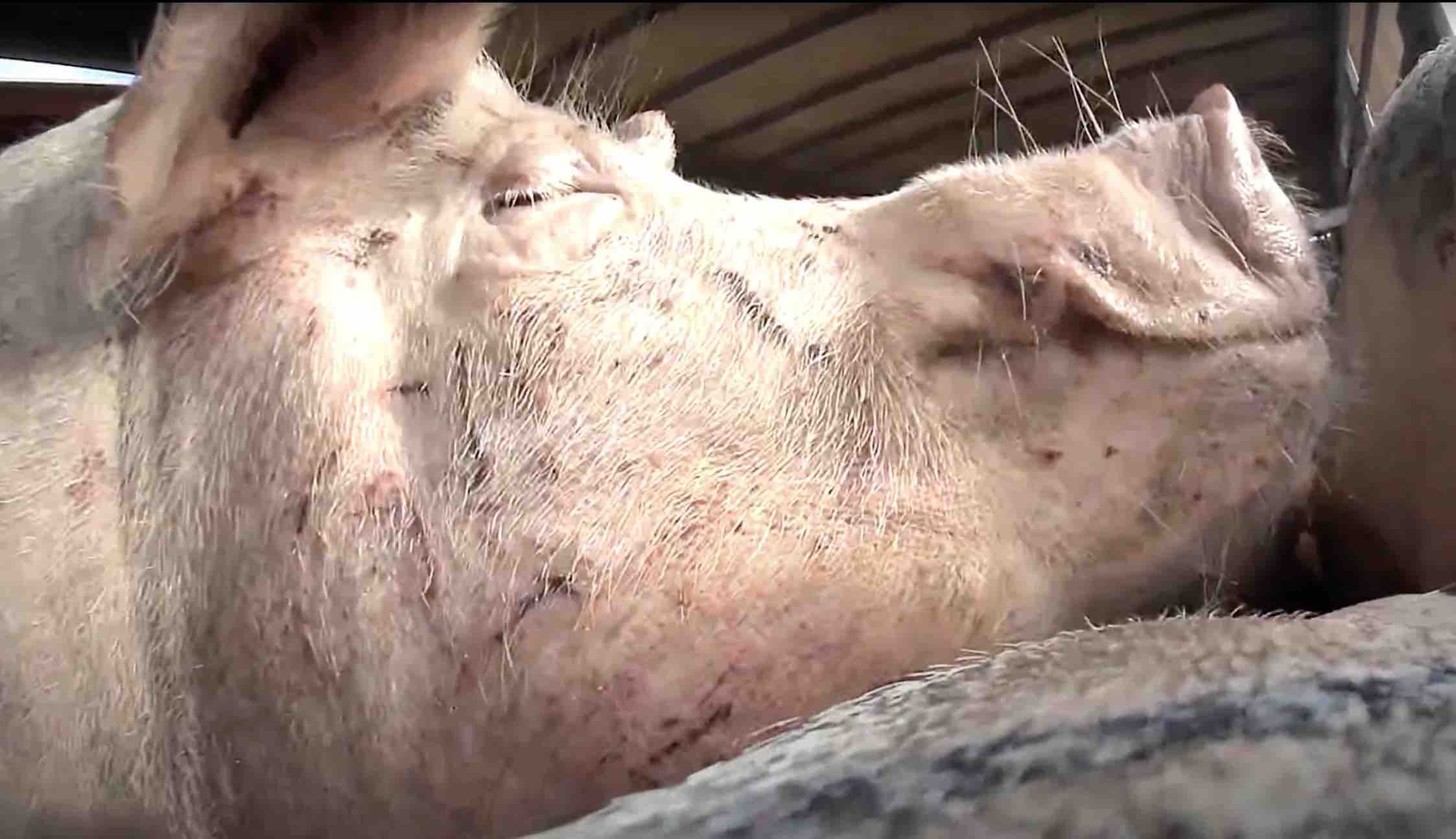
Bar also describes a few moments of a pig’s journey in a transport trailer filled with other pigs. At one point, the pig pushes his way through the other pigs to get to metal slats on the side of the trailer in order to access fresh air and sunlight.
The image of this pig on a crowded transport truck was taken by a camera affixed to the back of another pig
Bar hopes that activists will use this new investigative technique in campaigns targeting specific companies or industries. He also hopes that stories of individual animals will resonate among compassionate people who aren’t already living a cruelty-free lifestyle.
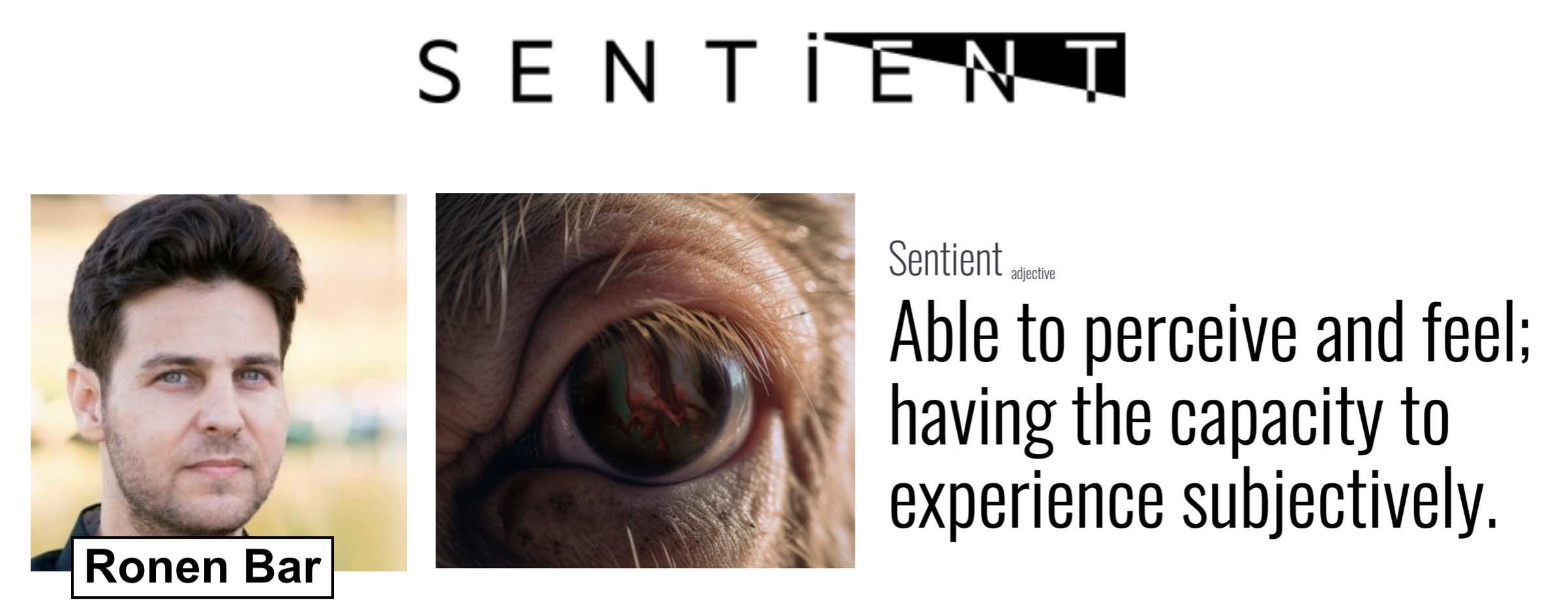
Ronen Bar, co-founder and Executive Director of Sentient
In order to share this tool with activists around the world, Sentient is launching a Kickstarter crowdfunding campaign. The Kickstarter page contains a video that explains more about the camera and process. According to Bar, the fundraiser will “enable us to develop the space of animal storytelling, turning the numbers into what they truly are — stories of sentient individuals.” Funds will be used to place 100 cameras on animals, unveiling their individual stories and effecting tangible change. To support the Camera On Animal campaign, please visit Sentient’s Kickstarter page.
Sentient is is an Israel-based animal rights organization that creates tools for undercover investigations worldwide. Activists or reporters with questions about the “Camera on Animal” technique can contact Ronen Bar: ronen@sentientworld.org
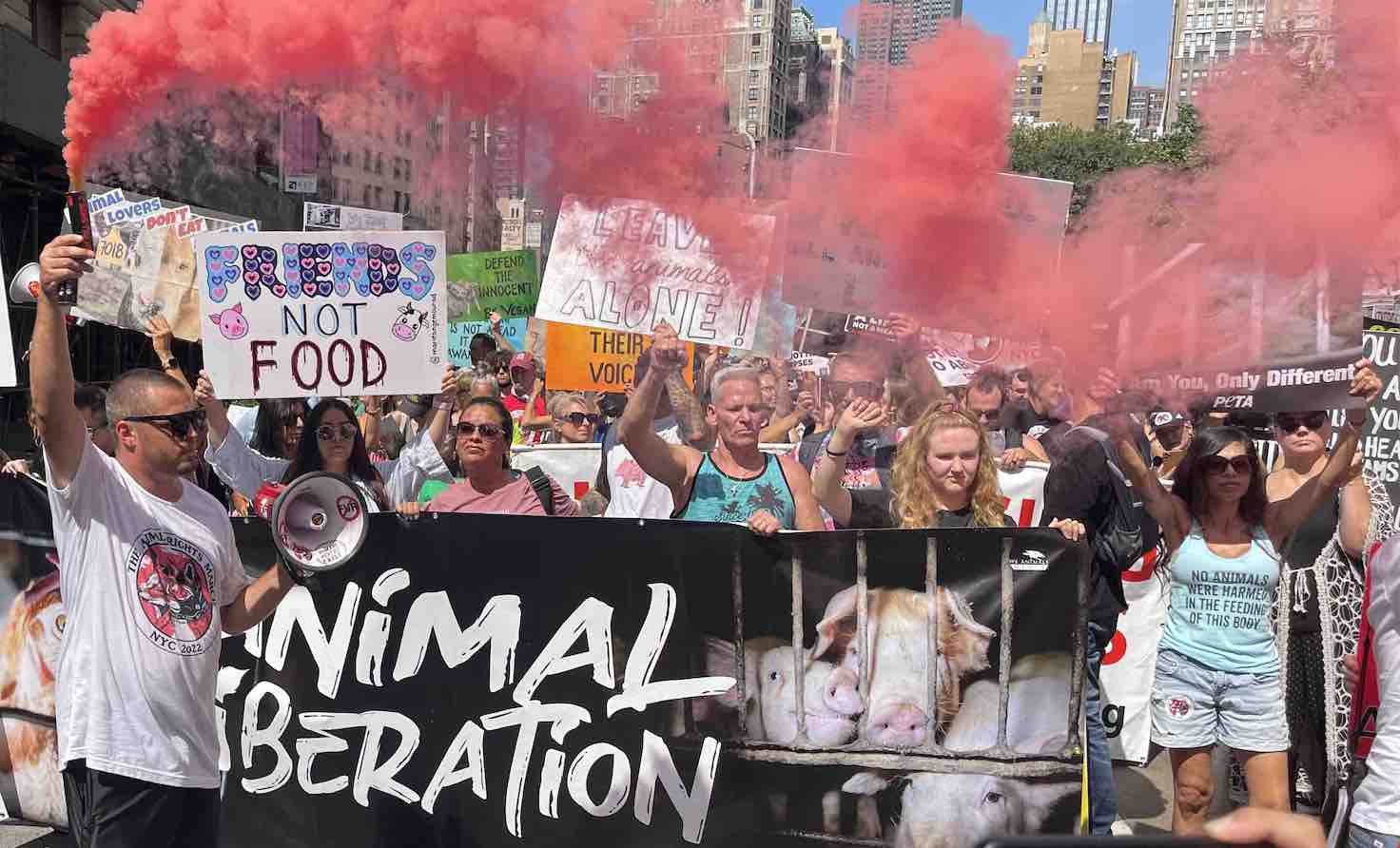
During the 2022 Animal Rights March in New York City, we asked 11 participants what made them go vegan. Here’s what they said:
While millions of people, including those featured in this video, go vegan for ethical reasons, others make the switch to a plant-based diet to improve their health or to protect the planet. Animal agriculture is not only one of the largest greenhouse gas emitters, but it is also a leading cause of deforestation, species extinction, ocean dead zones, antibiotic resistance and zoonotic disease outbreaks, such as avian flu and swine flu.
Animal rights activists from New York, the surrounding states and Canada participate in the 2022 Animal Rights March, which took place on August 27, 2022
If you are interested in learning more about making the switch to a plant-based diet, please order a free Vegan Starter Kit from PETA.
PETA’s vegan start kit helps people transition to a plant-based diet
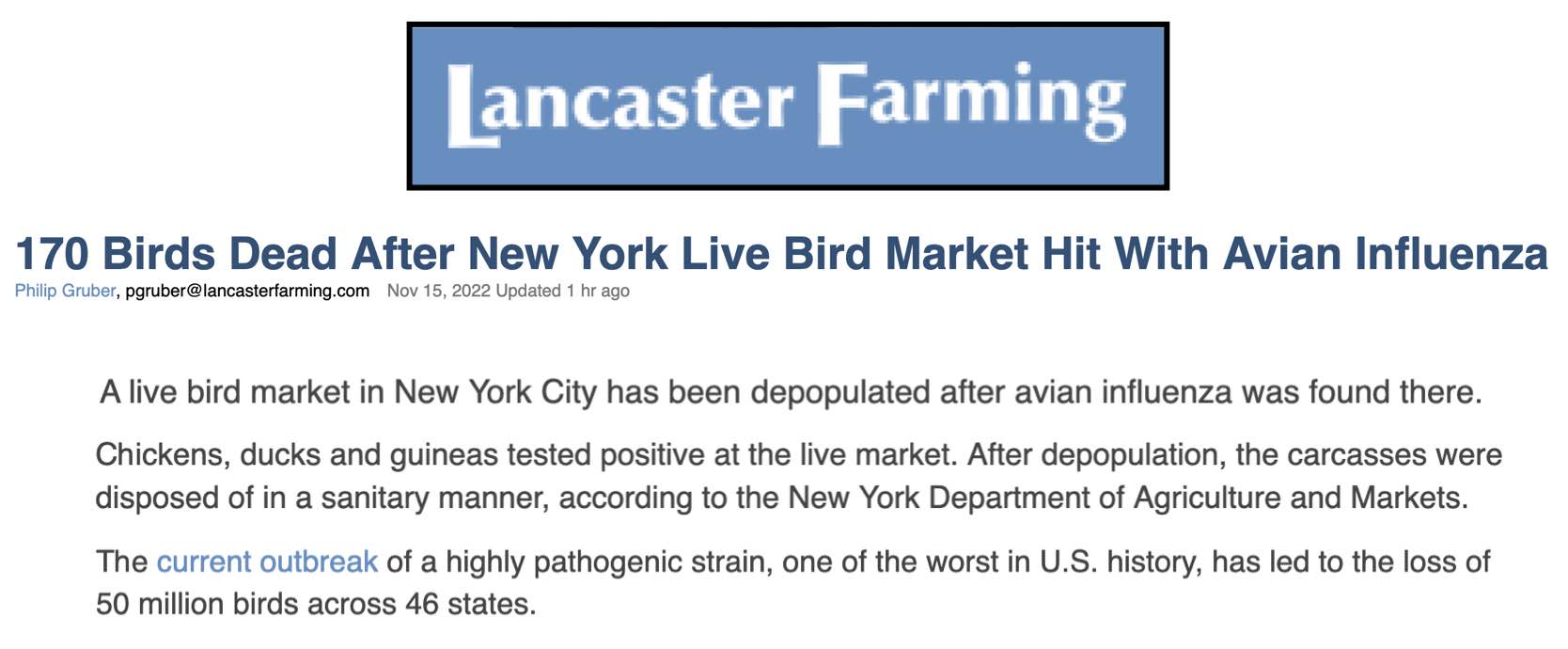
In a letter to the New York State Department of Agriculture & Markets, local and national animal protection organizations are calling on Commissioner Richard Ball to suspend operations at the 87 live animal markets across the state that sell live animals to the public and slaughter them on the premises. The calls come amid an avian flu outbreak at a Queens live poultry market that led to the temporary closure of 34 similar markets in New York and New Jersey. Approximately 170 birds were killed in the Queens facility where the flu was found.
In the letter, the advocacy groups urge Commissioner Ball to “cease operations” at the markets in order to prevent “the next pandemic” from originating in one of them. COVID, the advocates note, was transmitted from animals to humans in a live market in China and spread throughout China before health authorities were even aware of it. Like the live markets in China, many of those in New York City are located in densely populated neighborhoods, where a virus could rapidly spread before being detected.
Lancaster Farming was the first media outlet to report on the outbreak of avian flu in a New York City live poultry market
While the current strain of avian flu is not easily transmitted from birds to humans or among humans, some cases have resulted in “severe disease that resulted in death,” according to the CDC. Young children and infants are at higher risk. Scientists are concerned that a mutation in the virus could create a pathogen that could sicken and kill humans in far greater numbers. According to infectious disease experts, live poultry markets, which house multiple species of birds, are a breeding ground for mutations.
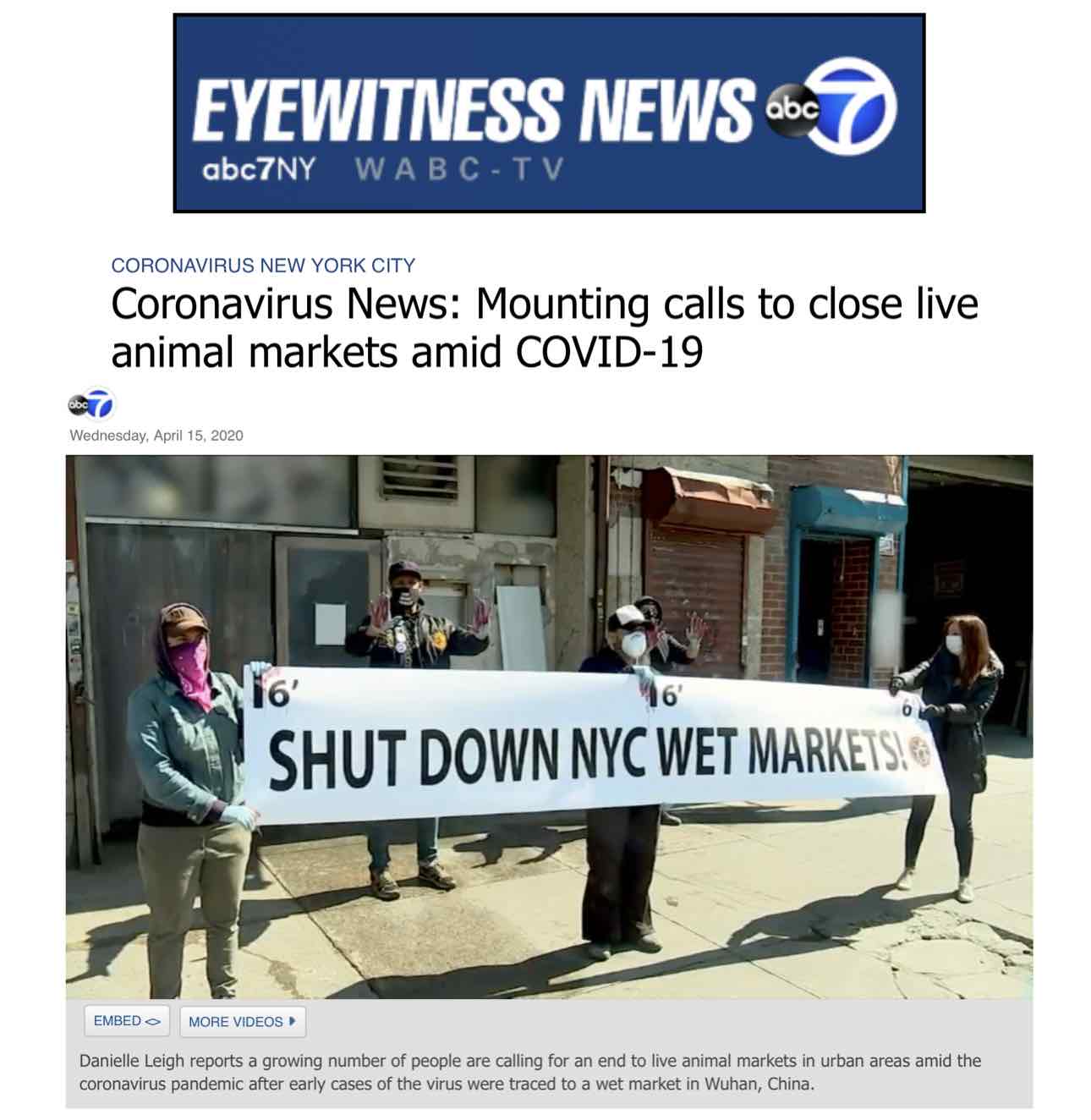
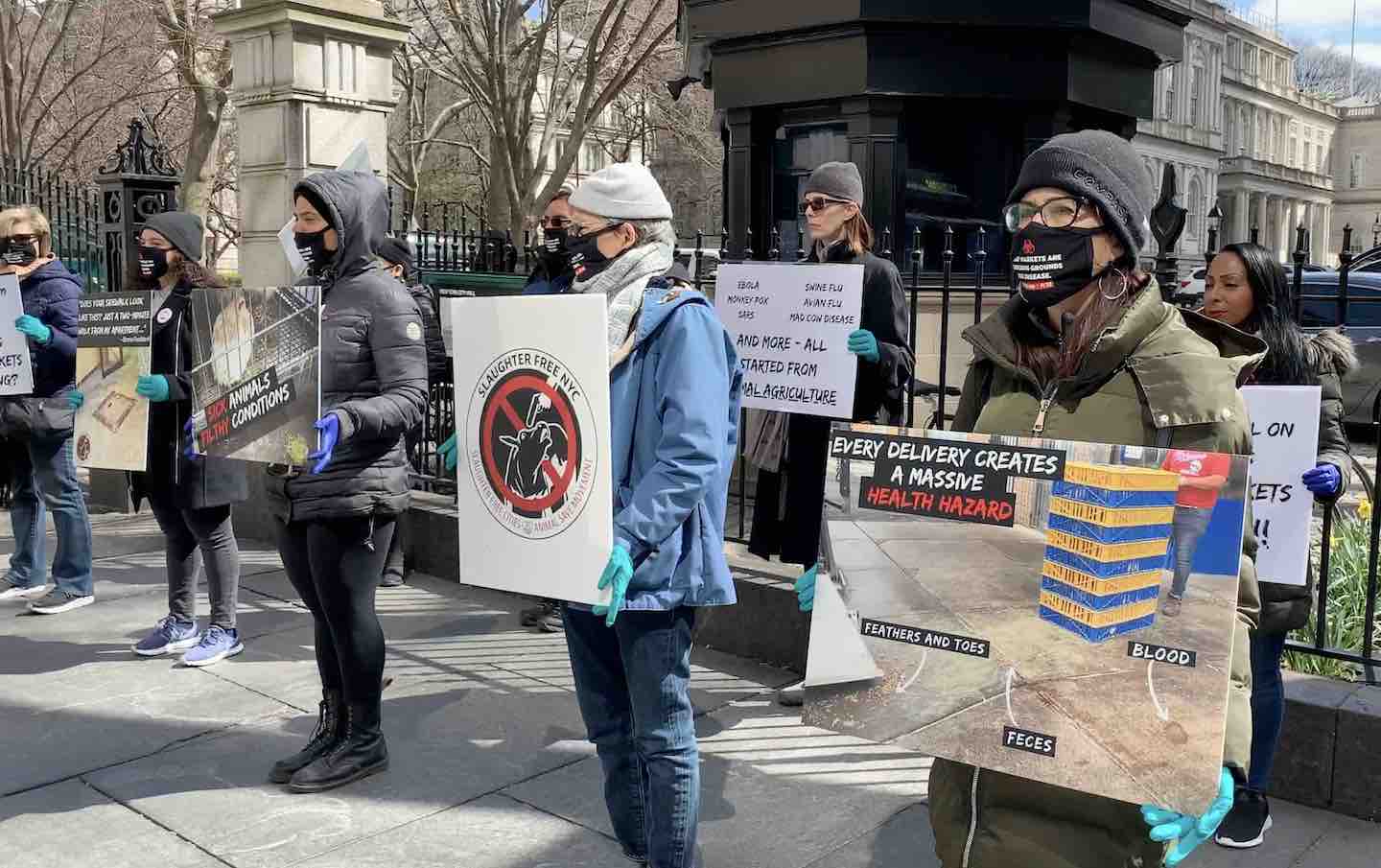
When COVID-19 reached New York, mainstream media outlets reported on the ongoing efforts of the advocacy group Slaughter Free NYC to shut down the City’s 80+ live animal markets
Professor KF Shortridge, a microbiologist at the University of Hong Kong who studied a 2005 avian flu outbreak that originated in Hong Kong, describes live bird markets as an “avian influenza melting pot.”
Over 80 markets in New York State sell and slaughter live animals. The storefront slaughterhouses are open to the public
In April 2022, parents of New York City public school children sent a letter to Governor Kathy Hochul and NYC Mayor Eric Adams asking them to suspend the operation of live animal market due to an avian flu outbreak elsewhere in New York state. In the letter, Brooklyn resident Irma Labiosa expressed particular concern about the close proximity of a live animal market to her son’s elementary school. “The sidewalk in front of the live animal market next to my son’s school is often contaminated with chicken feces and blood,” said Ms. Labiosa, who signed the letter to Mayor Adams and Governor Hochul. “He could be tracking this waste into his classroom, onto the subway and into our home.”
Calls to suspend operations at live animal markets began in 2018 when public health and animal rights activists with the advocacy group Slaughter Free NYC began conducting educational outreach about the health risks in front of markets in Manhattan, Brooklyn and Queens. Despite the fact that the outbreak of COVID lent credence to Slaughter Free NYC’s mission, New York designated the state’s live markets as “essential businesses” which could remain open during the statewide lockdown.
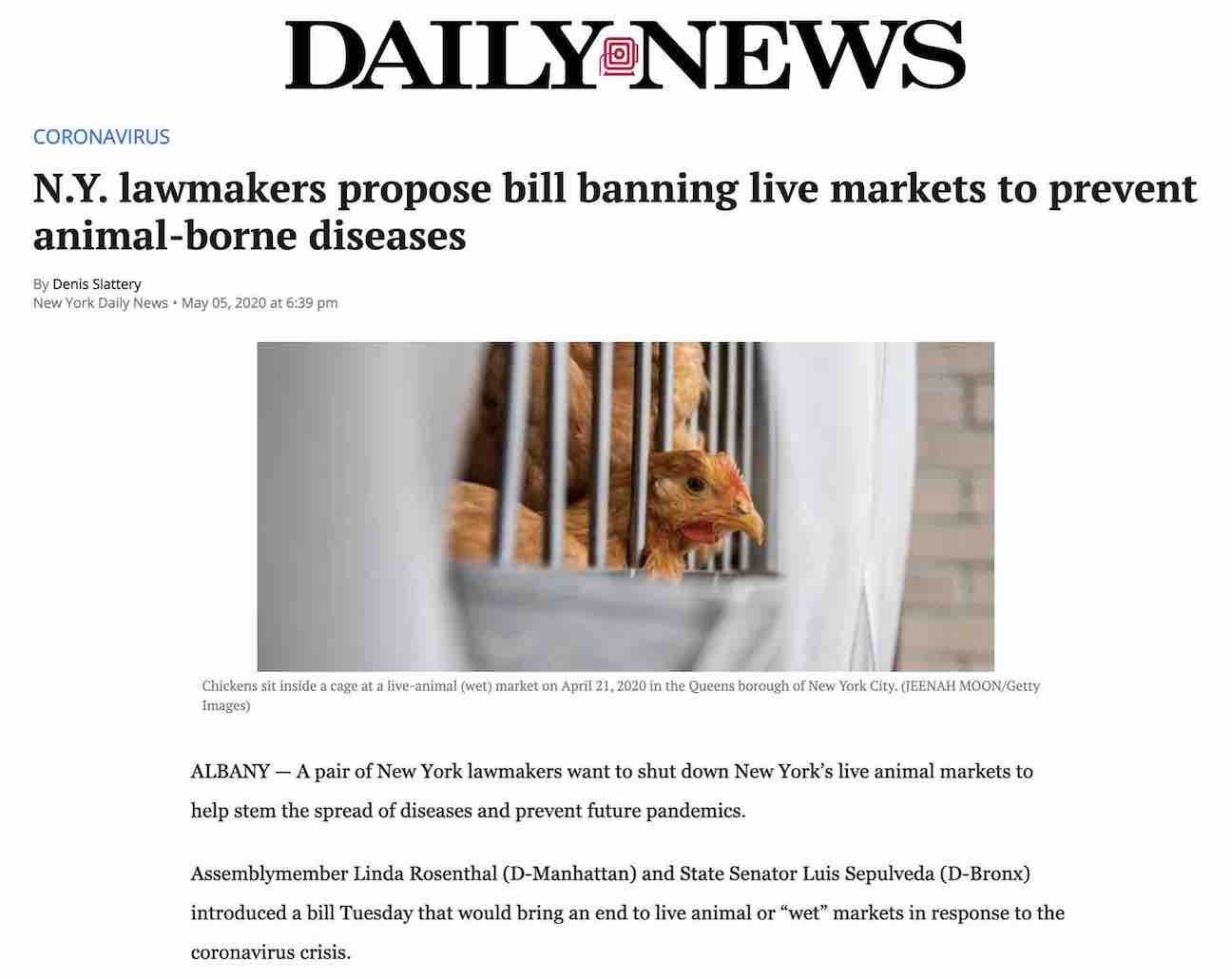
NY State Assembly Member Linda Rosenthal and Senator Luis Sepulveda introduced legislation in May 2020 to suspend the operation of live animal markets
Angered by the state’s failure to protect to the public health, NY State Assembly Member Linda Rosenthal and NY State Senator Luis Sepulveda introduced legislation to shutter the markets until a safety assessment could be conducted. “We should have learned after the COVID-19 pandemic struck and claimed millions of lives that live animal markets are breeding grounds for zoonotic diseases,” said Assembly Member Rosenthal. “When chickens, ducks, rabbits and other animals are kept in crowded cages and in unsanitary conditions, the risk of disease spread is great and the impact on public health can be tragic. As avian flu outbreaks proliferate around the world, as well as right here in New York City where dozens of live animal markets operate just steps from apartment buildings, schools and playgrounds, it is irresponsible to do nothing. It is time for swift action by the City and State to protect public health. I also look forward to passage of my bill, which would pause the operation of these live animal markets so the state can conduct a thorough evaluation of the safety of these markets.”
Amid COVID-19 outbreak, public health and animal rights activists are calling on New York City and State officials to shut down the approximately 80 live animal markets in NYC
In an April 2020 interview about COVID on Fox News, Dr. Anthony Fauci, the Director of the National Institute of Allergy and Infectious Disease, weighed in on the controversy surrounding live animal markets, stating, “I think they should shut down those things right away. It boggles my mind how, when we have so many diseases that emanate out of that unusual human/animal interface, that we don’t just shut it down. . . . I would like to see the rest of the world really lean with a lot of pressure on those countries that have that because what we’re going through right now is a direct result of that.” Fauci, the public face of the COVID pandemic, made no specific reference to the wet markets in the United States.
On October 23rd, an Hasidic Jewish man from Brooklyn contacted TheirTurn to report that an infectious disease called campylobacter that “originated from Kaporos” was “going around” and that the city’s Department of Health (DOH) is “very aware of it” and “wants to be contacted by reporters.” The source, who asked not to be identified for fear of retaliation in the Hasidic community, contacted TheirTurn because, for the past seven years, we have been reporting on the health risks associated with Kaporos and the DOH’s refusal to acknowledge and address them. Campylobacter, which can be transmitted from animals to humans and causes fever, nausea, severe abdominal pain and diarrhea, can be fatal among young children, the elderly and people with compromised immune systems.
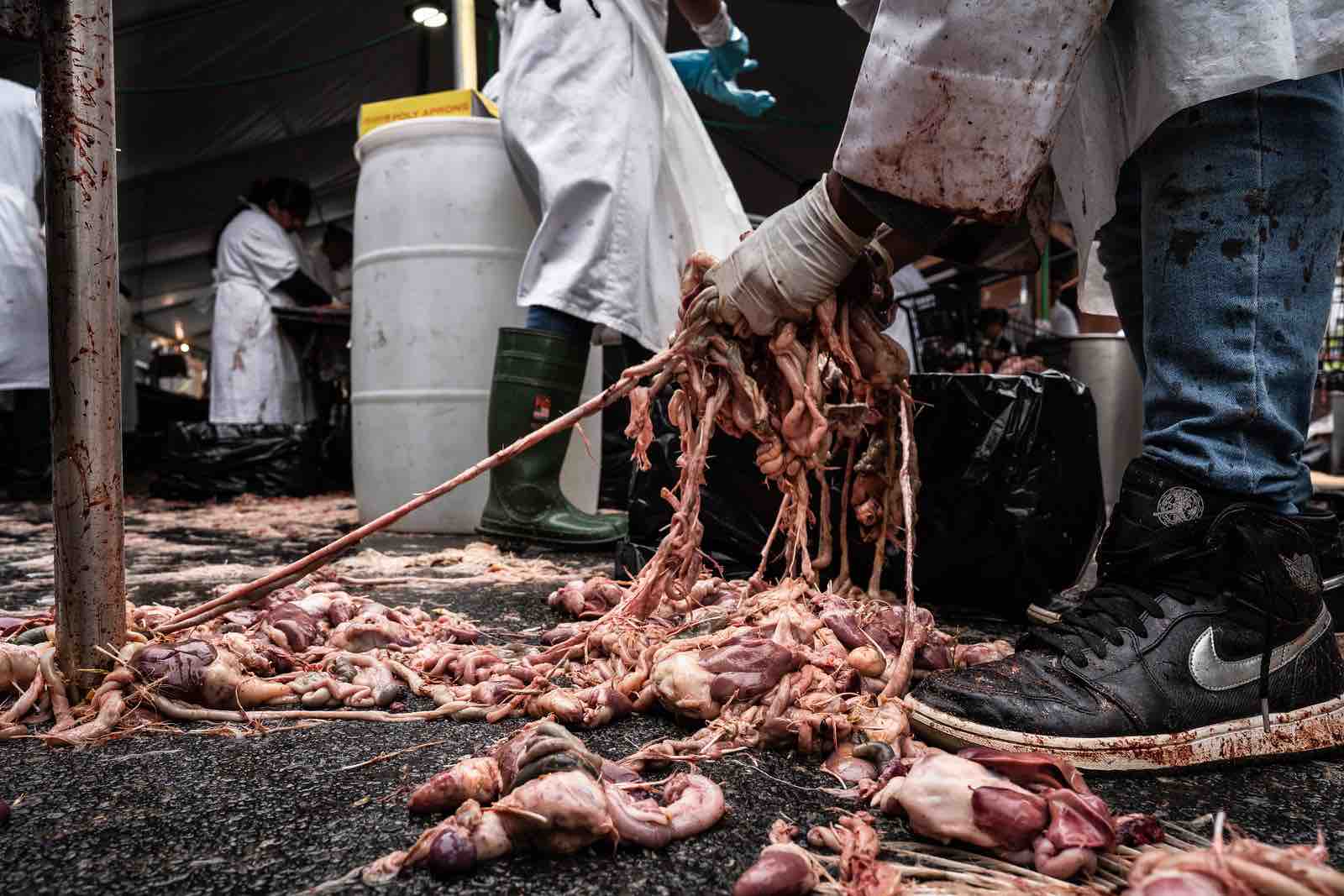
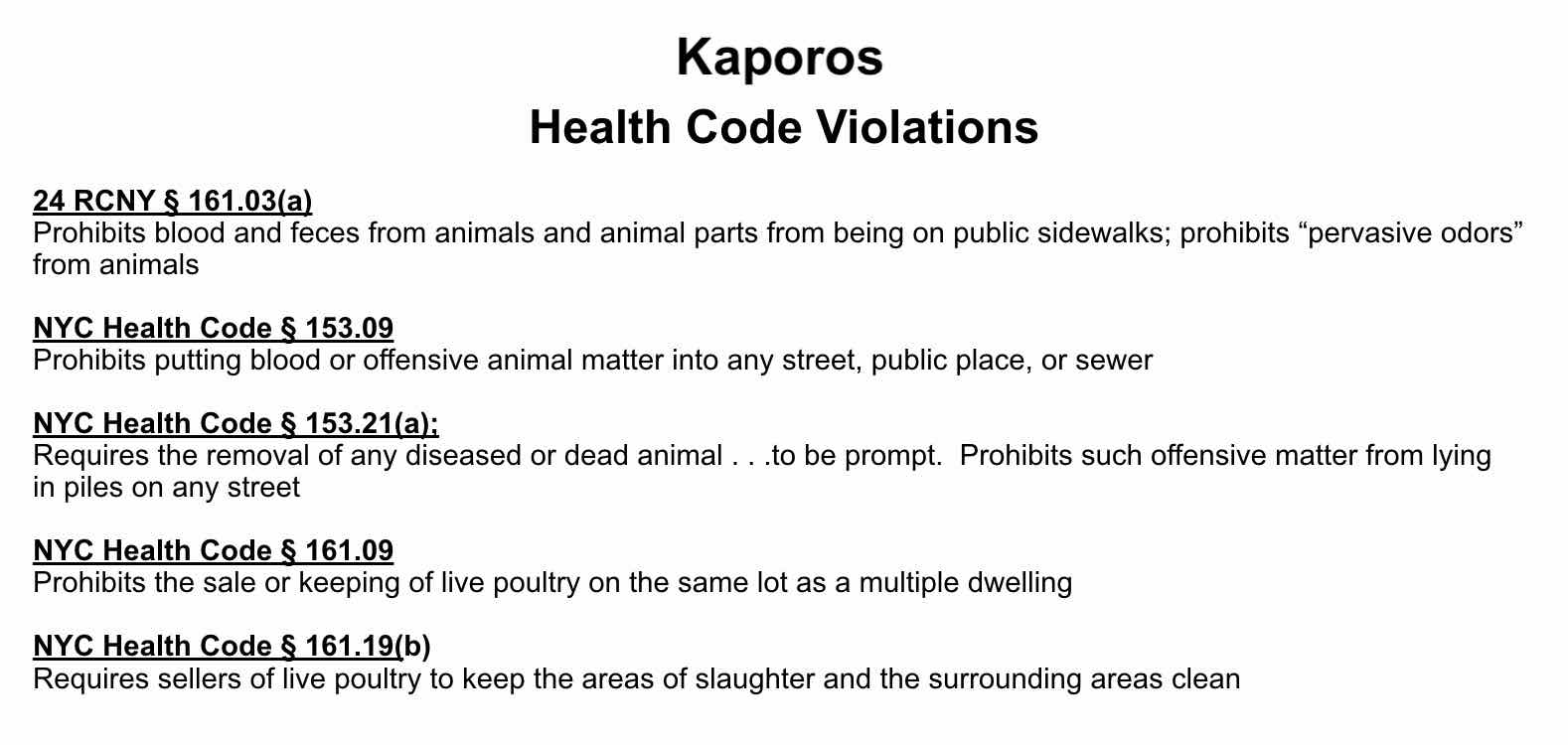
During Kaporos, the blood and body parts of thousands of chickens who are killed in makeshift slaughterhouses contaminate the public streets and sidewalks in violation of seven New York City Health codes.
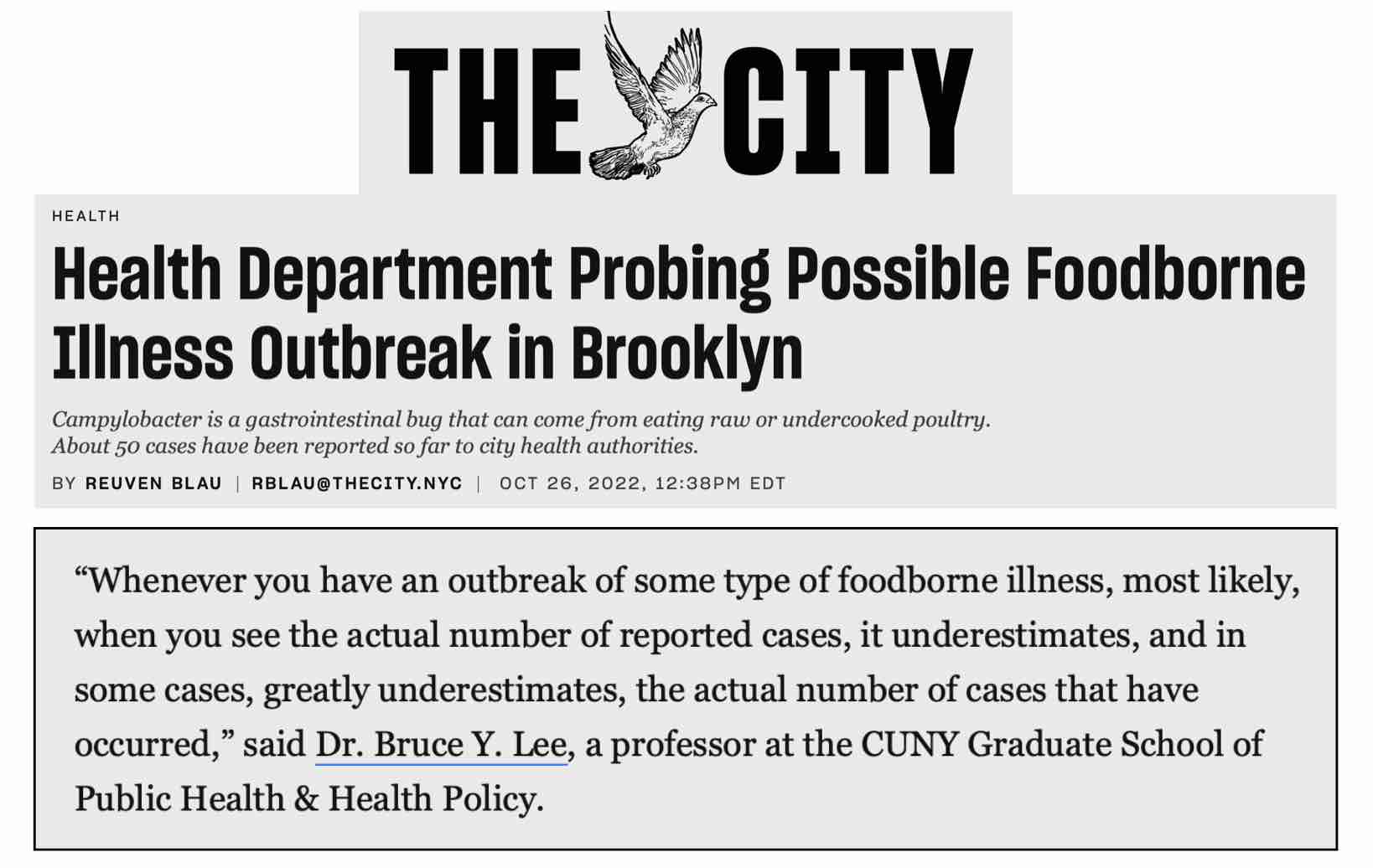
On October 25th, the DOH issued a public statement about the outbreak, but it has not yet publicly linked the campylobacter infections to Kaporos. “We are currently investigating an increase in campylobacteriosis cases in Brooklyn. We do not yet know the cause of the increase. While our data is still preliminary, there are approximately 50 cases reported in the affected areas in Brooklyn since the beginning of October.” In its statement, the DOH does not disclose that the “affected areas” are Hasidic neighborhoods, and it does not acknowledge that the “beginning of October” is when tens of thousands of Hasidim came into physical contact with live chickens.
Experts suspect that the number of campylobacter cases is much higher than 50. An underestimation is especially likely in Hasidic neighborhoods where family physicians are reluctant to report campylobacter cases, as required by law, for fear of shining a spotlight on the religious ritual that led to the outbreak.
The NYC Dept. of Health is “still investigating” the link between the outbreak of campylobacter and Kaporos, but health officials are aware that the outbreak occurred in Hasidic neighborhoods when the ritual sacrifice took place
Reporters have asked the DOH how many of the people infected with campylobacter are – or were – hospitalized and how many died, but the DOH has not yet answered these questions. It also hasn’t disclosed the neighborhoods where the outbreaks occurred. Instead, it states that it is “still investigating.”
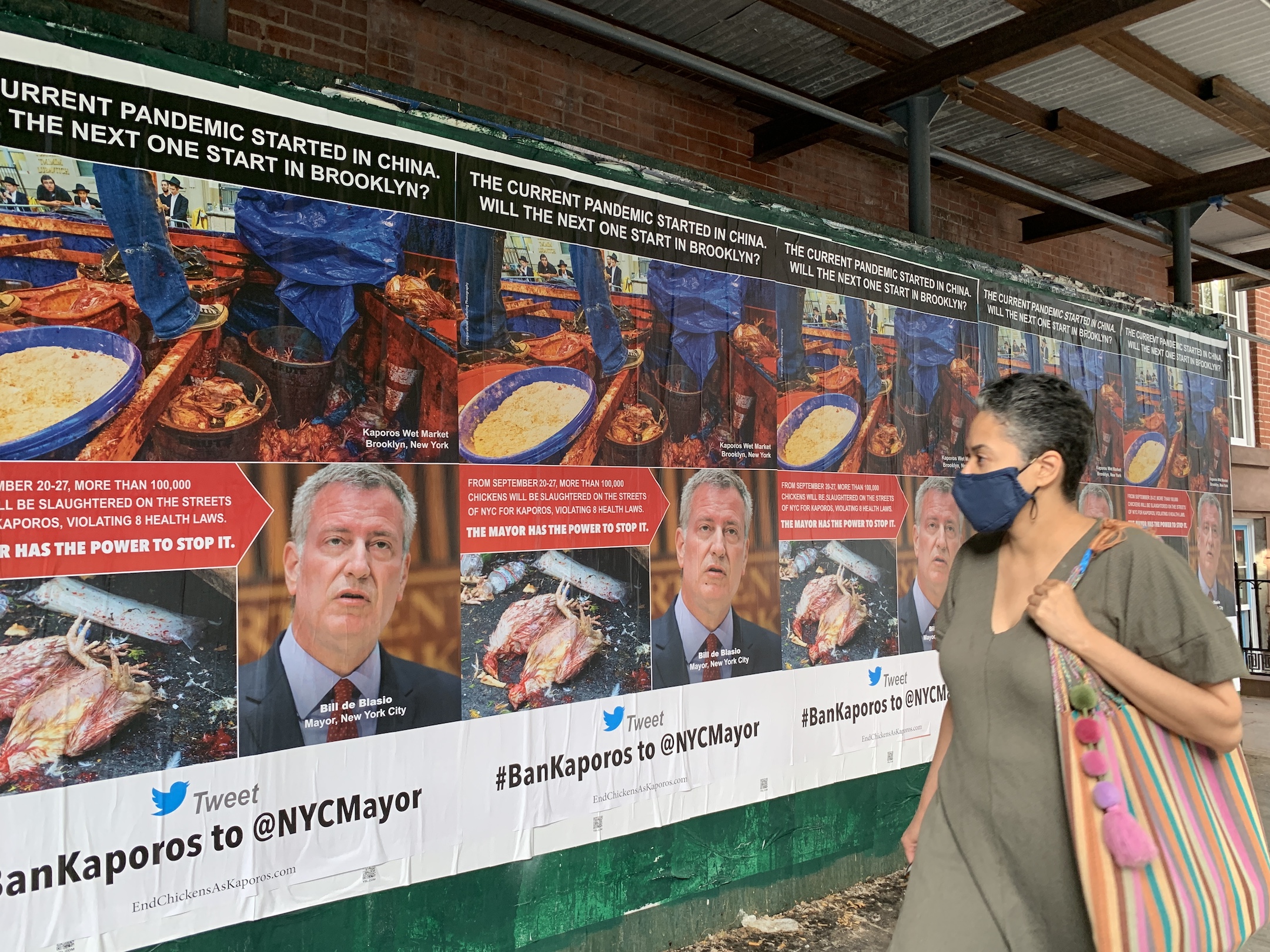
In 2020, advocacy groups plastered NYC with posters highlighting the risk of zoonotic disease transmission during Kaporos
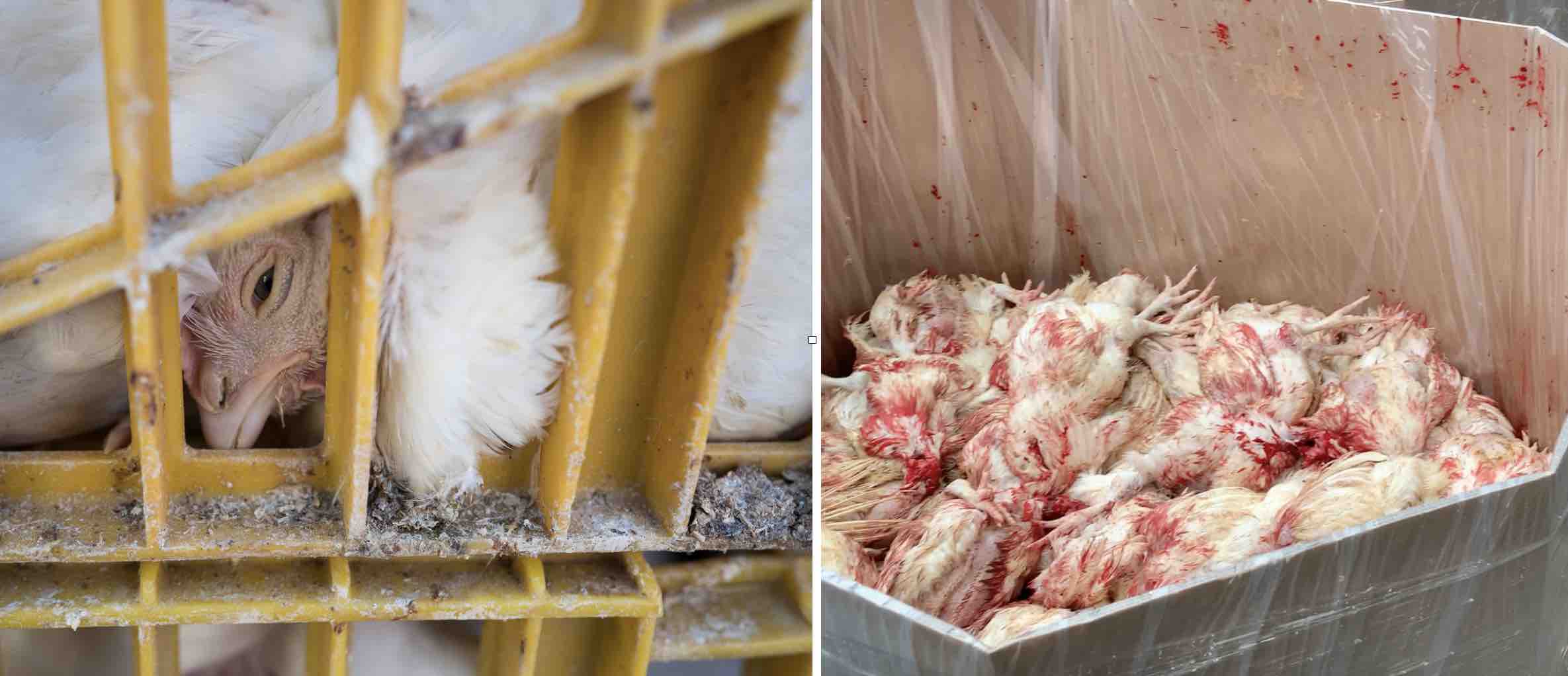
Kaporos is a ritual slaughter during which participants swing live chickens around their heads while saying a prayer to atone for their sins before Yom Kippur, the Jewish day of atonement. In order to facilitate the ritual, vendors purchase an estimated 100,000 chickens, sell them to people who partake in the ritual and kill them in makeshift slaughterhouses erected on residential streets in violation of seven NYC health codes. The birds are held in cramped cages on public streets where they are deprived of food, water and protection from weather extremes for up to several days before being slaughtered. Many die from illness and exposure in the crates before being used in the ritual.
The NYC Department of Health has preliminarily reported that 50 people contracted campylobacter in Brooklyn in early October. It has not yet disclosed that the cases are tied to Kaporos, the ritual swinging and slaughter of an estimated 100,000 chickens
The chicken vendors don’t have permits, but, at the direction of the Mayor, the NYPD assists in the ritual by providing barricades, floodlights and a security presence at an estimated 30 Kaporos sites in Brooklyn.
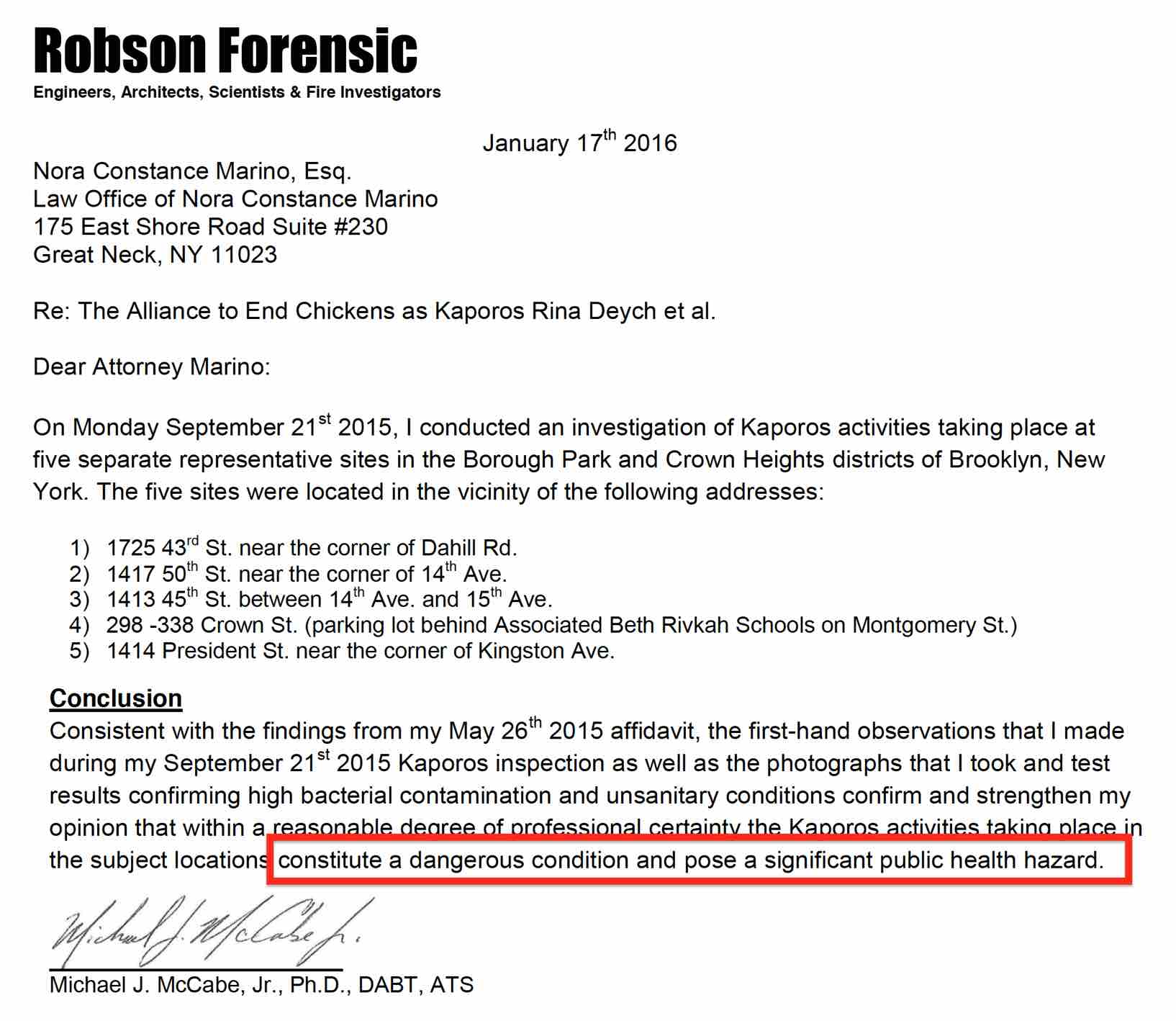
Over the years, animal welfare and public health advocates have sounded the alarm about the health risks, but the DOH has dismissed their concerns and refused to enforce the health codes on the grounds that “no disease signals have been associated with the practice.” That rationale, however, is a smokescreen. Because the Kaporos practitioners represent a voting bloc that often impacts the outcome of city and state elections, the Health Commissioner, who reports to the Mayor, has turned a blind eye to the obvious health risks; the previous reports of campylobacter; and a toxicology report that describes Kaporos as “dangerous condition” that “poses a significant public health hazard.”
The Mayor’s Health Commissioners have refused to address a toxicology report that outlines the public health risks posed by the slaughter of over 100,000 chickens on public streets during Kaporos.
If the Health Commissioner does, in fact, “want to be contacted by reporters” about the outbreak, then he has probably determined that burying the health risks associated with Kaporos now puts him in greater political and legal jeopardy than disclosing them, in defiance of the Mayor. Here’s why:
Because the toxicology report and other warnings have been in the public domain for many years, the Health Commissioner knows that the public, the media and even elected officials would accuse the Health Commissioner of having “blood on his hands” if people die from an infectious disease outbreak tied to Kaporos.
Kaporos practitioners and animal rescuers have contracted campylobacter in previous years, but, with 50 or more cases reported in just one year, the DOH can no longer be on record with its statement that “no disease signals have been associated with the practice.”
When COVID began to spread globally, the public learned that infectious diseases can emerge from live animal markets. If a deadly infectious disease emerged from one of the estimated 30 makeshift markets that sell live chickens for Kaporos, then the public would wonder why the DOH didn’t shut it down. The Health Commissioner knows that he, and not the Mayor, would be held accountable, despite the fact that the Mayor instructs the DOH to allow Kaporos. (Note: Kaporos is potentially more dangerous than other live animal markets because the customers themselves physically handle the live animals, and most are not wearing protective gear. In addition, many of the animals are visibly sick and dying.)
New Yorkers are frustrated by the Health Department’s failure to curb behaviors in the Hasidic community that jeopardize the public health. During the first several months of COVID, for instance, Hasidim held large events during which tens of thousands of people came together indoors without masks or social distancing. New Yorkers were infuriated by the reckless behavior, which put the public and health care workers at great risk, and by the City’s refusal to hold the perpetrators accountable.
Highly-publicized measles and polio outbreaks in 2019 and 2022 shined a spotlight on the need for the DOH to take authoritative steps to prevent disease outbreaks in Hasidic Jewish communities.
Given the prevalence of avian flu, the DOH knows that some of the estimated 100,000 chickens who are trucked into the city could carry the virus.
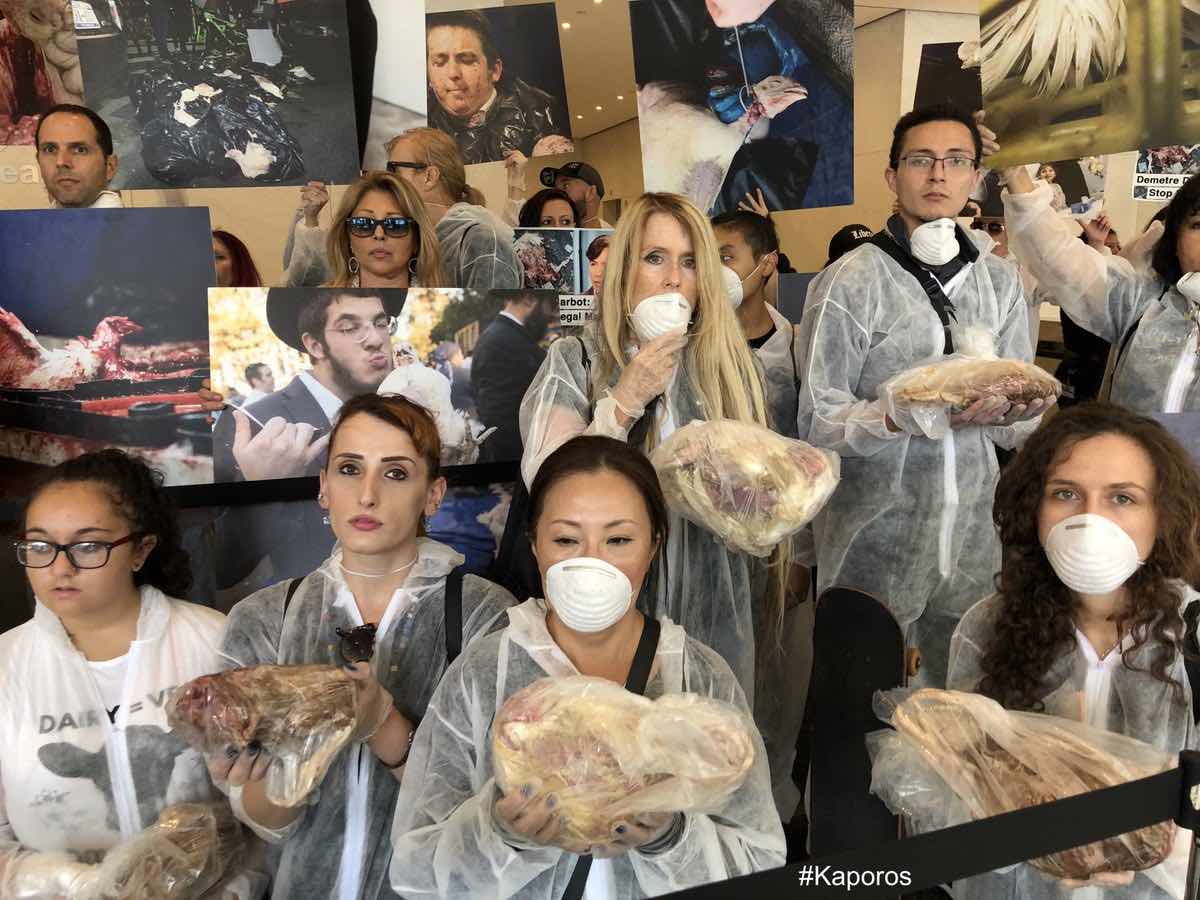
In 2018, animal rights activists brought dead Kaporos chickens left on the streets of Brooklyn into the NYC Department of Health to call attention to the health risks associated with the ritual slaughter
In 2017, animal rights and public health advocates launched a campaign to compel the Health Commissioner at the time, Dr. Mary Bassett, to enforce the health codes violated during Kaporos. After being subjected to ten months of protests, Dr. Bassett resigned just one year into a four year term. In a speech at the Boston University School of Public Health during which she anticipated a protest, Dr. Bassett acknowledged that politics interfered with her ability to address the health risks associated with Kaporos: “Those of us who work in government face the reality of the fact that the people who appoint us have to go back to the public and back to the ballot box to be reappointed, so there’s always going to be a need for advocacy from people outside of government. For someone who is passionately committed to many issues embraced by advocates, it can be difficult to acknowledge the role that I play as a political appointee. I can’t always be at the barricades.”
NYC health codes violated during Kaporos, a ritual chicken slaughter that takes place before Yom Kippur, the Jewish day of atonement
With the outbreak of campylobacter, which is undoubtedly causing the victims a great deal of pain and suffering, the current Health Commissioner could very well want to join the advocates at the barricades because allowing Kaporos to take place in the future subjects him and the DOH to legal liability and public relations backlash in the event of the outbreak of a more serious infectious disease.
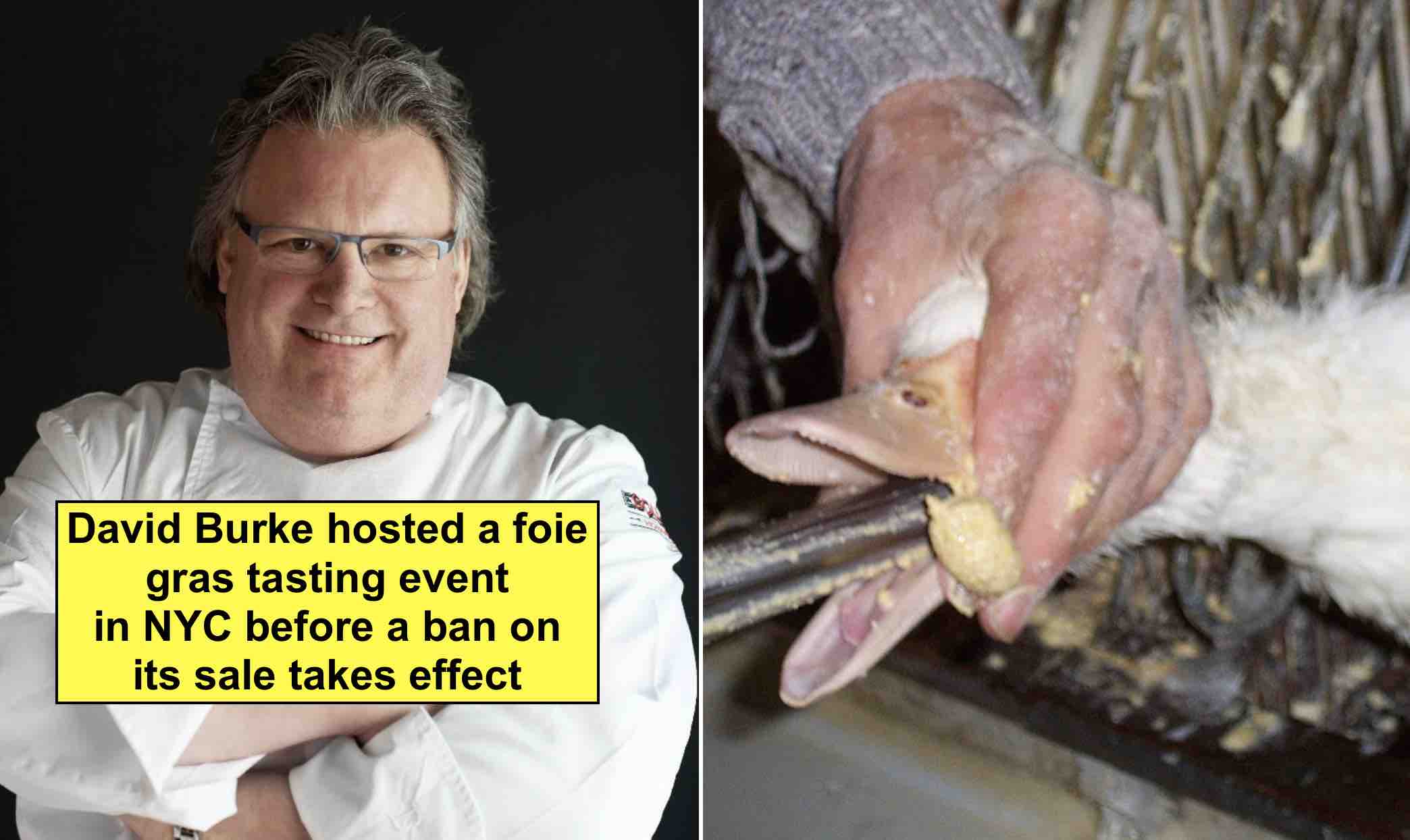
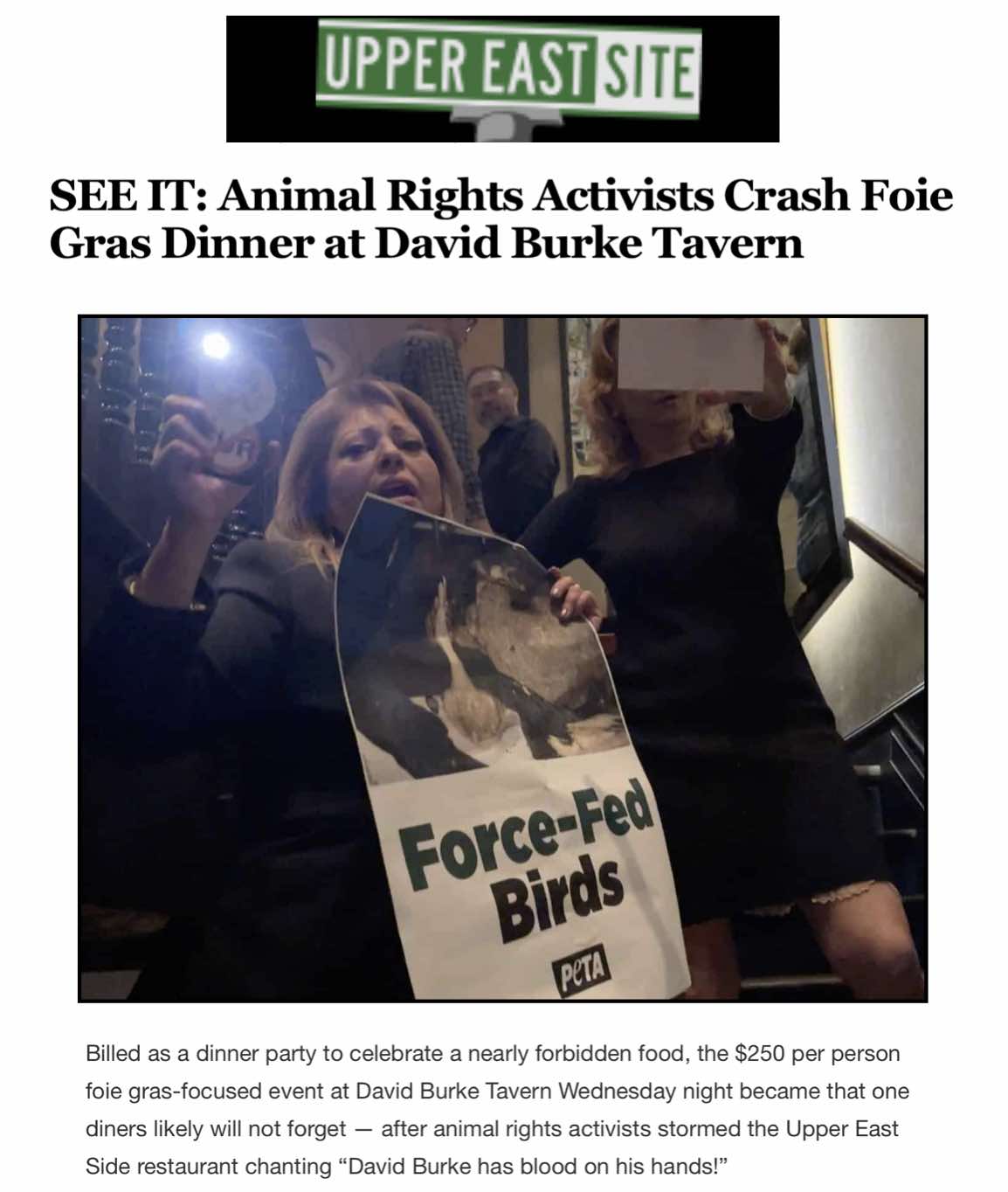
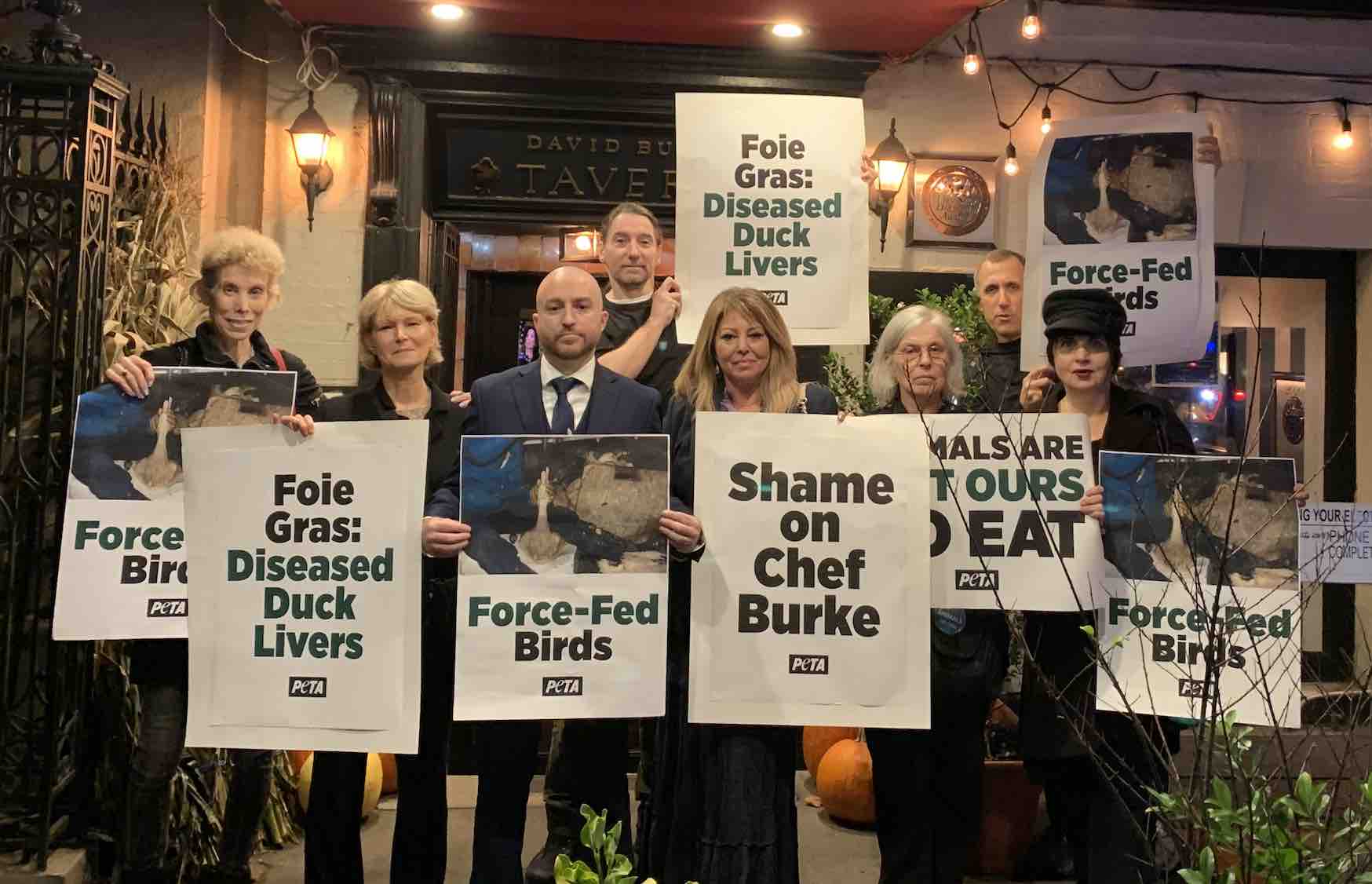
Animal rights activists with PETA and Humane Long Island’s Duck Defenders project disrupted a foie gras tasting event at David Burke Tavern, an American restaurant on the Upper East Side of New York. The owner, David Burke, dubbed the $250 per person event “FoieGone,” a reference to the upcoming ban on the sale of the fatty liver product in New York City.
The activists chanted “David Burke has Blood on His Hands” and “Foie Gras is Animal Cruelty” while walking through the restaurant and halfway up the stairs, where restaurant employees blocked their passage. While some patrons were disturbed by the protest, several asked questions during the disruption and expressed their support of the message as they exited the restaurant. (Activists suspect that the individuals who expressed their support did not partake in the foie gras tasting event, which was held in one section of the restaurant).
Animal rights activists protested a $250/person foie gras tasting event hosted by David Burke at David Burke Tavern in NYC
Foie gras, or fatty liver, is produced by inserting pipes down the throats of geese and ducks and force feeding them until their livers expand to ten times their normal size. The ducks and geese, who are aquatic animals, spend their lives inside of factory farms.
A neighborhood media outlet reported on the foie gras protest at David Burke Tavern, an Upper East Side restaurant that hosted a foie gras tasting event
In 2019, New York City lawmakers voted to ban the sale of foie gras. At the time, an estimated 1,000 restaurants sold foie gras in New York City, according to the NY Times. The bill was passed and signed into law despite criticism from prominent chefs and the media. The historic foie gras bill would not have been introduced, much less passed, by the City Council, were it not for a two year campaign waged by Voters for Animal Rights (VFAR), a group that advocates for animal rights legislation in NYC. With the support of hundreds of grass roots animal rights activists, VFAR partnered with animal rights groups, veterinarians, and restaurants to create a coalition of supporters who lobbied City Council members and educated the public about the cruelty associated with foie gras production.
David Burke Tavern hosted a $250/person foie gras tasting menu in advance of a ban on the sale of foie gras in NYC.
The ban of the sale of foie gras was supposed to take effect on November 25th, 2022. On September 15th, a New York State Supreme Court judge issued an injunction, ruling that La Belle Farm and Hudson Valley Foie Gras can continue to sell the fatty livers to NYC restaurants while the case makes its way through the judicial system. The foie gras producers sued the city, citing economic hardship and claiming that the City Council exceeded its authority by making law about farming practices outside the city.
Animal rights activists with PETA and Humane Long Island (aka Duck Defenders) protested a foie gras tasting event at David Burke Tavern in NYC
If the courts overturn the law banning on the sale of foie gras, animal rights groups will continue to protest the restaurants that sell it until they remove the “delicacy of despair” from their menus.





Follow Their Turn