Their Turn - The Social Justice Movement of Our Time Their Turn - The Social Justice Movement of Our Time

Our Choice of Words Matters

October 8, 2014 by 4 comments


Opinion

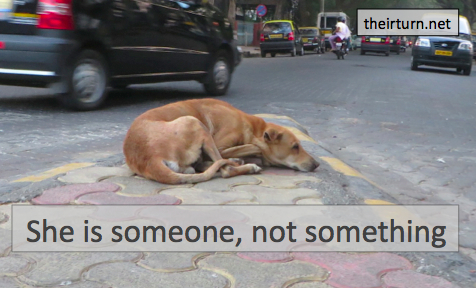
When advocates refer to an animal as “it” instead of “he” or “she,” we reinforce the perception that animals are objects, not living beings. Why do we do that? Bad habit? Because we don’t know the sex? Because that’s what the media does?

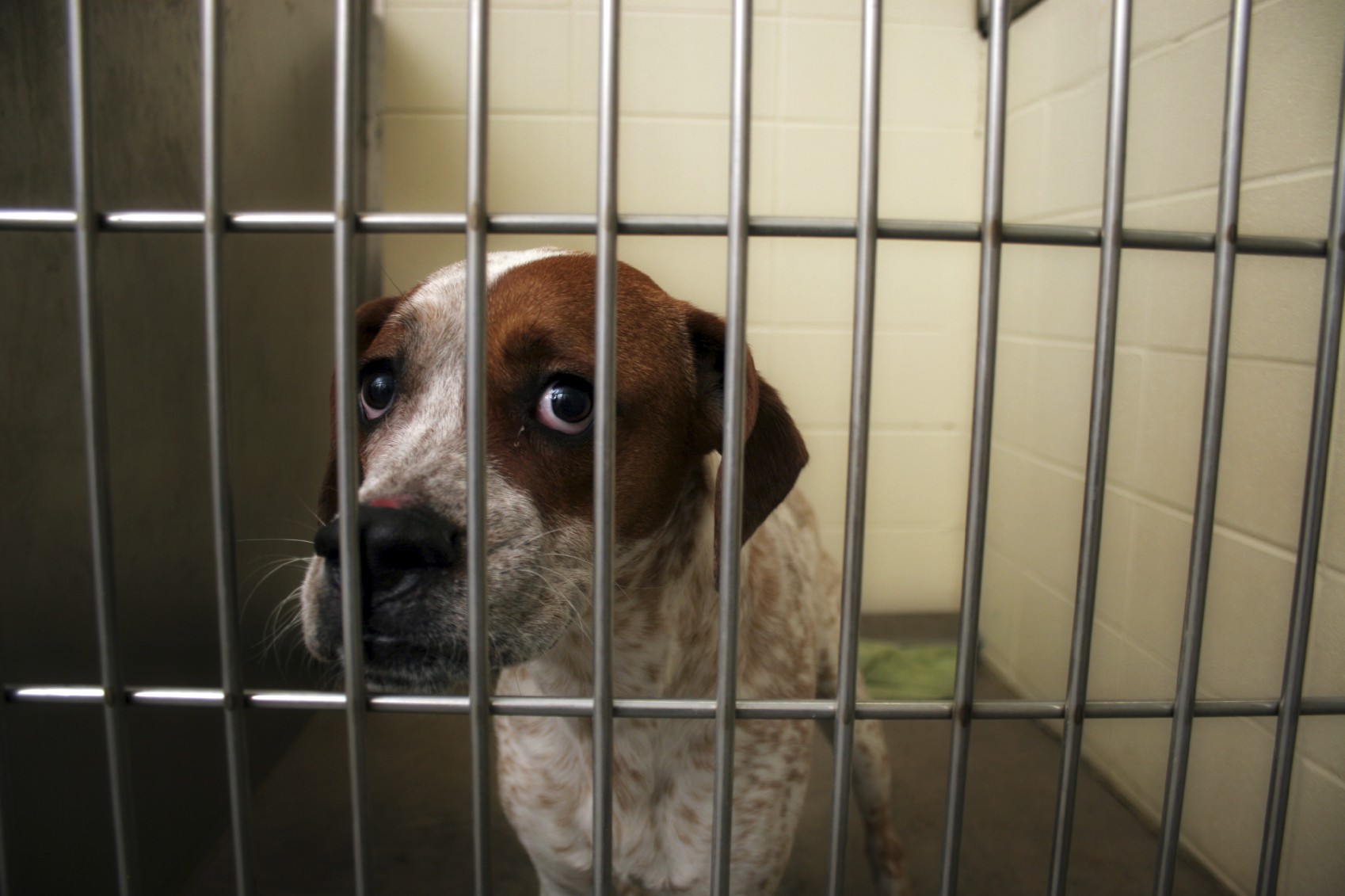
homeless dog

How can we expect others to regard an animal as “someone” (who deserves to be treated kindly) as opposed to “something” (which can be discarded) when we ourselves describe animals as inanimate objects?

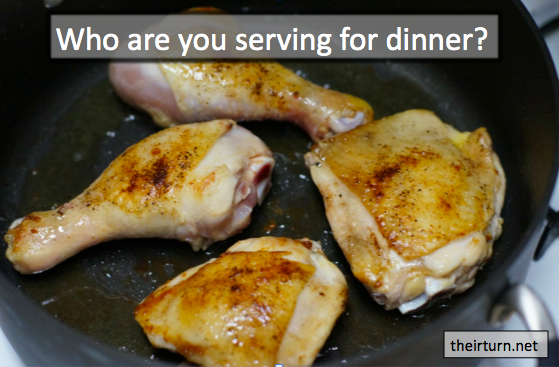
chicken is someone

The burden is on us to use every opportunity we can find in our daily lives to use “he” or “she” or “him” or her” when referring to an animal. Let’s lead by example.


In Spain, It’s The Crying of the Bulls

October 8, 2014 by 36 comments


The News

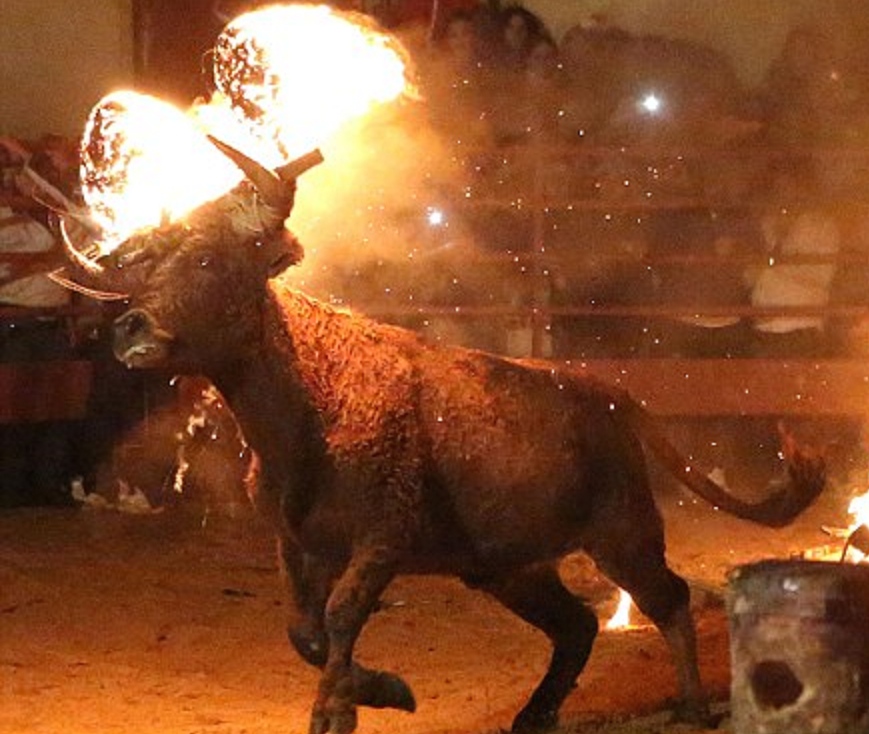
It takes place once a year in Spain, and it’s one of the most sadistic traditions on earth. It’s not the running of the bulls, where thrill seekers chase terrified bulls down the street. And it’s not a bullfight, where matadors torment bulls before stabbing them to death in front of a cheering  crowd. This event, which takes place in the town of Medinaceli during the second week of November, is called Toro Del Fuego — Bull of Fire.

During the Toro Del Fuego, also known as Toro Jubilo (jubilant bull), participants drag a bull through the streets, insert balls of turpentine and sulfur into his horns and set the balls on fire. The frantic bull is released in the town square where he smashes his horns against the walls in an attempt to douse the bonfire on his head. Bulls who don’t die during during ritual are slaughtered for meat when it’s over.

bull on fire

The “festival” dates back 400 years, but it was banned for 15 years in the 60’s and 70s’ on the grounds of animal cruelty. Participants defend the festival, saying that the animals don’t suffer.

Your Turn

Listening to the bulls wail in agony is every bit as difficult as watching their desperate attempts to douse the fire that engulfs them. Please sign on to the letter to the Pope asking him to speak out and to the petition to the officials in the region of Spain where the festival is held.


RSPCA Serves Meat at Fundraiser & Defends It, Sparking Anger & Confusion

October 7, 2014 by 2 comments


News & Opinion

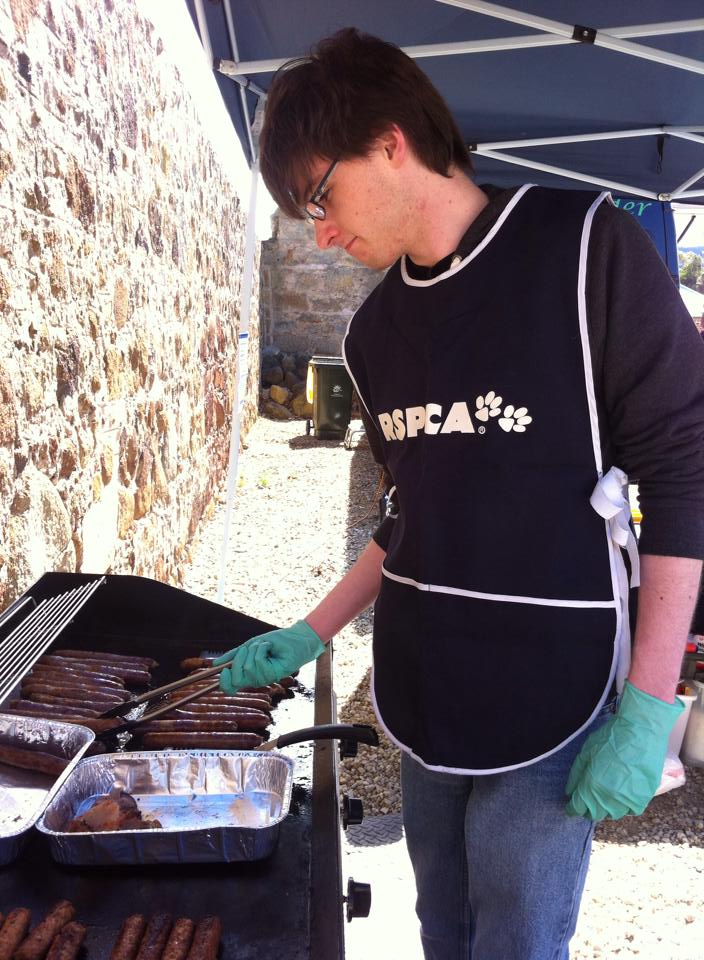
The Royal Society for the Prevention of Cruelty to Animals in Tasmania, Australia, has triggered anger and confusion by serving sausages at a fundraiser and defending its decision to do so.

RSPCA serves meat

On its website, the RSPCA describes itself as “the voice for the animals of Australia” that “defends their dignity, fights to stop cruelty, and prosecutes those who would harm them.”

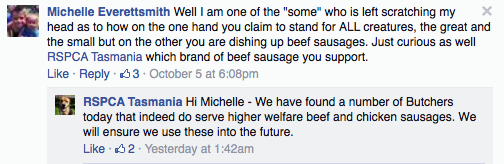
The photo, posted by the RSCPA itself, has triggered backlash from supporters and activists around the world who argue that serving abused animals is inconsistent the organization’s stated mission. In response to the criticism, the RSPCA defended itself:

“The RSPCA believes you can eat meat or eggs and still care about the welfare of the animals that provide it. These animals are living, feeling creatures, capable of experiencing fear, pain and distress. The RSPCA believes all animals should be treated humanely, whether they’re animals we farm for food or live with as companions.”

To make matters worse, the RSPCA acknowledged that it didn’t know the source of the animals who they served, which means that they most likely originated from a factory farm:

RSPCA serves meat2

If the RSPCA, whose mission is protect animals, can’t connect the dots between the cruelty it opposes and the cruelty it supports, then how can the organization expect the general public to shift toward a cruelty-free lifestyle? Their decision to serve and condone the consumption of meat makes the RSPCA part of the problem, not the solution.

Your Turn

Post a comment on the RSPCA’s Facebook wall to encourage them to stop serving the animals who they claim to protect. The BBQ photos were posted on October 4th.


Readers’ Responses: “What Should We Say to Fur Wearers?”

October 7, 2014 by 5 comments


The News

Hundreds of readers took the time to post comments on the article “What Should We Say to People Wearing Fur?” This post summarizes the feedback – in case it’s useful, inspiring or, at the very least, interesting.

The suggestions varied widely, but most could be filed under one of two approaches: measured or confrontational. Each approach has its merits, though some snarky one liners like “Bitch” or “Fur hag” probably do less to help the animals than to satisfy us in the moment.

Among the measured suggestions that were shared more than once are the following:

“Thank you for wearing fake fur.” (even if it’s real)

“Fur looks most beautiful on its original owner.”

“Is that fur real? Do you know where it comes from?” (This question opens up the possibility for a dialog.)

The confrontational suggestions were more varied. Following are a couple of standouts:

“Do you know how many innocent animals had to die so you could wear that?”

“How can you stand the cries of the tortured animals?”

“Do you know your coat was made by skinning the animals while they were still alive?”
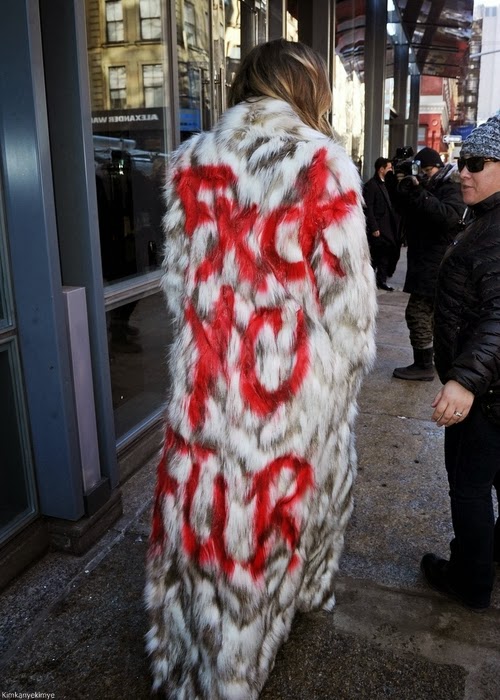
Khloe Kardashian's approach to protesting fur

Khloe Kardashian’s approach to protesting fur

Several readers who may or may not be activists said, “Don’t say anything. It’s none of your business.” One reader wrote, “If the person is older than 70, leave her alone.”

Others, who clearly are activists, suggested a menacing approach: “They should be followed and yelled at so that they feel unsafe wearing the skins of tortured animals.” Another reader suggested action, albeit unrealistic, instead of words: “Tie them down and force them to watch videos of  animals being tortured.”

A few readers expressed discomfort with fake fur alternatives on the grounds that “it still makes the fashion more popular” or “it glamorizes the idea of wearing an animal.”

The “I am an asshole. I wear fur” stickers mentioned in the article received a mixed response. A few readers asked where they could get them. Another reader, however, had a visceral reaction and, ironically, gave the kind of combative response that she herself opposes:

Donny Moss is a Fool

When it comes to fur, passions run high – higher than they do on most other animal rights issues. Perhaps that can be attributed to the fact that fur is so gratuitous. As activists say – or shout – at the protests, “Stop the insanity. No blood for vanity.”



Photos Demonstrate that Animals and People Share the Same Emotions

October 6, 2014 by 3 comments


Opinion

We’ve heard it a million times before as a justification for mistreating animals: “Animals aren’t people.” We are accused of anthropomorphizing – attributing human personality to animals.

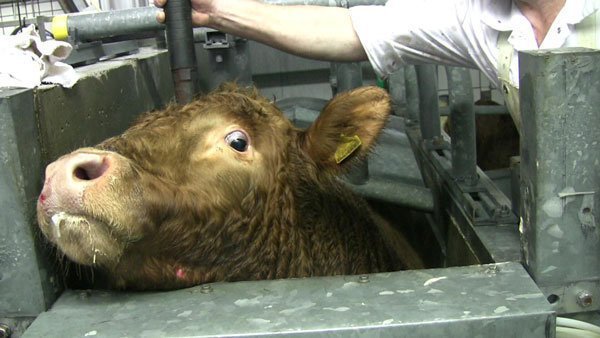
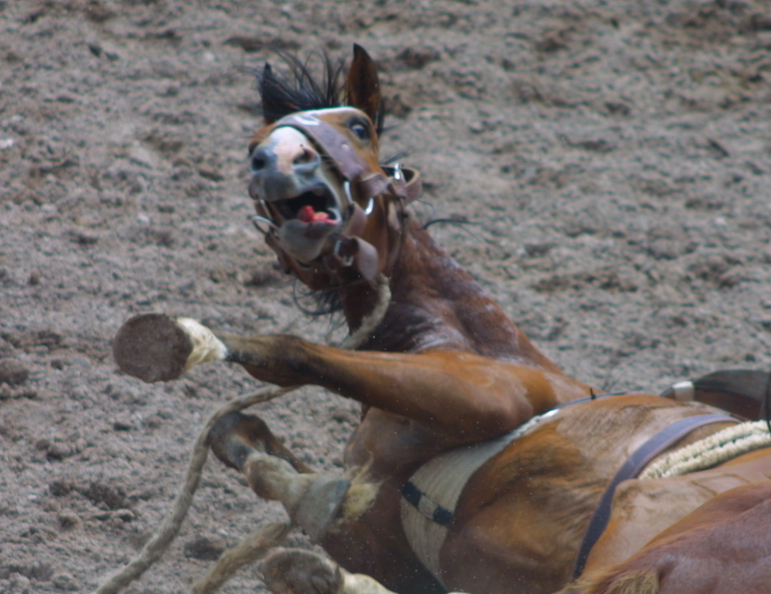
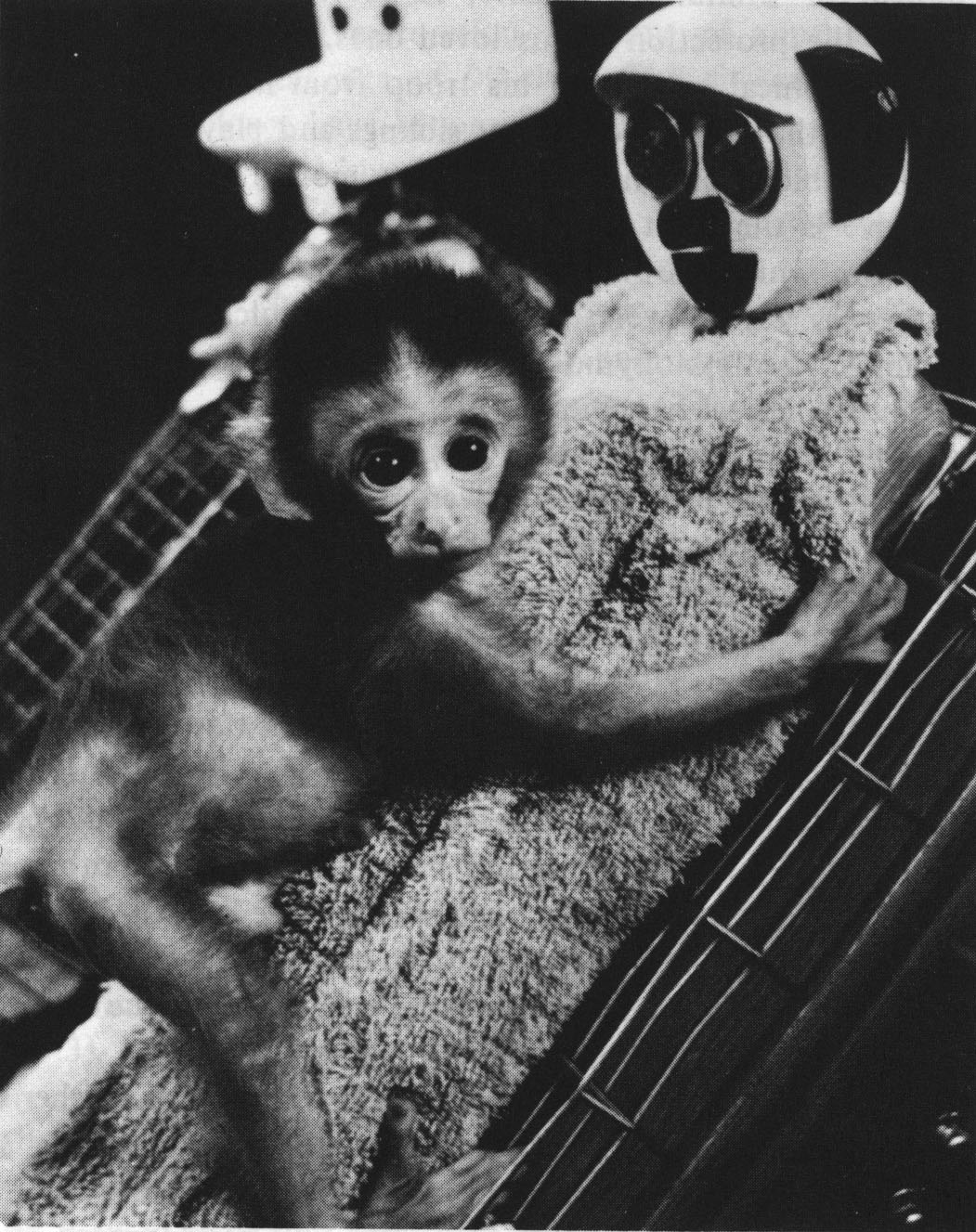
How do we break through to people who roll their eyes when we say, “Just because animals don’t speak our language doesn’t mean they don’t experience the same emotions: fear, pain, hunger, thirst, fatigue, sadness.

Pictures speak a thousand words. If the naysayers don’t take our words seriously, then perhaps this video and the photos that follow will help them see the light:

https://youtu.be/v33R7fAyaZk

pre-slaughter

Fear & anguish

Rodeo (photo: SHARK)

Terror & pain (photo: SHARK)

Maternal Deprivation Study

Fear and Sadness (Baby clings to fake mother in maternal separation study)

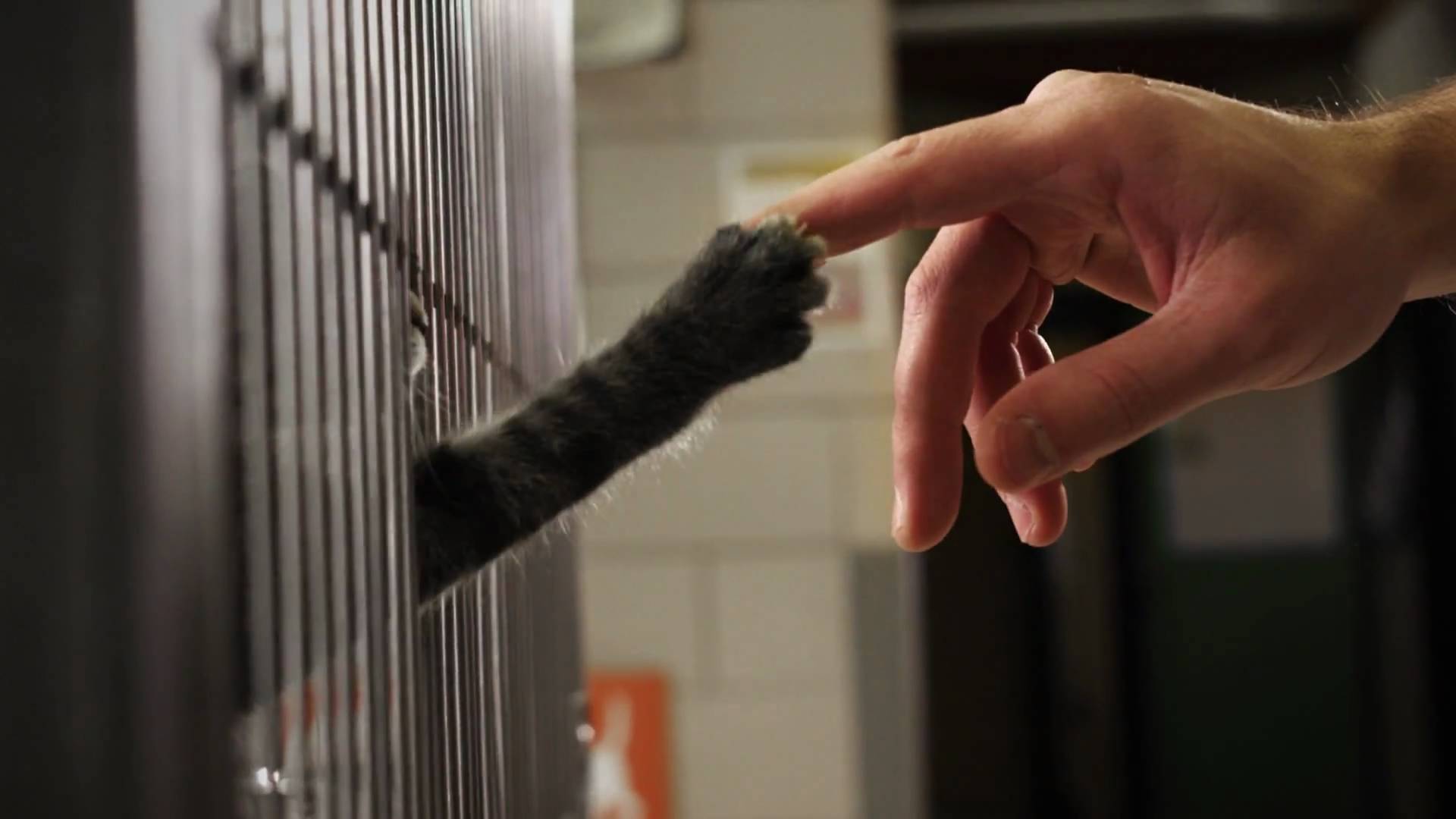
Cat seeks family

Lonely

Dog seeks forever home

Sad & Lonely

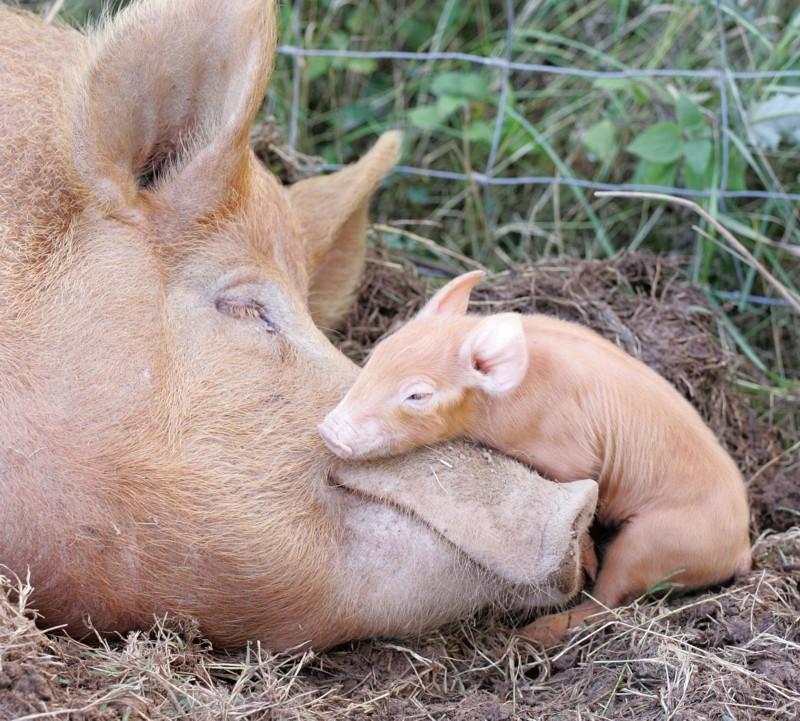
Family

Happy