
Their Turn - The Social Justice Movement of Our Time Their Turn - The Social Justice Movement of Our Time

8 Reasons Why Horse-Drawn Carriages Cannot Be Operated Humanely or Safely in NYC

January 5, 2015 by 8 comments


Opinion

Following are eight reasons why horse-drawn carriages cannot be operated humanely or safely in NYC. No amount of regulation or enforcement can fix these issues:

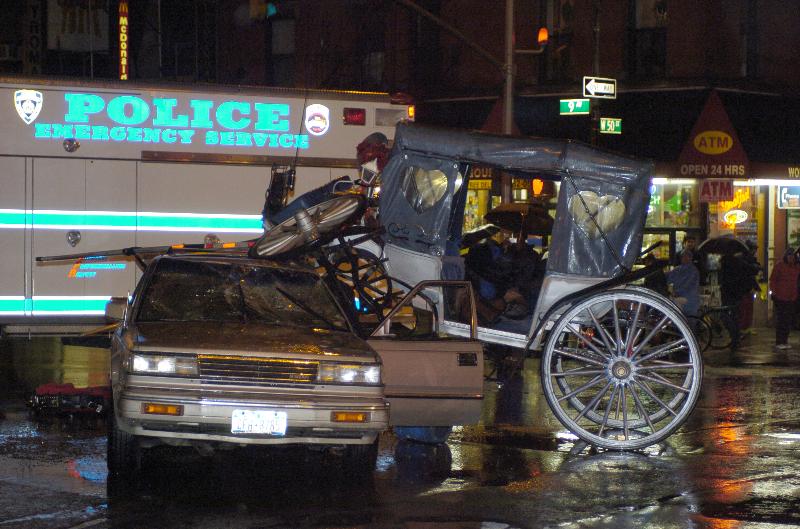
1. Horses spook: Horses are prey animals who can be spooked by sirens, potholes, barking dogs and many other stimuli. When spooked horses bolt down congested city streets, they become weapons. Many horse-drawn carriages crashes in NYC have been caused by spooked horses.
Spotty died after spooking and crashing into a car, sending 3 people to the hospital.

Spotty died after spooking and crashing into a car, sending 3 people to the hospital.

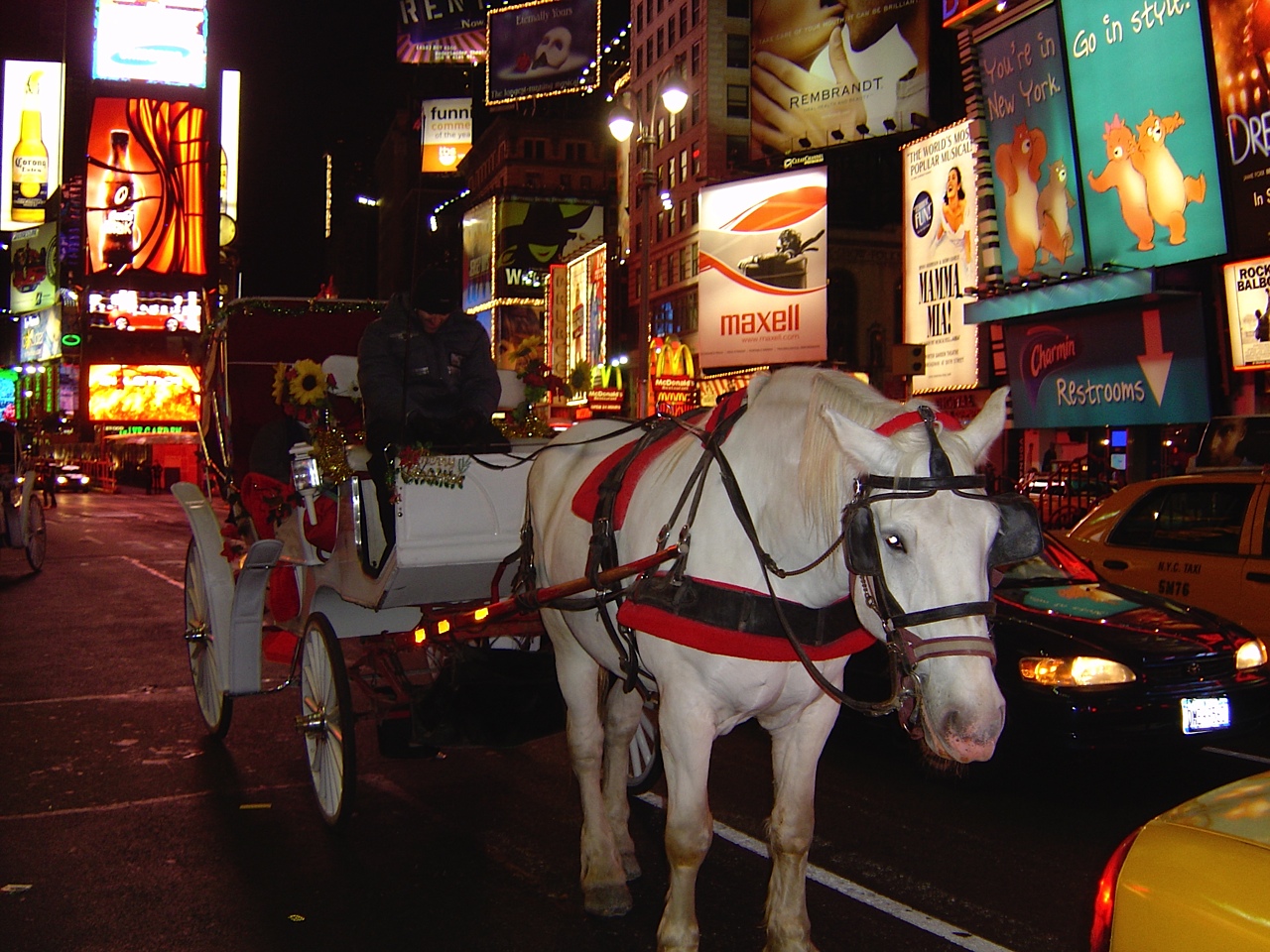
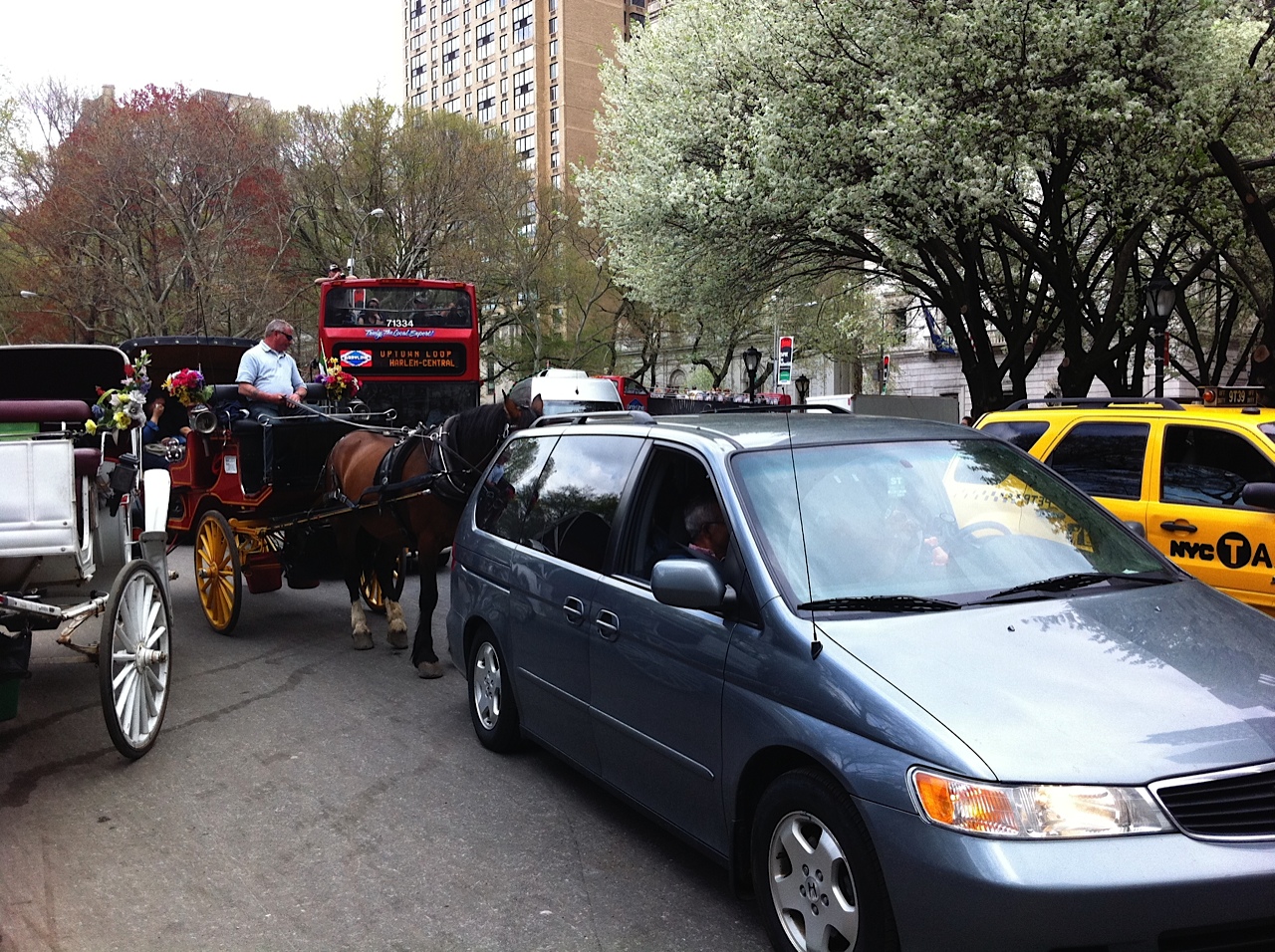
2. Urban environment: Horses are living animals, but, by forcing them to work in the streets with aggressive taxi drivers, tour buses and emergency vehicles, the carriage operators are treating them like motor vehicles. They simply do not belong in the busy streets of NYC.
Who does not belong in this picture?

Who does not belong in this picture?

3. No pastures: Horses are grazing animals, but NYC has no pasture where they can graze, run, roll and interact physically, as herd animals do. They are either confined between the shafts of their carriages, encumbered by equipment, or kept in stalls.
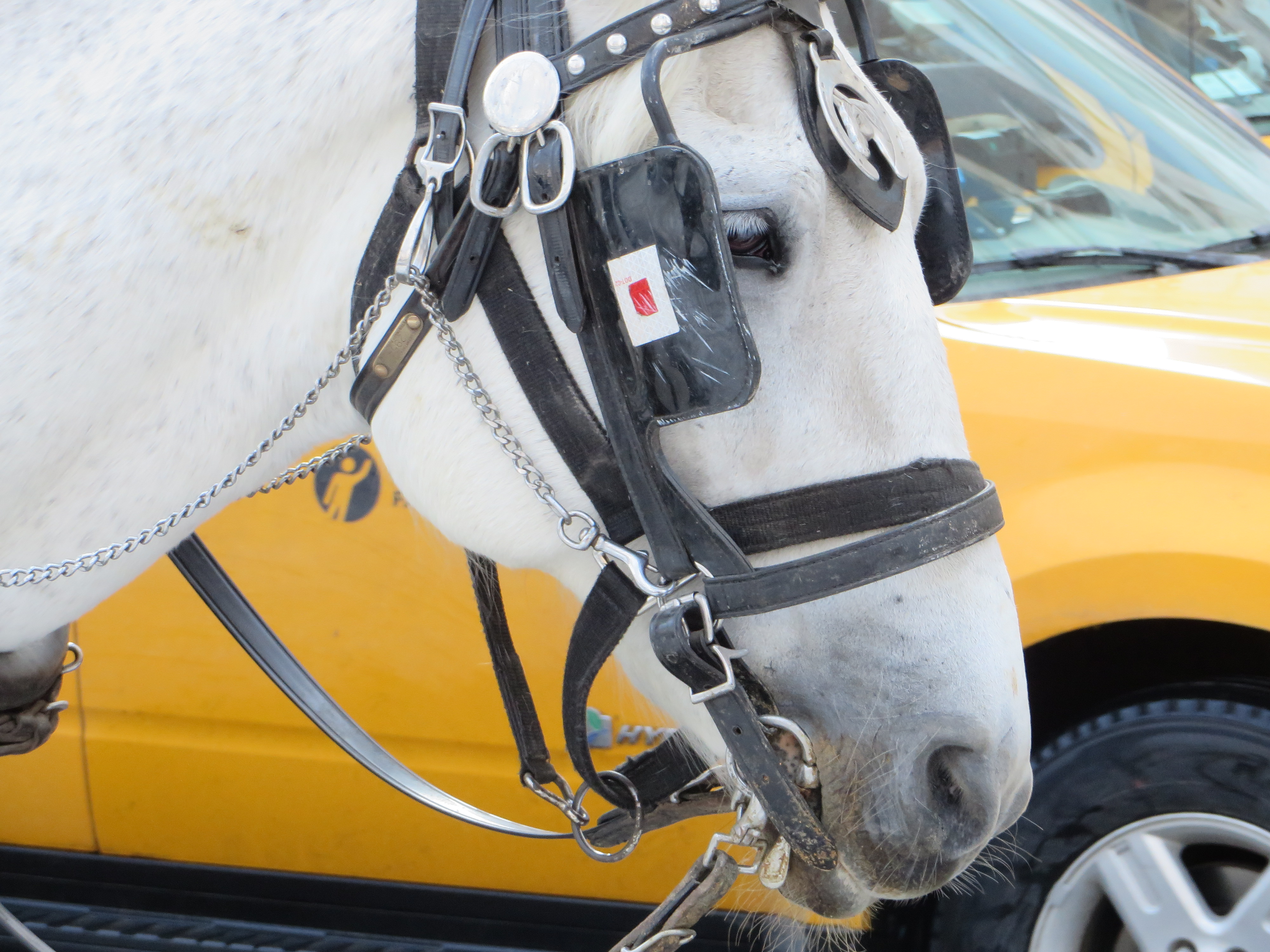
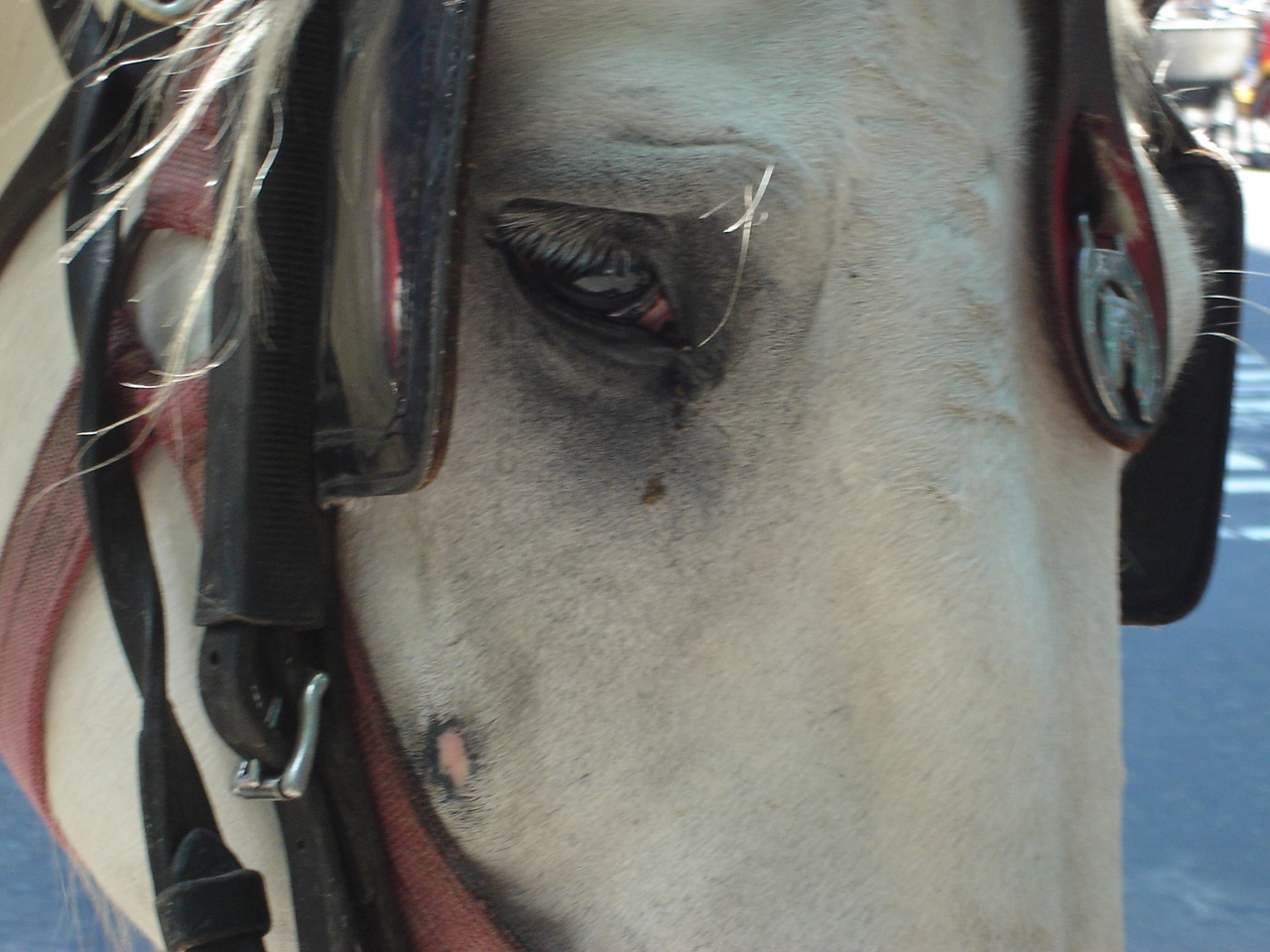
horse-blinders

In addition to blinders, which curb their vision, the horses eat with a cold metal bit in their mouths.

4. Housing: The horses are housed on the second and third floors of four stables on the far West Side of Manhattan. If a fire broke out in one of these buildings, where highly flammable hay is stored, the panicked horses would be unable to escape down the narrow ramps, even if someone opened their stalls one-by-one to let them out. In 2011, NYC’s Department of Health recommended that the City prohibit new stables from having stalls above the ground floor, but that change, if implemented, would have done nothing to help horses trapped in the current stables.
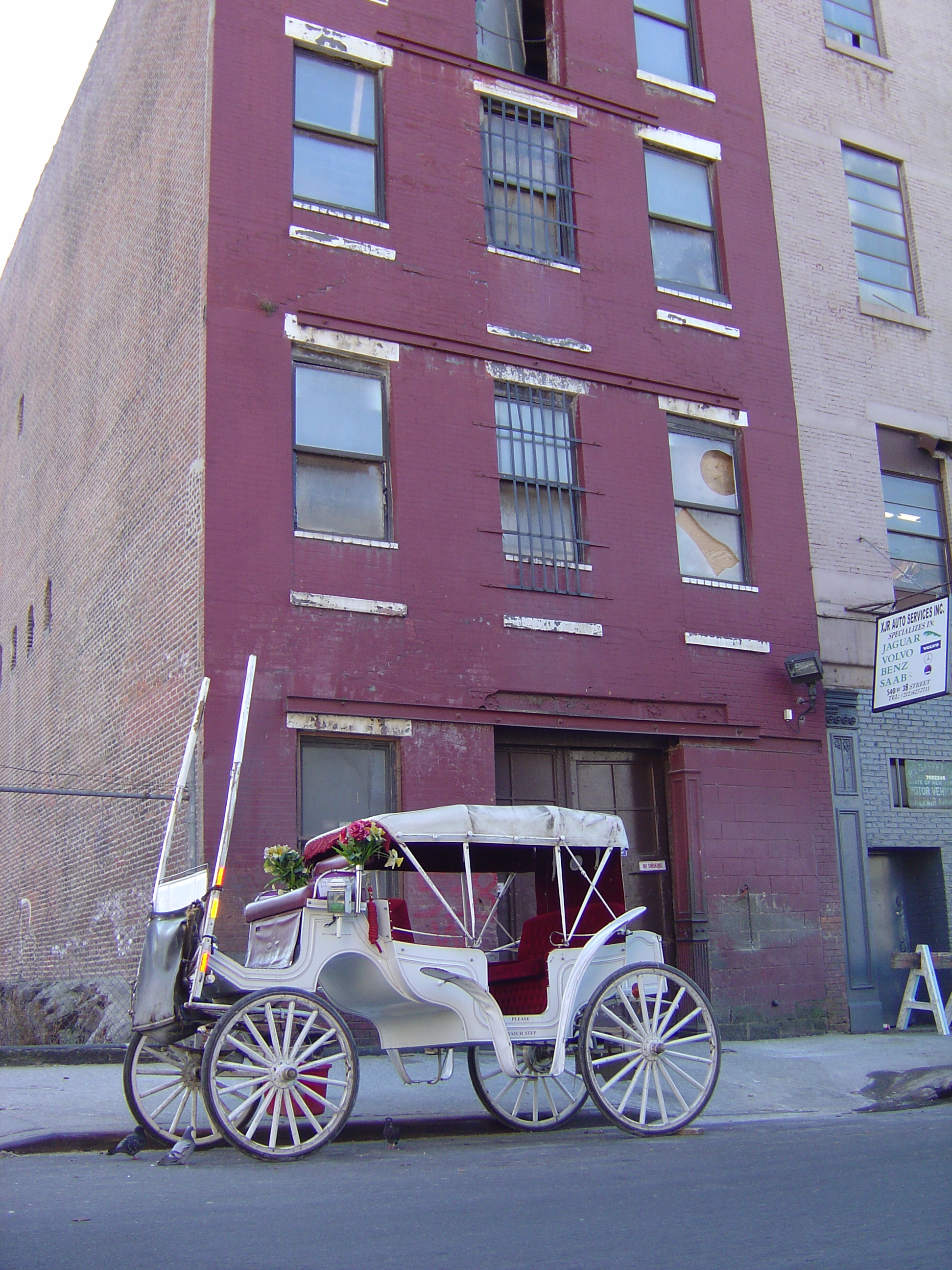
West side livery front

After working in the streets, the horses aren’t turned out into a pasture. They come to this and other stables in Hell’s Kitchen.

5. Car exhaust: Ingesting car exhaust can cause lung disease in horses who live a nose-to-tailpipe existence – even in Central Park, where cars are permitted at certain times of day.
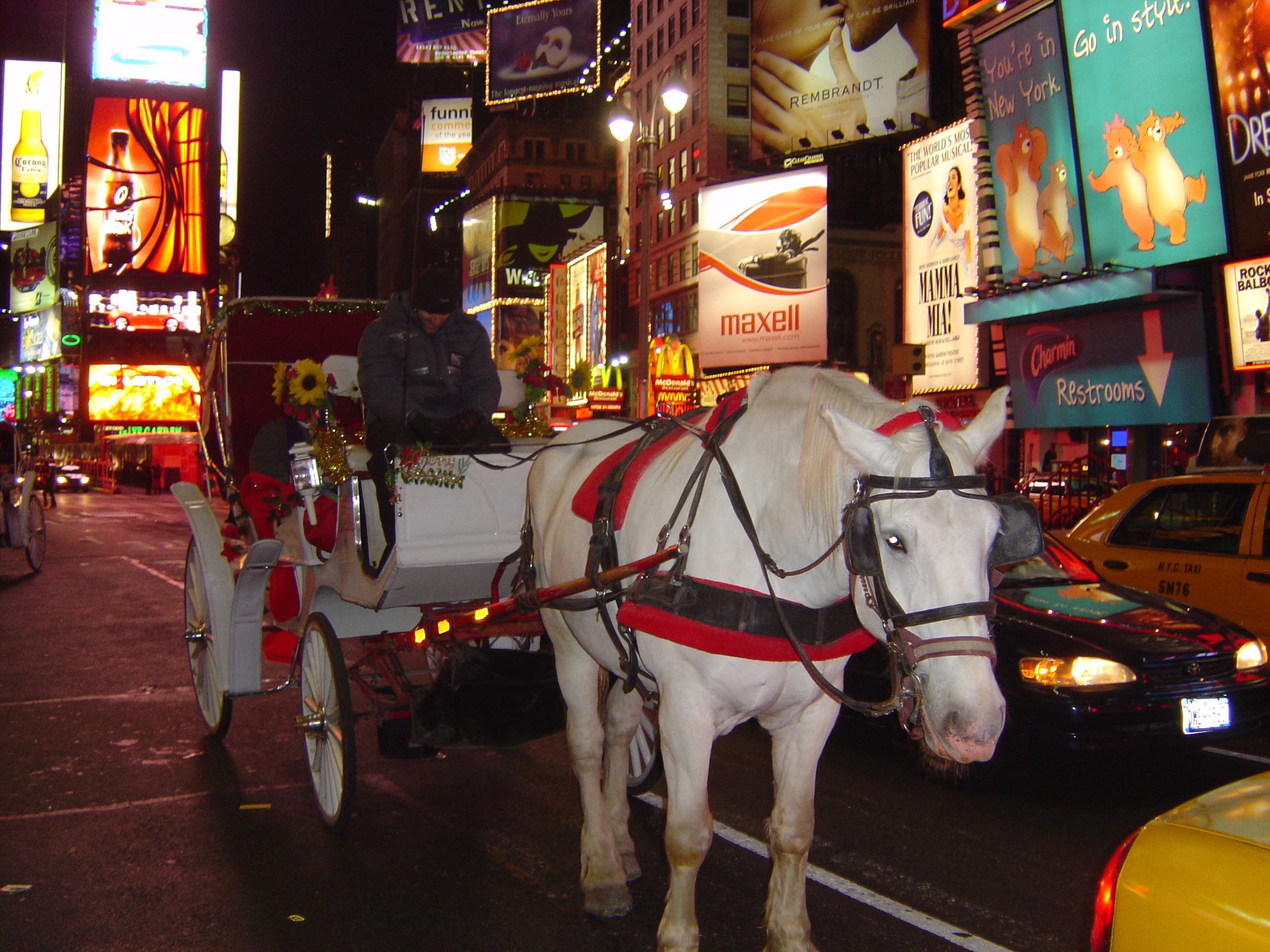
Nose-to-tailpipe for nine hours a day

Nose-to-tailipe for up to nine hours each day

6. Hard surfaces: Hard surfaces can cause concussive injury to horses’ legs and feet, which were designed to walk on soft surfaces.
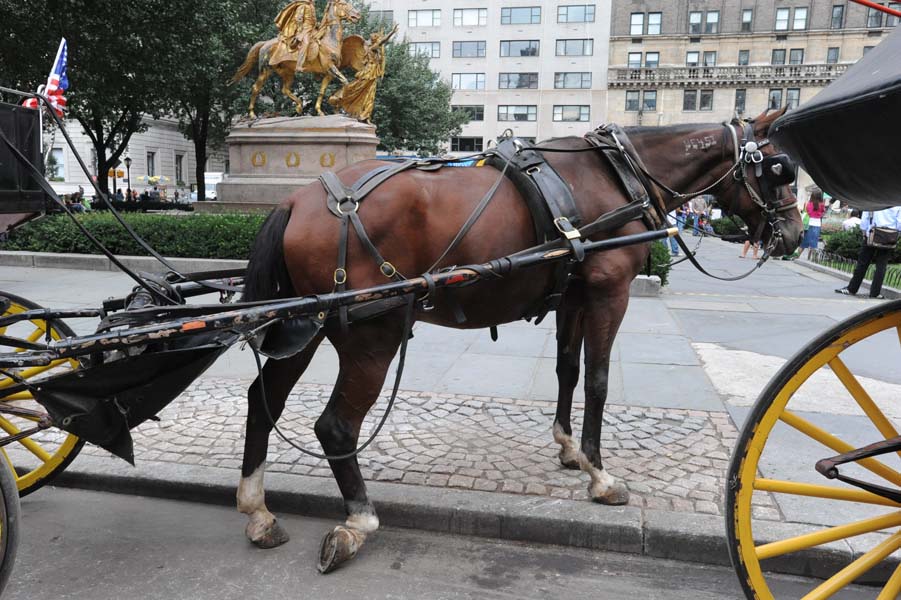
horse surface

Horses legs were designed to walk on soft surfaces, like grass or dirt.

7. Lack of shade: Most of the horses are stationed in Grand Army Plaza, which has no shade. During the hot summer months, they bake in the sun for hours at a time. Over the years, many carriage horses have collapsed and died from heat exhaustion.
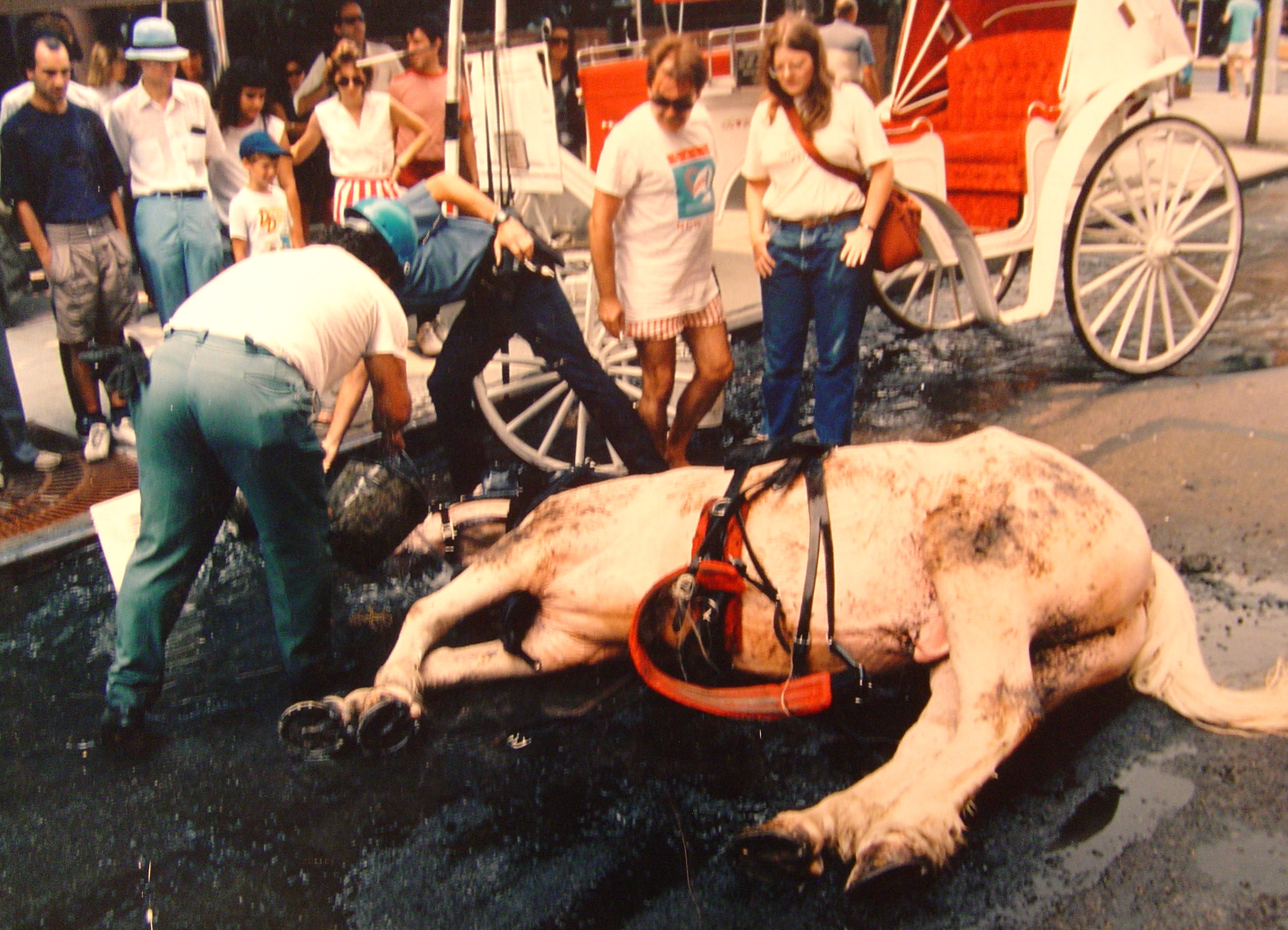
WHITEY

Carriage driver pours a bucket of water on a horse who collapsed from heat exhaustion.

8. Food & water: The horses’ feed is often contaminated with pigeon droppings, which is a violation of city code.  In addition, the horses are watered out of two communal basins, which is described by one expert as “a veterinary nightmare” because the horses can transmit diseases to each other and because humans use them as trash cans.
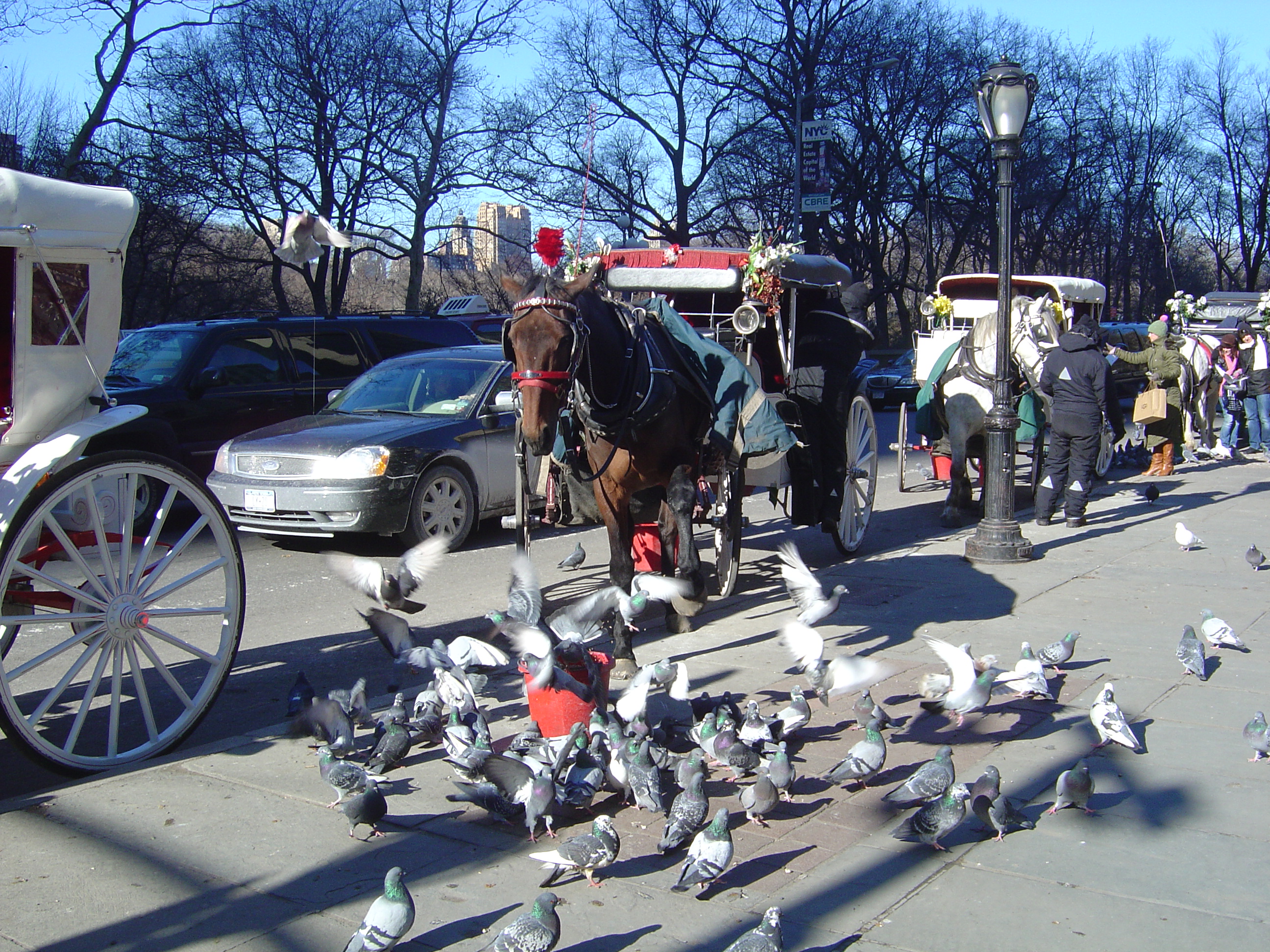
horse pigeon

Feeding horses with grains contaminated with pigeon feed violates city code, but who is going to enforce that?

The horses have no choice but to wear blinders, but elected officials, carriage operators and patrons intentionally turn a blind eye to the obvious cruelty out of political expedience and greed. History will assuredly judge those who fought to keep horse-drawn carriages in the congested streets of New York City.
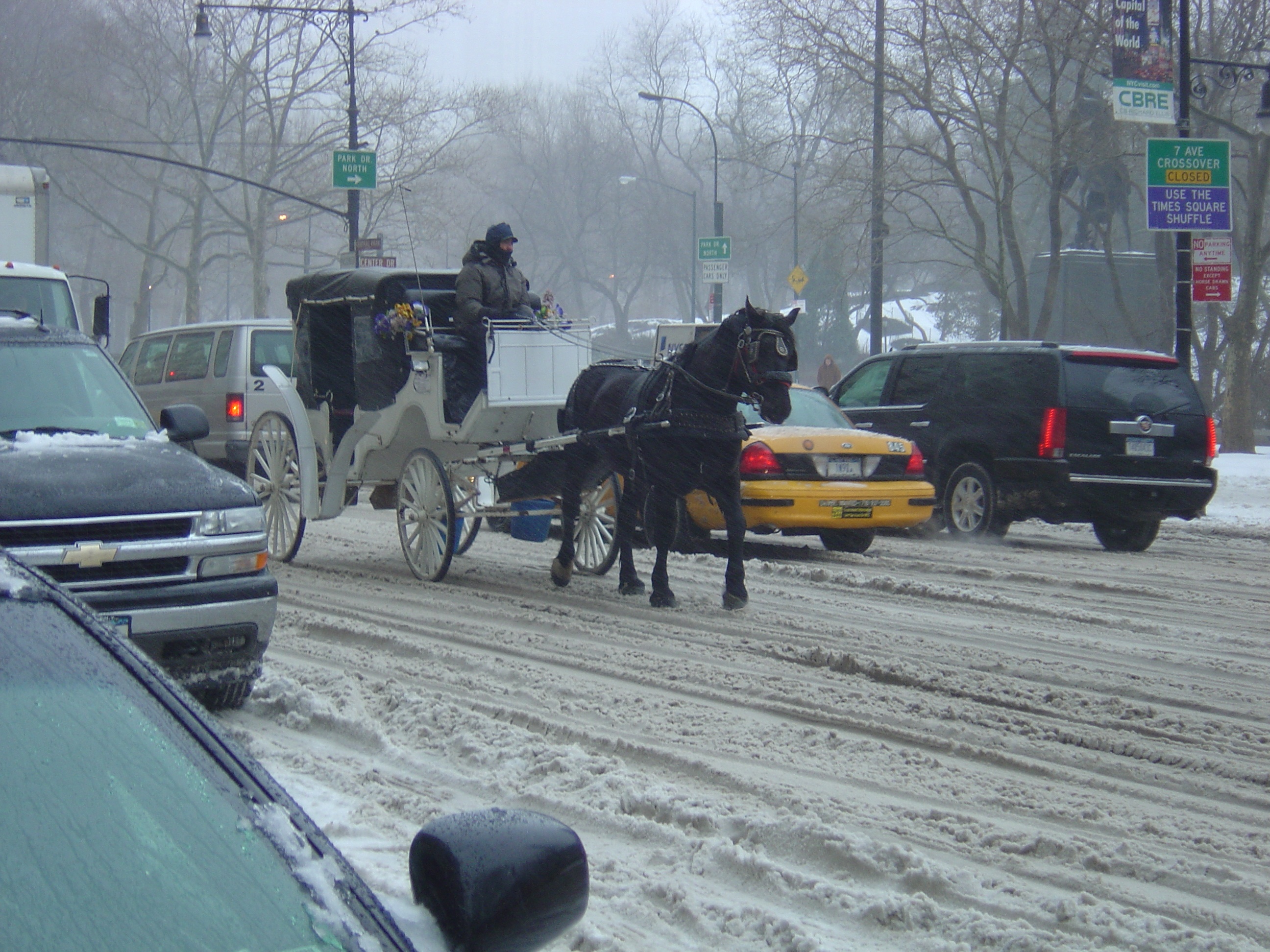
How can anyone think this is humane or safe?

How can anyone think this is humane or safe?

Your Turn

1. If you live in NYC, please join NY-CLASS in its efforts to rally support among lawmakers for the Mayor’s bill to ban horse-drawn carriages. If you live elsewhere, please sign their petition.

2. To learn more about the issue and keep apprised of news, subscribe to the weekly newsletter of the Coalition to Ban Horse-Drawn Carriages.

3. Watch the award-winning documentary film BLINDERS to see why people have been fighting for years to take the horses out of NYC:
In World’s Foie Gras Capital, the “Delicacy of Despair” is Coming Under Fire

December 31, 2014 by 9 comments


The News

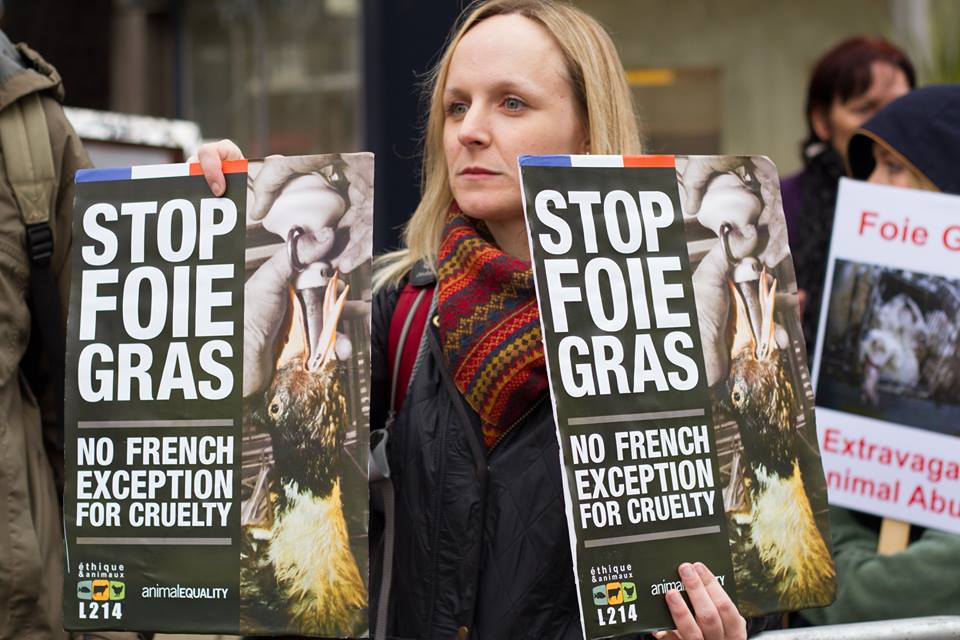
Eighty percent of the world’s foie gras is produced in France, where it is protected by law as part of the country’s “cultural and gastronomical heritage.” But even in France, where it is regarded by many as a food group, the delicacy of despair is coming under fire.

Photo: L214

In the past several weeks, three incidents have compromised foie gras’ once esteemed place in French society.

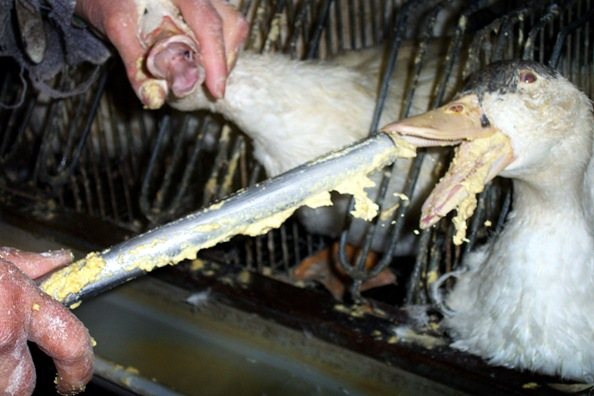
1. A poll taken in France shows increased opposition to foie gras.  In December, 47% of those surveyed said they would support a ban –  a 3% increase from 2013. In addition, 77% said they would prefer foie gras that was not made through gavage, French for force feeding. (Foie gras is produced by force feeding ducks and geese through metal pipes until their livers become diseased, swelling up to ten times their normal size. The pipes are inserted 12″ down their gullets three times daily in the weeks leading up to slaughter.)

"No. Not again."

Gavage (force feeding)

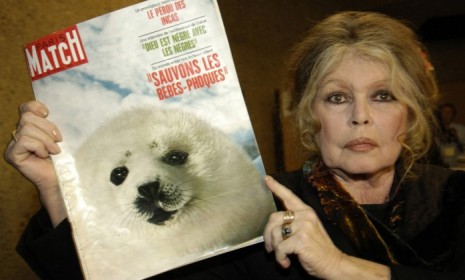
2. Legendary actress Brigrette Bardot filed a formal appeal with the EU Commission to ban the production of foie gras. In an open letter to the  Health Commissioner, she argued that, because many EU countries have already outlawed force feeding, the EU Commission should “harmonize laws against this cruel and barbaric practice” by banning it in all member countries. After all, she says, force feeding “goes against European values of promoting animal welfare.”

Photo: Corbis

Photo: Corbis

3. British celebrity chef Heston Blumenthal dropped his foie gras supplier in France after The Daily Mirror released footage of dead and injured ducks that a veterinarian described as a “representation of hell.” A spokesman for his restaurant, which is ironically named Fat Duck, said, “We were shocked at the video and the conditions in which the ducks were apparently being kept.” Fat Duck is currently closed for renovations, but the menu on its website does not contain foie gras.

Chef Heston Blumenthal at Fat Duck in the U.K. (photo: BEN STANSALL/AFP/Getty Images)

Chef Heston Blumenthal at Fat Duck in the U.K. (photo: BEN STANSALL/AFP/Getty Images)

The movement to ban foie gras is still young, but significant progress has made. In 2004, California banned the production and sale of foie gras. The law went into effect in 2012. In October, 2014, the U.S. Supreme Court dismissed a challenge to the California law, sending a strong message to other states that they can, as California Attorney General stated, pass laws that “prohibit the sale of products based on concerns about animal welfare.”

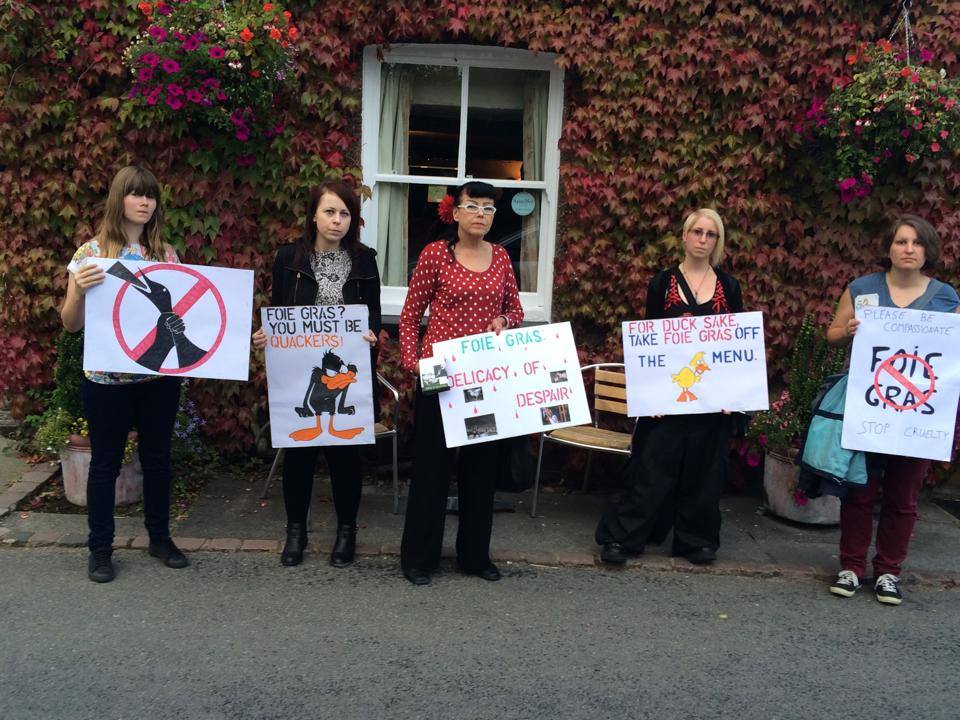
In the U.K., foie gras production is illegal, and activist groups are advocating to end the sale. Since August, Hertfordshire Animal Rights has stopped the sale of foie gras at least six restaurants.

Hertfordshire Animal Rights

Hertfordshire Animal Rights

Israel, India and Argentina have imposed restrictions on the production, sale and/or importation of foie gras.

After France, the world’s largest producers of foie gras are Hungary (8%) and Bulgaria (6%). The U.S. produces just over 1% of the world’s supply.

As the public is increasingly exposed to the cruelty of foie gras production, “tradition” will become a much weaker justification. After all, if Barcelona can ban bullfighting, then France can – and eventually will – ban force feeding.

Your Turn

Please share this story to educate others about the cruelty of foie gras, and please sign the petition to ban the production and importation of foie gras in the EU.

If you have never seen force-feeding, please watch this video created by Last Chance for Animals.

https://youtu.be/0_PFQjVqMYE


3 Reasons Why Farm Sanctuaries Are Vital to the Animal Rights Movement

December 28, 2014 by 5 comments


Opinion

Farm animal sanctuaries are vital to the animal rights movement. Following are three reasons why:

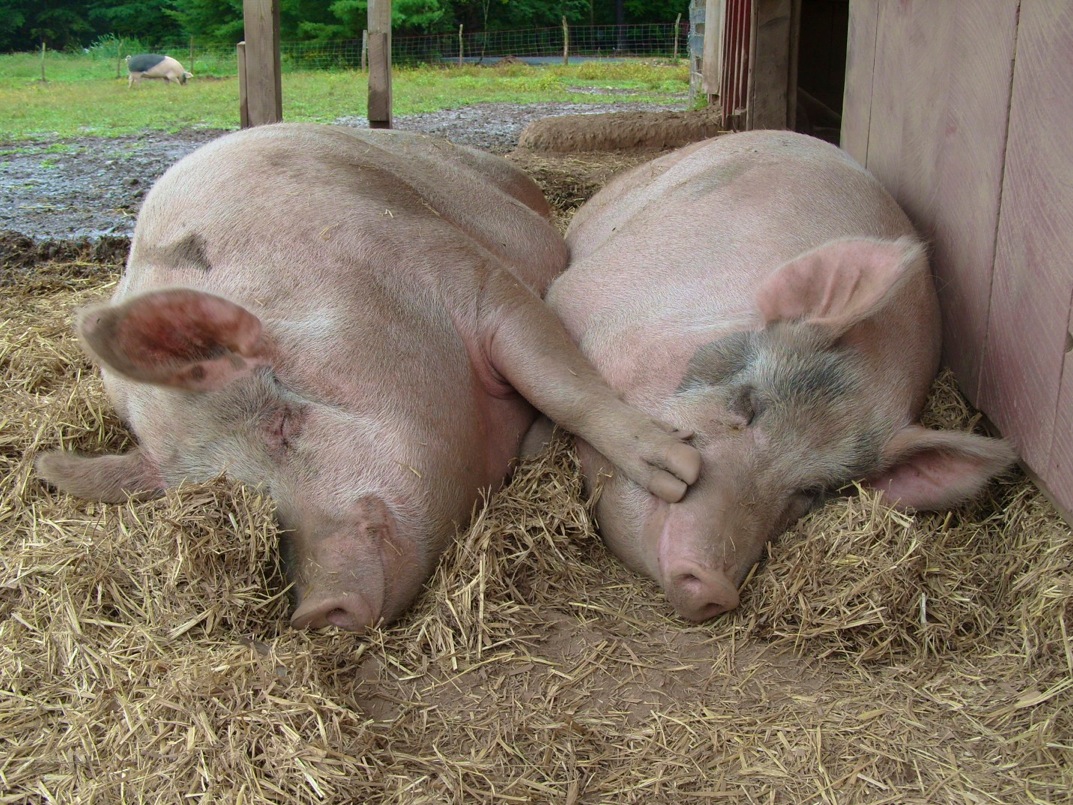
1. Sanctuaries give life to to thousands of chickens, cows, pigs, horses and other farm animals who knew nothing but neglect, deprivation, abuse, mutilation and confinement.

Photo: Woodstock Farm Animal Sanctuary

Photo: Woodstock Farm Animal Sanctuary

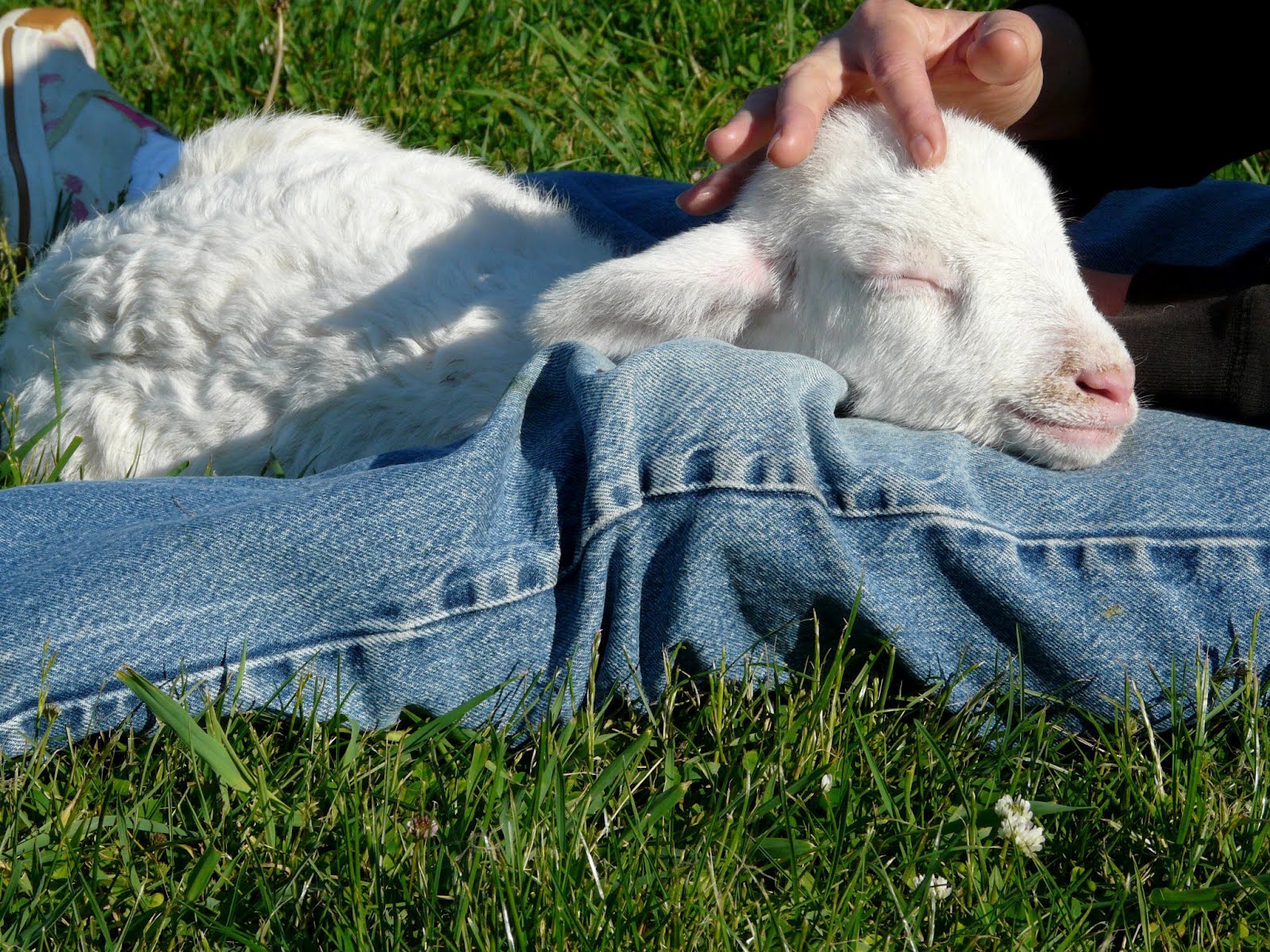
2. Farm sanctuaries enable people who eat and wear animals to bond with them, which can – and does -influence many to leave animals off their plates and out of their closets.

Photo: Woodstock Farm Animal Sanctuary

Photo: Woodstock Farm Animal Sanctuary

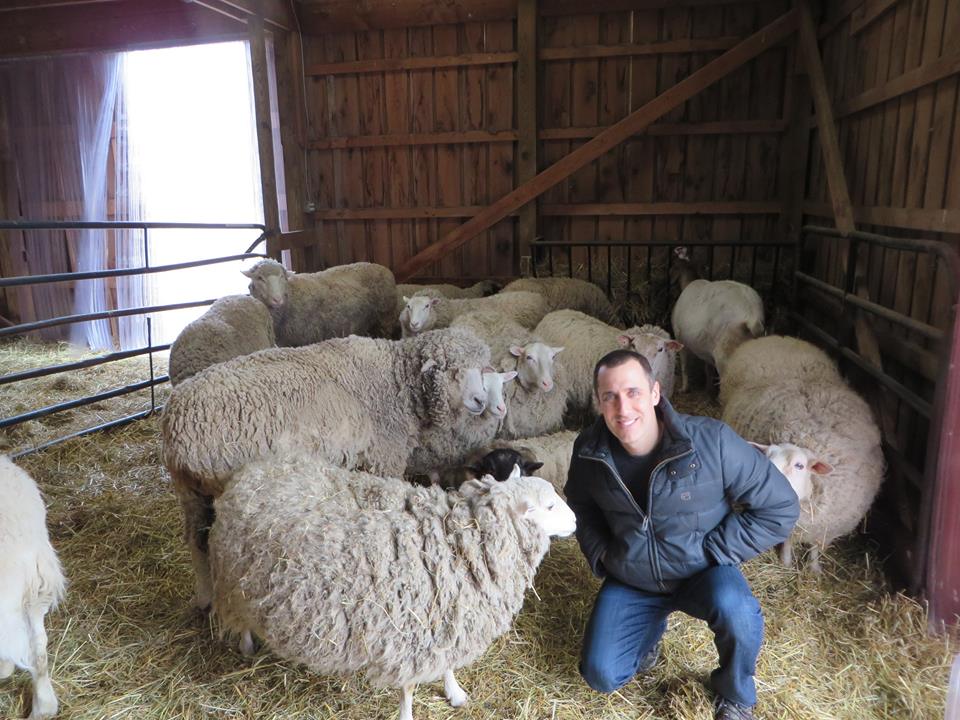
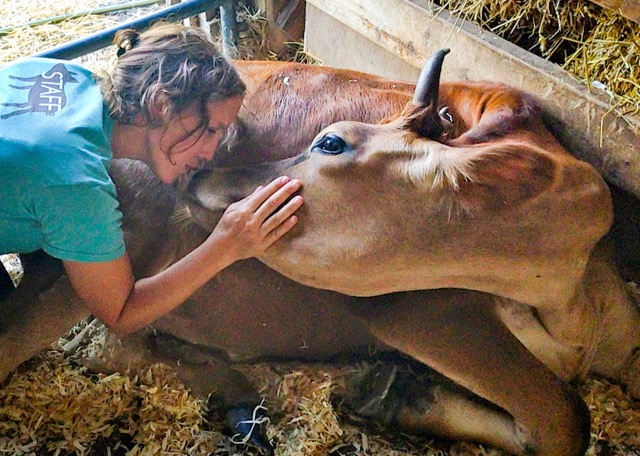
Jenny Brown and Doug Abel, the co-founders of Woodstock Farm Animal Sanctuary in upstate New York, have shared the stories of many of the animals to whom given refuge. Today, we meet – and fall in love with – Fawn. Her moving story is helping to expose and educate those who have not yet made the connection between individual animals and the food on their plates.

3. Farm sanctuaries serve as a “recharging station” for activists who work to protect them through vegan outreach, protests, lobbying and other forms of advocacy.

TheirTurn visits Woodstock Farm Animal Sanctuary

TheirTurn’s Donny Moss visits Woodstock Farm Animal Sanctuary


Your Turn

Please learn more about the life-saving work of Woodstock Farm Animal Sanctuary and consider making an end-of-year contribution. All donations made before January 1st will be doubled by Woodstock benefactors.

Jenny and Fawn cow

Woodstock’s Jenny Brown with Fawn


If Animals Could Talk

December 24, 2014 by 6 comments


Opinion

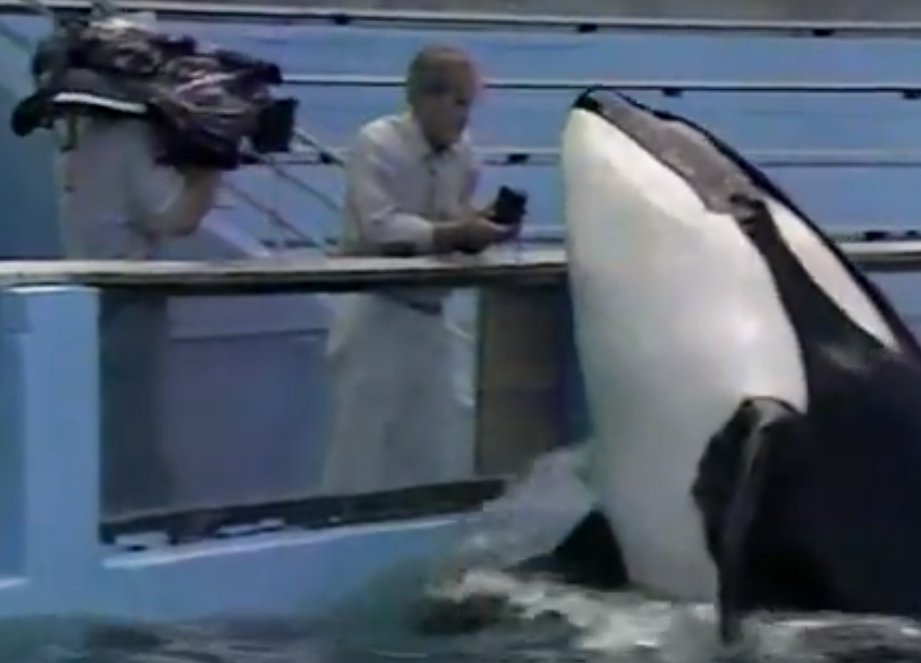
In 1996, whale biologist Ken Balcomb of the Center for Whale Research played an audio recording of Lolita’s pod next to her pool at the Miami Seaquarium, where she has been held captive since being kidnapped in 1970. When Lolita heard the vocalizations, she rose out of the water to get closer to the sounds that she appeared to recognize.

Lolita listens to vocalizations of her pod.

Lolita listens to vocalizations of her pod.

Like Lolita, all animals communicate with each other, but they can’t speak human languages. If they could, what would they say to the people have robbed them of everything that makes life worth living?

"Please send me home to Africa."

“I’m a wild animal. Please send me home to Africa.”

"Please don't grind me. I'm just a baby."

“Don’t grind me. I’m just a baby.”

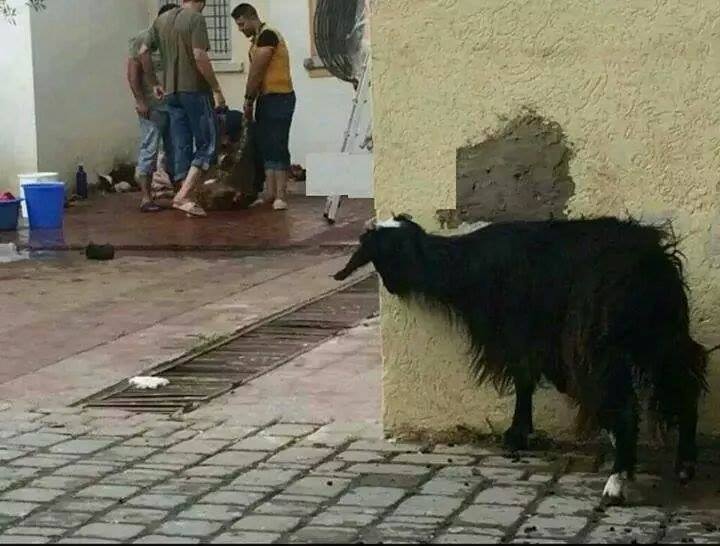
"Please don't shoot me."

“Have mercy on me. I am innocent”

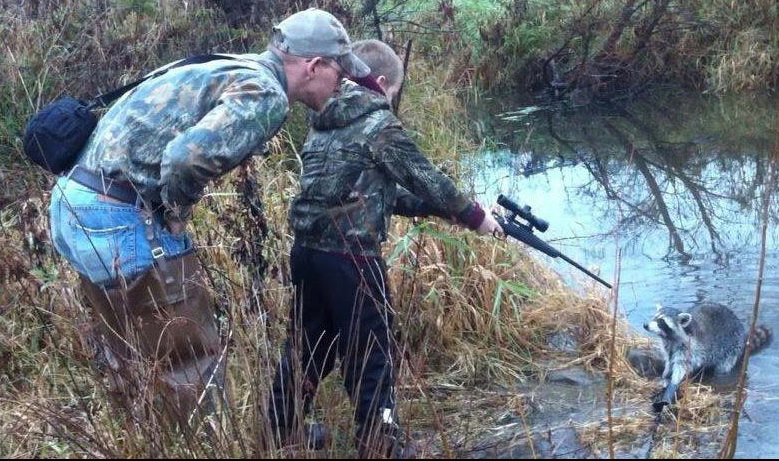
"What are you doing to my friend?"

“What are you doing to my friend?”

"I am in agony. Somebody help me."

“I am in agony. Somebody help me.”

"Take these blinders off of me and get me off the street."

“Take these blinders off of me and look into my eyes.”

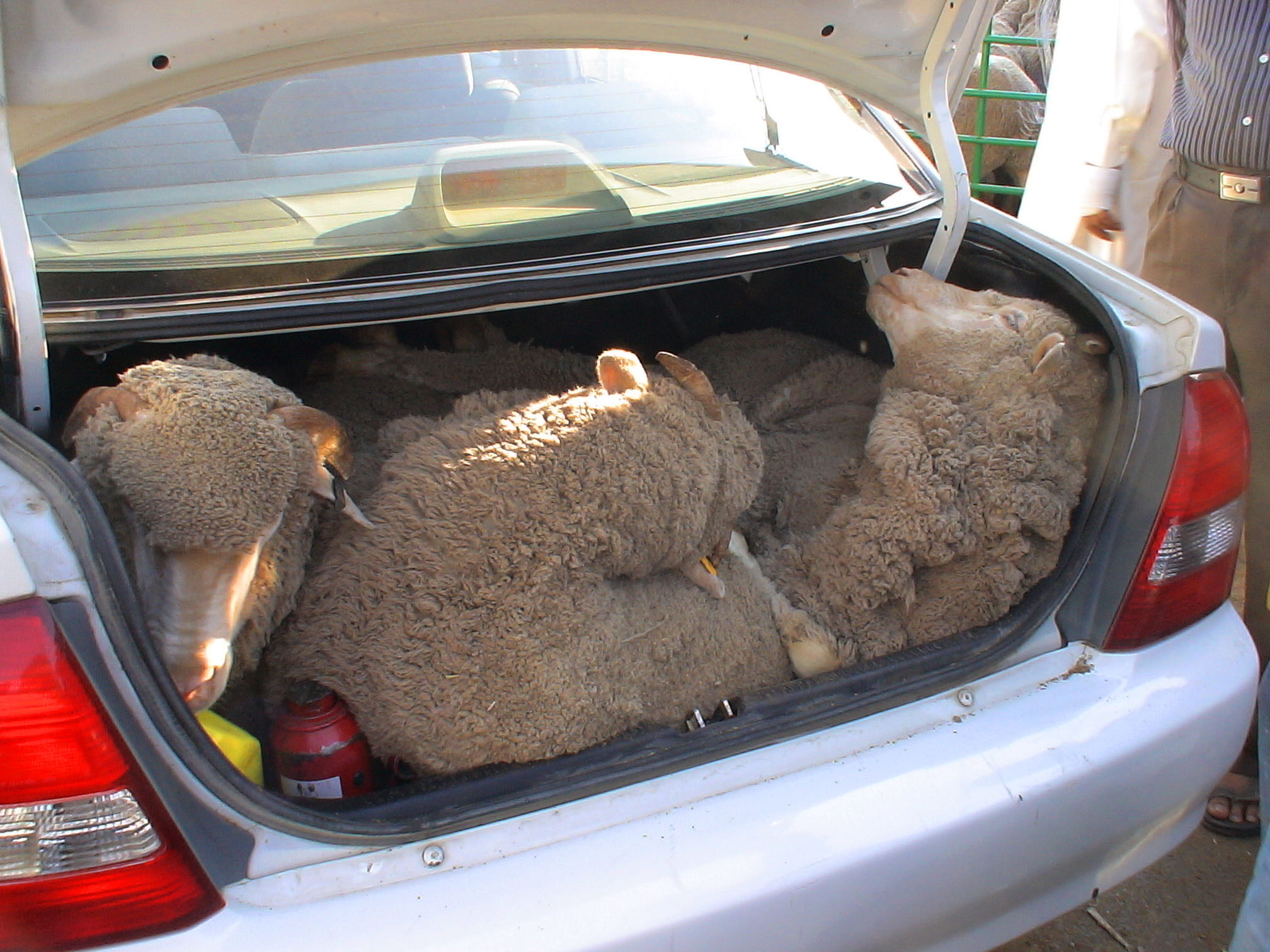
"We are not luggage. Please get us out of here."

“We can’t breathe in here.” (photo: Animals Australia)

"Please take me home. I don't belong in a pool."

“Please take me home to my family. I don’t belong in a pool.”

"Get me out of this concrete pit. I'm lonely; I'm bored, and I don't belong here."

“I don’t belong in a concrete pit.”

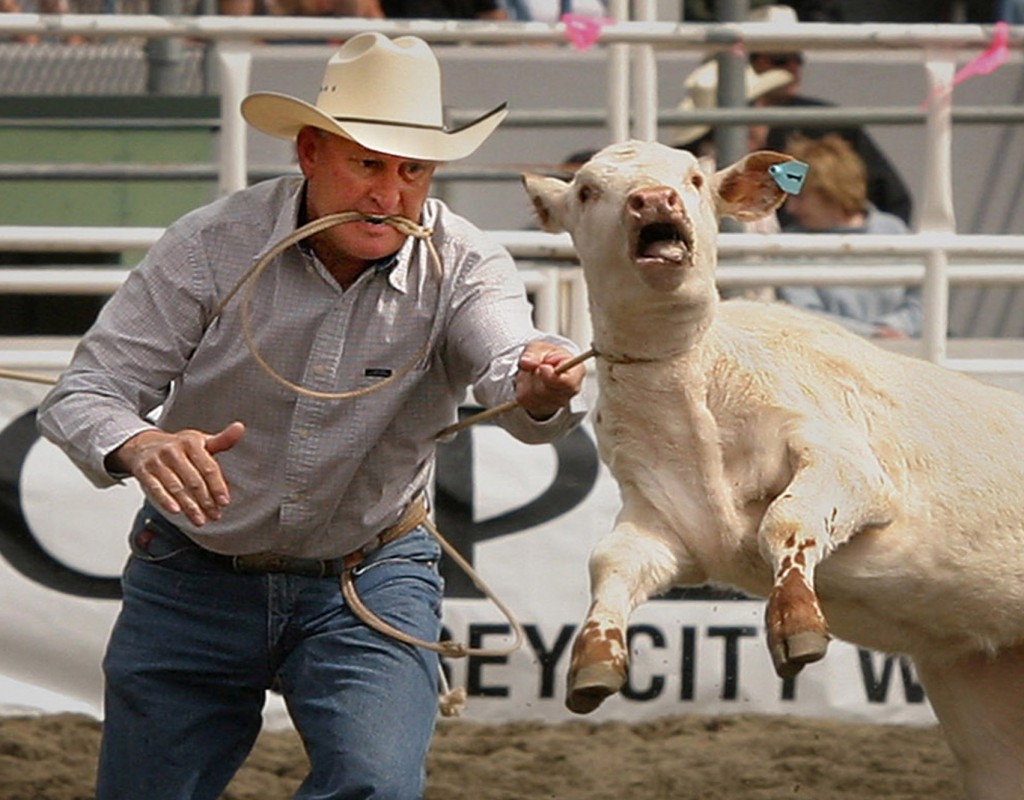
"Please don't rope me. I haven't done anything wrong." (photo: SHARK)

“Please don’t attack me. I haven’t done anything wrong.” (photo: SHARK)

"Somebody help me. Steel blades are tearing apart my leg."

“Somebody help me! This steel trap is tearing apart my leg.”

"Please tell the others to get me out of this zoo. I am not an exhibit."

“Please tell the others to get me out of this zoo. I am not an exhibit.”

"Are you really skinning me alive?"

“Are you really skinning me alive?”

"You're choking me!"

“You’re choking me!”

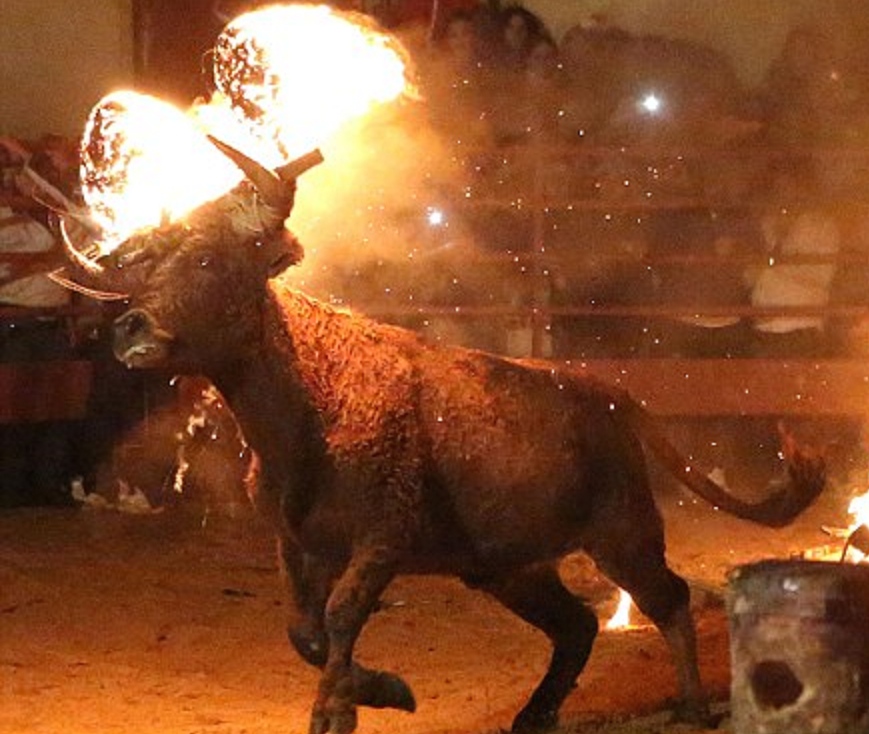
"Why did you set me on fire? Put it out!"

“How can you set me on fire? Put it out!”

gestation crates

“I am going insane in this cage.”

"I saw what you did to the others. Please don't kill me."

“I saw what you did to the others. Please don’t kill me.”

"No. Not again."

“It hurts when you insert a metal pipe down my throat to force feed me.”

Photo: PETA

“I belong in a forest in Asia with my family, not in a box car.” (photo: PETA)

"Haven't you stabbed me enough already?"

“Haven’t you stabbed me enough already?”

"I am not a TV stand."

“I am not a TV stand.”

Do I look like I belong here?

“Do I look like I belong here?”

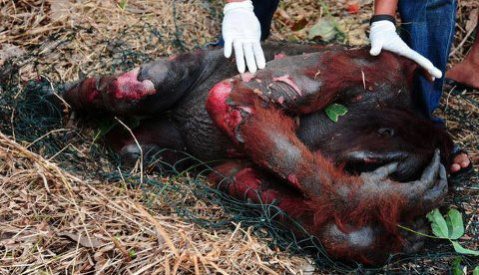
"You've taken everything from us for your palm oil."

“You’ve taken everything from us for your palm oil.”

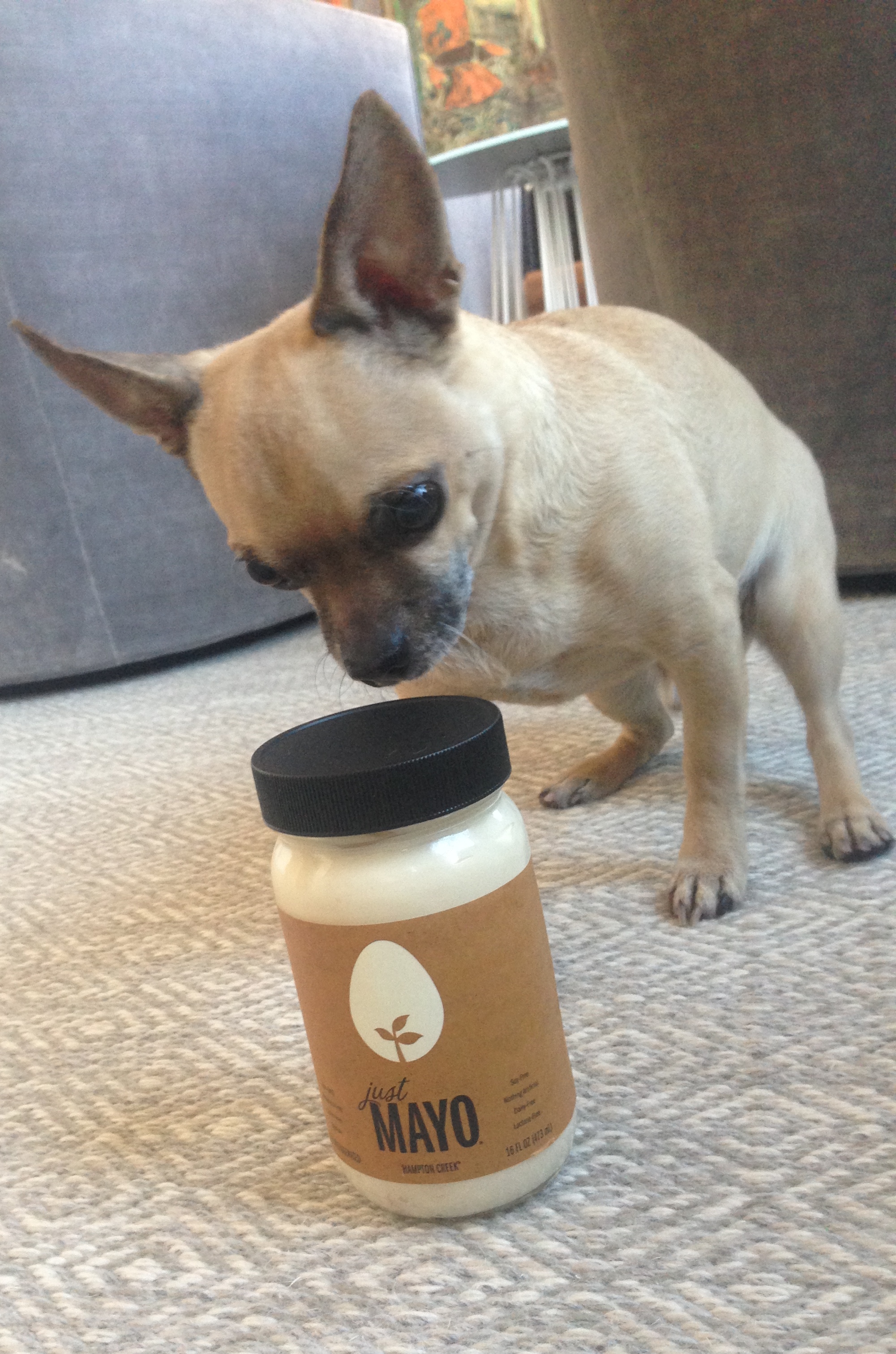
"Relax, Max. It's Just Mayo."

“How do I open this thing?”


Outrage Over Dog Leather Opens Door to Discussion about Cow Skin Products

December 23, 2014 by 19 comments


Opinion

In mid-December, PETA Asia released undercover footage of workers in China bludgeoning dogs with sticks and peeling off their skin in order to make gloves, belts and other accessories.

Media reports suggest that people around the world are outraged by the violence against the dogs, as they should be. But the dog skin trade is no more abusive than the cow skin trade.

cow leather

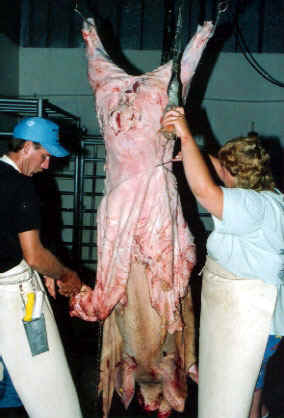
During their treacherous lives on factory farms and in feedlots, cows are branded, castrated and dehorned with no painkillers. Shouldn’t we be equally outraged by these abuses? And, if so, then how can we justify buying cow leather?

Some people argue that dogs deserve a free pass because they’re companion animals. Even if that could be used as a justification, it’s inaccurate. In China, dogs are food. Their skin is another source of revenue, much like cow skin in Western countries.

Dog skin gloves

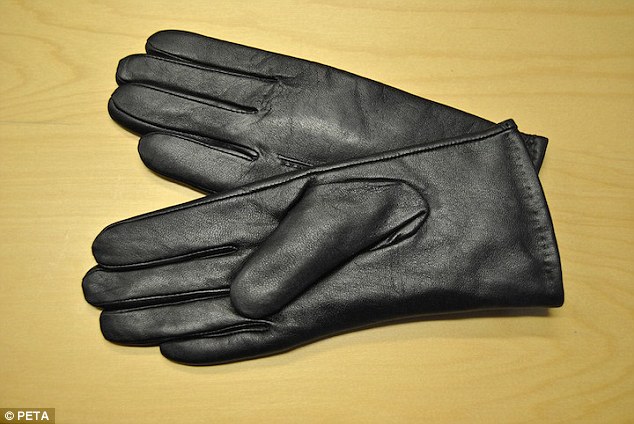
Dog skin gloves are sold as “leather” in the U.S.

Skin belongs to the animal who was born with it, not to people who want to make things out of it. Suggesting that one animal deserves to keep her skin more than another is arbitrary. With all of the non-animal alternatives available to us, we simply cannot justify stealing anyone’s skin.