
Their Turn - The Social Justice Movement of Our Time Their Turn - The Social Justice Movement of Our Time

Using Bodies of The Deceased to Advocate for The Living

May 30, 2015 by 12 comments


The News

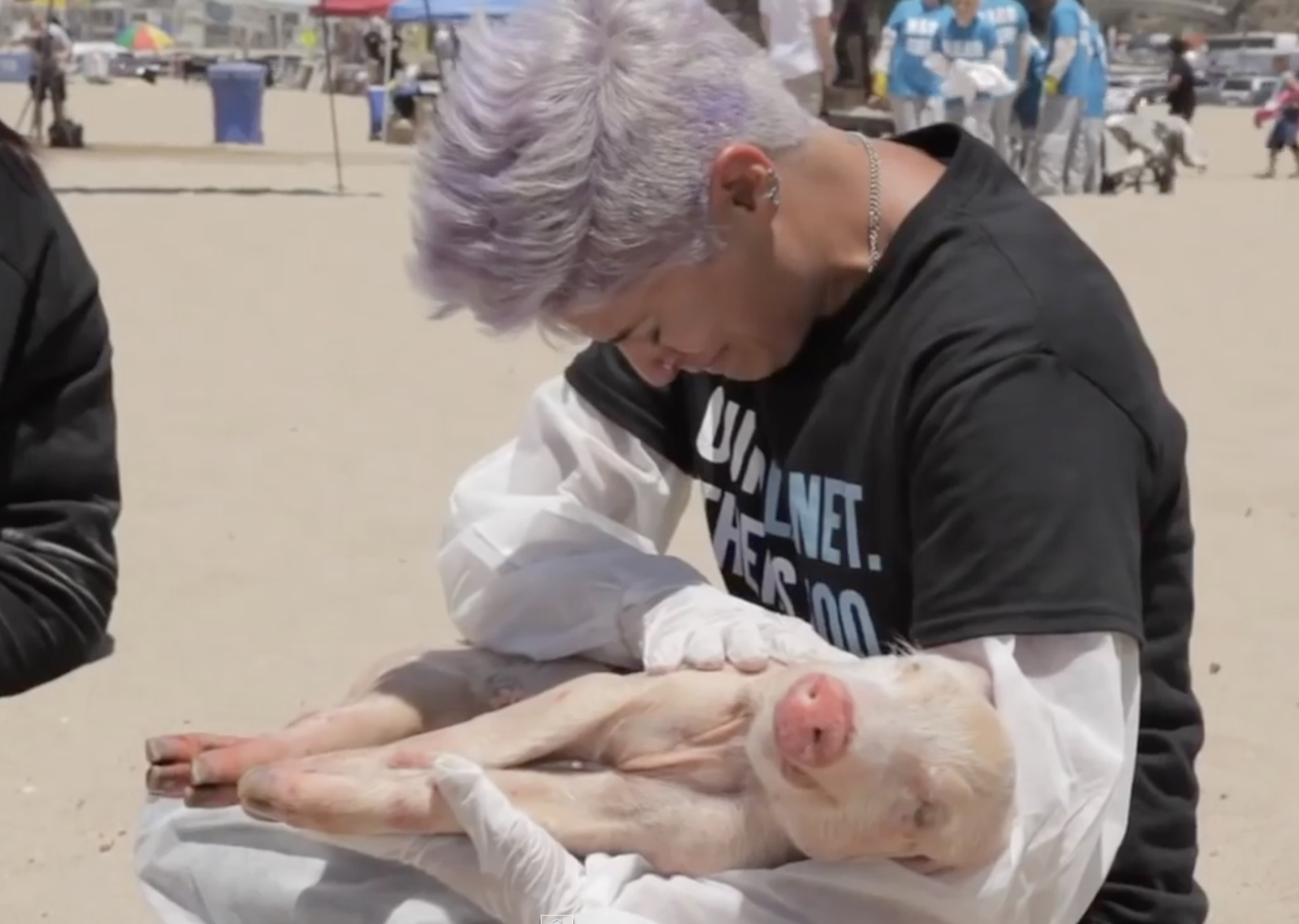
On a trip to Spain in 2010, Aylam Orian, an actor and filmmaker from Los Angeles, stumbled upon a public spectacle that would change his life forever — a ceremony in which dozens of animal rights activists displayed the bodies of dead animals to help observers make the connection between the animals they were seeing and the food on their plates. It was an event so provocative and impactful that it inspired Mr. Orian to replicate it in the United States.
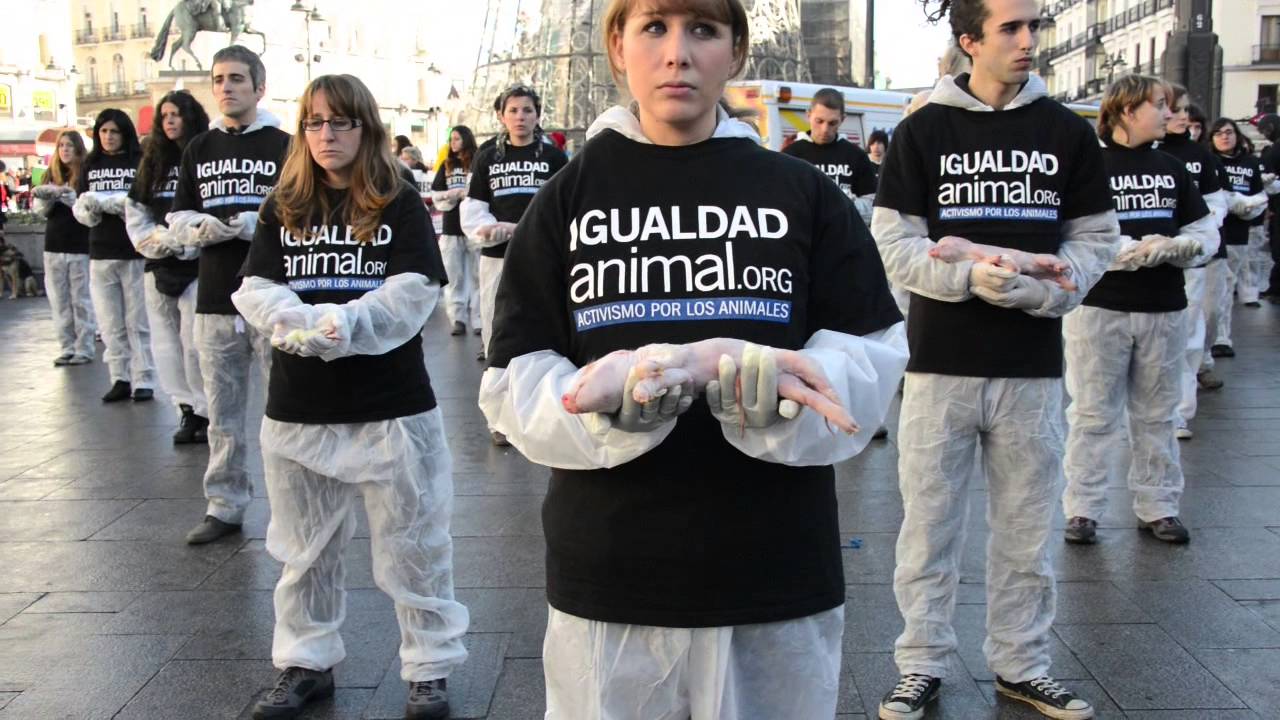
animal-rights-ceremony-spain

Igualdad Animal (Animal Equality) stages animal rights rally in Spain
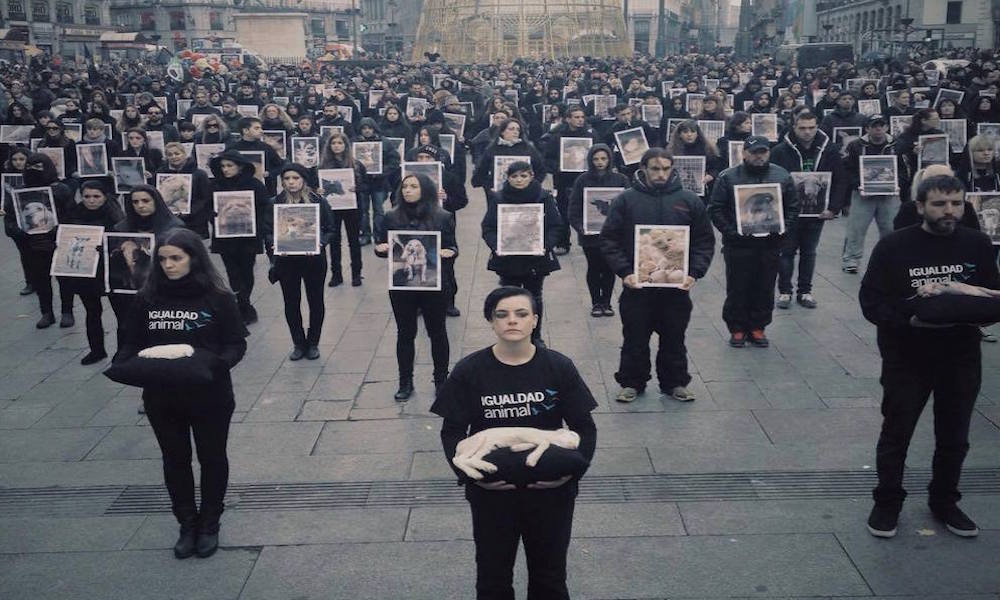
Animal Rights rally in Spain

Animal rights rally in Spain

Five years later, Mr. Orian is, with the help of dozens of volunteers, producing the fifth National Animal Rights Day (NARD), with rallies in eight cities in the U.S. and Canada that are expected to attract over 1,000 participants.
2014 National Animal Rights Day

2014 National Animal Rights Day in Los Angeles

The use of animals’ bodies has its critics, but Mr. Orian asserts that the tactic helps observers connect the dots: “Most people never see farm animals in their lives; they only see their body parts on their plates. When we show them what these animals look like in the flesh, cradled in our arms like you would cradle a baby or a beloved pet, they feel something. Many stop to ask questions, and that gives us a chance to inspire them to change their lifestyle.”

National Animal Rights Day ceremony observers

National Animal Rights Day ceremony observers (photo: John Hays)

2013 National Animal Rights Day ceremony in Los Angeles (photo: Sarah Jane Hardt]

National Animal Rights Day Founder Aylam Orian in 2013 (photo: Sarah Jane Hardt]
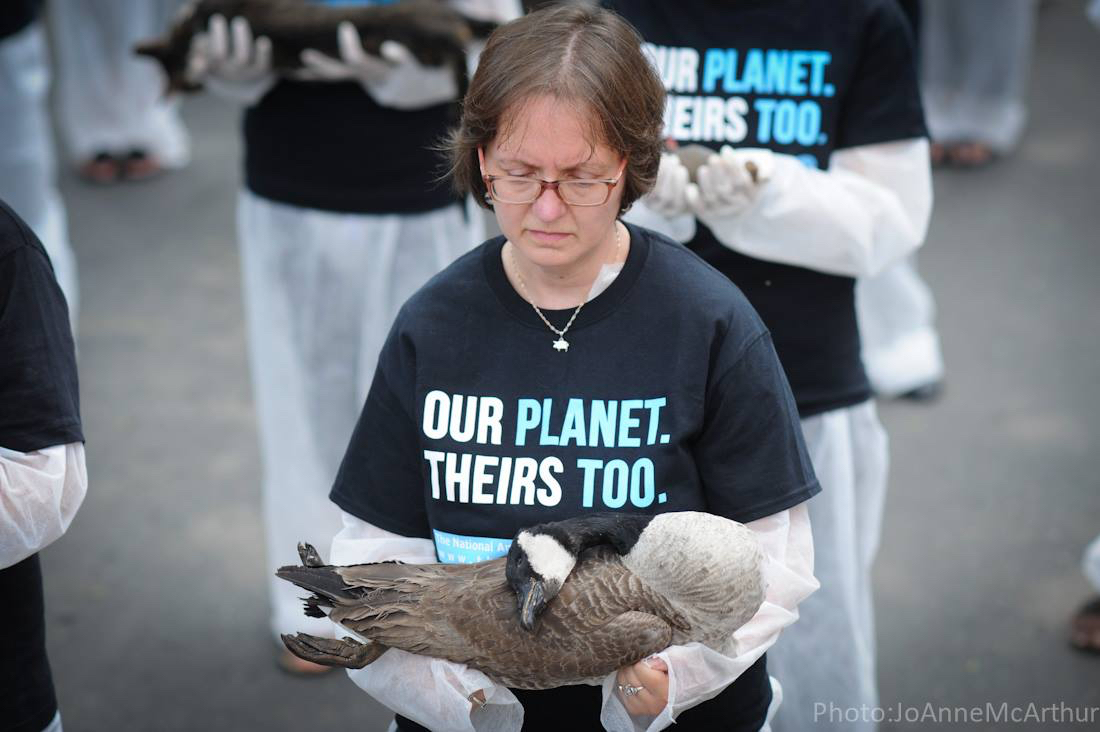
2015 National Animal Rights Day in Toronto, Canada

2015 National Animal Rights Day in Toronto, Canada (photo: Joanne McArthur)

When people criticize the ceremony, Mr. Orian explains that the deceased animals, all of whom were donated, are treated with exceptional respect: “Instead of being ground up in a rendering plant or thrown into the garbage, we clean them, treat them with dignity and, after the ceremony, cremate them and spread their ashes. It’s the only tenderness most of these animals will ever receive.”
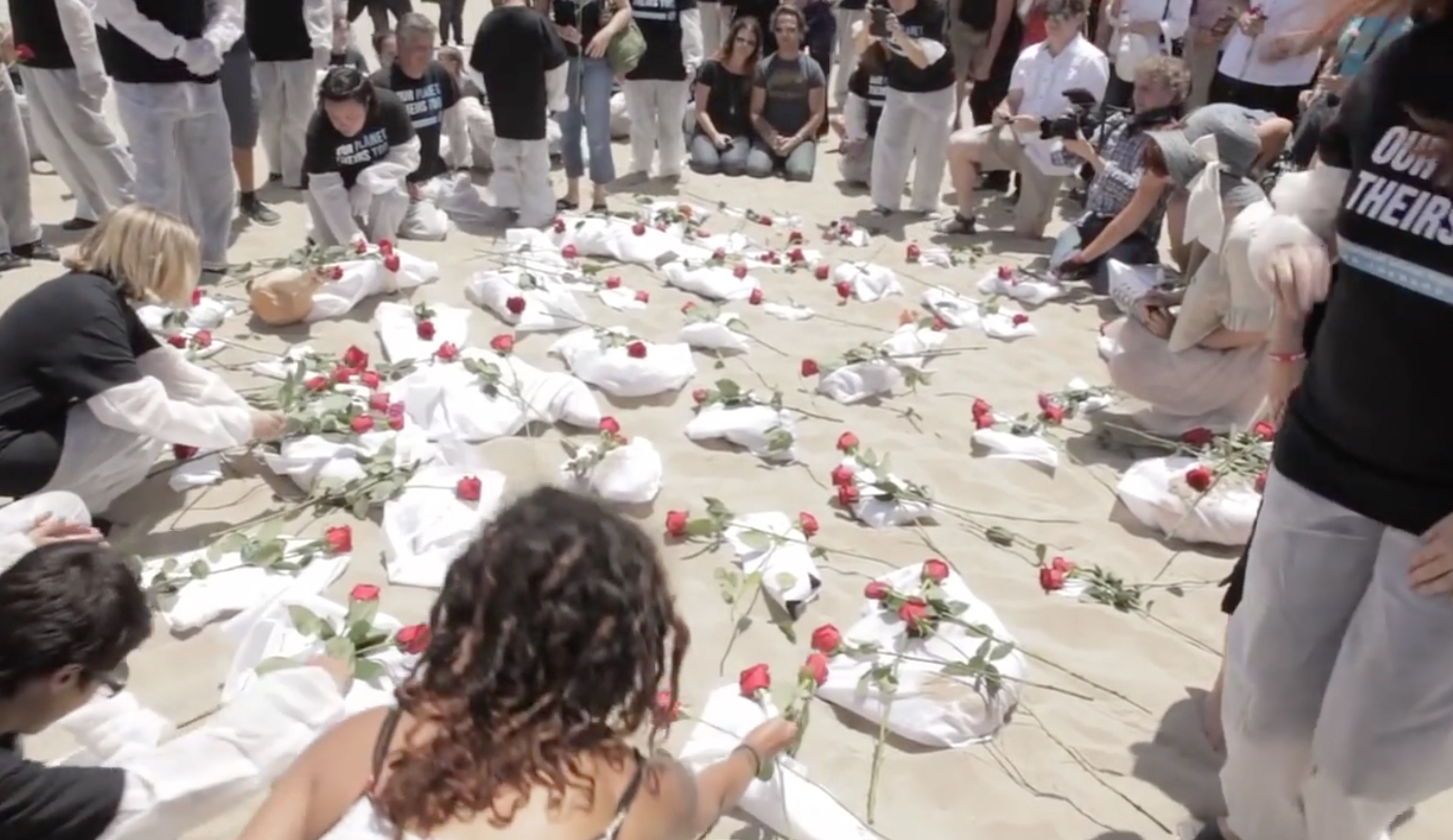
Animal rights activists pay their respects

Animal rights activists pay their respects at a National Animal Rights Day ceremony
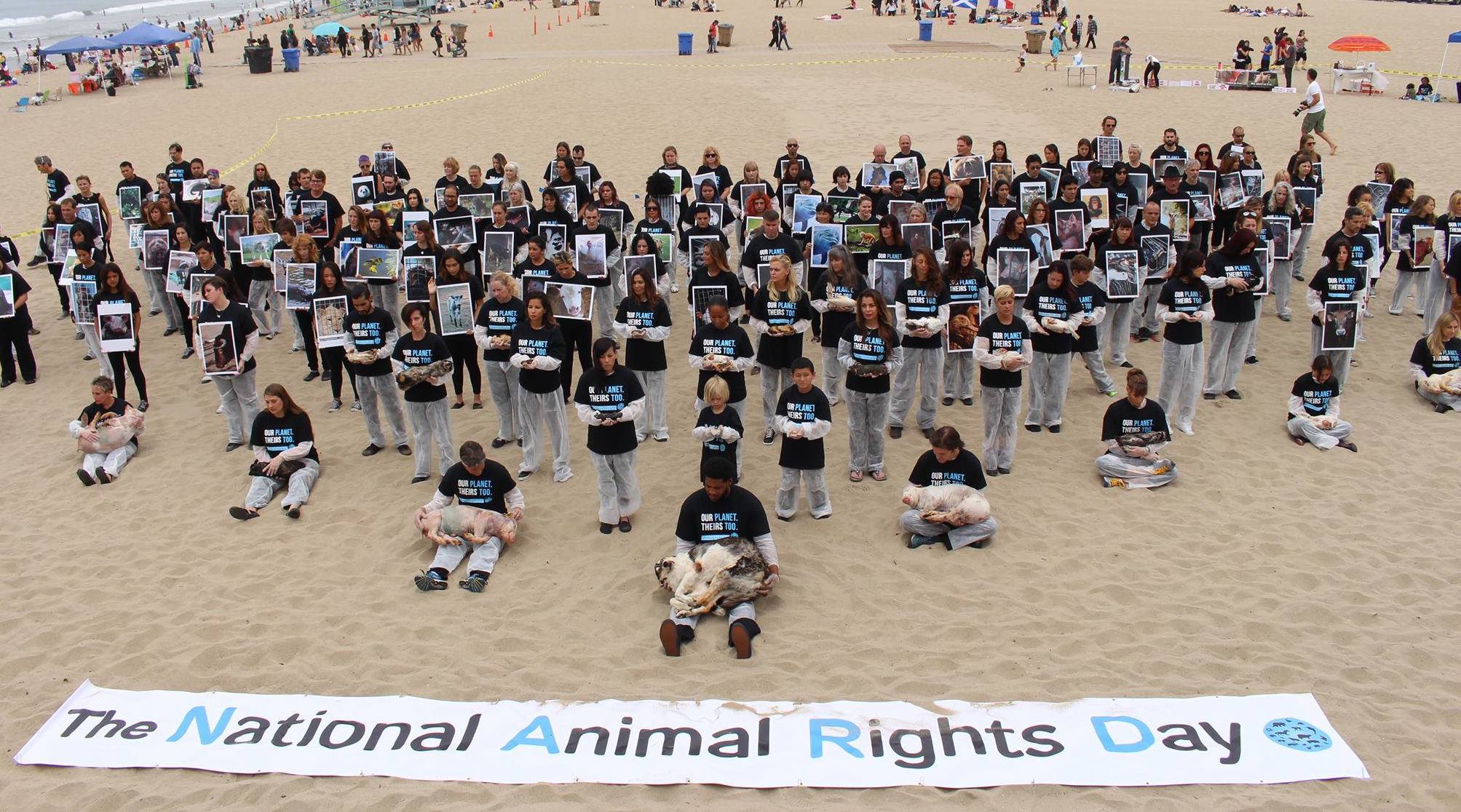
2015 National Animal Rights Day in Los Angeles (photo: Carole Raphaelle Davis)

2015 National Animal Rights Day in Los Angeles (photo: Cameron Wapner)

Jane Velez-Mitchell of Jane UnChained spoke to Mr. Orian to talk about National Animal Rights Day, the controversial use of deceased animals and the impact of the rallies on the public.

The National Animal Rights Day ceremonies are produced by Mr. Orian’s newly-incorporated charity, Our Planet, Theirs Too, and are taking place on May 30th in Los Angeles, San Francisco, Colorado Springs, Seattle, Toronto and Ottowa and on June 7th in New York and Northampton (MA).
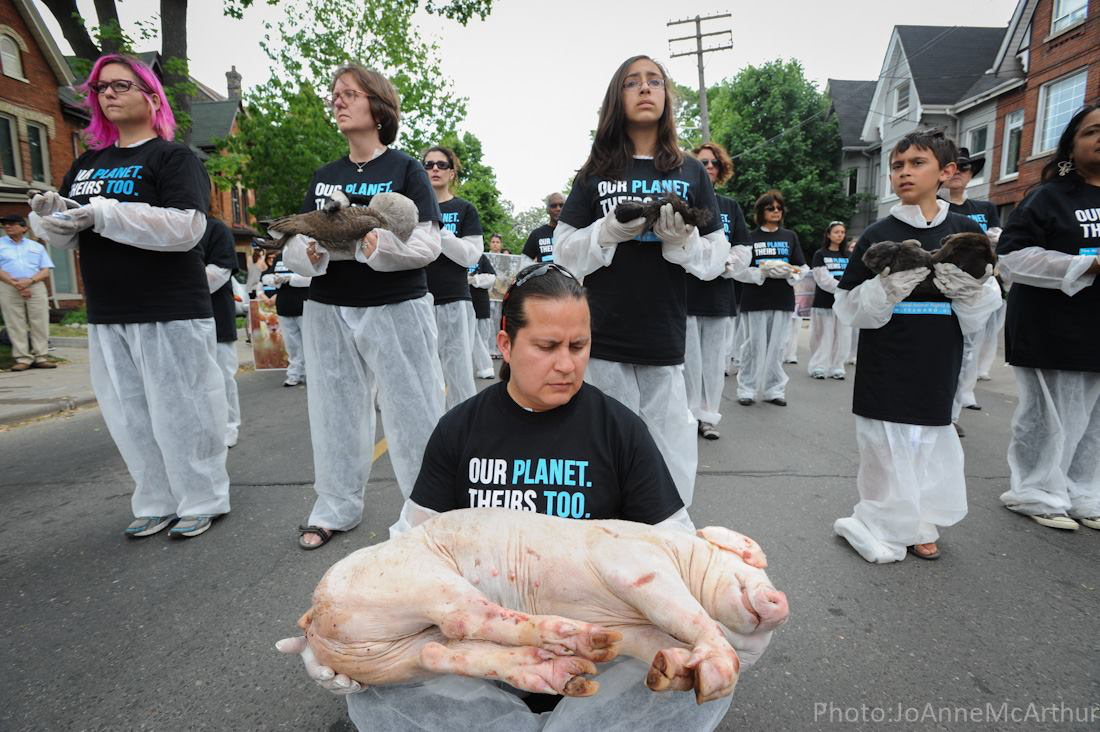
2015 National Animal Rights Day Toronto, Canada

2015 National Animal Rights Day Toronto, Canada (photo: Joanne McArthur)
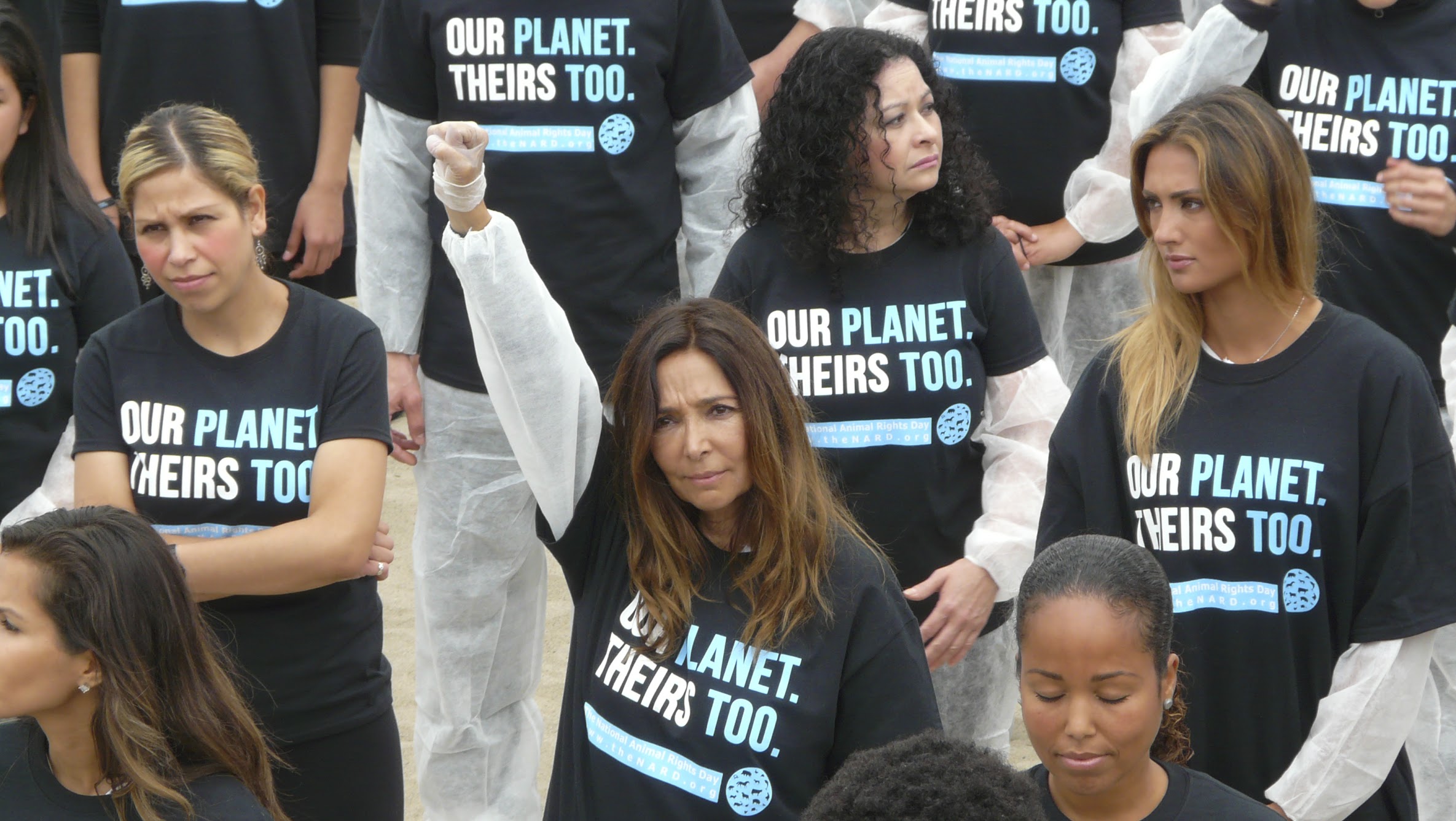
National Animal Rights Day 2015

National Animal Rights Day 2015 (photo: John Hays)


New York Blood Center Abandons 66 Chimps, Leaving Them To Die of Starvation

May 28, 2015 by 47 comments


The News

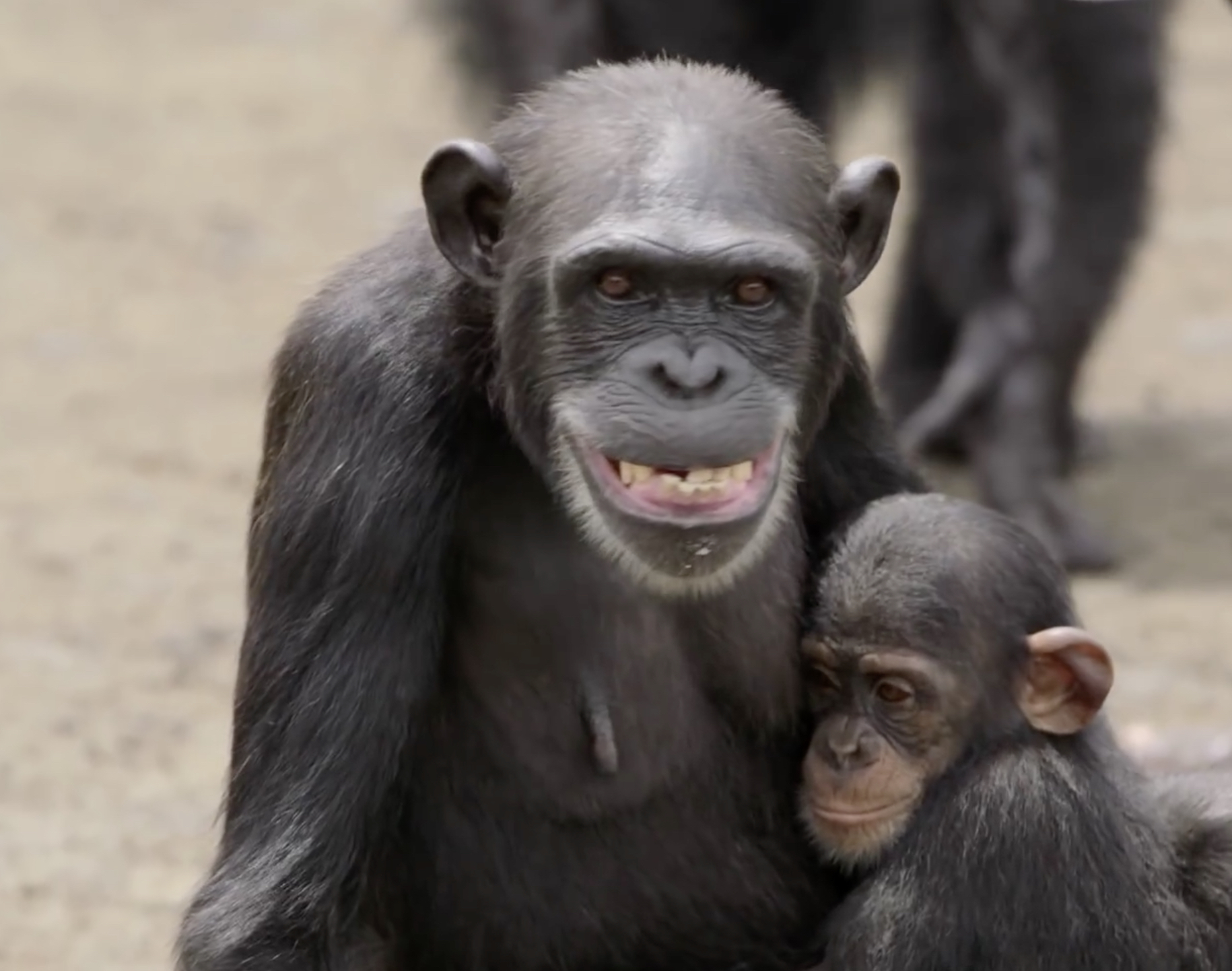
An institution that conducted experiments on approximately 500 hundred chimpanzees and made a commitment to provide the survivors with lifelong care has abandoned the ones who are still alive, leaving them to die of starvation. The New York Blood Center (NYBC), which tested treatments and vaccines on the great apes at a medical research center in Liberia from 1974 to 2005, has terminated its $30,000/month funding to feed and care for the chimps, who are living on secluded islands near the country’s capital, Monrovia.

Liberians care for chimps who were relocated to islands near Monrovia, Liberia, when the research program ended in 2005.

The chimpanzees raised at the NY Blood Center’s research facility are dependent on human caregivers for sustenance (all photos: screenshots The Real Planet of the Apes)

NYBC, which has reportedly earned over $500 million in royalties for discoveries made at the chimp research center, has neither denied the allegations nor responded to repeated inquiries from advocacy groups around the world.

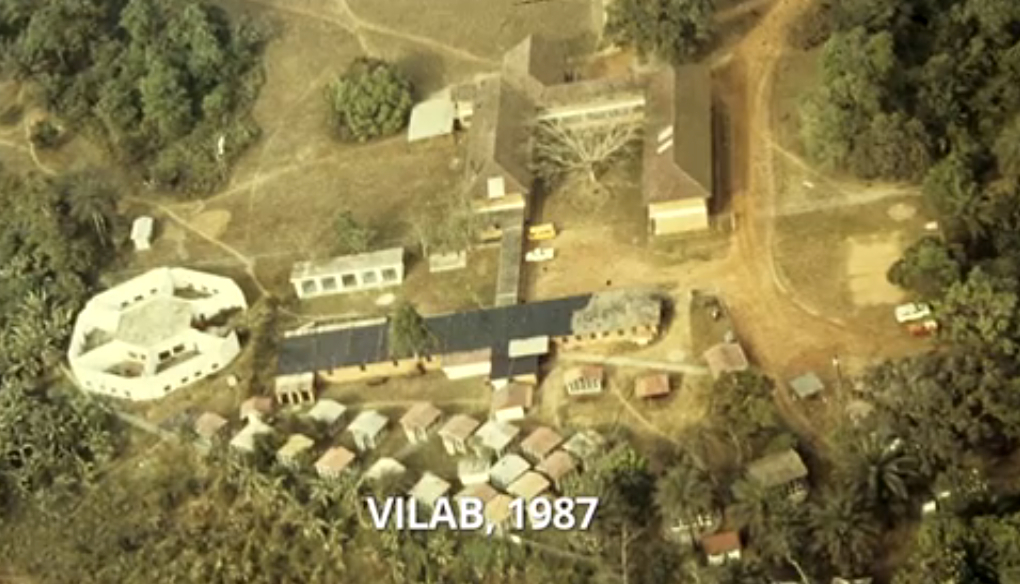
Chimpanzee Research Center in Liberia

The NY Blood Center experimented on chimpanzees at the Liberia Biomedical Research Institute from 1974 – 2006.

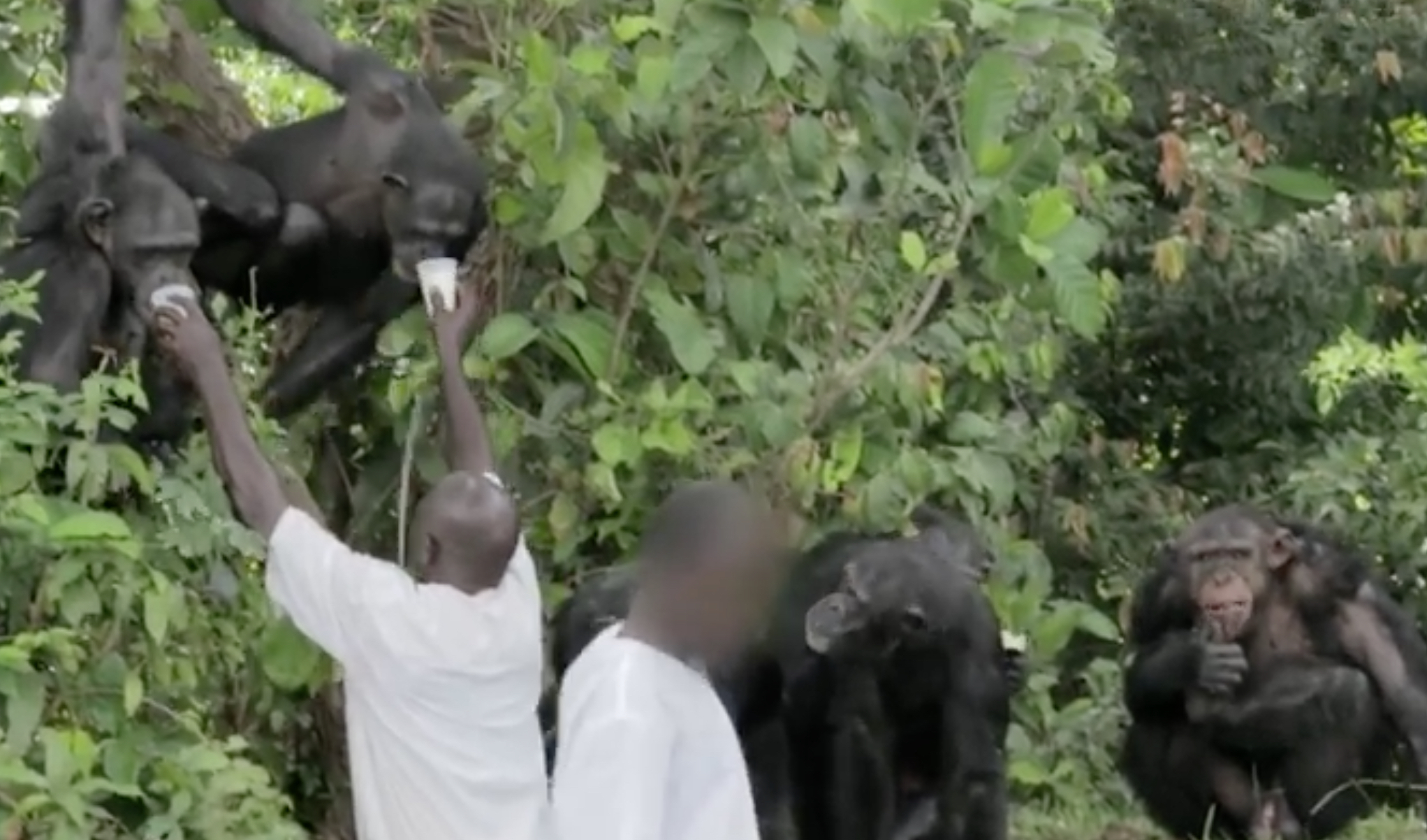
According to Dr. Fatorma Borlay, the current head of the facility where the experiments were conducted, the New York Blood Center “left [the chimps] to die of starvation.” Another advocate with local contacts says that the situation is “totally desperate,” as chimps could very well perish if the Blood Center doesn’t resume funding. As a stop gap measure, some of the chimps’ caretakers have, as volunteers, continued to travel to the islands to provide the chimps with limited amounts of food purchased with money donated by the Humane Society of the United States and other groups and individuals.

Workers feed former laboratory chimps living on secluded islands near Liberia's capital, Monrovia.

Workers feed former laboratory chimps living on secluded islands near Liberia’s capital, Monrovia.

In 1974, the New York Blood Center launched its chimp research program on the grounds of the then defunct Liberian Institute for Biomedical Research. According to Betsy Brotman, who directed the program, Liberia was chosen because of the availability of the facility; the cooperation of the government; and the large number of chimps who could no longer be kept by locals as pets.

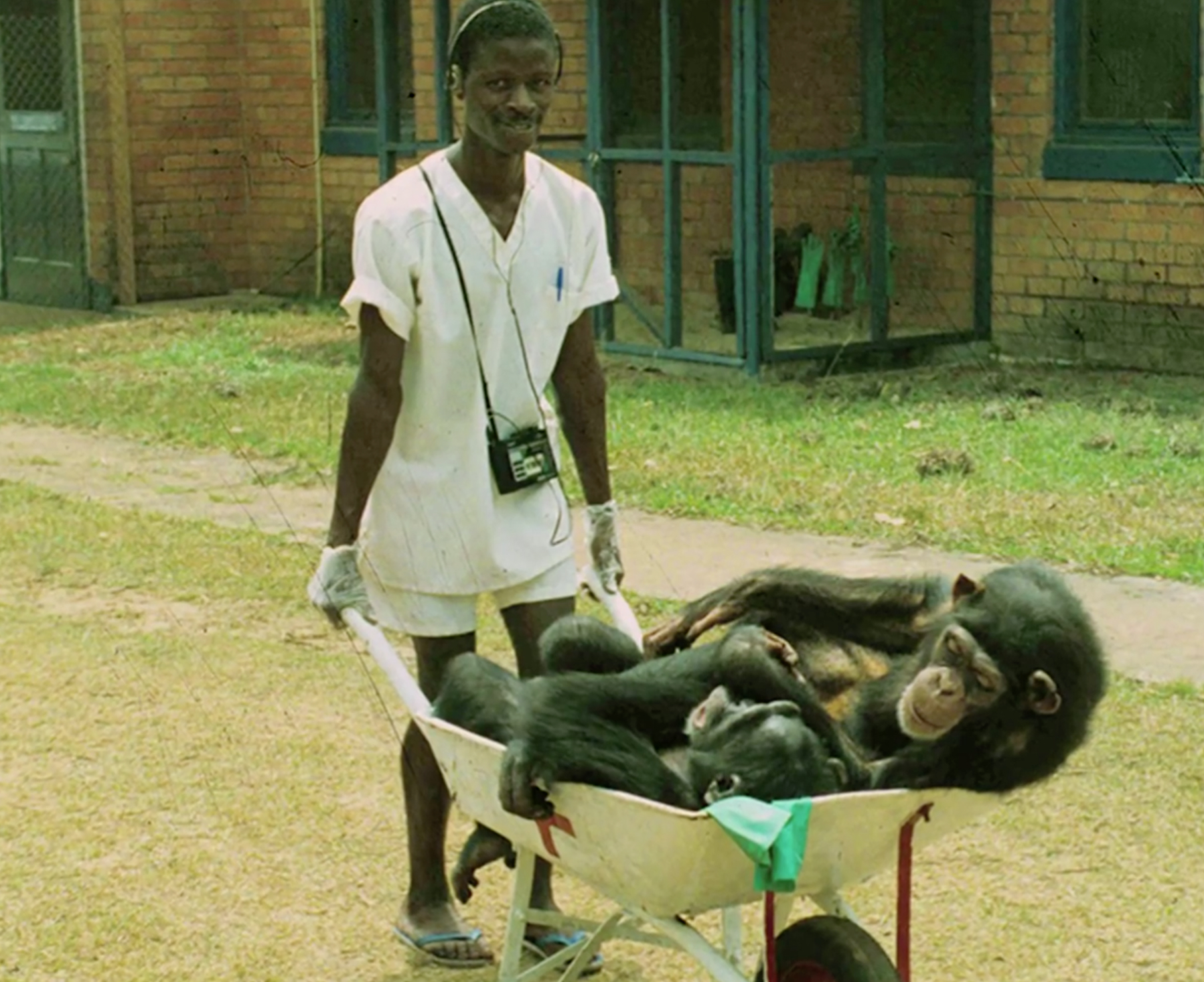
chimps-research-liberia-barrel

Caretaker and chimps at NY Blood Center’s research facility in Liberia

In 1984, Ms. Brotman acknowledged the obligation of the New York Blood Center to provide the chimps with a humane retirement: ”It’s our responsibility to try to pay them back by letting them live out their lives in their natural environment.” She repeated the assertion in The Real Planet of the Apes, a 2014 documentary film about her research and the islands on which the chimps were retired: “If you’re going to do work in chimpanzees, you should set up a system so that at the end of the research they have a place where they can . . .  live a nice chimp life to the best of whatever is available.”

chimp-research-liberia-cage

A caretaker at the NY Blood Center’s research facility in Liberia

Under Ms. Brotman’s leadership, the New York Blood Center released the chimps onto six islands near Monrovia where they would be safe from human predators and where employees from the research facility who knew them could provide them with lifelong care. “That’s what we agreed upon doing, and we did it,” said Brotman in The Real Planet of the Apes.

monkey-island-chimp-food

The NY Blood Center broke its promise to provide lifelong care to the research chimps

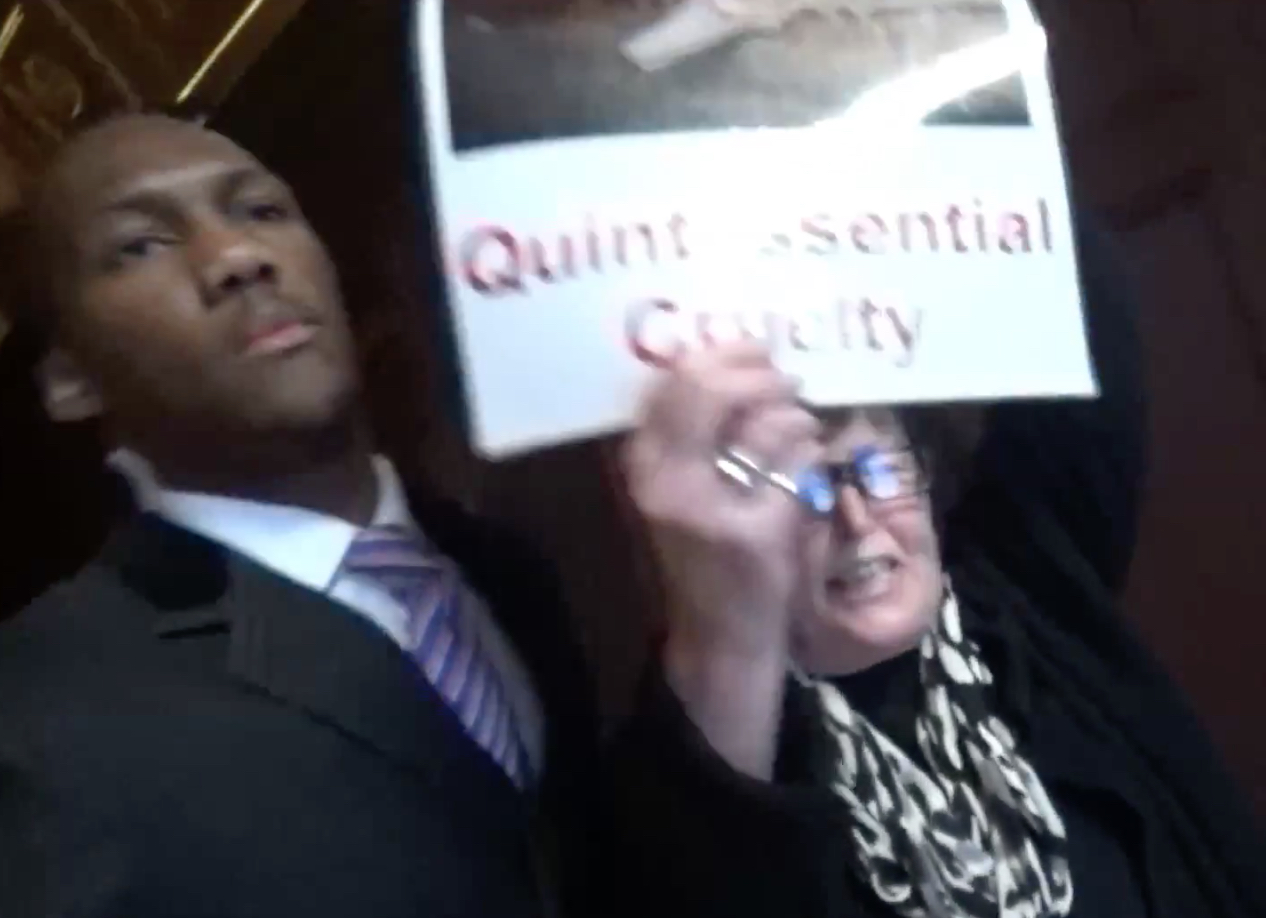
Advocates, who speculate that the Blood Center used the distraction of the Ebola epidemic as an opportunity to discreetly extricate itself from its commitment, have staged two disruptions inside of the lobby of the organization’s headquarters.

UPDATE: The NY Times and Motherboard have picked up the story and provided more detailed information about the plight of the chimps and the decision by the NY Blood Center to abandon them. In addition, Jane Goodall sent an open letter to the NY Blood Center demanding that it reinstates the funding.

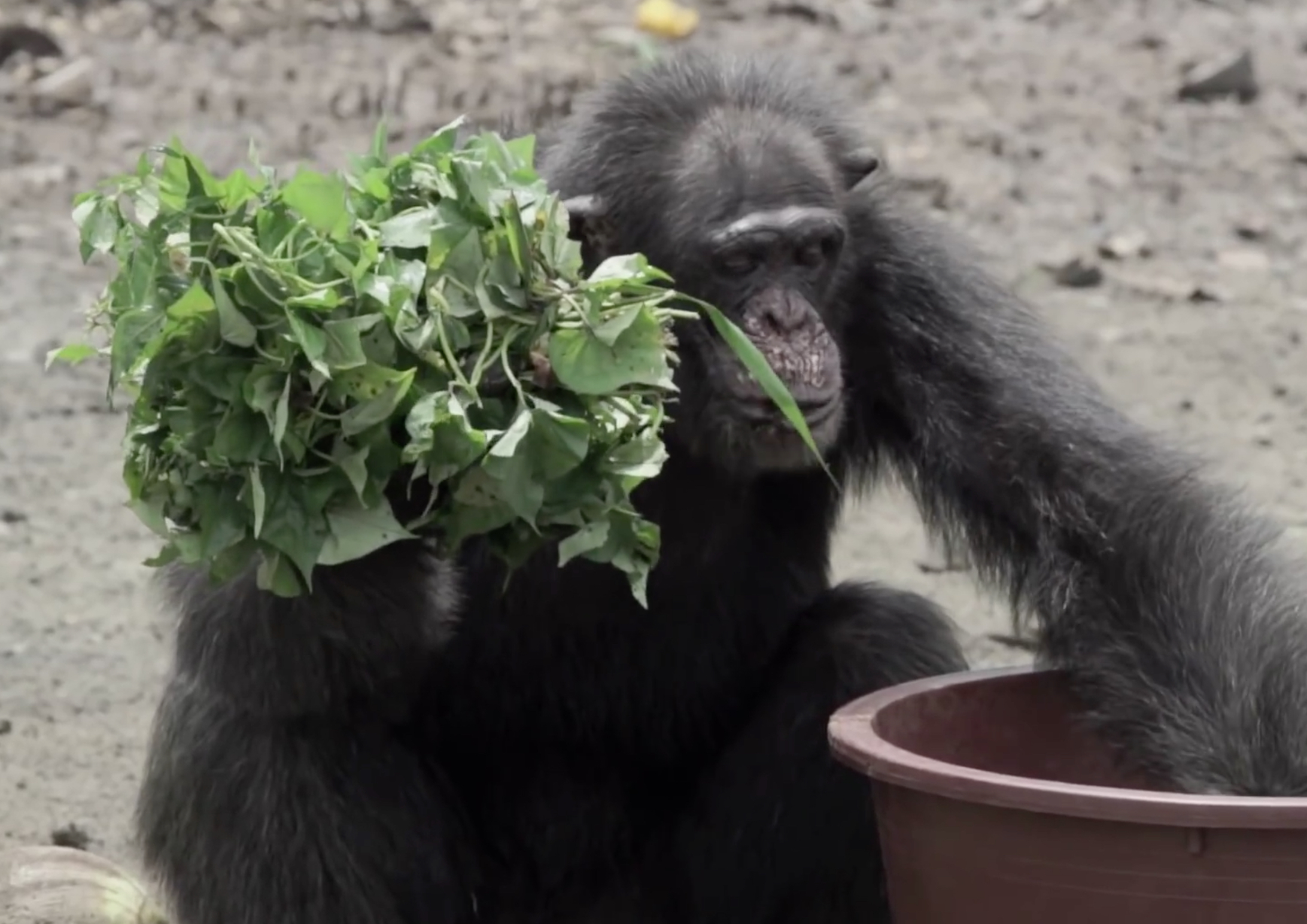
monkey-island-chimp

A former NY Blood Center lab chimp in Monrovia, Liberia

Your Turn

Please participate in the call to action and join the Facebook page: New York Blood Center: Do the Right Thing.


London Activists Stage Provocative Disruptions Inside Restaurant that Serves Foie Gras

May 22, 2015 by 4 comments


The News

If you own a restaurant in London, you’d better think twice before serving foie gras. That is because London Vegan Actions, an animals rights group that “turns actions into victories,” could very well disrupt your diners – over and over – until you take it off the menu.

https://youtu.be/DwwaSpy_ZB8

Disruptions inside of restaurants have triggered much debate within the animal rights community. Some activists say that loud disruptions alienate the target audiences; others argue that they prompt customers to consider what – or who – they are eating and that they trigger exasperated restaurants to stop serving the most controversial of foods.

Security guard expels one of the activists who staged disruption inside of Sketch

Security guard expels an animal rights activist who staged a disruption inside of Sketch, a restaurant in London that sells foie gras

After four weeks of disruptions, the restaurant Sketch, the group’s current target, continues to sell foie gras, and London Vegan Actions is showing no signs of backing down. After all, they argue, “you cannot even legally produce foie gras in the U.K. due to the cruelty, which is why 16 countries have banned its production.” Protests are planned on May 22nd and May 23rd.

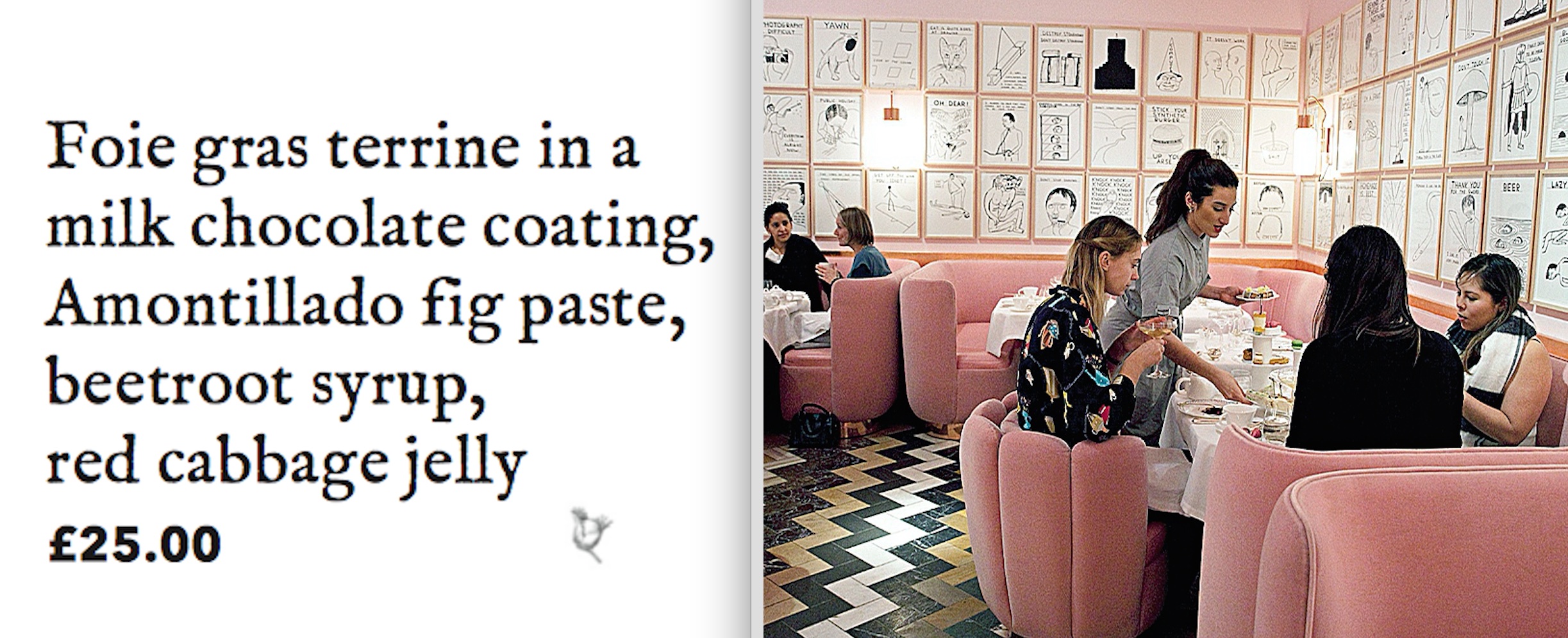
Sketch restaurant is the target of animal rights protests because it sells foie gras

Sketch restaurant is the target of animal rights protests because it sells foie gras (photo: Karen Robinson, The Guardian)

Activists show video of foie gras production inside restaurant

Activists have displayed video of foie gras production inside of Sketch

A van filled with police officers arrives at at foie gras protest at Sketch restaurant in London

A van filled with police officers arrives at at foie gras protest at Sketch

In late April, Alexis Gauthier, the chef and owner of Gauthier restaurant, decided to take foie gras off of his menu after London Vegan Actions staged three disruptive protests.

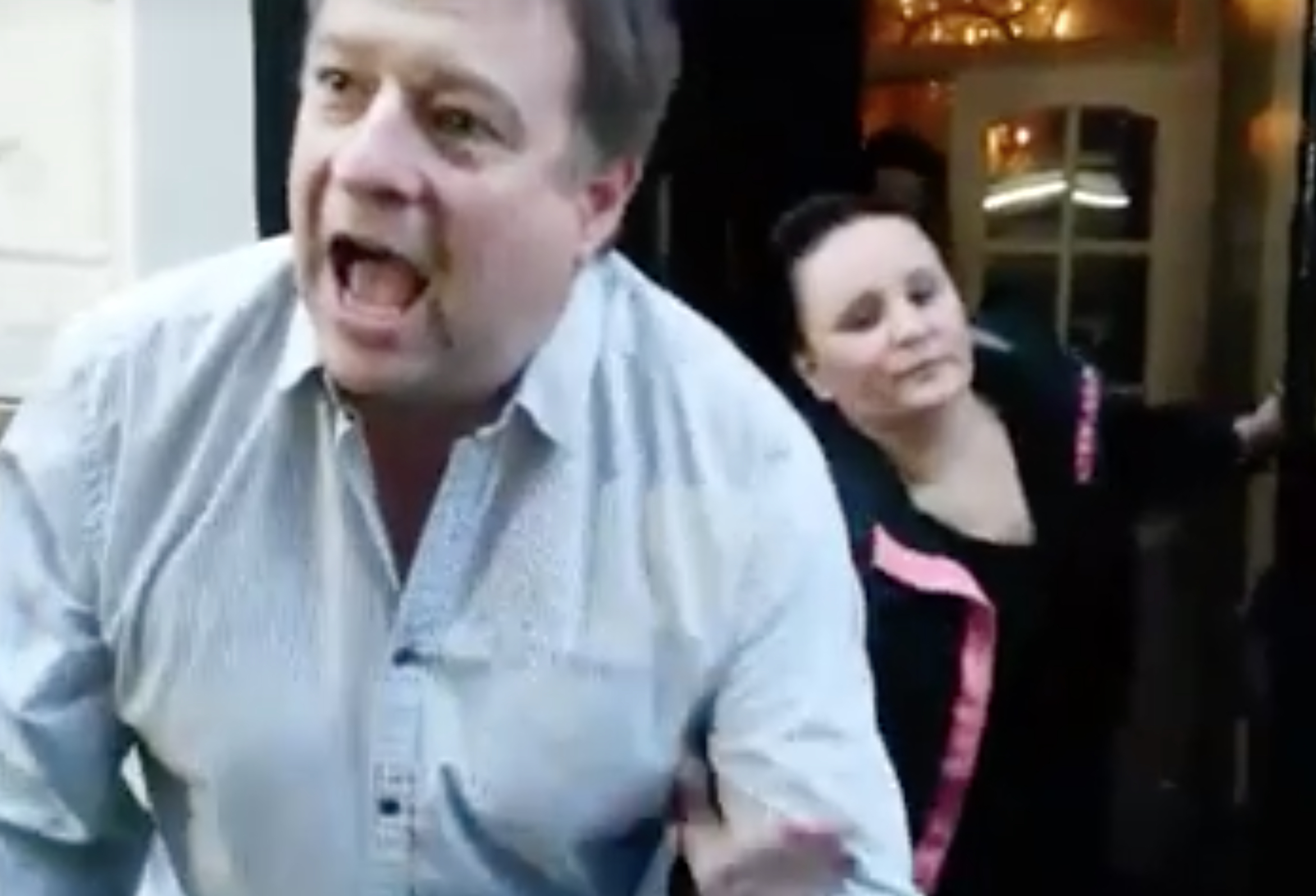
Alexis Gauthier, the chef owner of Gauthier Restaurant in London, is dragged back into restaurant as he asks protesters if they are wearing leather shoes.

An angry customer at Gauthier accuses protesters of wearing leather shoes as his dining companion attempts to drag him into the restaurant

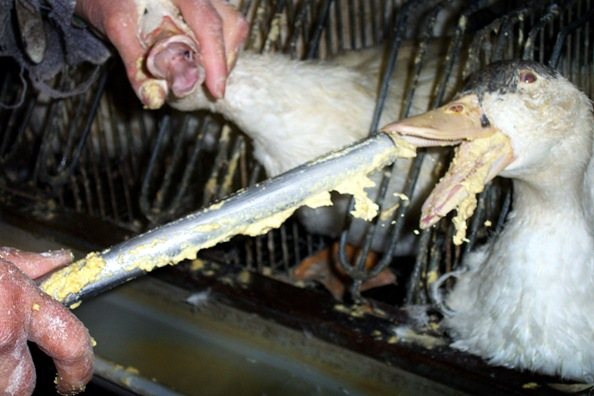
Foie gras, which is often described by activists as a “delicacy of despair,”  is produced by force feeding ducks and geese through metal pipes until their livers become diseased, swelling up to ten times their normal size. The pipes are inserted 12″ down their esophaguses three times daily in the weeks leading up to slaughter.

Gavage, force feeding

Gavage, the process by which the birds’ livers are fattened, is French for force feeding.

In 2013, the U.S.-based advocacy group Mercy For Animals used hidden cameras at the nation’s largest producer to document the abuse inherent in foie gras production:

London Vegan Actions isn’t the only group in the U.K. advocating on behalf of battered ducks and geese. Hertfordshire Animal Rights stopped the sale of foie gras at seven U.K. restaurants in 2014.

Your Turn

Please ask Sketch to take foie gras off the menu by sending an email to info@sketch.london, tweeting or posting a message on the restaurant’s Facebook page.


On the Menu at Al Gore’s Climate Change Concerts: Animals

May 20, 2015 by 3 comments


The News

The organizers of Al Gore’s upcoming Live Earth 2015 concert series say they have no control over what food is sold at the venues. But that response is doing nothing to appease Lila Copeland, a 13 year old activist who created a video letter to Mr. Gore and other organizers condemning the sale of meat at a global climate change event.
Live Earth organizers Al Gore, Pharrell Williams and Kevin Wall

Live Earth organizers Al Gore, Pharrell Williams and Kevin Wall

“My supporters and I are telling you, not asking you, to . . . take animals and animal byproducts off the event menu, and tell event goers to take animal products out of their diets. Anything less is a slap in the fact to our Mother Earth, who you are killing one hamburger and one hot dog at a time. . . . There are so many delicious, gourmet and healthy meat alternatives you can sell at these events. Instead you ruin your opportunity for change.”
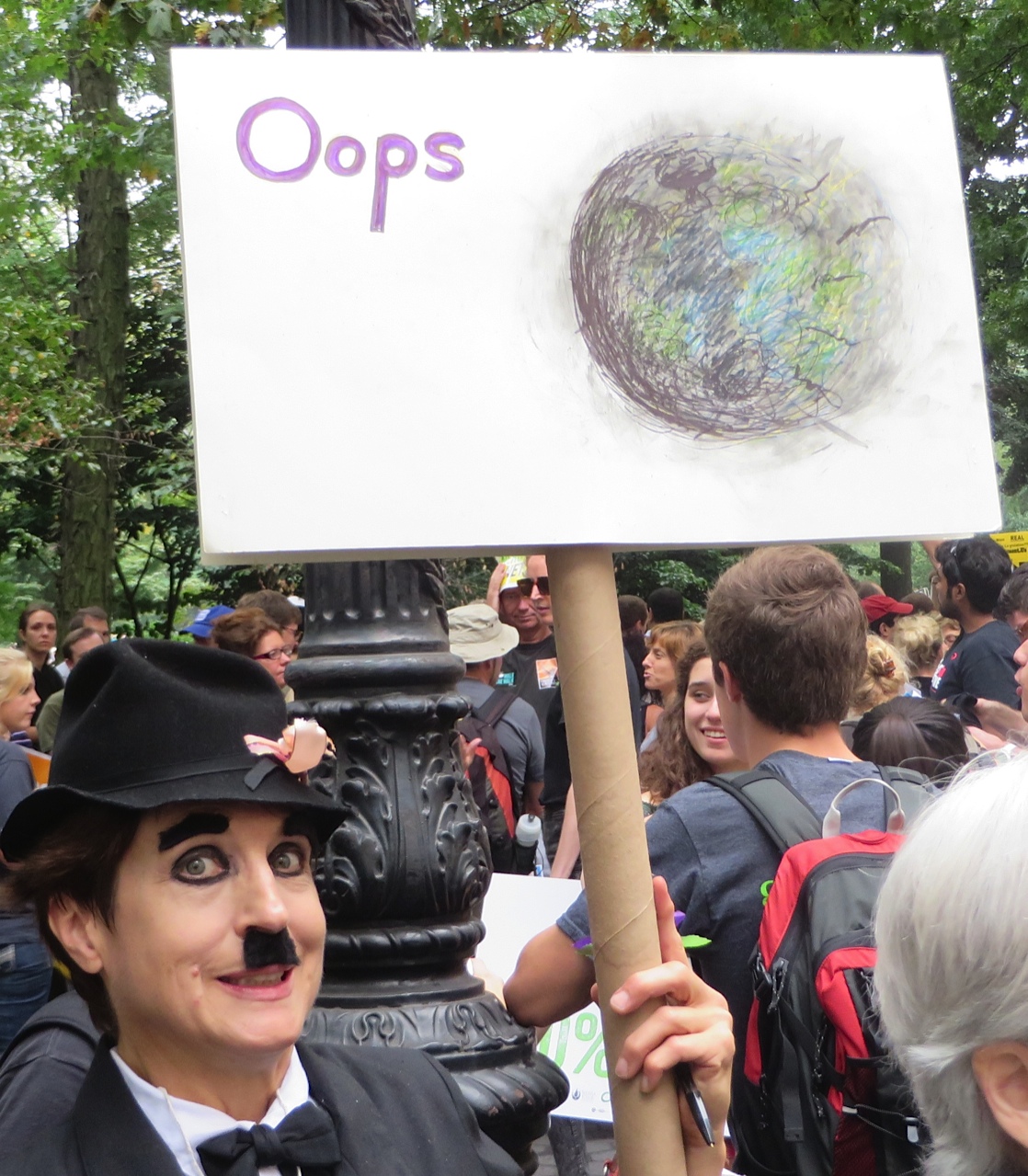
oops
The six continent concert series, which takes place on June 18th, is being staged to “shine a global spotlight” on climate change in advance of the United Nation’s Climate Change Conference in Paris in December.

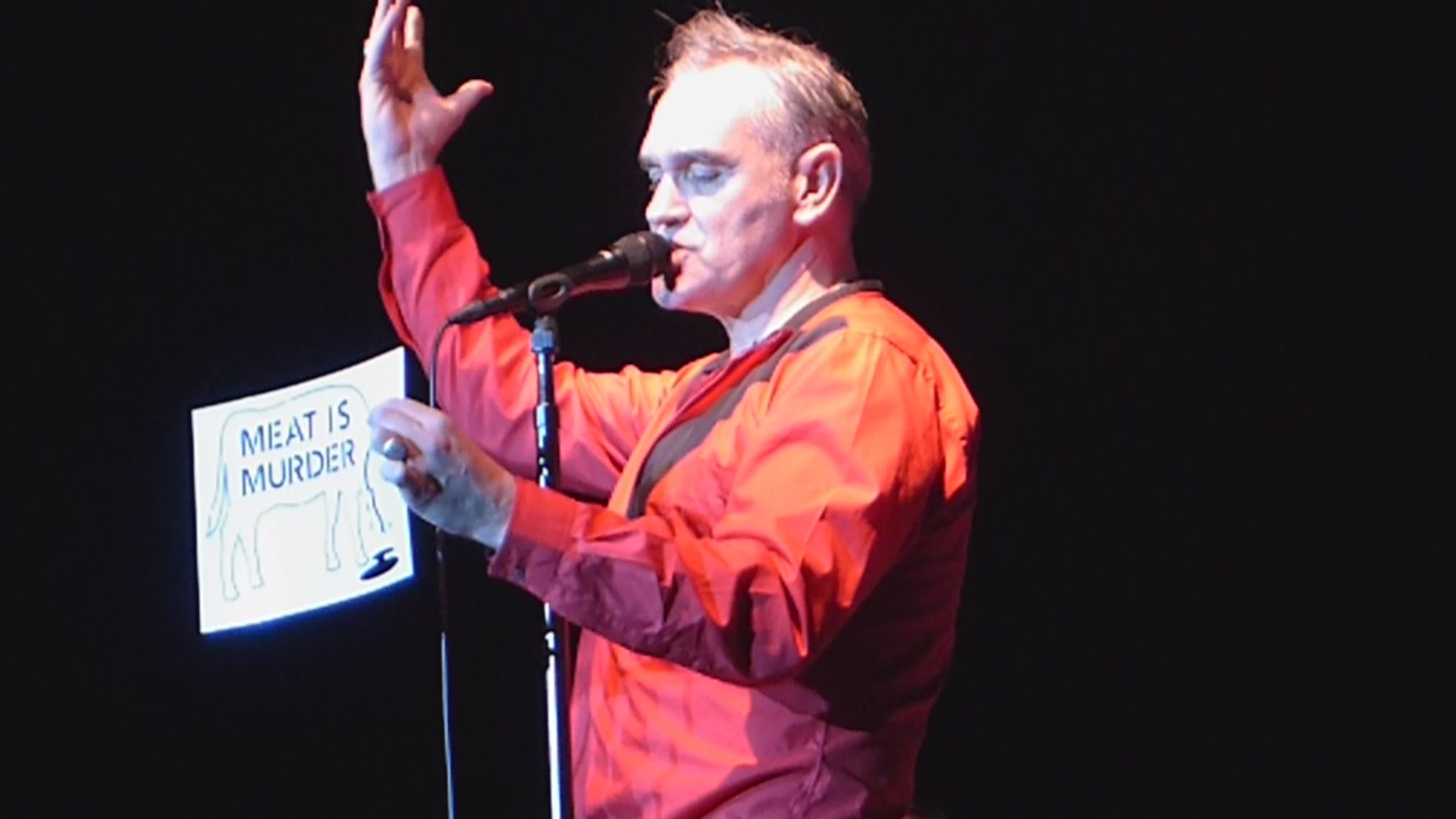
The musician Morrissey, who has banned the sale of animal products at NYC’s Madison Square Garden on the night of his concert in June, has also sent an open letter to Mr. Gore: “As you know, animal agriculture is a leading cause of climate change . . . responsible for a staggering 51 percent or more of global greenhouse-gas emissions. . . If you choose to serve animal flesh at Live Earth, you’ll be making a mockery of the very concept of the event . . . Serving meat and dairy products at an event to combat climate change is like selling pistols at a gun-control rally.”
Morrissey sings "Meat is Murder"

Morrissey sings “Meat is Murder”

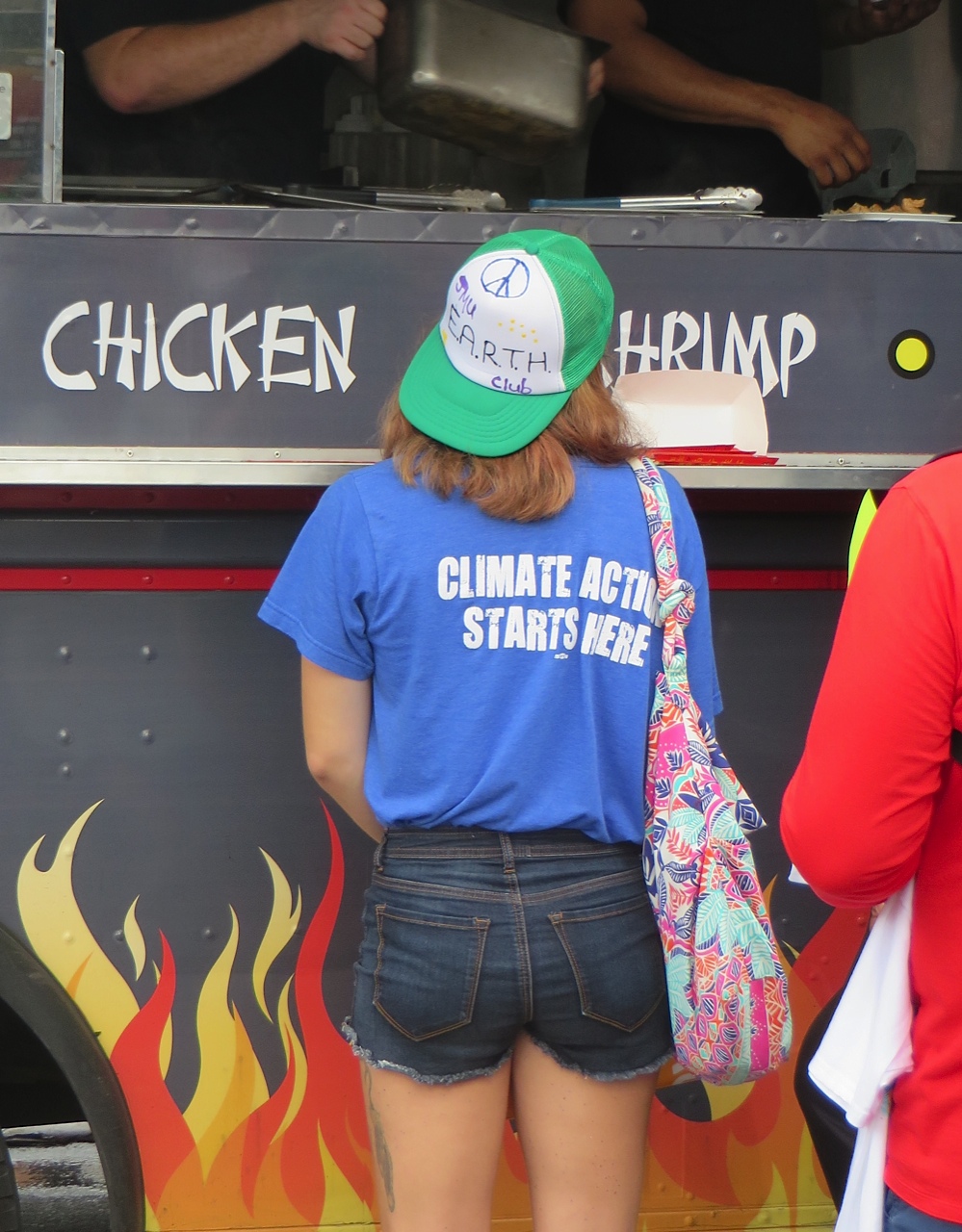
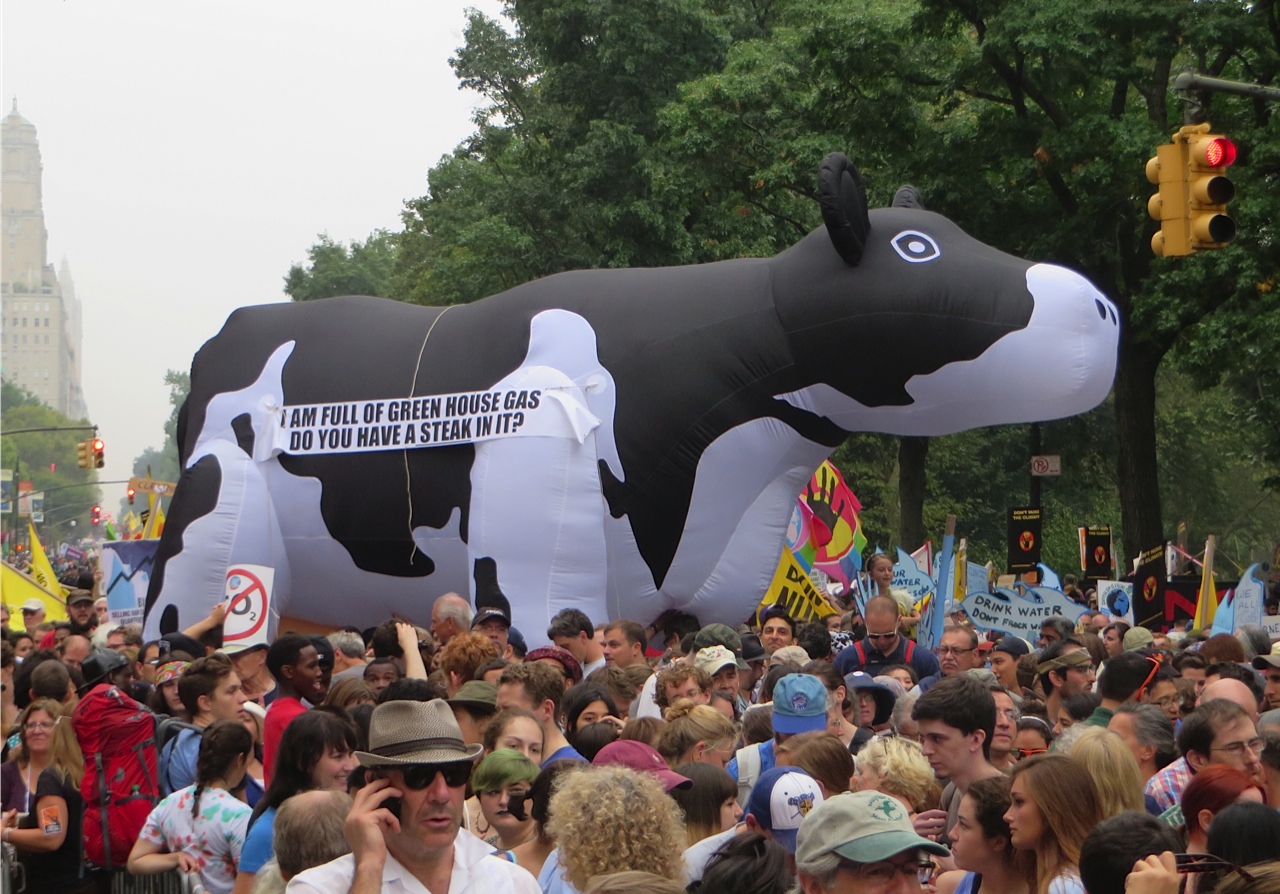
This is not the first time that environmental activists have compromised the integrity of a high profile climate awareness event. At the People’s Climate March in 2014, the largest climate gathering in history with an estimated 311,000 participants, 350.org invited food trucks that sold meat, fish and dairy products to the post-march rally. Can environmental groups like 350.org and activists like Al Gore expect world leaders to take drastic measures to reverse climate change if even they can’t take the most basic one at their own events?
Climate March participants line up to buy meat and dairy products from food vendors

Climate March participants line up to buy meat and dairy products from food vendors

Howard Lyman, a former cattle rancher who now speaks out against animal agriculture, is often quoted as saying, “You cannot call yourself an environmentalist and eat meat.” If Mr. Lyman’s words of wisdom don’t jolt the former Vice President into eliminating the sale of animal products at his climate events, then perhaps those of 13 year old Lila Copeland will: “Sorry, but we have to get real here . . . It is scientifically impossible to put an end to climate change without stopping animal agriculture.”

worldanimal.net

Your Turn

According to PETA, which has created a petition demanding that Al Gore and other organizers offer only vegan food at Live Earth concerts, “Serving animal products at events that are supposed to educate people on how they can fight climate change is hypocritical and undermines the effectiveness of people’s efforts to save the planet.”


Advocates for Lolita & Nosey Use Viral Video to Demand that USDA Enforces Animal Welfare Act

May 18, 2015 by 7 comments


The News

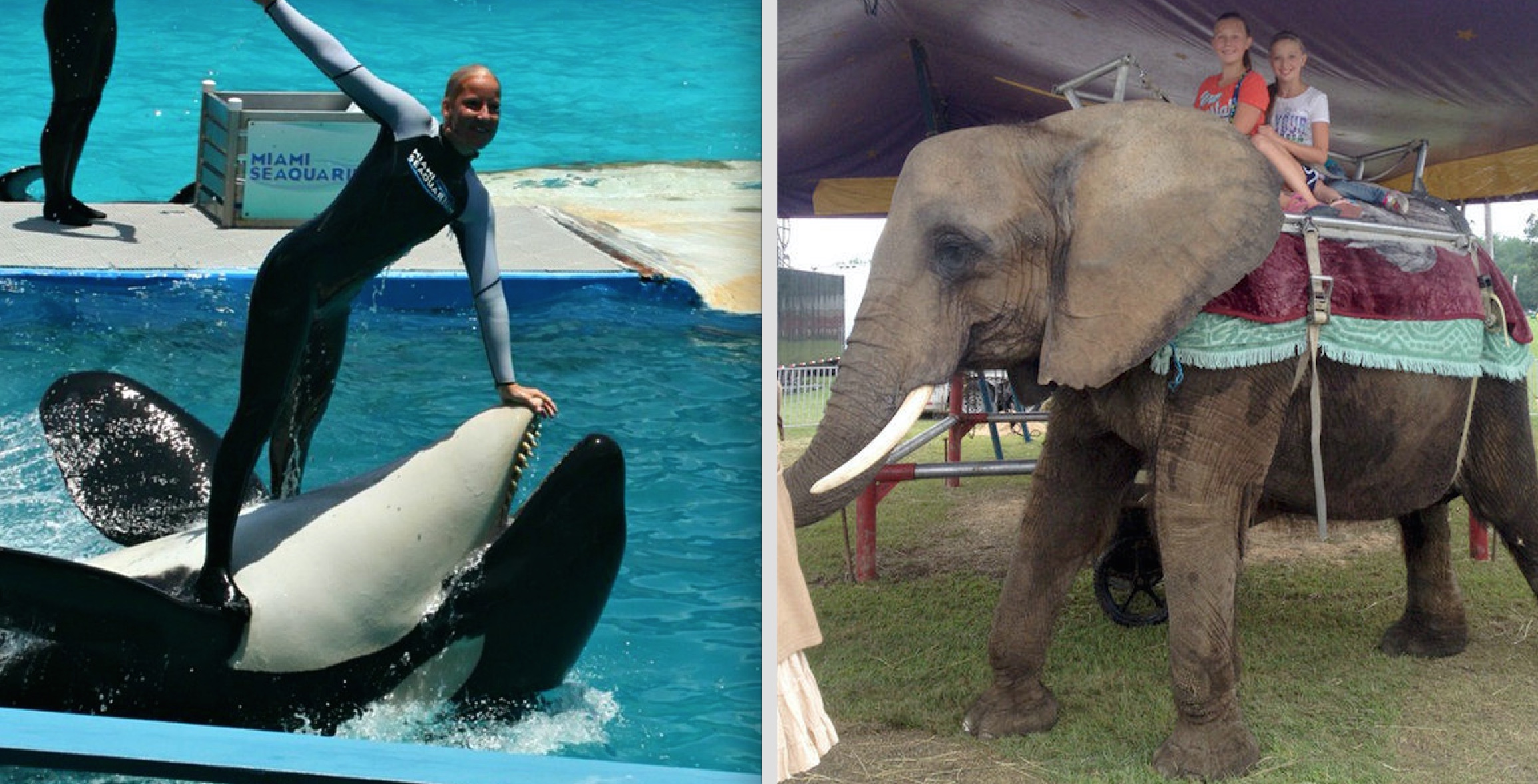
Nosey the elephant and Lolita the orca, longtime symbols of the cruelty of animals in entertainment, have also also become symbols of the U.S. Department of Agriculture’s (USDA) failure to enforce the federal Animal Welfare Act (AWA).

Lolita being used as a surfboard; arthritic Nosey gives rides to unsuspecting children

Lolita being used as a surfboard; arthritic Nosey gives rides to unsuspecting children

After years of protests, petitions and lawsuits, activists nationwide are now using a viral video to demand that the USDA liberate Lolita and Nosey on the grounds that the harsh conditions of their captivity violate the AWA.

NOSEY
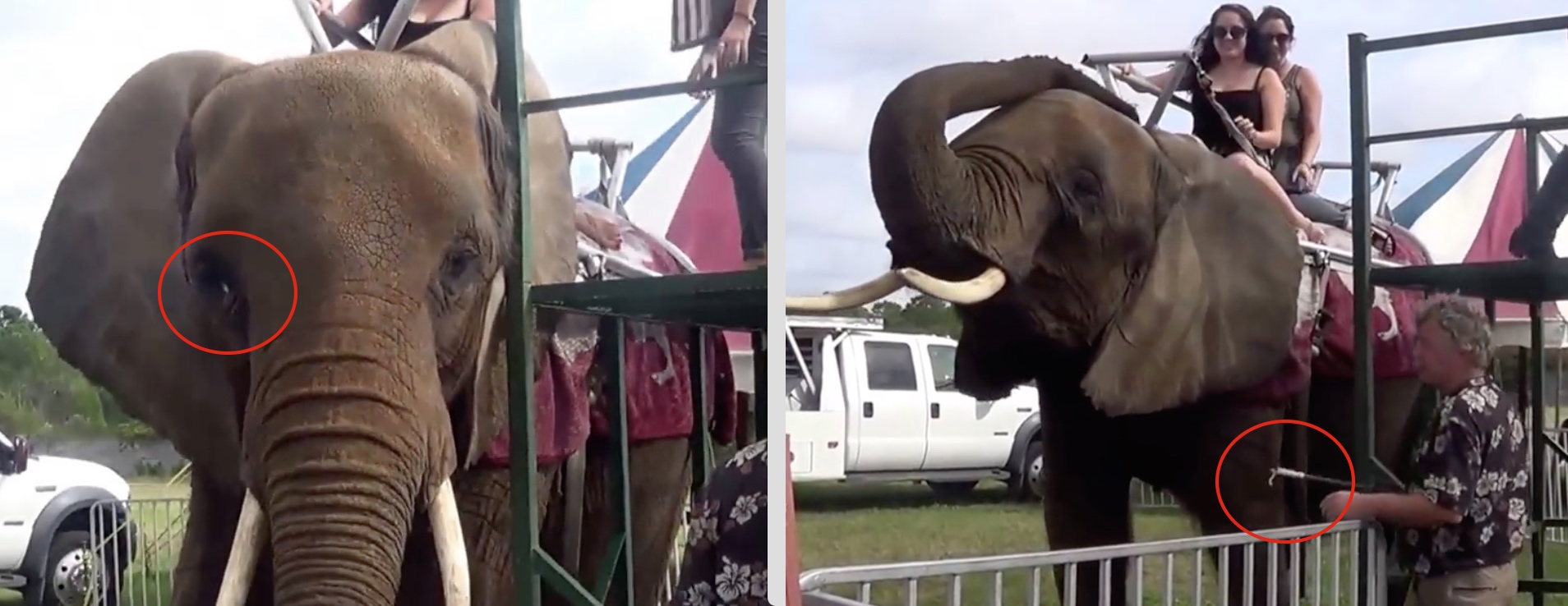
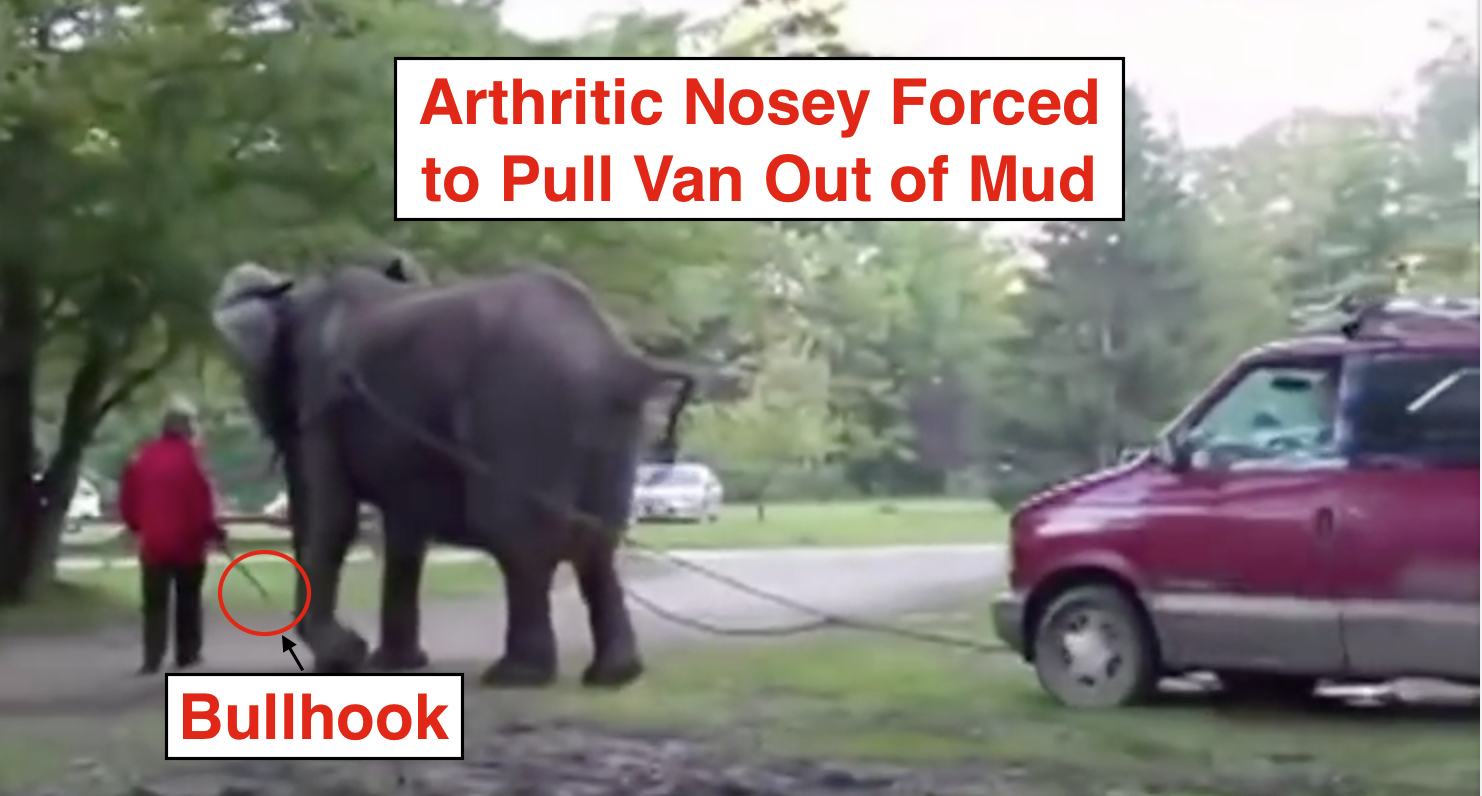
Nosey, a 30-year old elephant who was captured in Zimbabwe when she was two, has been held captive by the Liebel Family Circus since 1988. In spite of her crippling arthritis and chronic skin disease, Nosey is forced to give rides to paying customers at flea markets and fairs across the country.
Under threat of bullhook, Nosey is forced to give rides in spite of eye infection and arthritis

Under threat of bullhook, Nosey is forced to give rides in spite of her eye infection and arthritis

Advocates claim that the circus owner, Tom Liebel, and his employees have beaten Nosey into submission with bullhooks, a sledge hammer and shovels and that the USDA has cited Liebel nearly 200 times for violations.  In spite of the violations,  abundant evidence of abuse and a veterinary report stating that Nosey is “suffering, permanently disabled and crippled,” the USDA has refused to revoke Liebel’s license to exhibit Nosey and use her for rides.
Violation of AWA

Violation of AWA

LOLITA
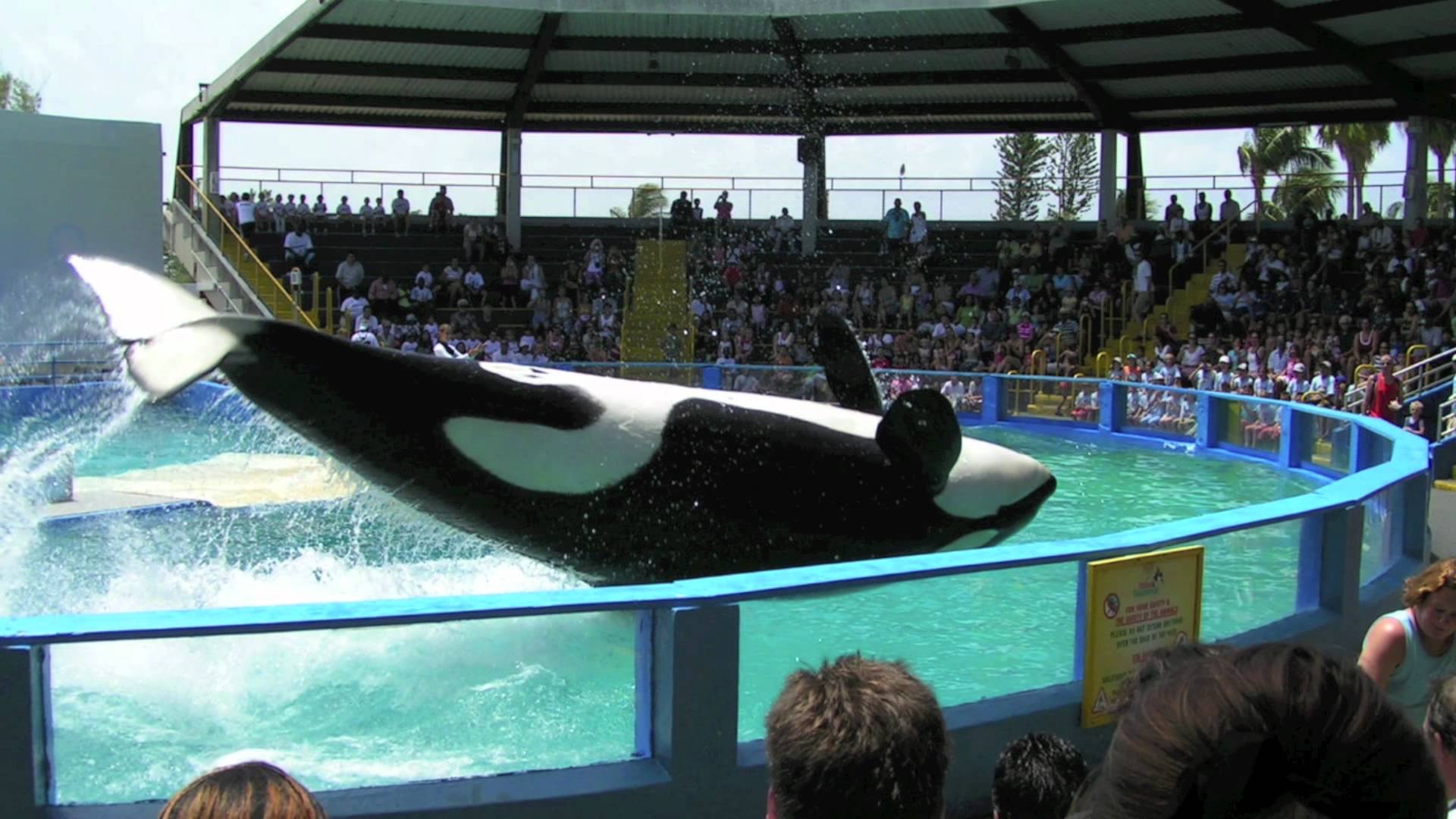
Lolita, an orca who was captured off the coast of Washington in 1970, has been held captive in the nation’s smallest whale tank for 45 years. Until 1980, she had an orca companion, Hugo, who reportedly committed suicide by pounding his head against the side of the tank. For the past 35 years, she has been alone, unable to interact with members of her own species or engage in any natural behaviors, such as hunting, diving and swimming in the open water. Her tank is just 20 feet deep.

Lolita at the Miami Seaquarium

Lolita’s captivity at the Miami Seaquarium is not just cruel; it is illegal. Palace Entertainment is violating the AWA in three ways: Lolita’s tank doesn’t meet minimum size requirements; she has no shade to protect her from the sun; and she does not have a killer whale companion.

Lolita is longer than the tank is deep.

Lolita is longer than the tank is deep.

In February, the National Oceanic and Atmospheric Administration (NOAA) designated Lolita as endangered because she was taken from the protected Southern Resident Killer Whale population. This historic decision has provided legal ammunition to the groups that have sued the USDA for renewing Palace’s license in spite of its AWA violations. If the court rules in favor of the advocacy groups, then Lolita could be released to the Puget Sound where she would be rehabilitated in a coastal sanctuary and, if possible, released to her pod. Lolita’s mother, 86, is reported to be alive.

Your Turn

Robin Jewell, the producer of the historic Miracle March for Lolita in January, created a video with advocates around the country asking the USDA to enforce the Animal Welfare Act. Please hold the USDA accountable for its failure to protect Lolita and Nosey by helping to make this video go viral.