Their Turn - The Social Justice Movement of Our Time Their Turn - The Social Justice Movement of Our Time

In Grueling Journey, 53,000 Live Animals Shipped from New Zealand to Mexico

June 26, 2015 by Leave a Comment


The News

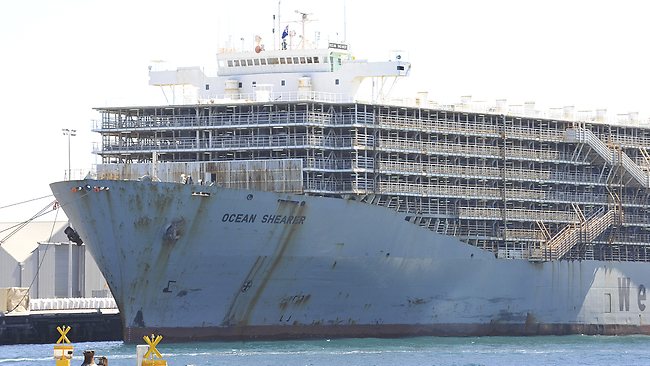
A ship containing approximately 50,000 sheep and 3,000 cattle that departed from New Zealand on June 11th arrived in Mexico on June 26th after 16 days at sea. It is the single largest shipment of live animals ever exported from New Zealand.
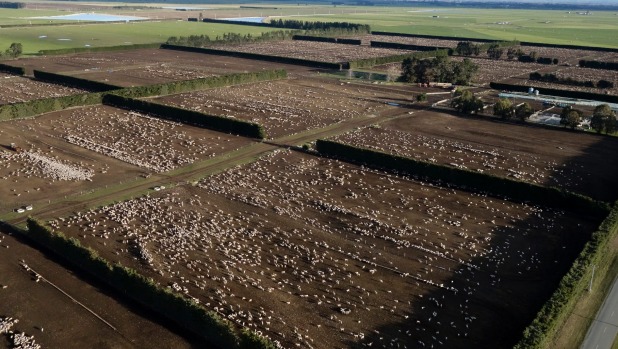
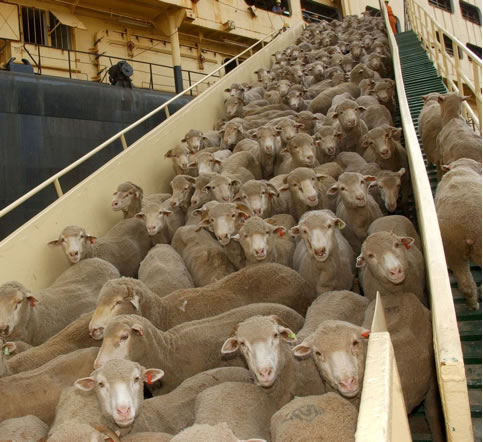
Sheep are held in pens in New Zealand prior to being loaded onto transport ship (photo: John Bisset/Fairfax NZ)
Sheep are held in pens in New Zealand prior to being loaded onto transport ship (photo: John Bisset/Fairfax NZ)

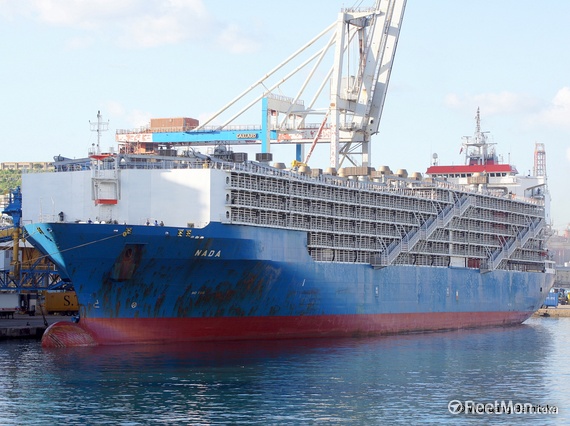
53,000 live animals were shipped from New Zealand to Mexico on the NADA

53,000 live animals were shipped from New Zealand to Mexico on the NADA

Given the long duration of the overseas journey, animal rights activists in New Zealand and Australia have expressed grave concerns about the welfare of the animals, who can suffer from malnutrition, starvation, heatstroke, respiratory disease, blindness from seawater spray and stress from 16 days of intensive confinement. Unloading 50,000 sheep, who are reportedly pregnant, and 3,000 cattle is expected to take several more days.

live-export-sheep copy

Unloading sheep from a live transport ship

Once on the ground, the animals will be loaded onto trucks and/or trains and transported for an additional 10-15 hours, according to advocates. The temperature in Mazatlan, the port where the cattle and pregnant sheep are being unloaded, is approximately 90°F (32° C), reaching up to 120°F (49° C) with the heat index.
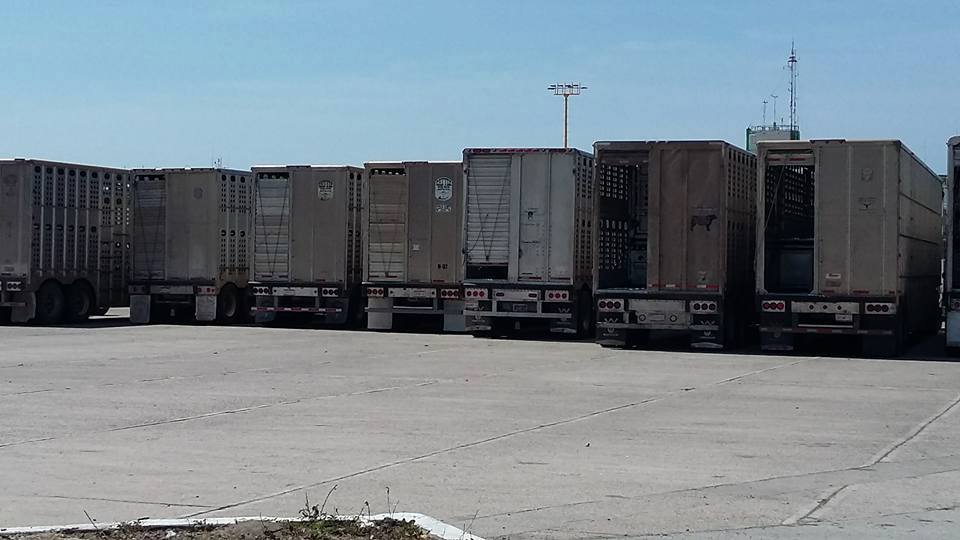
These trailers in Mazatlan, Mexico, are transferring the animals to their final destinations

These trailers in Mazatlan, Mexico, are transferring the animals to their final destinations

According to Animals Australia, which has conducted over 35 live export investigations, millions of animals have died during these voyages. In an interview with TV3 in New Zealand, Hans Kriek, the Executive Director of Save Animals From Exploitation in New Zealand said, “We understand that some animals have already died, but we have no idea about the numbers.”
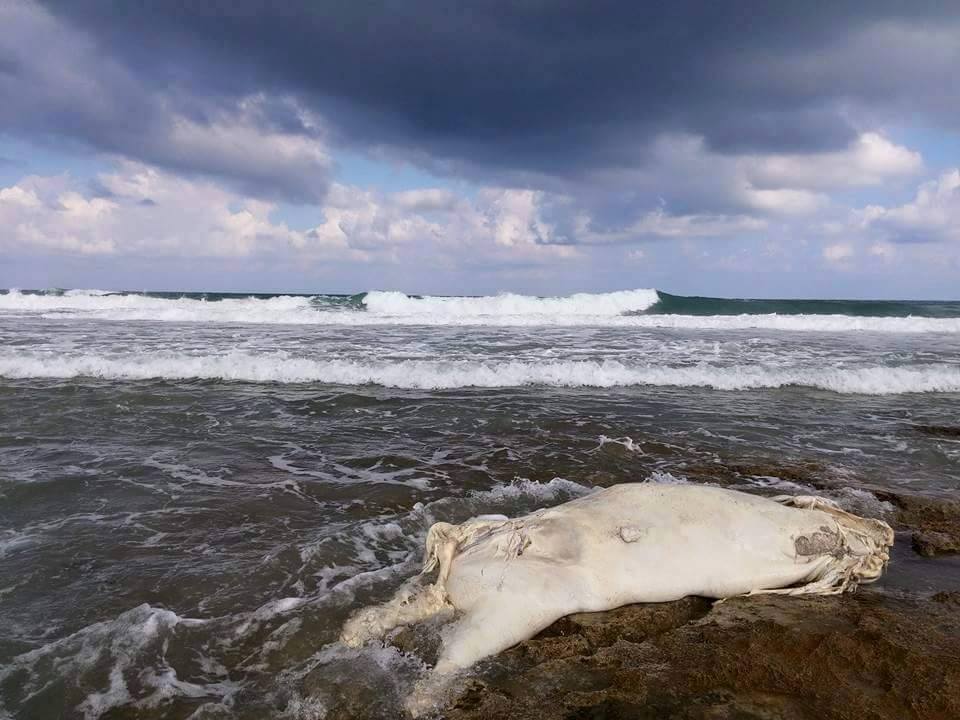
In the live export industry, dead and dying animals are dumped overboard

In the live export industry, dead and dying animals are dumped overboard. This cow washed up on shore.  (photo: Against Live Transports)

Mr. Kriek and other activists have been communicating with the advocacy groups in Mexico about documenting the arrival of ship and unloading of the animals. “I imagine the locals may be able to smell the ship before they can see it,” said another advocate who contacted TheirTurn about the shipment.
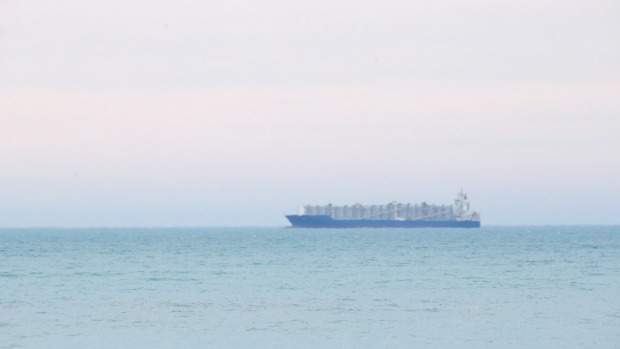
The ship NADA has transported 5,300 live animals from NZ to Mexico (photo:

NADA transported 53,000 live animals from NZ to Mexico (photo: Mitchell Bransgove/Fairfax NZ)

The company exporting the animals, Livestock and Agricultural Products New Zealand, insists the 53,000 animals are treated humanely, noting that the ship is staffed with a Mexican veterinarian and three experienced stockmen. In an interview with a meat industry trade journal, a company spokesman said that deckhands clean the cattle manure once every three days. The sheep, on the other hand, live in their own feces for the entire journey.

Live cattle on a typical transport live

Live cattle on a typical transport live

The government says that the animals shipped to Mexico will be used for breeding. Activists, however, are skeptical, as animals were reported to have been killed upon arrival during the last live export shipment to Mexico in 2007, when the government gave the same assurance.

Your Turn

Please join the campaign to ban live exports from New Zealand and Australia.


Filed under: Food
Tagged with: , , , , , ,

Atrocities Exposed in Secret Investigations Trigger Parliament Members To Condemn Live Exports

June 16, 2015 by Leave a Comment


The News

With an onslaught of videos exposing shocking abuses of Australian cattle, sheep and other animals shipped to foreign countries for slaughter, the campaign to ban live exports from Australia has reached a tipping point. And Members of Parliament (MPs) are finally speaking out:

“How many more exposés do we need before the government finally acts decisively to outlaw this vile trade?” – Andrew Wilkie, MP

“It seems there is no fate too cruel for Australian animals that would cause this government to pause.” – Melissa Parke, MP

“This abuse simply cannot continue to occur. My electorate has had enough. And so have I.” – Michelle Rowland, MP

The long-awaited criticism from elected officials comes on the heels of new undercover investigations in Vietnam and Israel, two of the 19 countries to which Australia ships over three million live animals for slaughter each year.

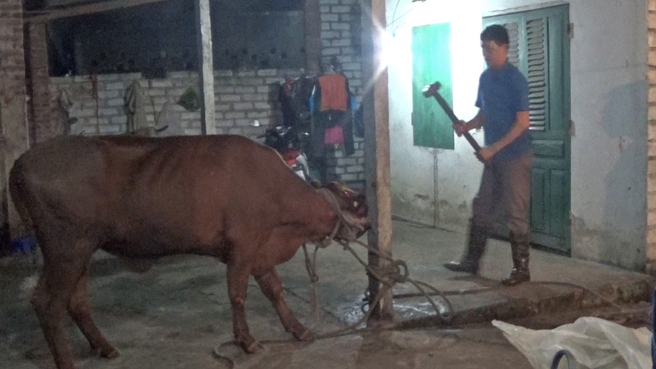
In May, Animals Australia documented workers in Vietnam using sledgehammers to kill Australian cattle. The footage is so “shocking” and “distressing” that the organization decided not to release it.

Vietnamese workers slaughter Australian cattle with sledgehammers

Vietnamese workers slaughter Australian cattle with sledgehammers

In spite of the live export industry’s own admission that they cannot track the animals once they arrive in Vietnam, the Australian government has continued to allow weekly shipments.

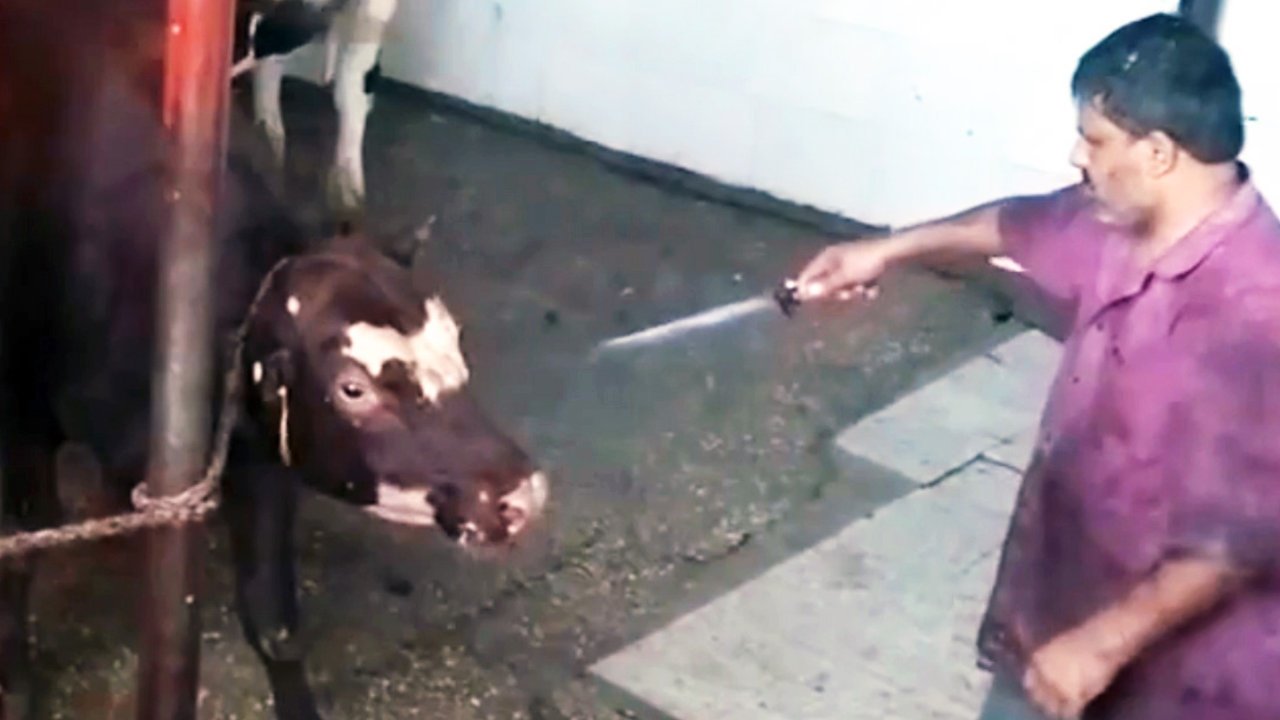
Just three weeks after exposing the atrocities in Vietnam, Animals Australia released footage of workers in Israel slitting the throats of Australian cattle while they were still conscious and then hanging them upside down. The footage, which also shows workers dragging cattle by their legs and tails, prompted Israeli authorities to shut down the slaughterhouse, the largest in Israel.

Advocates argue that ESCAS (Exporter Supply Chain Assurance System), a program introduced in 2011 to protect Australian animals shipped abroad for slaughter, does not – and cannot – work, as tracking millions of animals once they arrive in foreign countries is logistically impossible.

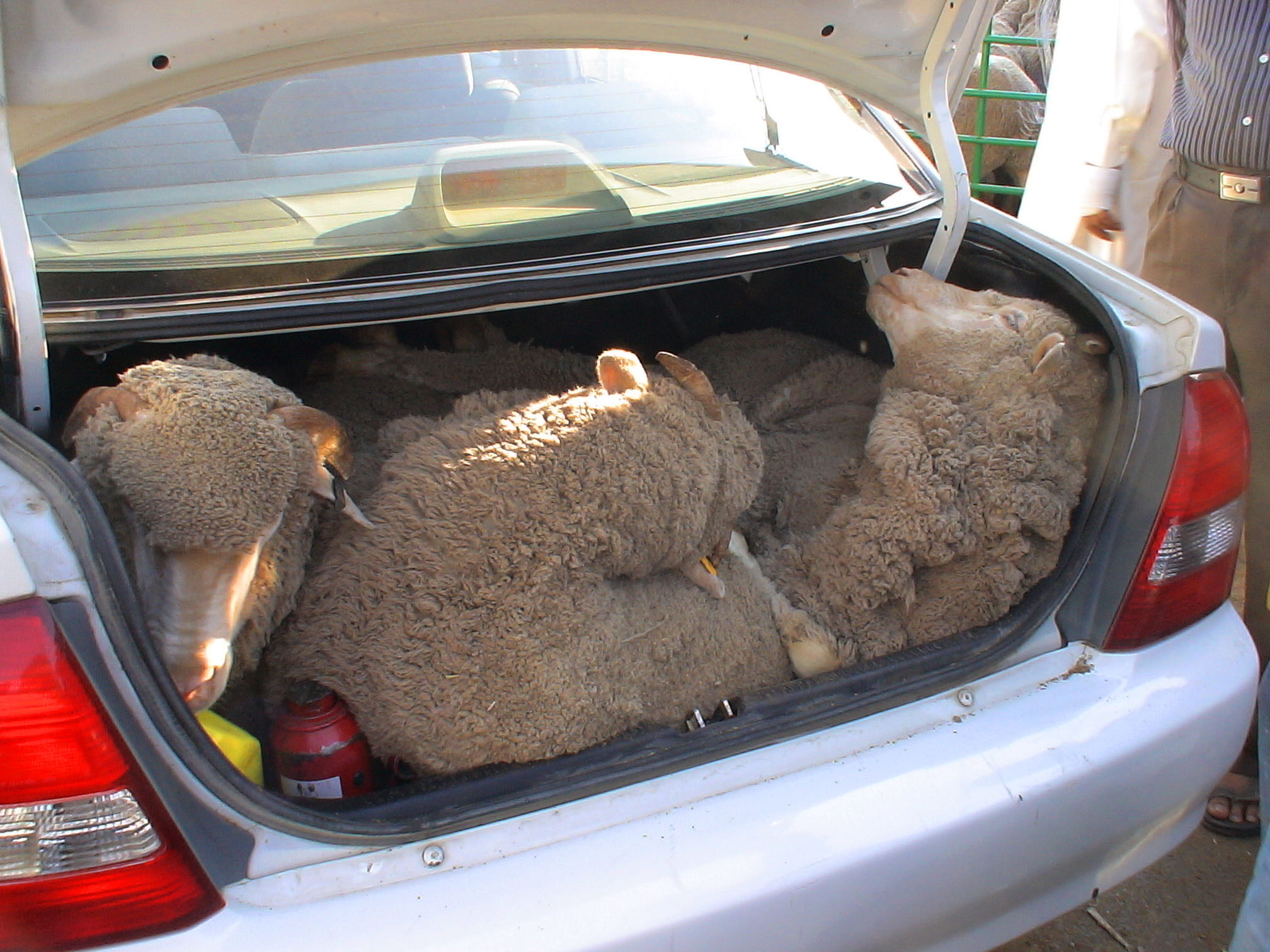
Live sheep exported from Australia

Live sheep exported from Australia

In fact, Australian authorities cannot even protect animals in the slaughterhouses that have their stamp of approval, as evidenced in the most recent undercover investigation in Israel.

Israel's largest slaughterhouse, which had the stamp of approval by Australian authorities, was shut down after Animals Australia released footage of cattle being tortured during the slaughter process.

Israel’s largest slaughterhouse, which had the stamp of approval by Australian authorities, was shut down after Animals Australia released footage of cattle being tortured

In spite of mounting evidence demonstrating the failure of ESCAS, Australia’s Agricultural Minister, Barnaby Joyce, continues to defend and even promote it, describing it as a “model” welfare program that other countries should emulate. But his remarks are beginning to wear thin with Members of Parliament, who have received an onslaught of calls from constituents in recent years.

“To the people who have taken the time to contact me about this, I want to say that your activism is really having an impact,” -Clare O’Neil, MP

“Constituents are contacting my office in astonishing numbers.” – Adam Bandt, MP

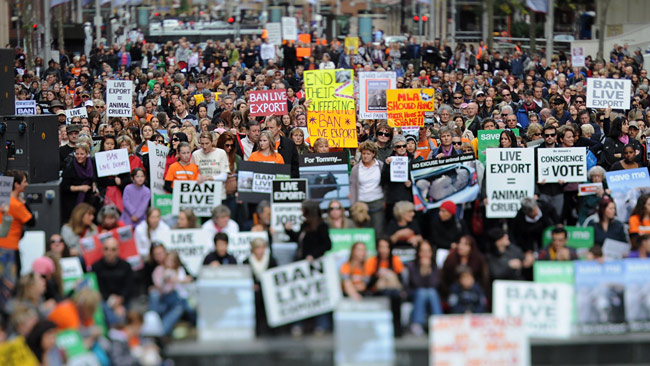
Live export protest in Sydney (photo: James Morgan)

Live export protest in Sydney (photo: James Morgan)

Had Animals Australia not sent undercover investigators into Vietnam and Israel, the abuses would have never been exposed. Footage from these and 33 other investigations demonstrates that ESCAS cannot protect animals, even in countries that have legal protections in place for them.

Australian cow in Gaza (photo: Animals Australia)

Australian cow in Gaza (photo: Animals Australia)

In Australia’s live export trade, abuse is not limited just to the countries where the animals are shipped. During the overseas journeys, which can last up to several weeks, animals get sick and die in their cramped spaces on the ships. According to Animals Australia, millions of animals have died during transport.

Photo: Animals Australia

Live export ships can transport tens of thousands of animals in cramped spaces (photo: Animals Australia)

Live export of sheep from Australia to the Middle East and Asia

Australian sheep are unloaded from a transport ship in the Middle East

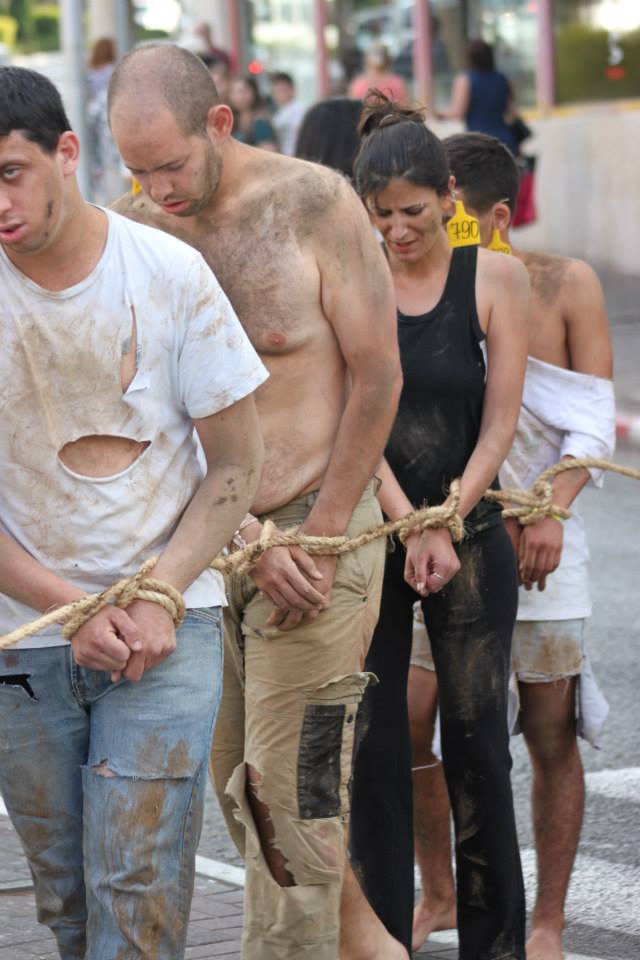
In recent years, the fight to ban Australia’s live export trade has gone global. On April 15th, animal rights activists in the United States staged a protest at the Australian consulate in Los Angeles. The organizer, Loretta Smalls, said it was “a show of solidarity with thousands of our Australian brothers and sisters who are fighting to ban the horrific practice.” In Israel, the group Against Live Transports has employed street theater to educate the public as part of its growing campaign to outlaw the importation of live animals from Australia.

Israeli activists as animals

Israeli activists use street theater to protest the importation of live animals from Australia

Your Turn

To find out how you can help end the live export trade, please visit Animals Australia.


Filed under: Food, Investigations
Tagged with: , , , , , ,

Animal Rights Activist Being Sent to Jail: “The Animals Have it Far Worse.”

June 8, 2015 by Leave a Comment


The News

Amber Canavan is spending the month of July in jail. Her crime? Entering a foie gras facility, where tens of thousands of ducks are intensively confined and force fed through metal pipes, and rescuing two of them.

Amber Canavan entered Hudson Valley Foie Gras to document and expose the cruelty

Amber Canavan entered Hudson Valley Foie Gras to document and expose the cruelty

“We still live in a world where people who commit the abuses are victims and those who expose them are criminals,” said Ms. Canavan. “I don’t want to go to jail, but my time there will be a cakewalk compared to what animals are forced to endure in foie gras factories.”

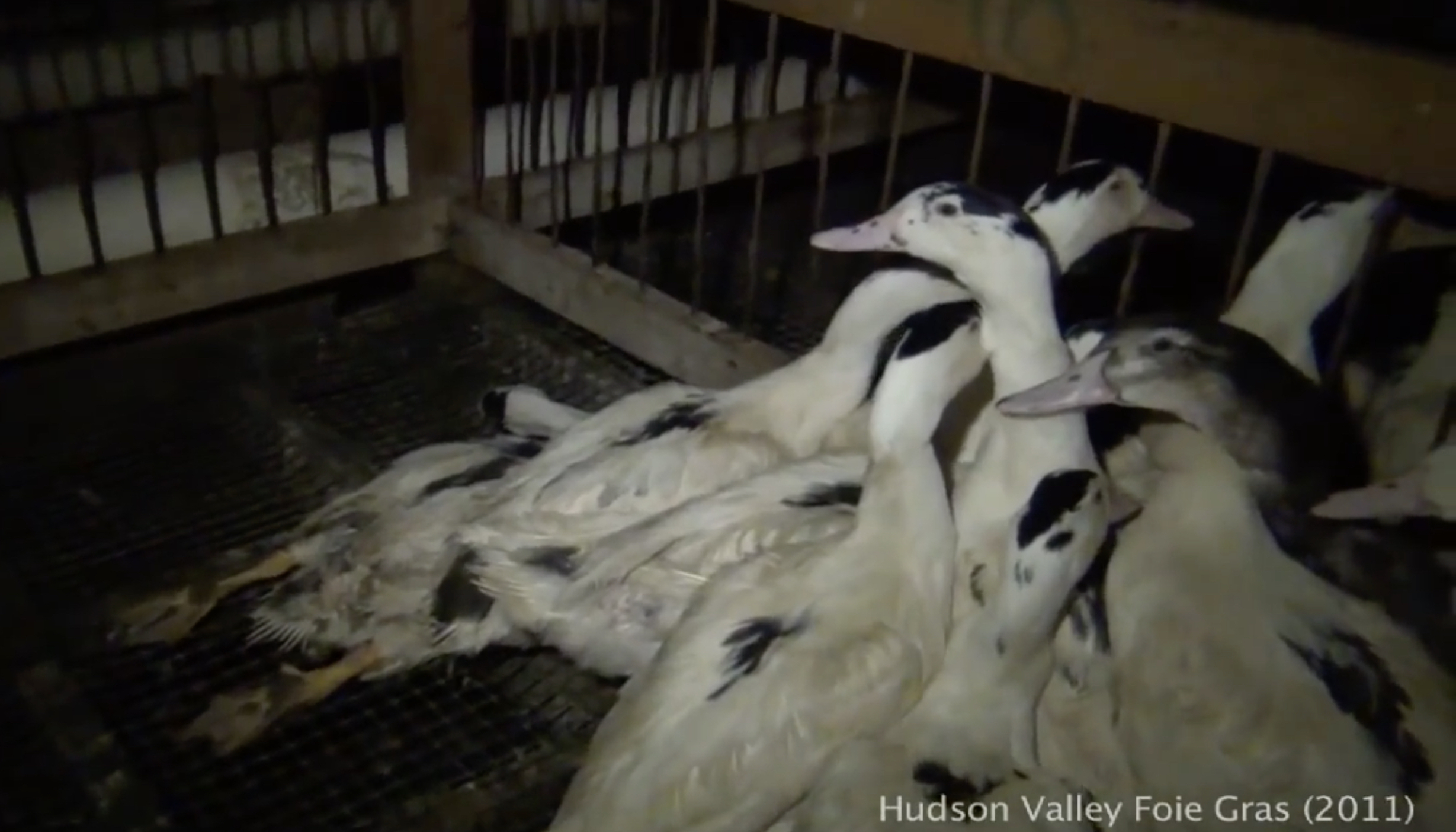
Ducks cower in fear at the side of their cage at Hudson Valley Foie Gras (photo: still shot from footage taken by Amber Canavan)

Ducks cower in fear at the side of their cage at Hudson Valley Foie Gras (photo: still shot from footage taken by Amber Canavan)

In 2011, Ms. Canavan and another activist whose identity she has protected paid a late night visit to Hudson Valley Foie Gras in upstate New York, the largest foie gras producer in the United States. While there, she documented the “deplorable” conditions in which the ducks are kept. The footage she captured was used in a foie gras exposé produced by the Animal Protection and Rescue League and narrated by actress Wendy Malick.

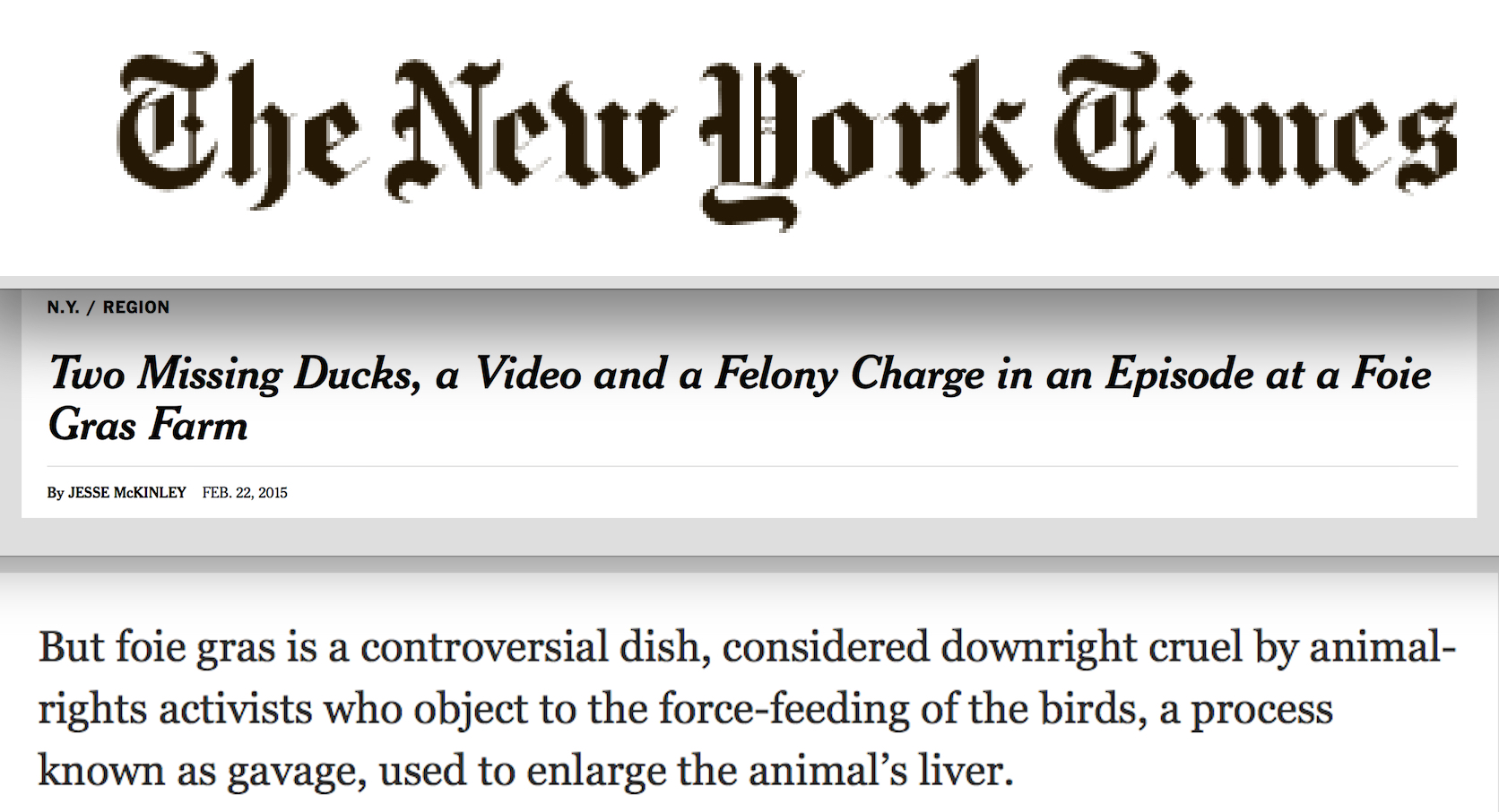
In February, the NY Times published a lengthy story about the incident, which linked to the video and informed readers about the “force feeding” required to produce this “controversial” dish. “I take comfort in the fact the NY Times article and the footage that I took have helped to expose the atrocities being committed against these animals,” said Ms. Canavan.

Excerpt from NY Times story about Amber Canavan and Hudson Valley Foie Gras

Excerpt from NY Times story about Amber Canavan and Hudson Valley Foie Gras

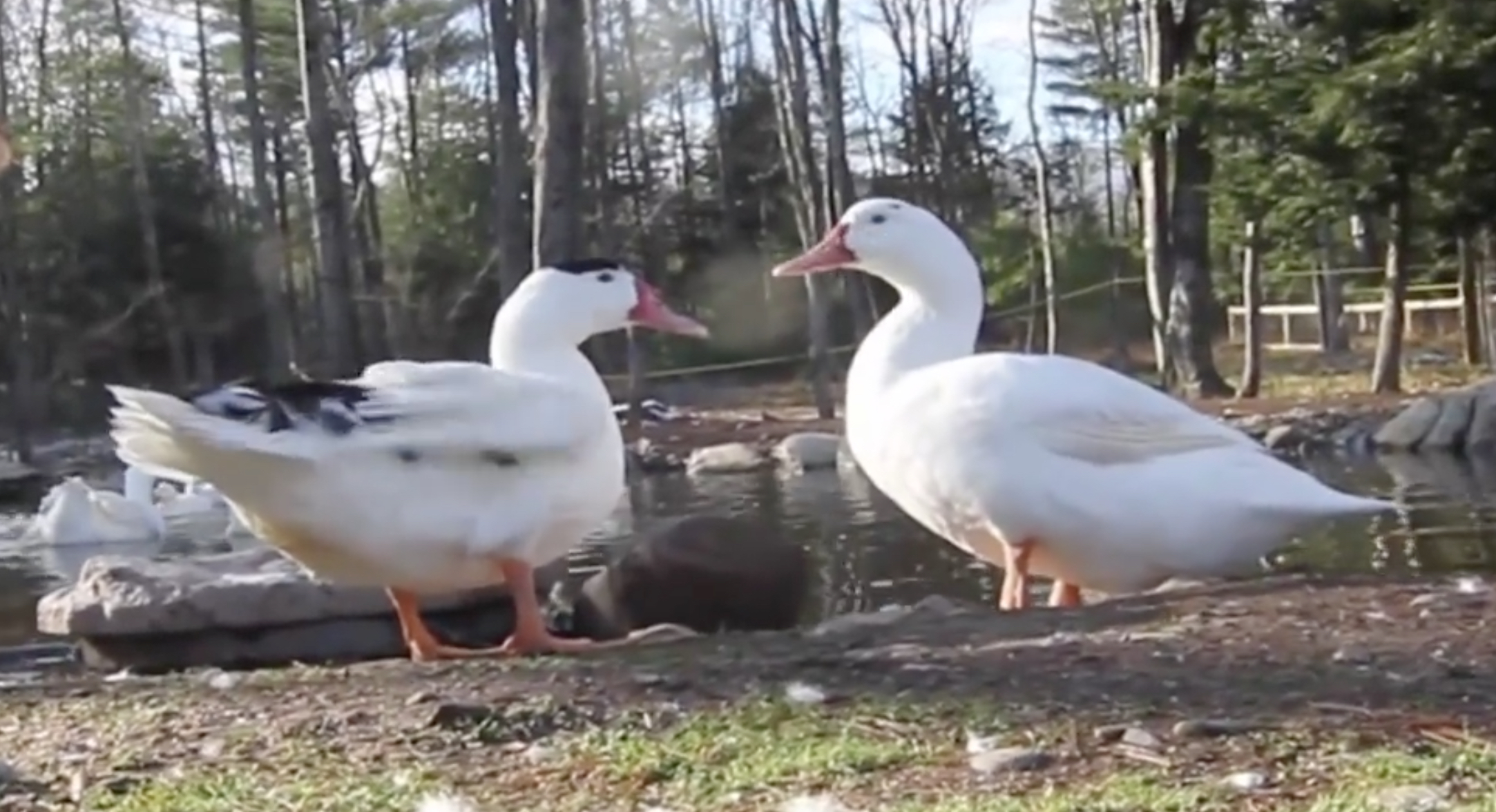
After several weeks of intensive care, the two ducks rescued by Ms. Canavan recovered from their injuries and are “flourishing” at a sanctuary, where they have access to fresh air, proper care and water for swimming. Ducks and geese are aquatic animals, but they have no access to water in foie gras factories.

Ducks are aquatic animals but have no access to water in foie gras factories. These two ducks were rescued by Amber Canavan.

Ducks are aquatic animals, but they have no access to water at Hudson Valley Foie Gras and other foie gras producers. These two were rescued by Amber Canavan.

The campaign to expose foie gras cruelty and hold restaurants that serve it accountable has intensified in recent years. Since 2014, activists in the U.K. with Hertfordshire Animal Rights and London Vegan Actions (LVA) have compelled at least 10 restaurants to stop selling foie gras. In recent months, LVA has staged provocative disruptions inside of establishments that refuse to remove the “delicacy of despair” from the menu.

https://youtu.be/DwwaSpy_ZB8?t=46s

Amber Canavan will complete her jail term at the end of July, but her punishment won’t stop there. For the next five years, an order of protection – a penalty intended to protect victims of stalkers or domestic violence – will prevent her from campaigning against Hudson Valley Foie Gras. Ms. Canavan hopes that the court’s breach of her civil liberties and “heavy-handed” jail sentence backfire by triggering activists to convince as many restaurants as possible to drop foie gras.

Your Turn

Amber sacrificed her safety, freedom and financial security to expose the plight of animals exploited and killed for foie gras. Now, she needs help. Please make a tax deductible donation to her legal defense fund.


Filed under: Food
Tagged with: , , , , , ,

Using Bodies of The Deceased to Advocate for The Living

May 30, 2015 by Leave a Comment


The News

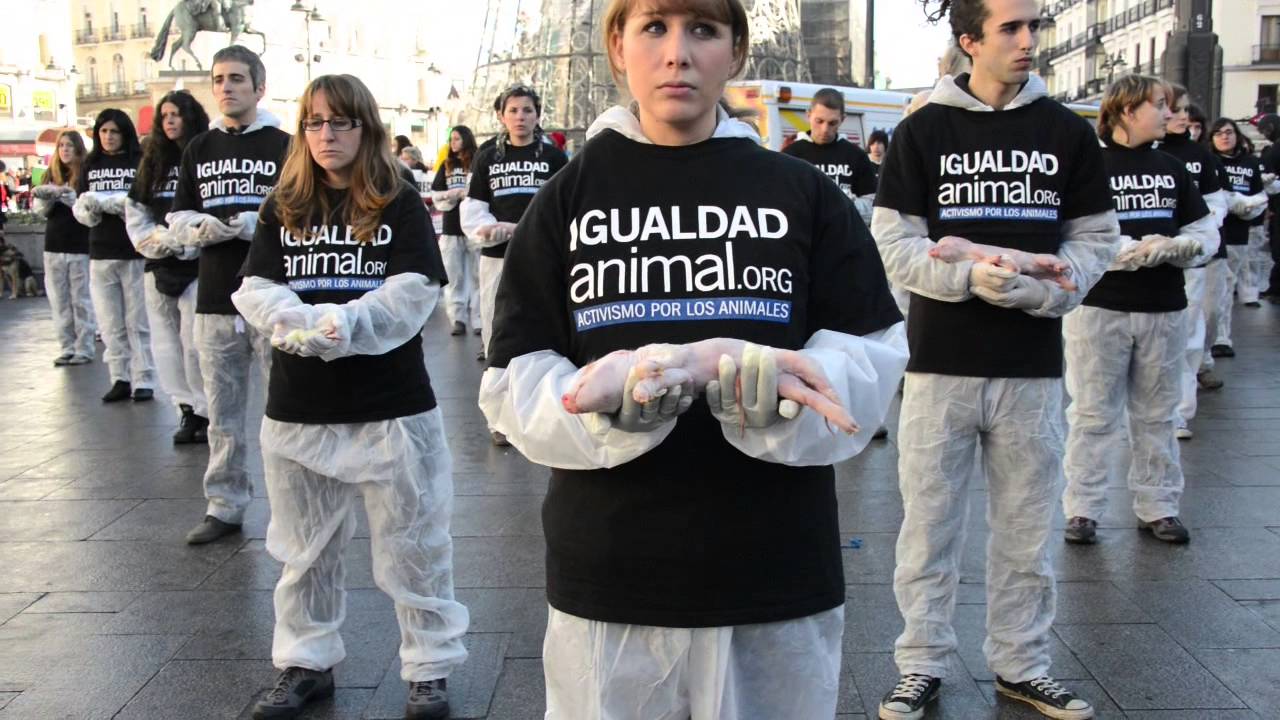
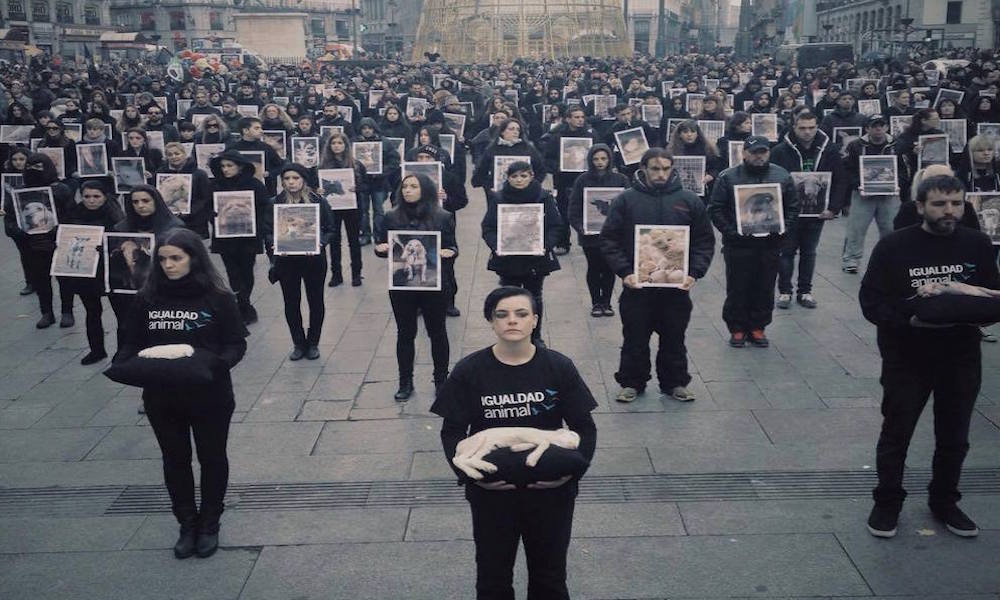
On a trip to Spain in 2010, Aylam Orian, an actor and filmmaker from Los Angeles, stumbled upon a public spectacle that would change his life forever — a ceremony in which dozens of animal rights activists displayed the bodies of dead animals to help observers make the connection between the animals they were seeing and the food on their plates. It was an event so provocative and impactful that it inspired Mr. Orian to replicate it in the United States.

animal-rights-ceremony-spain

Igualdad Animal (Animal Equality) stages animal rights rally in Spain

Animal Rights rally in Spain

Animal rights rally in Spain

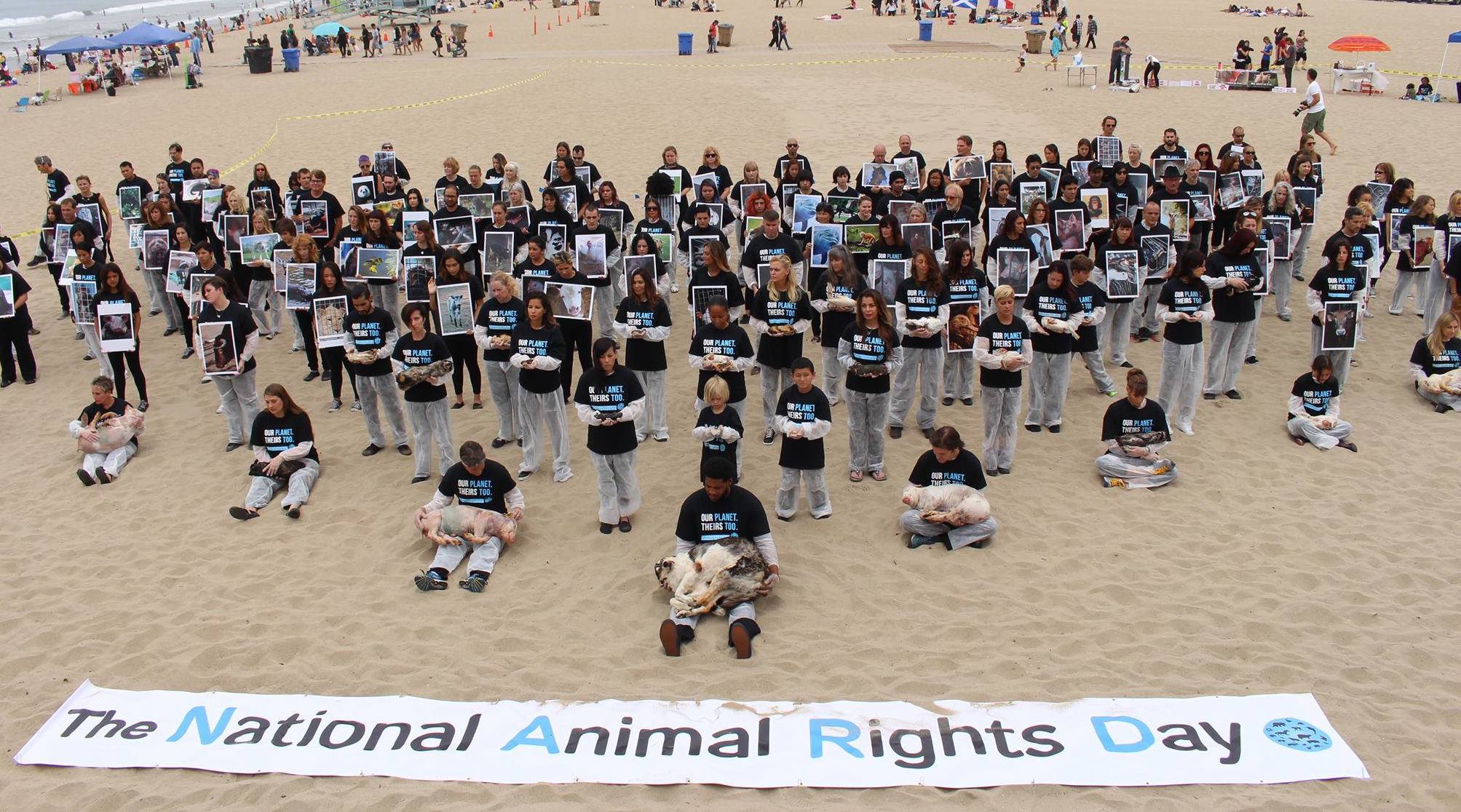
Five years later, Mr. Orian is, with the help of dozens of volunteers, producing the fifth National Animal Rights Day (NARD), with rallies in eight cities in the U.S. and Canada that are expected to attract over 1,000 participants.

2014 National Animal Rights Day

2014 National Animal Rights Day in Los Angeles

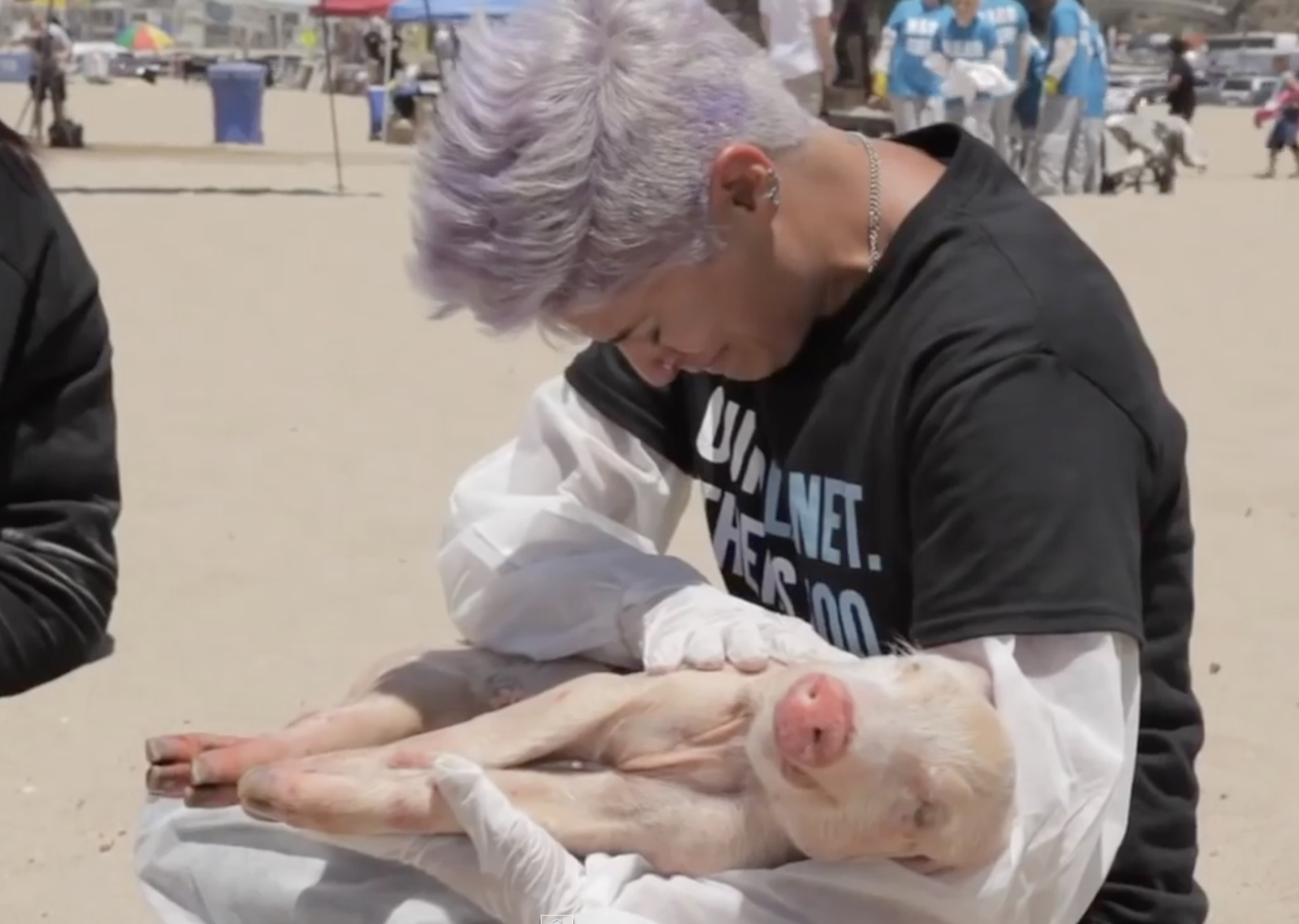
The use of animals’ bodies has its critics, but Mr. Orian asserts that the tactic helps observers connect the dots: “Most people never see farm animals in their lives; they only see their body parts on their plates. When we show them what these animals look like in the flesh, cradled in our arms like you would cradle a baby or a beloved pet, they feel something. Many stop to ask questions, and that gives us a chance to inspire them to change their lifestyle.”

National Animal Rights Day ceremony observers

National Animal Rights Day ceremony observers (photo: John Hays)

2013 National Animal Rights Day ceremony in Los Angeles (photo: Sarah Jane Hardt]

National Animal Rights Day Founder Aylam Orian in 2013 (photo: Sarah Jane Hardt]

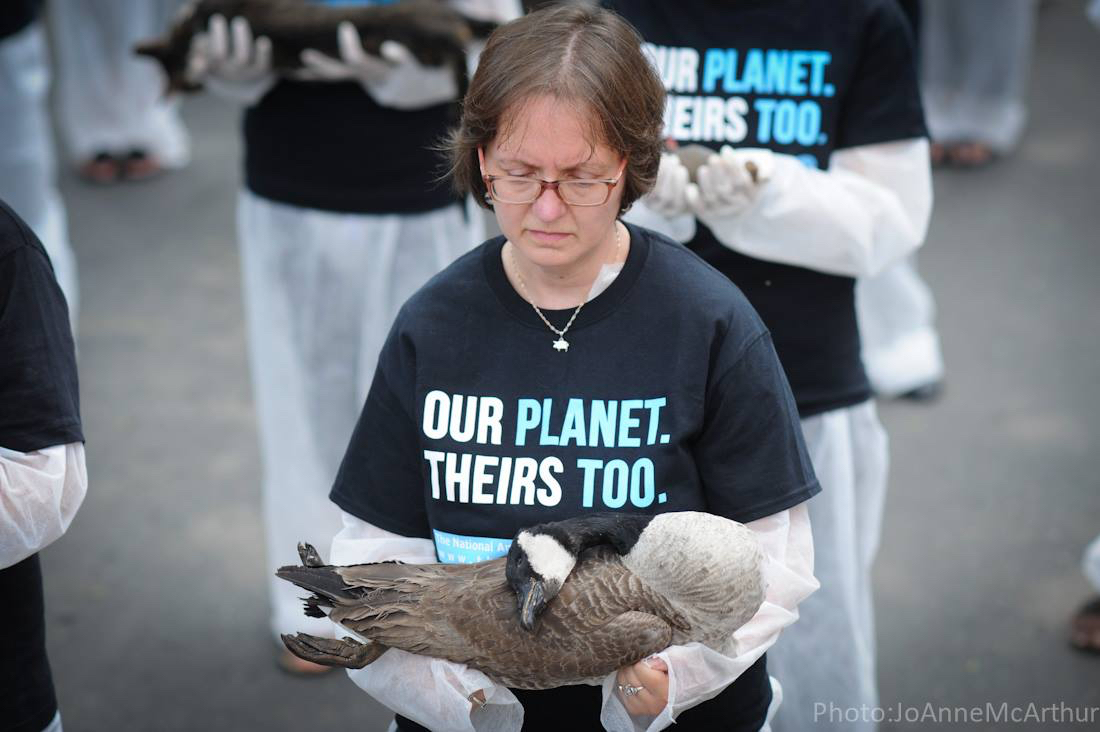
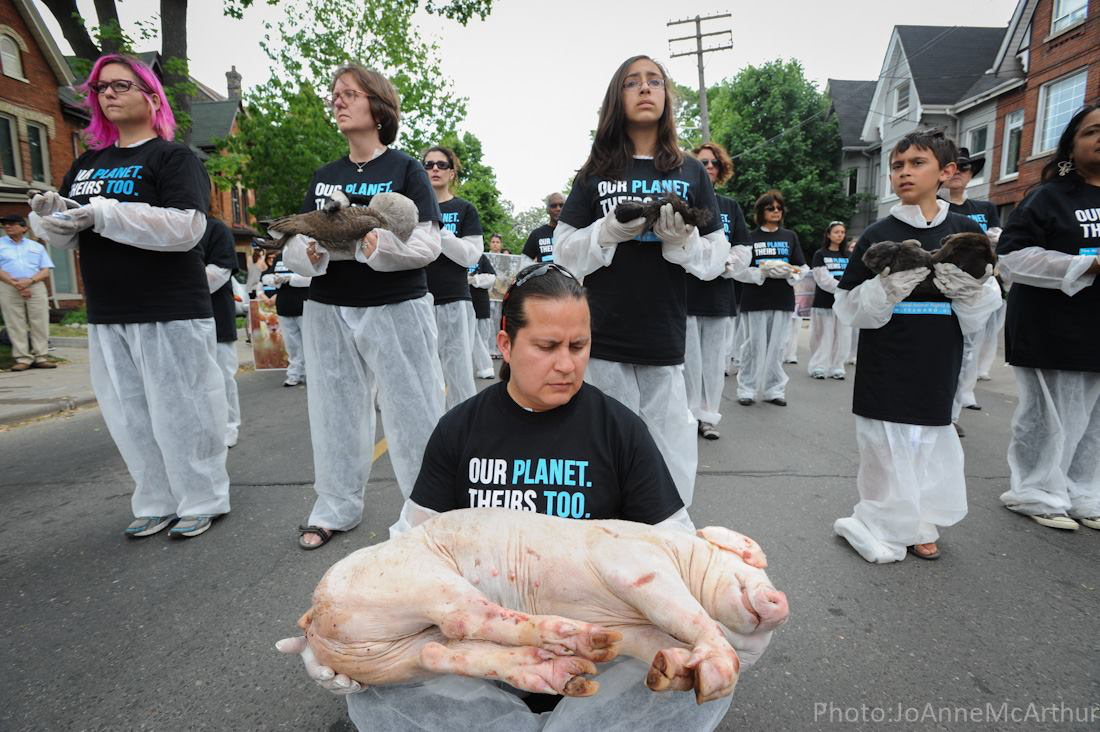
2015 National Animal Rights Day in Toronto, Canada

2015 National Animal Rights Day in Toronto, Canada (photo: Joanne McArthur)

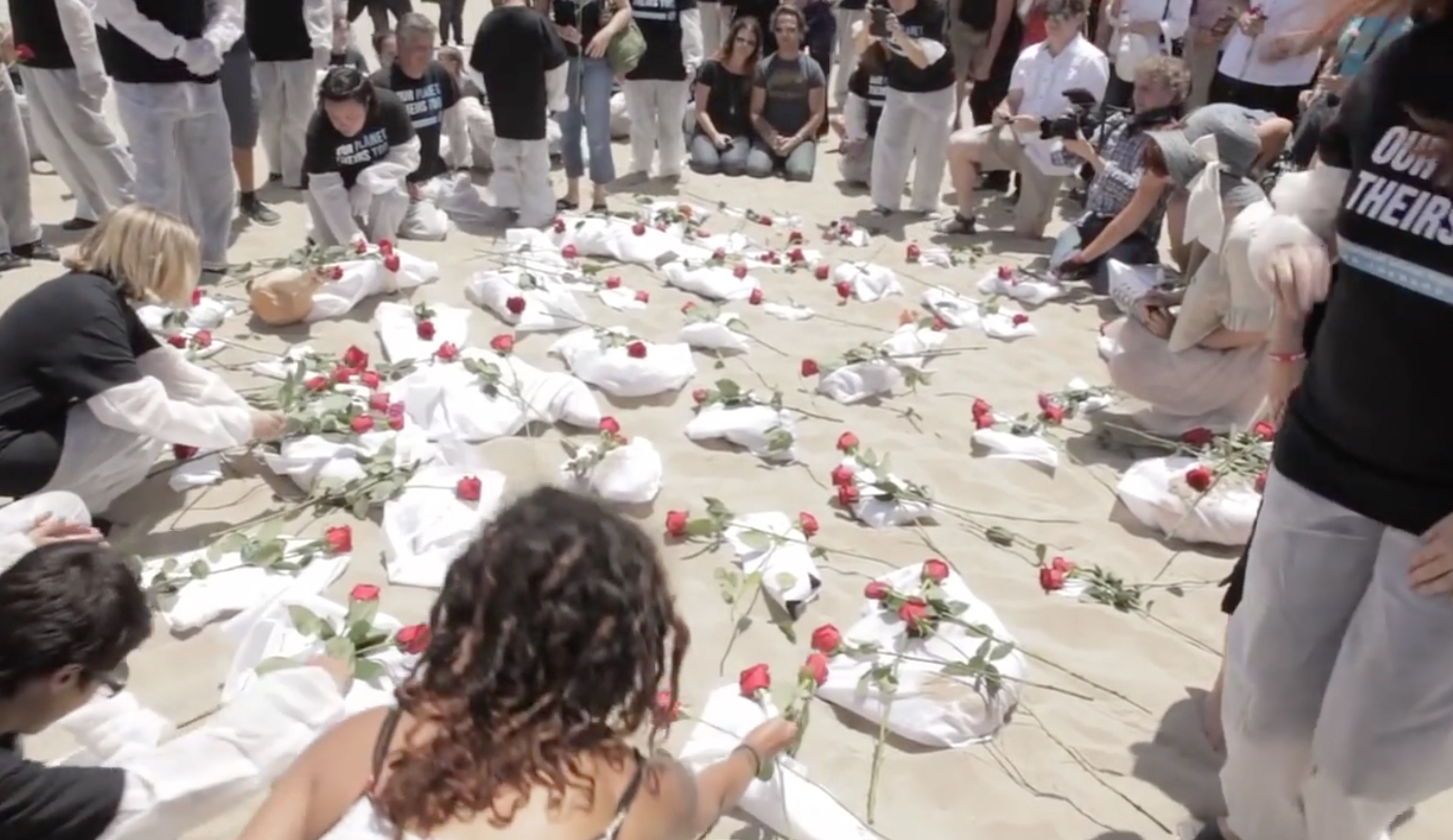
When people criticize the ceremony, Mr. Orian explains that the deceased animals, all of whom were donated, are treated with exceptional respect: “Instead of being ground up in a rendering plant or thrown into the garbage, we clean them, treat them with dignity and, after the ceremony, cremate them and spread their ashes. It’s the only tenderness most of these animals will ever receive.”

Animal rights activists pay their respects

Animal rights activists pay their respects at a National Animal Rights Day ceremony

2015 National Animal Rights Day in Los Angeles (photo: Carole Raphaelle Davis)

2015 National Animal Rights Day in Los Angeles (photo: Cameron Wapner)

Jane Velez-Mitchell of Jane UnChained spoke to Mr. Orian to talk about National Animal Rights Day, the controversial use of deceased animals and the impact of the rallies on the public.

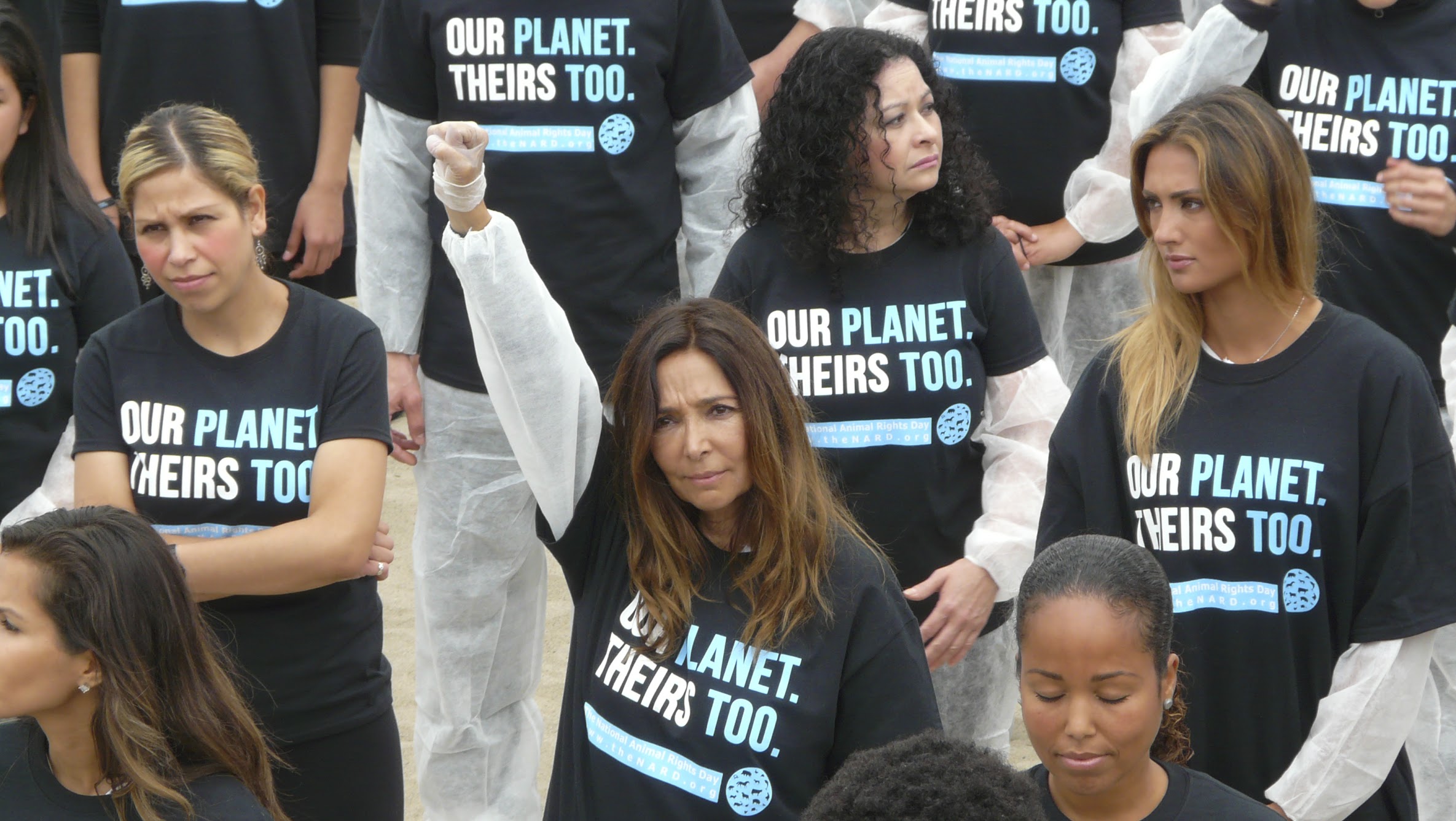
The National Animal Rights Day ceremonies are produced by Mr. Orian’s newly-incorporated charity, Our Planet, Theirs Too, and are taking place on May 30th in Los Angeles, San Francisco, Colorado Springs, Seattle, Toronto and Ottowa and on June 7th in New York and Northampton (MA).

2015 National Animal Rights Day Toronto, Canada

2015 National Animal Rights Day Toronto, Canada (photo: Joanne McArthur)

National Animal Rights Day 2015

National Animal Rights Day 2015 (photo: John Hays)


Filed under: Clothes, Food
Tagged with: , , ,

London Activists Stage Provocative Disruptions Inside Restaurant that Serves Foie Gras

May 22, 2015 by Leave a Comment


The News

If you own a restaurant in London, you’d better think twice before serving foie gras. That is because London Vegan Actions, an animals rights group that “turns actions into victories,” could very well disrupt your diners – over and over – until you take it off the menu.

https://youtu.be/DwwaSpy_ZB8

Disruptions inside of restaurants have triggered much debate within the animal rights community. Some activists say that loud disruptions alienate the target audiences; others argue that they prompt customers to consider what – or who – they are eating and that they trigger exasperated restaurants to stop serving the most controversial of foods.

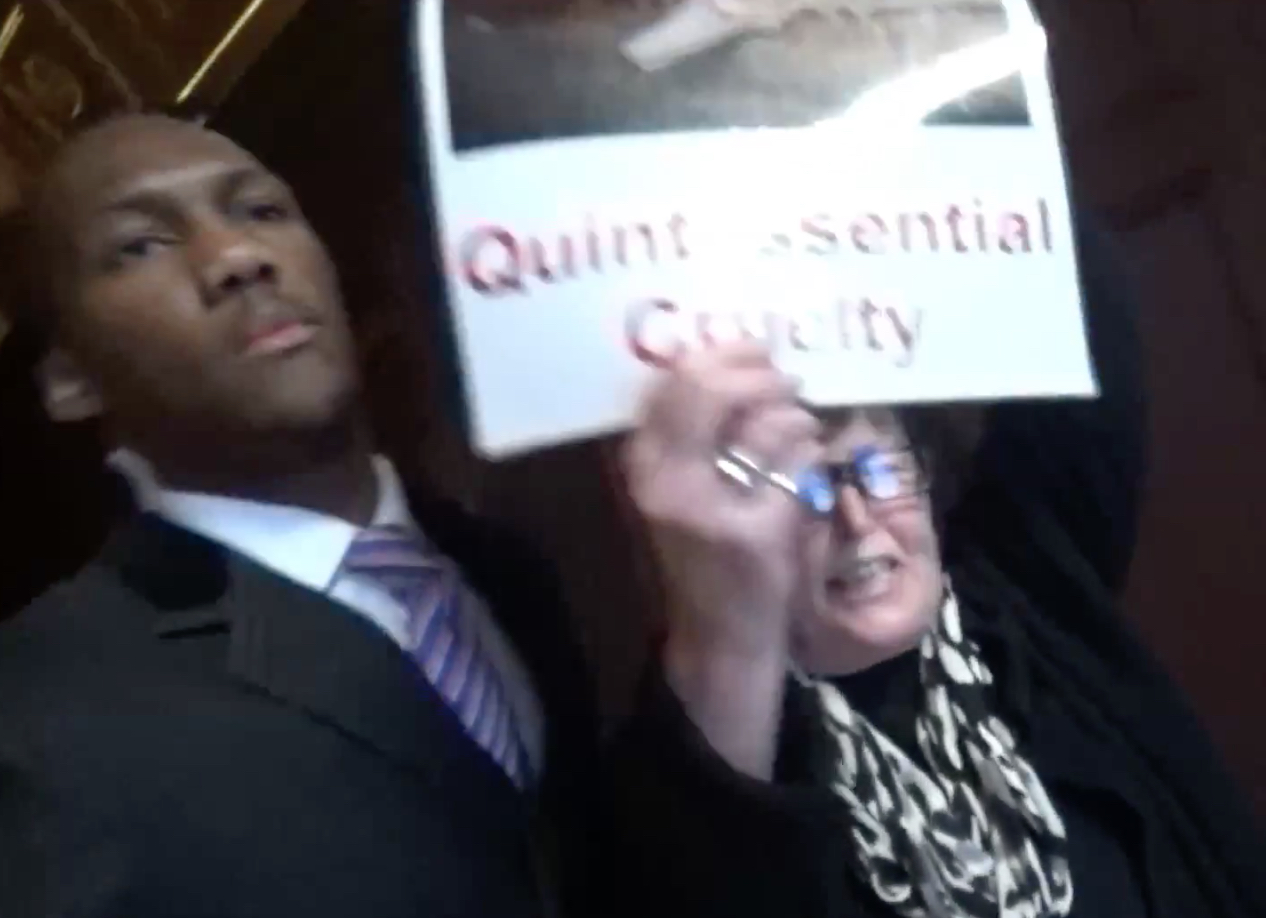
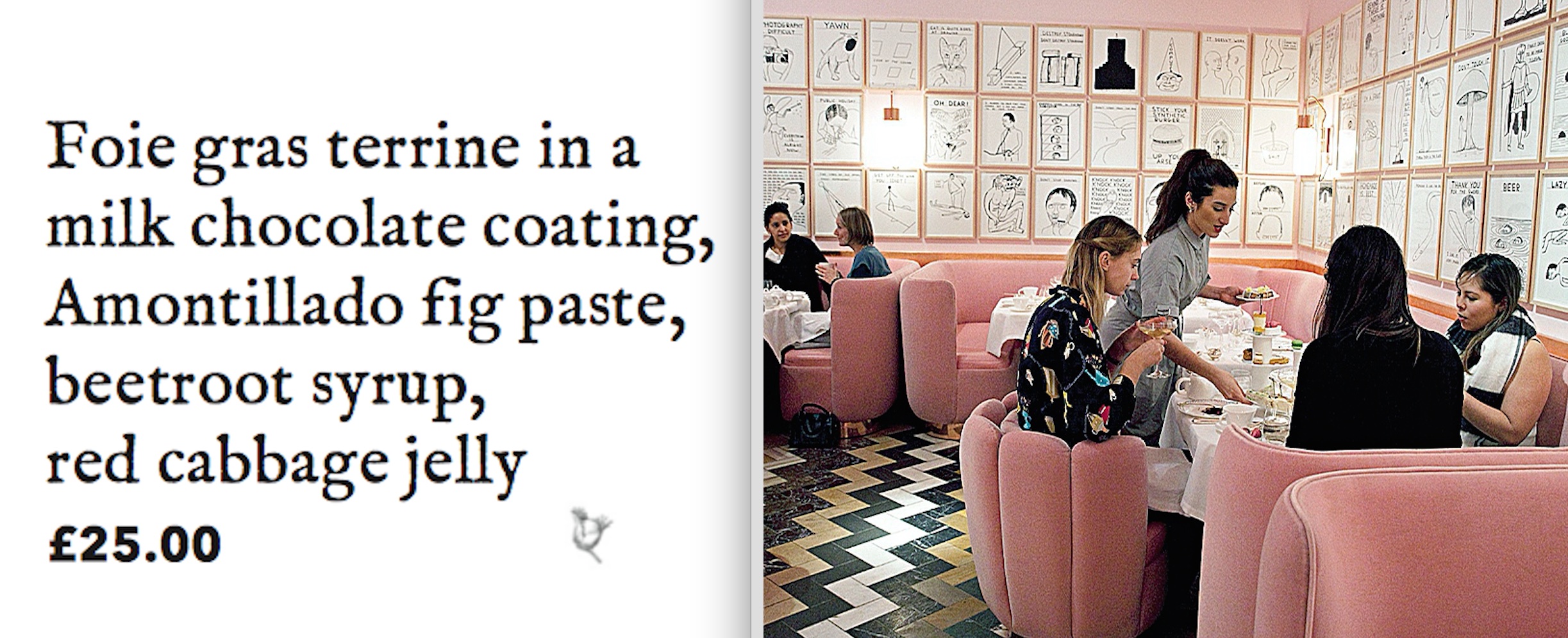
Security guard expels one of the activists who staged disruption inside of Sketch

Security guard expels an animal rights activist who staged a disruption inside of Sketch, a restaurant in London that sells foie gras

After four weeks of disruptions, the restaurant Sketch, the group’s current target, continues to sell foie gras, and London Vegan Actions is showing no signs of backing down. After all, they argue, “you cannot even legally produce foie gras in the U.K. due to the cruelty, which is why 16 countries have banned its production.” Protests are planned on May 22nd and May 23rd.

Sketch restaurant is the target of animal rights protests because it sells foie gras

Sketch restaurant is the target of animal rights protests because it sells foie gras (photo: Karen Robinson, The Guardian)

Activists show video of foie gras production inside restaurant

Activists have displayed video of foie gras production inside of Sketch

A van filled with police officers arrives at at foie gras protest at Sketch restaurant in London

A van filled with police officers arrives at at foie gras protest at Sketch

In late April, Alexis Gauthier, the chef and owner of Gauthier restaurant, decided to take foie gras off of his menu after London Vegan Actions staged three disruptive protests.

Alexis Gauthier, the chef owner of Gauthier Restaurant in London, is dragged back into restaurant as he asks protesters if they are wearing leather shoes.

An angry customer at Gauthier accuses protesters of wearing leather shoes as his dining companion attempts to drag him into the restaurant

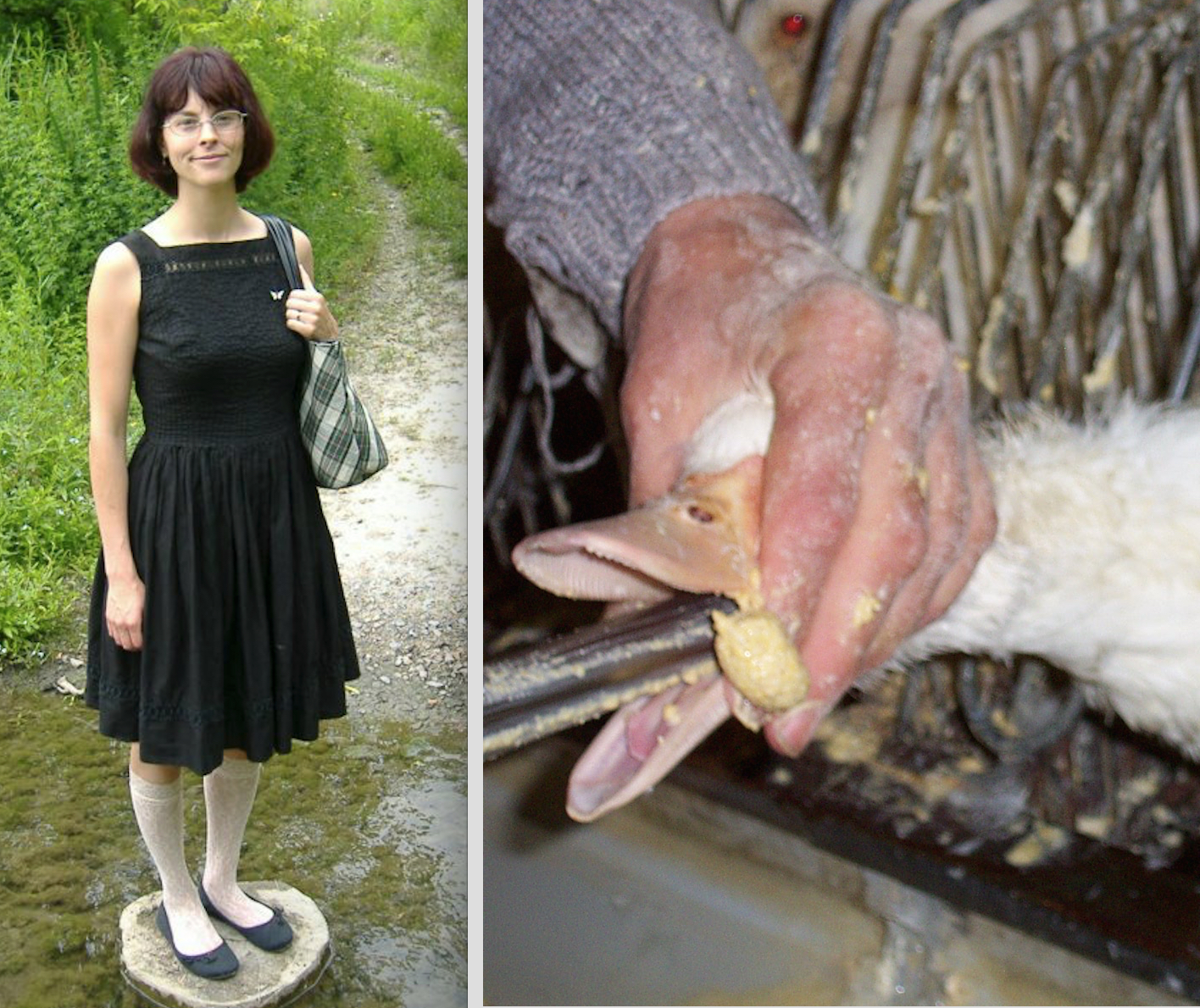
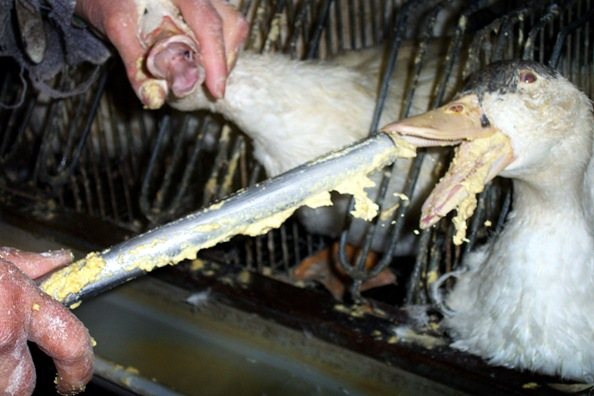
Foie gras, which is often described by activists as a “delicacy of despair,”  is produced by force feeding ducks and geese through metal pipes until their livers become diseased, swelling up to ten times their normal size. The pipes are inserted 12″ down their esophaguses three times daily in the weeks leading up to slaughter.

Gavage, force feeding

Gavage, the process by which the birds’ livers are fattened, is French for force feeding.

In 2013, the U.S.-based advocacy group Mercy For Animals used hidden cameras at the nation’s largest producer to document the abuse inherent in foie gras production:

London Vegan Actions isn’t the only group in the U.K. advocating on behalf of battered ducks and geese. Hertfordshire Animal Rights stopped the sale of foie gras at seven U.K. restaurants in 2014.

Your Turn

Please ask Sketch to take foie gras off the menu by sending an email to info@sketch.london, tweeting or posting a message on the restaurant’s Facebook page.


Filed under: Food
Tagged with: , ,