
Their Turn - The Social Justice Movement of Our Time Their Turn - The Social Justice Movement of Our Time

In Daring Public Action, Animal Rights Activists Liberate Innocent Death Row Prisoners

May 13, 2015 by 6 comments


The News

On May 8th, animal rights activists in Dublin, Ireland, liberated nine lobsters from a Chinese restaurant and released them into their natural habitat, giving them the chance to live and generating widespread media attention about the cruelty of boiling live animals.

Animal rights activists scoop lobsters out of small tank in Dublin restaurant
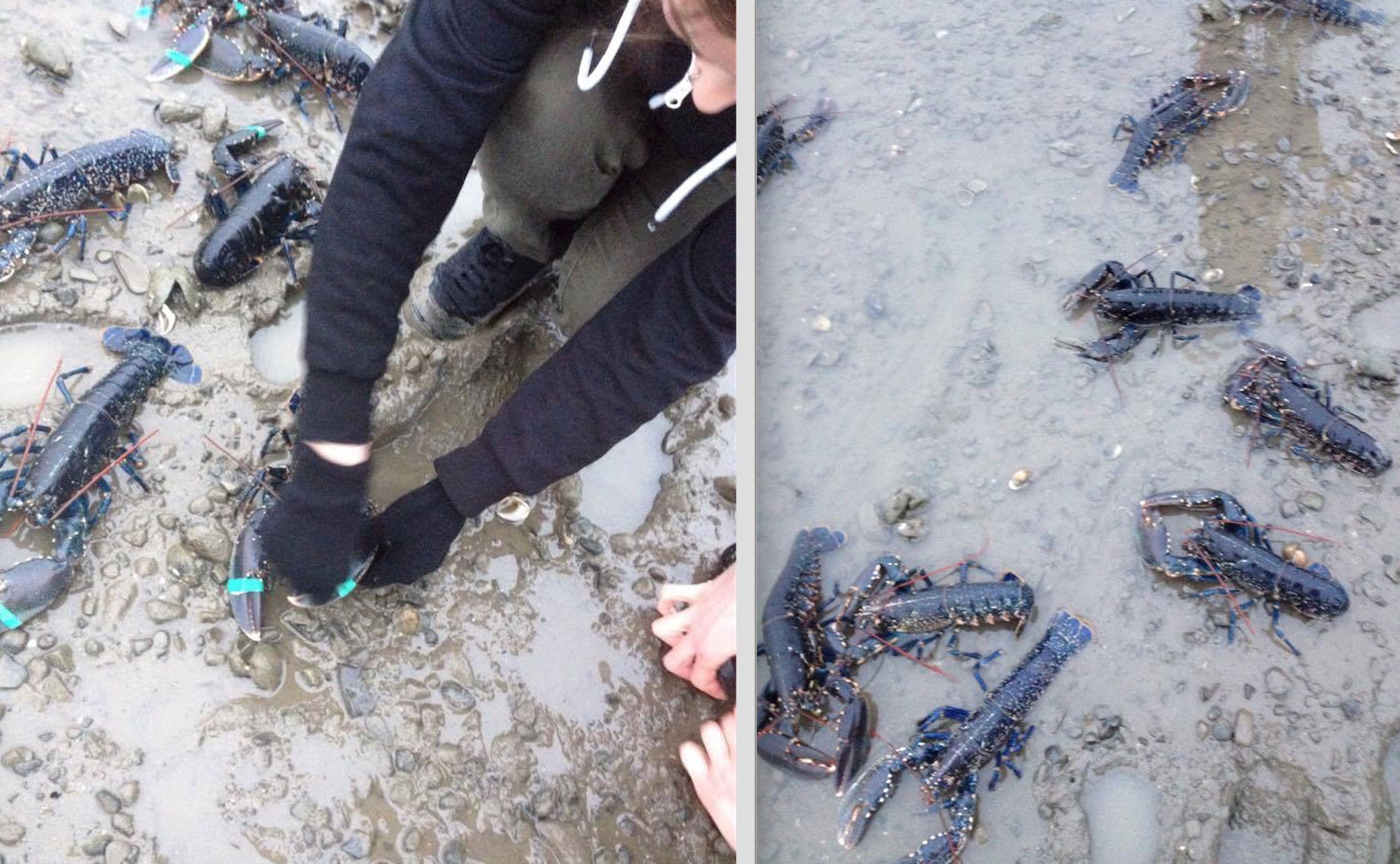
Animal rights activists scoop lobsters out of small tank in Dublin restaurant

Activists remove rubber bands from lobster claws before releasing them into the sea. (photo: NARA)

Activists remove rubber bands from lobster claws before releasing them into the sea. (photo: NARA)

In an interview with BBC, the founder of the National Animal Rights Association (NARA), Laura Broxson, said that the activists were motivated by compassion in what was a “life or death” situation for the lobsters: “They were free and had the chance to live, rather than facing certain death by being boiled alive.”

By intentionally revealing their faces while filming the liberation (“Open Rescue”), the participants could face legal consequences, a risk that some activists take in order to show the public that they are regular, relatable people, not the mask-wearing “terrorists” portrayed in the media. The real terrorists, they argue, are those who exploit and kill animals, not those who rescue them from egregious abuse and imminent death.

In January, activists with London Vegan Actions used a different approach to advocate for lobsters – staging a loud disruption on their behalf inside of a restaurant that serves them at multiple locations. Using a megaphone, they chanted, “If you want to get some peace, make the lobster torture cease.” After being aggressively ejected from the restaurant by staff, the activists continued to chant through the bullhorn at the restaurant’s entrance.

https://youtu.be/HFJyA0CH_vU

In the United States alone, more than 20 million lobsters are consumed each year. The unthinkable end of lobsters’ lives – being boiled or torn apart while still alive – often overshadows the horrific journey they take from the ocean to the kitchen. After being caught in traps and dragged out of their homes onto boats, lobsters are transferred into restaurant or grocery store tanks where they suffer from hunger, low oxygen level, stress, confinement and overcrowding. Scientists have proven that lobsters suffer.
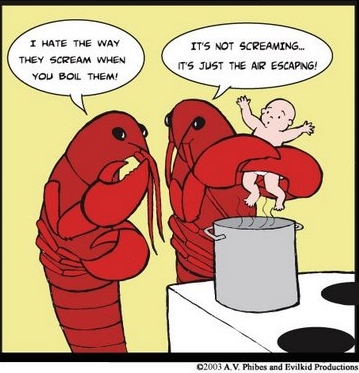
lobster cartoon

Rina Deych, a New York City-based activist who has spoken out against home delivery of live lobsters said, “We are quick to demonize people in other cultures for boiling puppies and kittens alive, yet in our society, people think nothing of dropping a sentient creature of another species into a pot of boiling water.”

In 2008, an Australian apparel company called Just Jeans produced a provocative commercial in which customers in Chinese restaurant make a spur of the moment decision to empty the lobster tank and release the animals into the ocean.

The Dublin liberation was conducted by the National Animal Rights Association, Direct Action for Animals and The Alliance for Animal Rights.

Activists Disrupt Economic Development Conference on Behalf of Lab Monkeys

May 11, 2015 by Comments are off for this post


The News

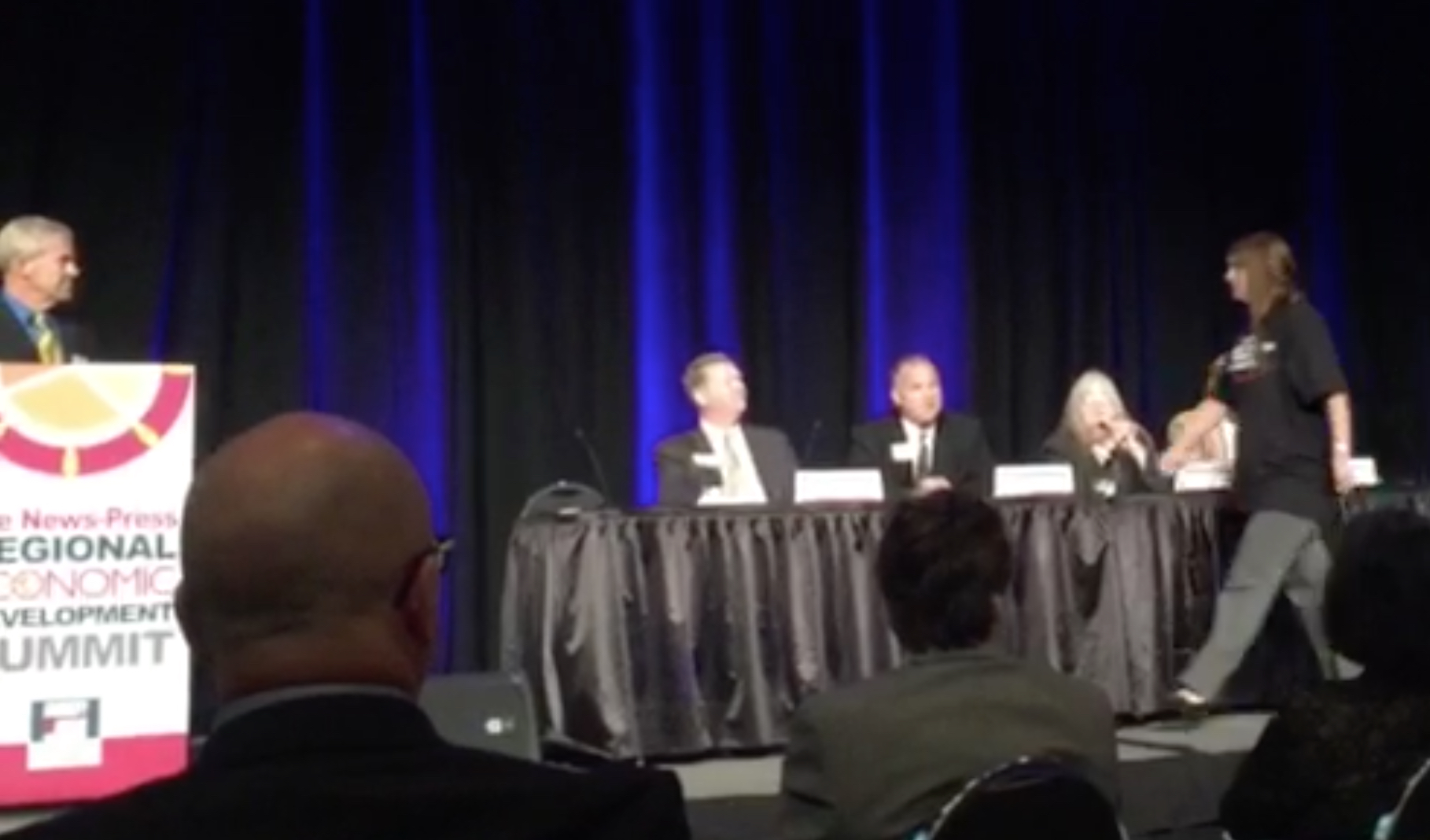
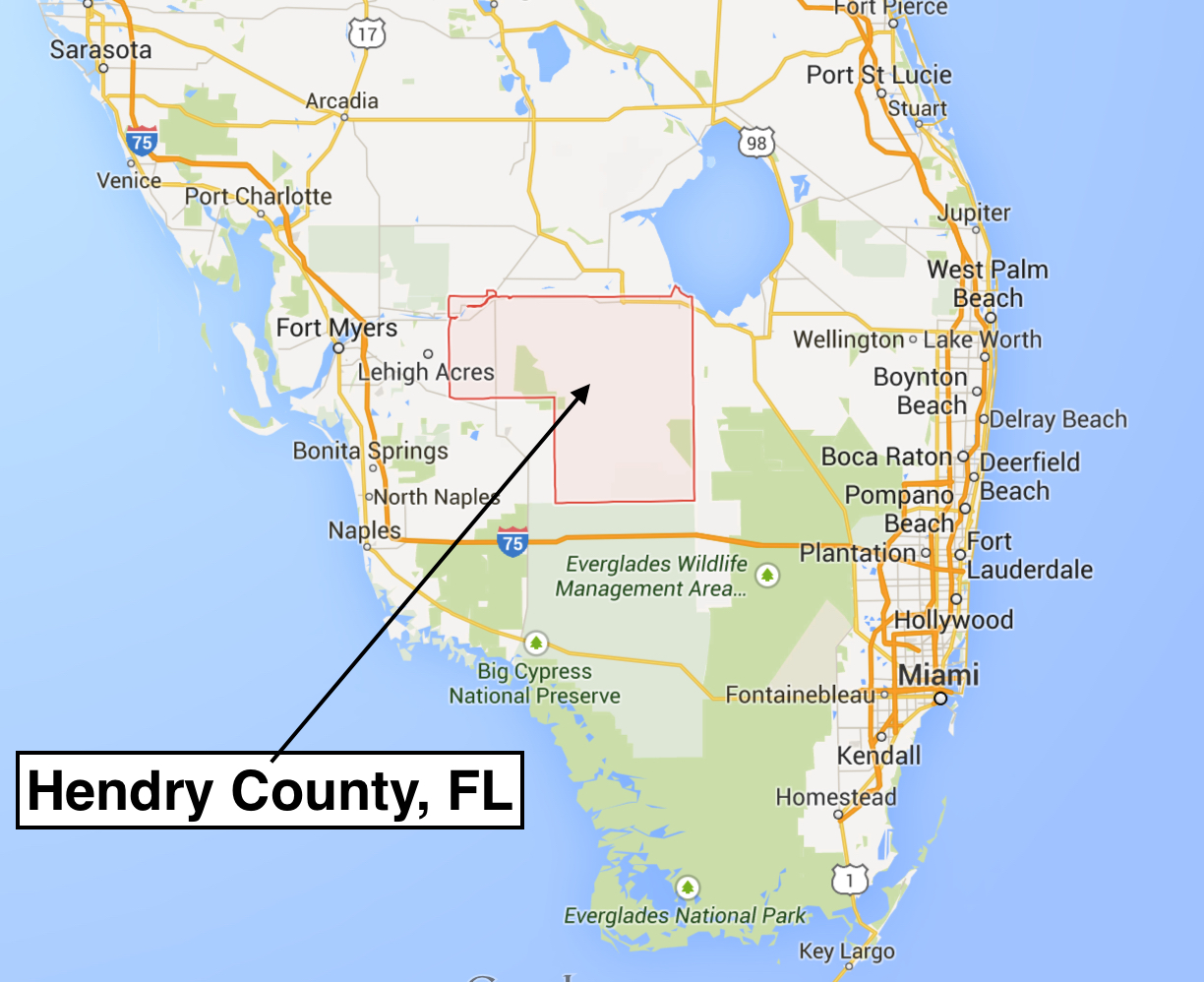
Hendry County, Florida, a rural area virtually unknown outside of its own borders, is hardly a hotbed for animal-rights activism. Perhaps that is why Jessica Thomas, a nearby resident, surprised even herself when, during a conference of regional government and business leaders, she jumped onto the stage to display her #MonkeyGate t-shirt to protest County officials’ efforts to turn Hendry into the nation’s lab monkey breeding capital. Her spur of the moment decision led to several local news stories that project their message to a much wider audience.

After she was escorted off the stage, Ms. Thomas told the audience, “We’ve had enough of monkey experimentation and monkey abuse happening in Hendry County, and everyone needs to know about it.”

Jessica Thomas, who lives near one of the four  monkey breeding facilities, is most concerned about animal cruelty issues.

Activist Jessica Thomas, who lives near one of the four monkey breeding facilities, says, “We have to stand up against injustice.”

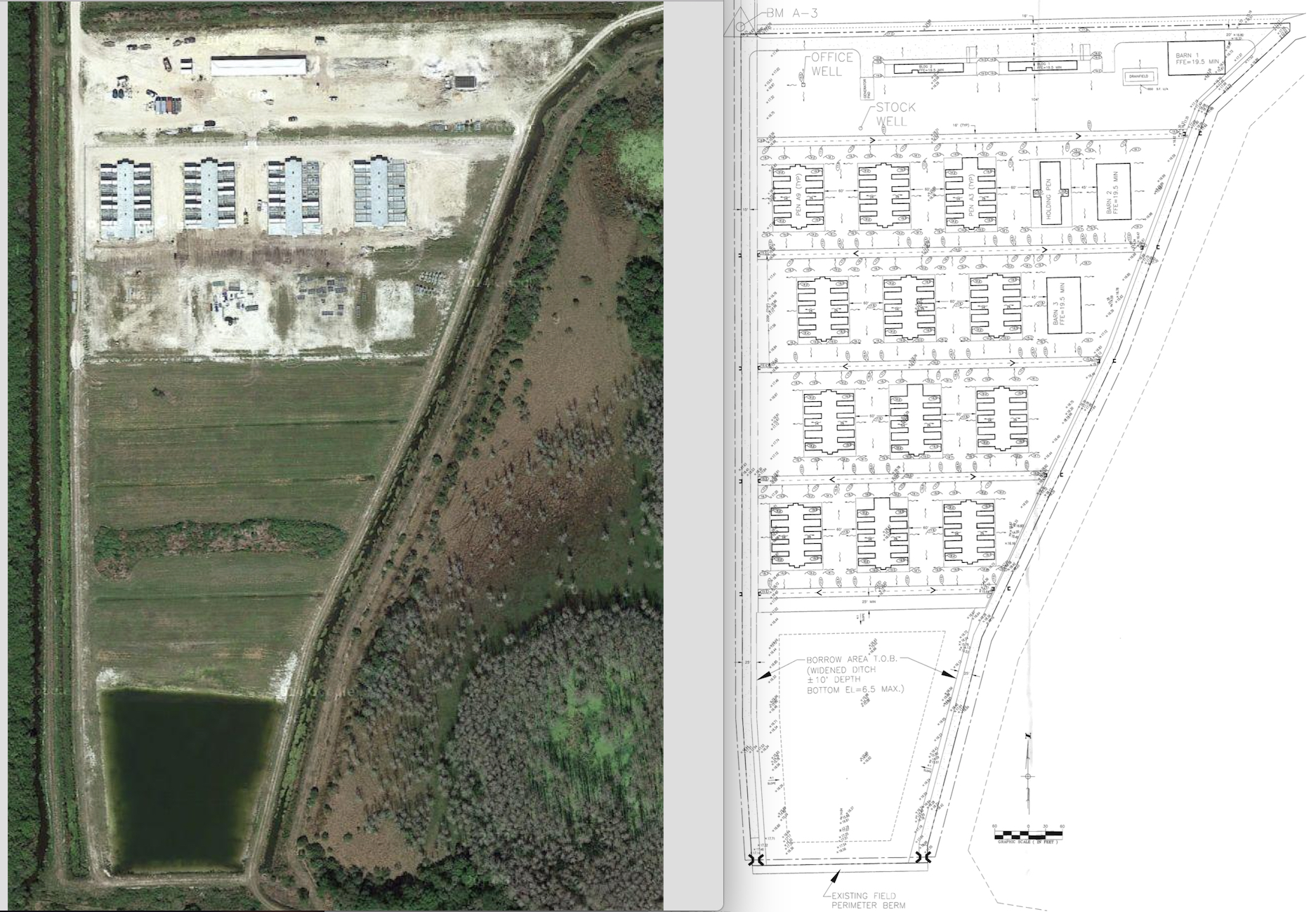
Hendry County is now home to two primate breeding facilities that house thousands of monkeys. Two more that would bring thousands of additional monkeys are under construction, and area residents are determined to shut them down.

A partially completed expansion on the land owned by Primate Products

Bioculture, a company that was expelled from Puerto Rico by its Supreme Court, is one of two new monkey breeding facilities under construction in Hendry County.

Hendry County monkey breeding capital

Hendry County is home to four facilities that breed monkeys for lab experiments. Two are fully operational; two are under construction.

In addition to animal cruelty, neighborhood activists have expressed grave concerns about the spread of disease from the monkeys to humans and other animals; groundwater contamination with toxic monkey waste; the effect of monkey breeding facilities on property values; and the impact of escaped monkeys on the local environment. The nearby Everglades are already under siege by non-native invasive species.

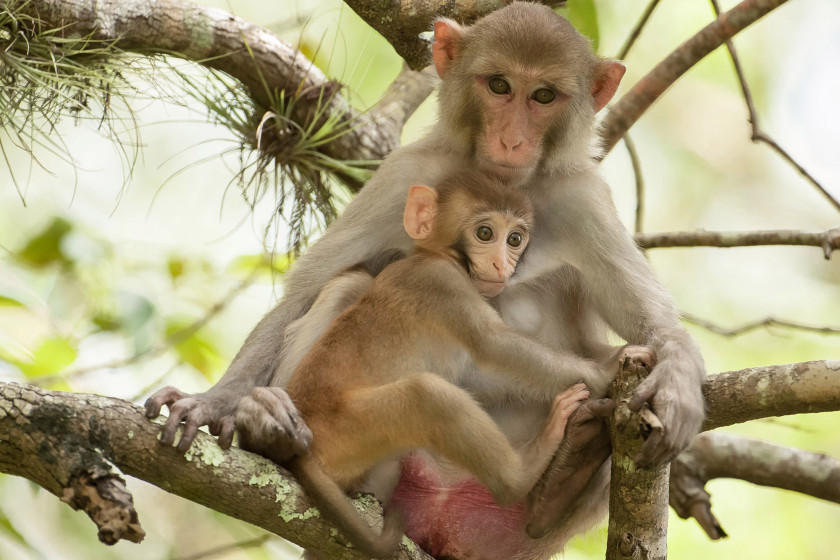
Hundreds of non-native wild macaque monkeys with herpes B virus live in Florida (photo: Graham McGeorge/ Barcroft Media)

Hundreds of non-native wild macaque monkeys with herpes B virus live in Florida (photo: Graham McGeorge/ Barcroft Media)

Dr. Madeleine Durant tells reporters that residents do not want their community to be the nation's lab monkey breeding capital.

Dr. Madeleine Doran tells reporters that residents do not want their community to be the nation’s lab monkey breeding capital.

“County officials, who have much to gain financially from these monkey breeders, thought they could sneak these companies into our community because most of us are too focused on making ends meet to put up resistance,” Jessica Thomas said after the disruption. “They didn’t think residents would rise up to protest their secrecy, not to mention the cruelty and public health issues associated with breeding thousands of monkeys in and near residential areas.”

A whistleblower told the media that Primate Products, a Hendry County monkey breeder that makes primate restraining devices, was illegally performing c-section abortions on pregnant monkeys in order to harvest and sell the fetal organs.

In March, a whistleblower said that Primate Products, a Hendry County monkey breeder that makes primate restraining devices, was illegally performing c-section abortions on pregnant monkeys in order to harvest and sell the fetal organs.

After the disruption, Ms. Thomas told reporters, “It was a spur of the moment decision to jump onto the stage. I saw all of these community leaders assembled in one place, and I realized that, if I don’t protest the people responsible for these injustices in this high profile setting, then how can we expect them to take our demands seriously? After all, they’ve refused to answer our questions for over a year.”

Jessica Thomas climbs onto the stage to disrupt Greg Gillman, the President of the Hendry County Economic Council who is largely responsible for bringing monkey breeding companies into the County.

Jessica Thomas disrupts Greg Gillman, the President of the Hendry County Economic Council who is largely responsible for bringing monkey breeding companies into the County.

Independent journalist Jane Velez-Mitchell of Jane UnChained, who traveled from New York to report on the press conference, asked Hendry Commissioner Karson Turner why the County didn’t hold public hearings before approving the monkey breeding facilities, as required by Florida’s Sunshine Law. In response, Mr. Turner, who has been an advocate for the facilities, said he would meet with the community. “That is welcome news to those who have been trying to have a dialog with the Commissioners for over a year,” said Velez-Mitchell.

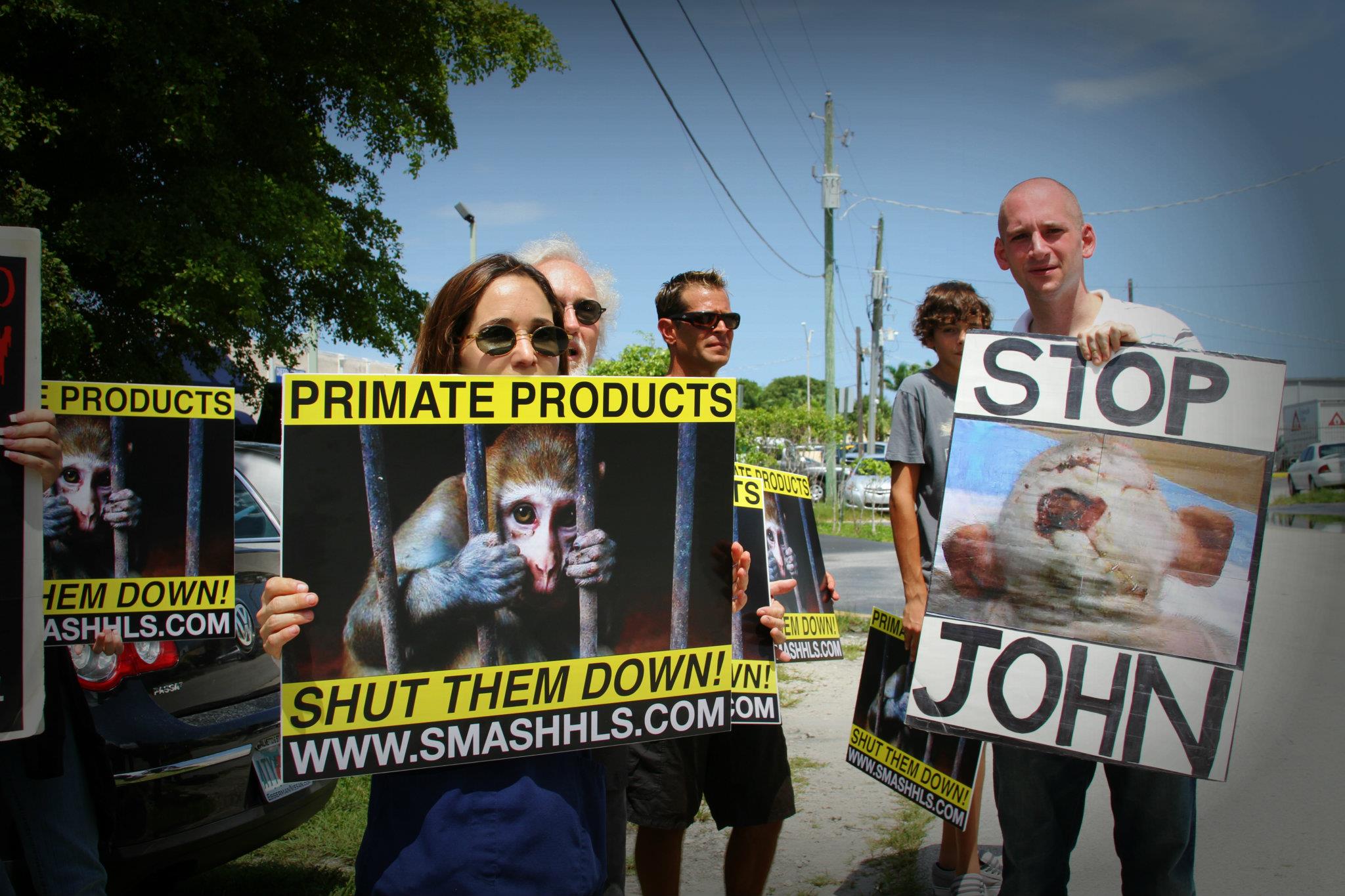
Animal rights activists in Florida protest Primate Products

Animal rights activists in Florida protest Primate Products, one of four monkey breeding facilities in Hendry County.

In November 2014, the Animal Legal Defense Fund (ALDF) filed a lawsuit against Hendry County or failing to hold a public hearing about the approval of Primera Science Center, one of the two new monkey breeding facility approved in secret by County commissioners. The lawsuit is ongoing.

Your Turn

Please share this “MonkeyGate” Facebook page with people you know in Central and South Florida: Put an End Hendry County Monkey Breeding Facilities.

Ask Hendry County’s five commissioners to stop the construction of the Bioculture and Primera Science Center monkey breeding facilities pending county and/or state investigations: bocc1@hendryfla.net, bocc2@hendryfla.net, bocc3@hendryfla.net, bocc4@hendryfla.net, bocc5@hendryfla.net


Anti-Fur Activists Disrupt Kim Kardashian’s Book Signing

May 6, 2015 by 7 comments


The News

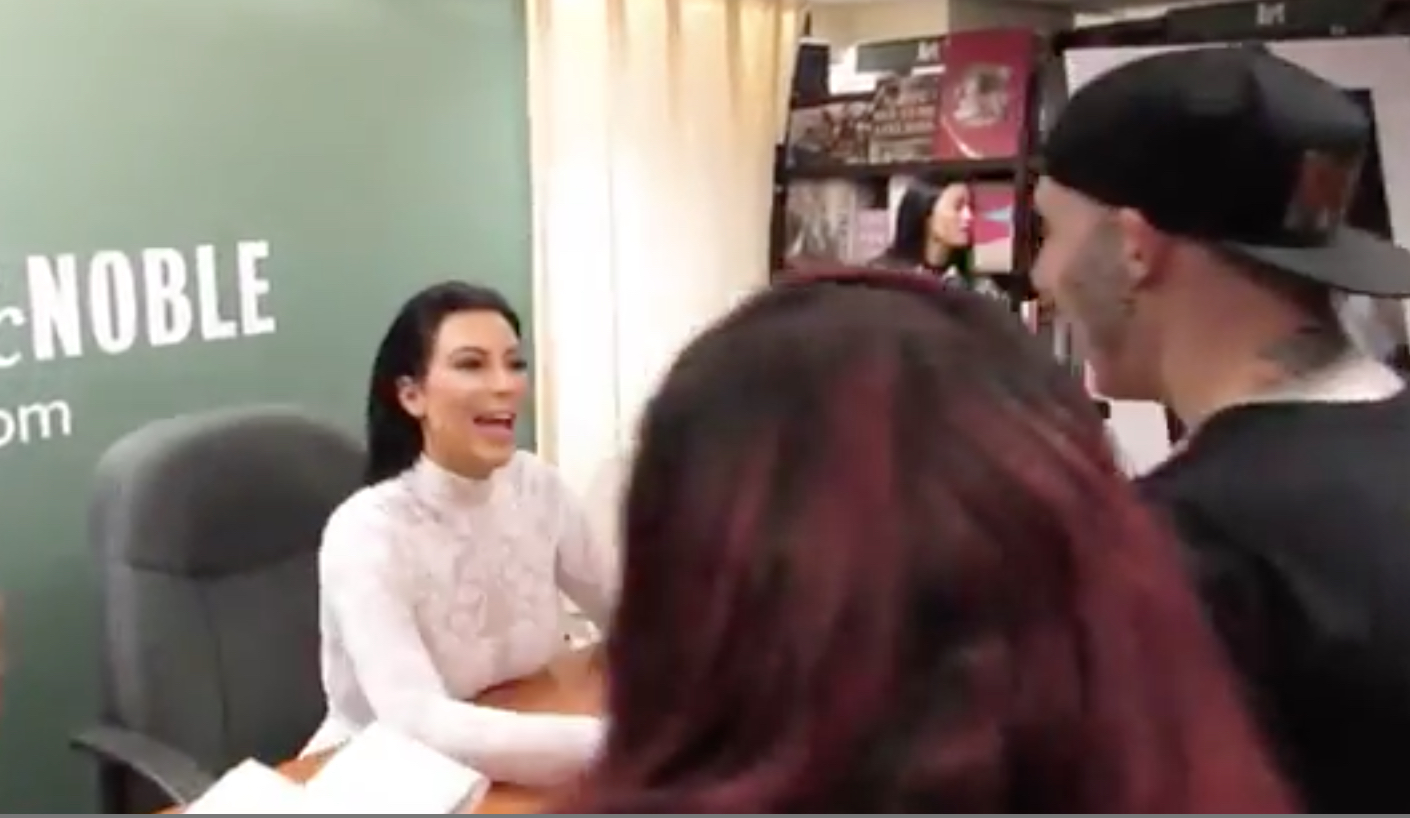
At a Barnes & Noble bookstore in New York City on Tuesday, animal rights activists confronted Kim Kardashian face-to-face to disrupt her book signing and protest her consumption of fur.

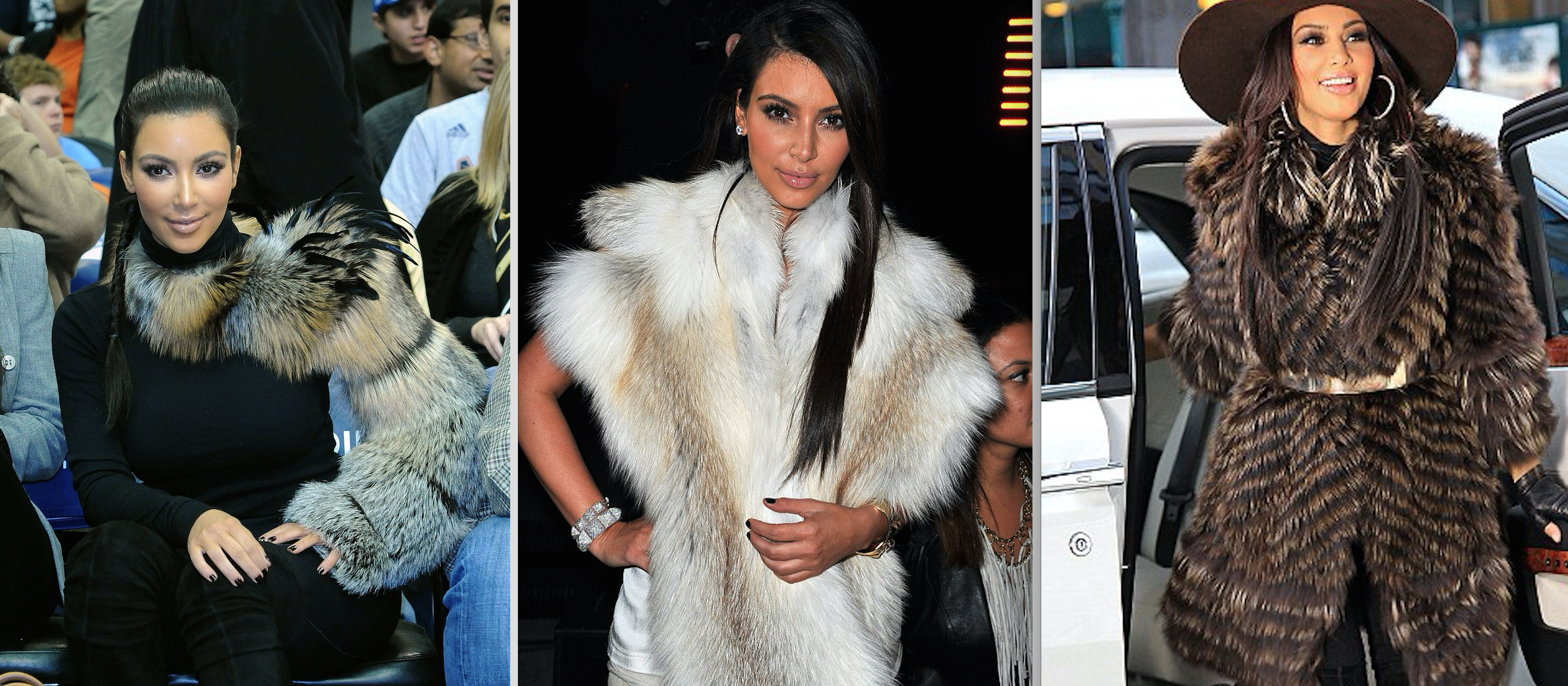
Kim Kardashian has been photographed in dozens of fur garments.

Kim Kardashian has been photographed in dozens of fur garments.

After a six hour wait in line, activist Crank Dennehy got straight to the point: “Can you make [the autograph] out to all of the animals that have been tortured and killed for you to wear a fur coat?”

In a news brief about the Kim Kardashian disruption, celebrity gossip blogger Perez Hilton wrote, “While we agree that wearing fur isn’t the most considerate act, it must suck to have so many people screaming in your face at once.”  In response, one reader explained why this approach is effective: “By creating a scene with someone who has millions of followers, they gain [create] further awareness about how bad the situation really is. Most of the animals are either electrocuted or skinned alive.”

"I am in agony. Somebody help me."

Animals raised for fur go insane in their cages before being anally electrocuted or skinned alive

Kim Kardashian fur protest

Kardashian smiles at Rob Banks, an anti-fur activist on the verge of disrupting her book signing

The disruption took place just one day after another fur-promoting celebrity, Rihanna, attended the annual costume gala at NYC’s Metropolitan Museum of Art wearing a fur-trim dress the size of small swimming pool.

Rihanna in fur

Rihanna in fur

The gala, which benefits the Metropolitan Museum of Art’s Costume Institute, is organized by yet another fur promoter, Vogue editor Anna Wintour. Because of her consistent promotion of fur in the media and on the pages of Vogue, Wintour has been the target of animal rights activists for decades.

Vogue editor Anna Wintour (attacked with a pie in the center photo) is the fur industry's most important ally and spokesperson.

Vogue editor Anna Wintour is the fur industry’s most important ally and spokesperson.


Activists to Stage Nationwide Protests Against Company Holding Lolita Captive

May 5, 2015 by 7 comments


The News

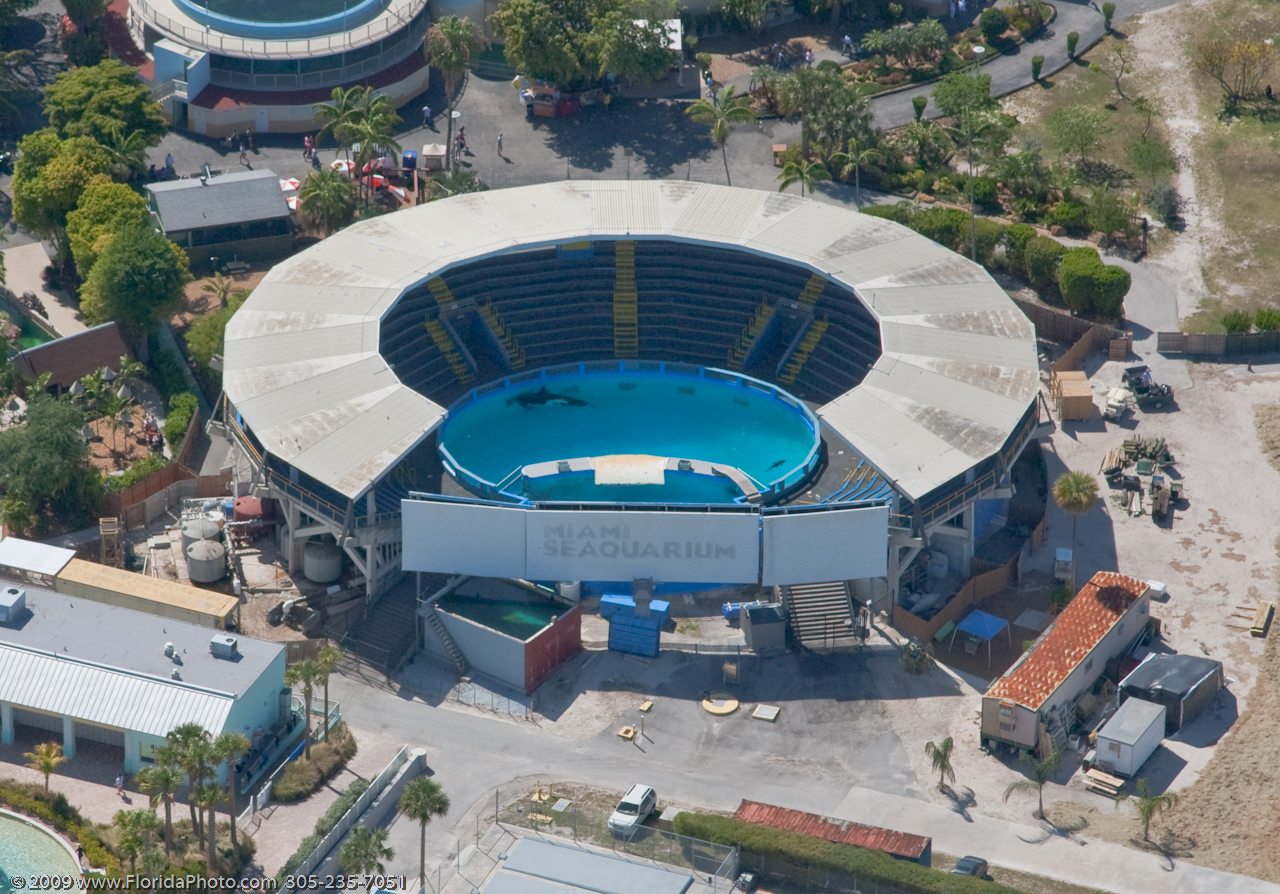
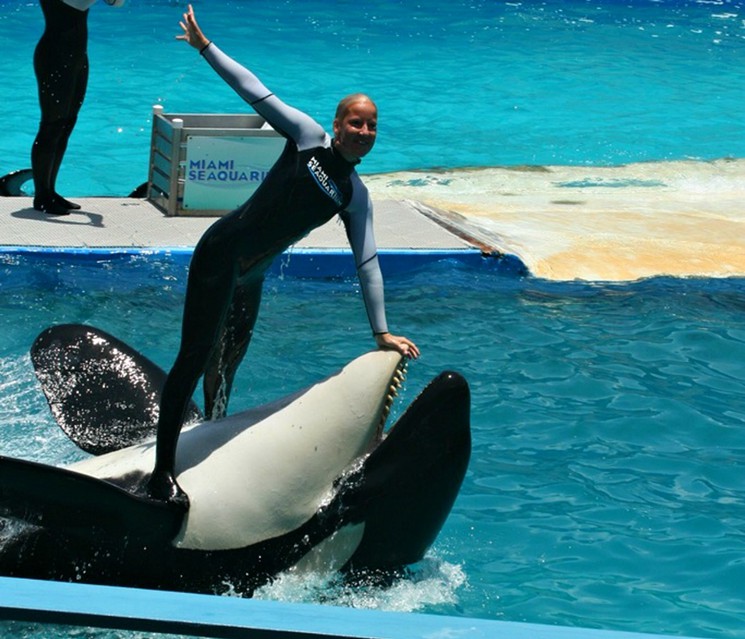
On May 9th and May 23rd, animal rights activists will stage protests in nine states at theme parks owned by Palace Entertainment, the company that operates the Miami Seaquarium, where the orca Lolita has been held captive for 45 years in the nation’s smallest killer whale tank. Palace, which owns 32 amusement and waterparks nationwide, purchased the Miami Seaquarium in 2014.

Seaquarium-Lolita

Lolita has lived in the nation’s smallest killer whale pool since 1970

Lolita was kidnapped from her pod off the coast of Washington state in 1970. For the first 10 years, she had a killer whale companion, Hugo, who reportedly committed suicide by pounding his head against the side of the tank. Since 1980, she has been alone, unable to interact with members of her own species or engage in any natural behaviors, such as hunting, diving and swimming in the open water. Her tank is just 20 feet deep.

"Please take me home. I don't belong in a pool."

Lolita is 20′ long. Her tank is 20′ deep.

Lolita’s captivity is not just cruel; it is illegal. In fact, Palace Entertainment is violating the federal Animal Welfare Act (AWA) in three ways. Lolita’s tank doesn’t meet minimum size requirements; she has no shade to protect her from Florida’s searing sun; and she does not have a killer whale companion.

In February, the National Oceanic and Atmospheric Administration (NOAA) designated Lolita as endangered because she was taken from the protected Southern Resident Killer Whale population. This historic decision has provided legal ammunition to the groups that are suing the USDA for renewing Palace’s license in spite of its AWA violations.

photo: Matthew Hoelscher

Animal exploitation (photo: Matthew Hoelscher)

Palace Entertainment has been steadfast in its opposition to releasing Lolita to a seaside pen. In an effort to keep their biggest money maker, Seaquarium spokesperson Robert Rose tells the press that Lolita will die if she is released into the ocean. Advocates, on the other hand, assert that a coastal sanctuary would finally give her the opportunity to live — providing her with space to swim, communicate with her pod; receive rehabilitation; and be released if she is deemed capable of surviving in the wild.

The May 9th protests, organized by the group Shut Down Palace, will take place at Palace’s theme parks in Florida, Georgia, New York, Connecticut, Pennsylvania (Pittsburgh & Lancaster) and California.  On May 23rd, a second wave of protests will take place at Palace parks in New Hampshire, North Carolina and Wisconsin.

For Lolita, the Miami Seaquarium is a prison, not a palace (photo: Shut Down Palace)

For Lolita, the Miami Seaquarium is a prison, not a palace (photo: Shut Down Palace)

The #ShutDownPalace protests are not the first major effort to liberate Lolita. In January, over 1,500 activists from around the world descended upon Miami to participate in the “Miracle March for Lolita.” In a rousing speech after the march, Jane Velez-Mitchell of JaneUnchained told the crowd to “get the police tape” because the Miami Sequarium is a “crime scene.”

Miracle March for Lolita at Miami Seaquarium

Miracle March for Lolita on January 17, 2015 (photo: Christina Estrada)


What’s the Bird Flu News — “Millions Dead” or “Eggs Prices Could Increase”?

May 4, 2015 by 2 comments


Opinion

In media coverage of the bird flu outbreak, reporters have delivered the news that million hens have been “destroyed” as though they were delivering the weather report — with virtually no emotion. In fact, the mass extermination has not been treated as news at all. It has been provided as background information to what media outlets regard as the real news: the impact of the flu deaths on on egg prices, egg exports and human health.

AP LA-Times USA-today

The media’s disregard for what, in a just world, would have been THE news – “Millions Dead!” – reflects the larger problem that society deems farm animals as commodities and objects instead of sentient beings. If millions of humans were, through no fault of their own, stricken with a virus and killed, the media would report on the tragedy around the clock for weeks, and they would do so with emotion.

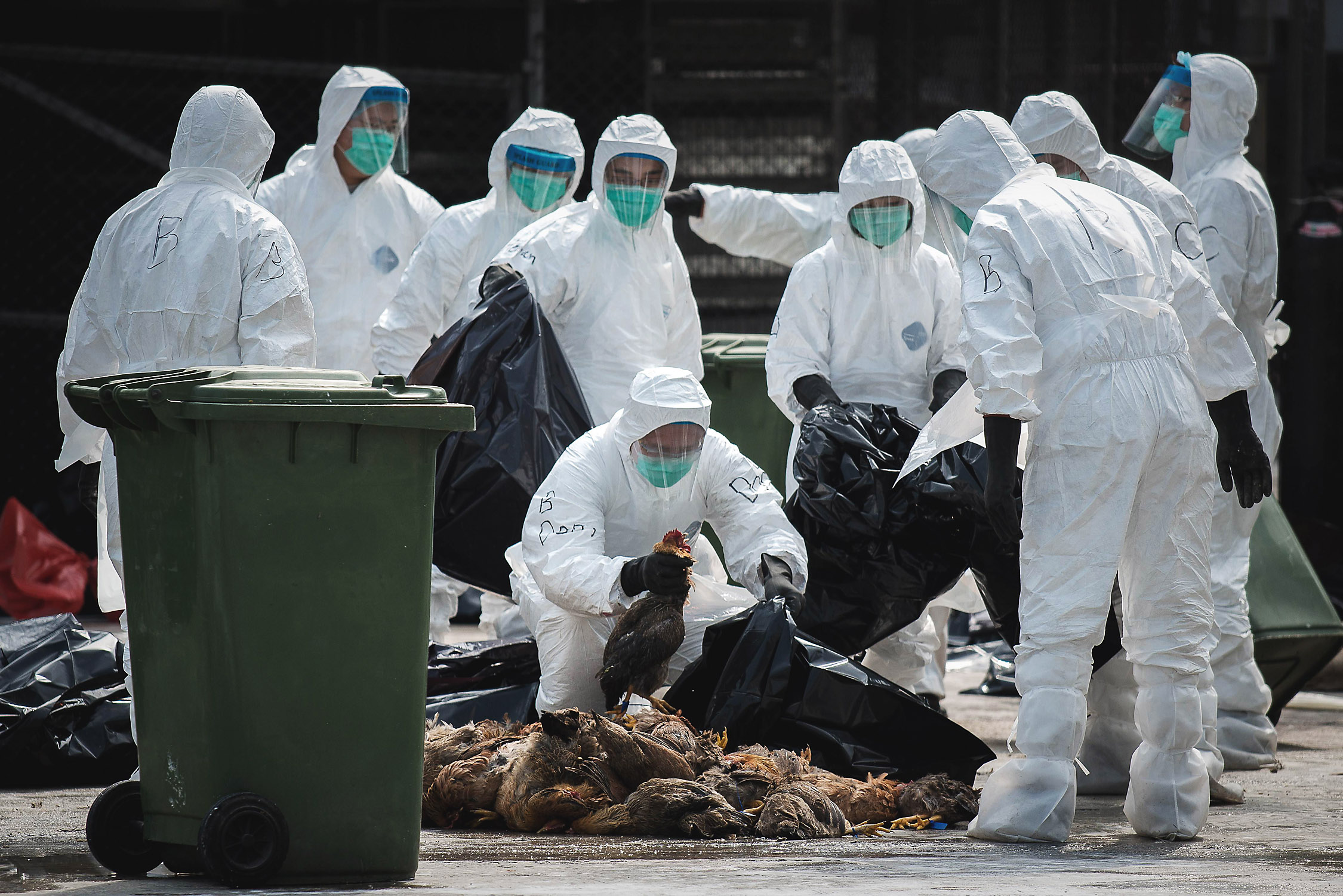
Chicken cull in Hong Kong (photo: Philippe Lopez

Chicken cull in Hong Kong (photo: Philippe Lopez

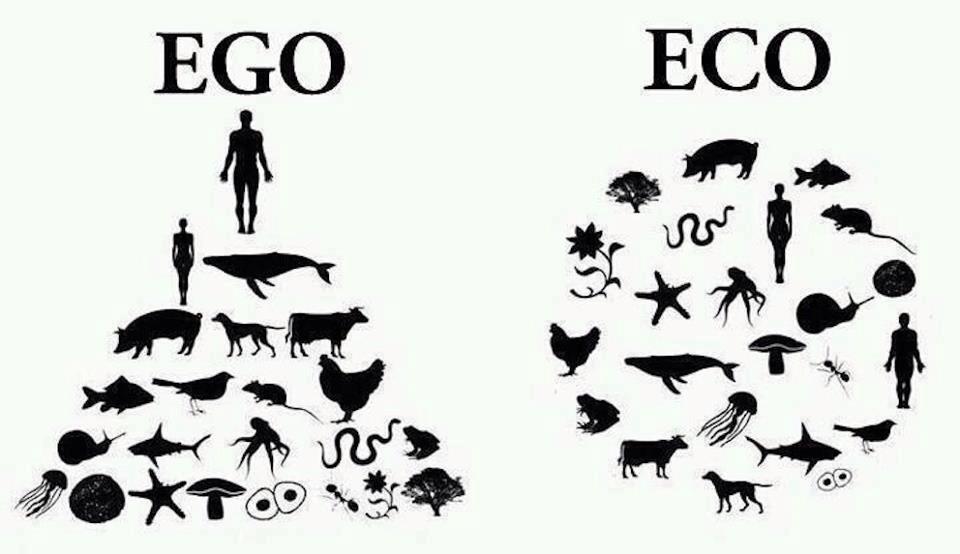
Humans are the only animals who are destroying the planet, yet society has brainwashed us into thinking that we’re superior to those who live in harmony with it. We see ourselves as so superior, in fact, that we can kill animals by the millions without taking a moment to reflect on the pain and suffering they endure – which is caused by us.

Humans behave as though in charge of - instead of a part of - the planet.

Humans behave as though in charge of – instead of a part of – the planet.

The irony in this tragedy is that the 5.3 million birds who were killed are lucky compared to those who are forced to live. There are some fates worse than death, and spending one’s life intensively confined in a factory farm is one of them.

battery cage hens

The vast majority of egg laying hens spend their lives in cages so small that they can’t spread their wings.

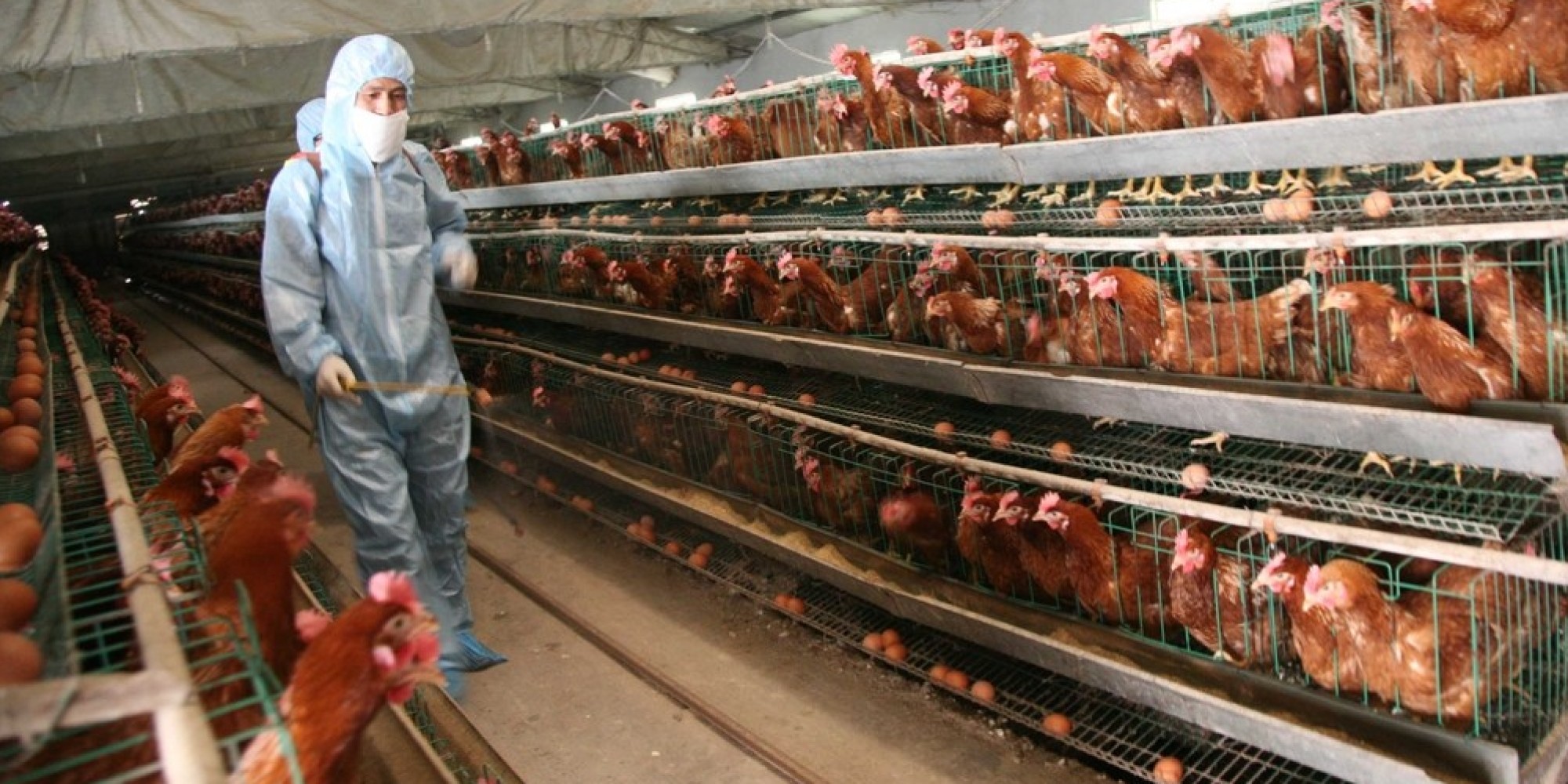
In its bird flu coverage, the media also glanced over the conditions on factory farms that facilitate disease transmission. When thousands of animals are stuffed into sheds with no space to move, pathogens that enter spread quickly. Shouldn’t the media report on these conditions, which the industry intentionally hides, so that the public can make informed decisions about what (and who) they purchase at the grocery store?

Bird flu outbreak in China in 2013 (Photo by ChinaFotoPress, Getty Images)

Bird flu outbreak in China in 2013 (Photo by ChinaFotoPress, Getty Images)

The infectious diseases, mass slaughter, public health risks, cruelty and environmental devastation wrought by animal agriculture could be altogether eliminated if people adopted a plant-based diet. Perhaps renowned author Jonathan Safran Foer said it best, “Just how destructive does a culinary preference have to be before we decide to eat something else?”