


Their Turn - The Social Justice Movement of Our Time Their Turn - The Social Justice Movement of Our Time

Chicago Bans Sale of Commercially bred Dogs, Cats & Rabbits

March 5, 2014 by 1 comment


The News

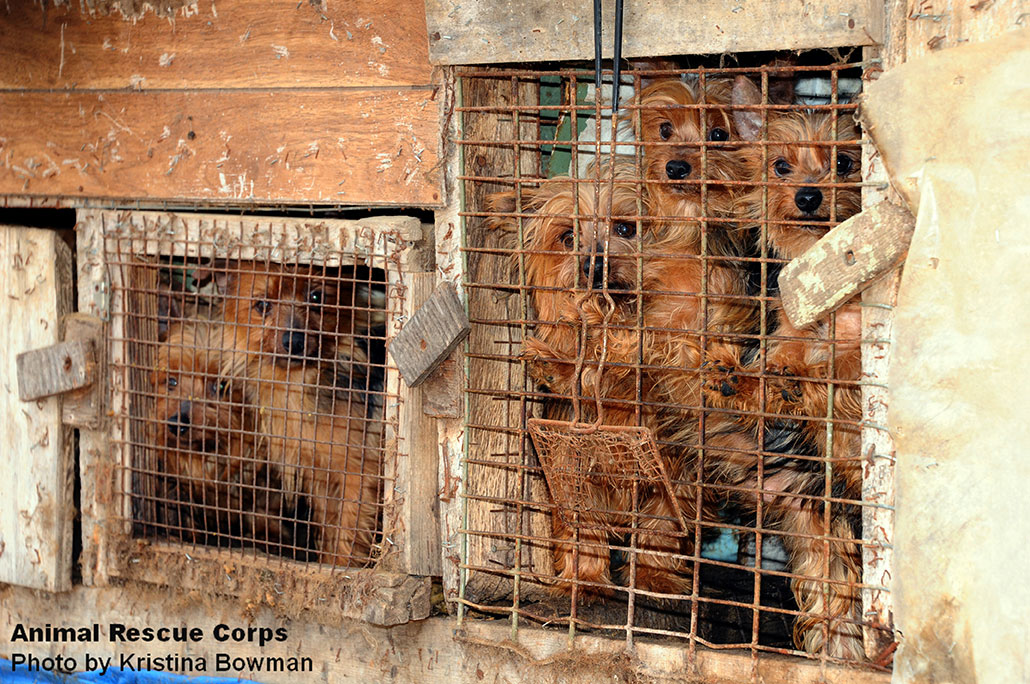
According to the Chicago Tribune, the City Council today voted 49-1 to ban the sale of commercially bred dogs, cats and rabbits in Chicago. According to a City clerk, the law “cuts off a pipeline of the animals coming from the horrendous puppy mill industry and instead moves us towards a retail pet sales model that focuses on adopting out the many, many homeless animals [from shelters and rescues] in need of loving homes in this city.” Chicago joins Los Angeles, San Diego, Phoenix and many other U.S. cities have already instituted a ban. In January, New York state passed a law giving local municipalities the power to impose their own regulations on pet sales, according to the Daily News. The NYC Council has since introduced a bill that would prevent city pet stores from buying cats and dogs from unlicensed breeders.
puppymill

News & Opinion

Until every homeless animal in a shelter or at a rescue finds a forever home, we must continue to lobby for the passage of laws banning the sale of companion animals from commercial breeding operations. And, even then, we must always fight for the closure of puppy mills, which are cruel and dangerous businesses that treat animals like commodities. To anyone working in animal rescue, the “kill lists” are a daily reminder of the crisis of overpopulation and the importance of adoption and animal birth control. If helping homeless animals is important to you, please consider volunteering at a local shelter, helping place animals in foster homes, lobbying for laws banning the sale of commercially bred animals, and, of course, encouraging people to adopt, not shop.

Animal Deaths at Indonesian Zoo Trigger Calls for its Closure

March 5, 2014 by Comments are off for this post


The News

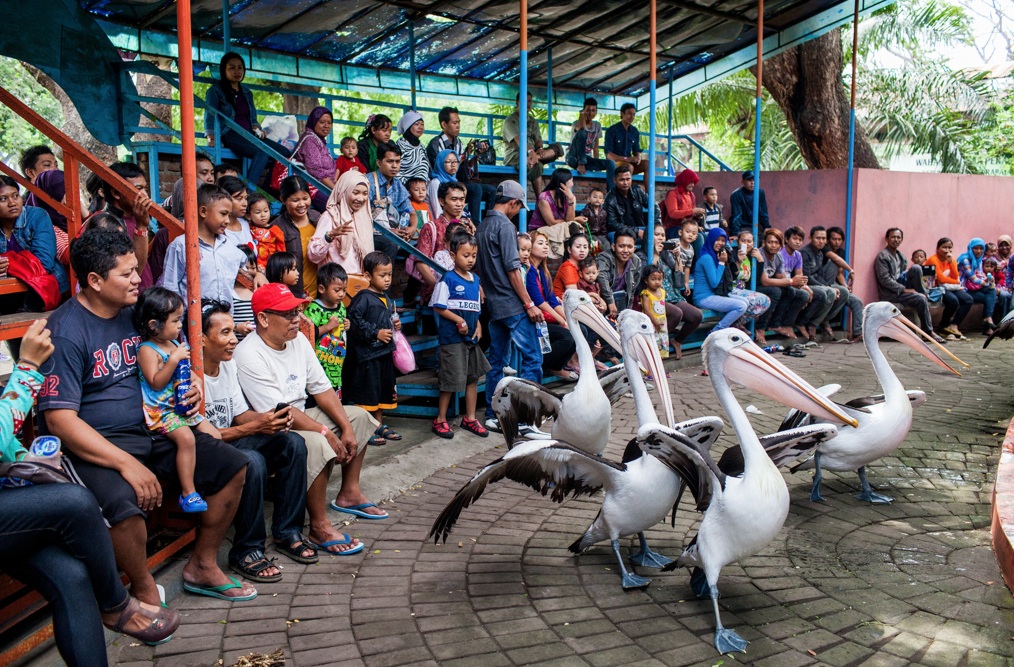
Over 100 of the 3,450 animals at the Surabaya Zoo in Indonesia have died due to negligence since last summer. Critics around the world are calling for the zoo’s closure. According to the NY Times, “the pelican enclosure had not become so cramped that the birds started destroying their own eggs,” and a tiger who couldn’t eat due to a tongue injury languished for months before dying from pneumonia.

pelican_NYTimes

Pelican show at Surabaya Zoo. NY Times photo

News & Opinion

While the NY Times reports on the debate about whether or not to close this particular zoo, it neglects to raise the larger ethical question about existence of zoos anywhere. What right do we have to strip wild animals of their freedom and lock them up in cages and enclosures for our entertainment? Here is a more comprehensive explanation about the inherent cruelty of zoos and the fallacy of the “conservation” arguments used to justify their existence.


States Suing California for Banning Import of Battery Cage Eggs

March 4, 2014 by Comments are off for this post


The News

In January 2015, egg farmers in California will be required to provide 116 square inches per hen, compared to 67 square inches, which is the industry standard. In response to California’s decision to require out-of-state egg suppliers to provide their hens with the same space, the Missouri attorney general has filed a lawsuit to block the new rules, and several other states might do the same. According to the NY Times, “The beef and pork lobbies are also lining up against the California rules in an effort to prevent any new restrictions on raising livestock.”

Colony cages are 49 square inches bigger than battery cages. NY Times photo.

The “colony cages” shown in this NYT photo are 49 square
inches bigger than battery cages

News & Opinion

The first sentence in this NY Times article is alarming: “Hens in California are living the good life. Many can now lay their eggs in oversize enclosures roomy enough to stand up, lie down — even extend their wings fully without touching another bird.” Does the NY Times really think that being permanently imprisoned in slightly larger cages inside a shed with no natural light and no access to the earth constitutes “a good life?” Putting a positive spin on conditions that are merely “less horrible” gives consumers license to eat eggs from hens who have horrible lives. According to the NY Times, “90 percent of the nation’s roughly 280 million laying hens are still in battery cages about as big as a filing-cabinet drawer.” Please share this undercover footage of battery cages taken by Mercy For Animals.


Idaho’s dangerous “ag gag” bill signed into law

February 28, 2014 by 1 comment


The News

Today, Idaho’s governor signed an “ag gag” bill outlawing the taking of photos and video in factory farms. Thanks to the elected officials who are beholden to the dairy lobby, whistleblowers are now criminals. This undercover video from Mercy For Animals, taken before the bill became law, shows exactly what the dairy industry and all agribusinesses are trying to hide.

News & Opinion

Factory farms are concentration camps for animals, and agribusinesses will move mountains to prevent the public from seeing what happens inside. They know from experience that the public opposes an industry in which baby animals are kidnapped from their mothers, confined in cages, mutilated and stripped of the ability to do anything that comes naturally to them before being rounded up and slaughtered. The undercover investigators, who wear hidden cameras to document these abuses, risk their safety, financial security and freedom to expose the public to factory farming. Please help make the most of their heroic work by sharing their videos with your networks.


The “Blackfish Effect”

February 27, 2014 by Comments are off for this post


The News

After watching Blackfish, the documentary film about captive orcas at Sea World, Virgin Airlines CEO Richard Branson instructed his tour company Virgin Holidays to refrain from booking travel “with any organization that won’t guarantee that they won’t display dolphins and whales that are taken from the wild,” according to the Seattle Post Intelligencer.

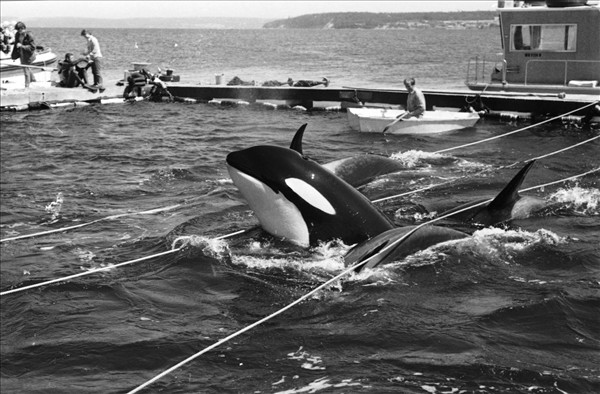
The capture of Lolita, who is now at the Miami Seaquarim

The capture of Lolita, who is now at the Miami Seaquarim

News & Opinion

The impact of Blackfish can’t be overstated: musicians are canceling their Sea World performances; protests are on the rise and ticket sales are declining. The whole world is watching. But we can’t be complacent because Sea World is a multi-billion dollar company that will stop at nothing to protect their biggest attraction: the killer whale shows. To be a voice for the orcas, please visit the Take Action on the Blackfish website.