Their Turn - The Social Justice Movement of Our Time Their Turn - The Social Justice Movement of Our Time

Chimp Researcher of 30 Years Says, “Animal Activists Were Right.”

October 17, 2014 by Leave a Comment


The News

In the short documentary film The Real Planet of the Apes, Betsy Brotman, an American researcher who spent 30 years conducting tests on chimps, says, “The animal rights activists were right. Chimpanzees really shouldn’t be used in experiments. I really do feel this way.” (see 13:30 in video below) From 1974 – 2005, Ms. Brotman ran a research institute in Liberia that conducted experiments on more than 100 chimps.

Chimpanzee Research Center in Liberia

Chimpanzee Research Center in Liberia

In her interview, Ms. Brotman says, “There are certain instances where it would be very difficult to do the research without chimps unless you use humans.” She is referring to the development of a hepatitis B vaccine, which her colleague says could only be tested on chimps, as no other species is susceptible to the virus.

Betsy Brotman Studied Chimps in Liberia for 30 years

Betsy Brotman Studied Chimps in Liberia for 30 years

Since this research was conducted, science has advanced, eliminating any scientific rationale for using chimps. But Steve Wise, the founder of the Nonhuman Rights Project, isn’t taking any chances. In an effort to free all captive chimps, he is leading the legal battle to classify chimps as persons – instead of inanimate objects – on the grounds that they, like people, they desire things, act in an intentional manner to acquire those things, and have a sense of self. If Mr. Wise is successful, holding chimps captive in any setting will be illegal.

Here’s a short NY Times documentary about his quest to reclassify chimps as “persons” instead of “things.”

Today, sixty chimps, most of whom recovered from the diseases with which they were infected at the research center, live on “Monkey Island” near Monrovia, Liberia’s capital.  The chimps live freely in a somewhat natural habitat, and The New York Blood Center pays for their care.
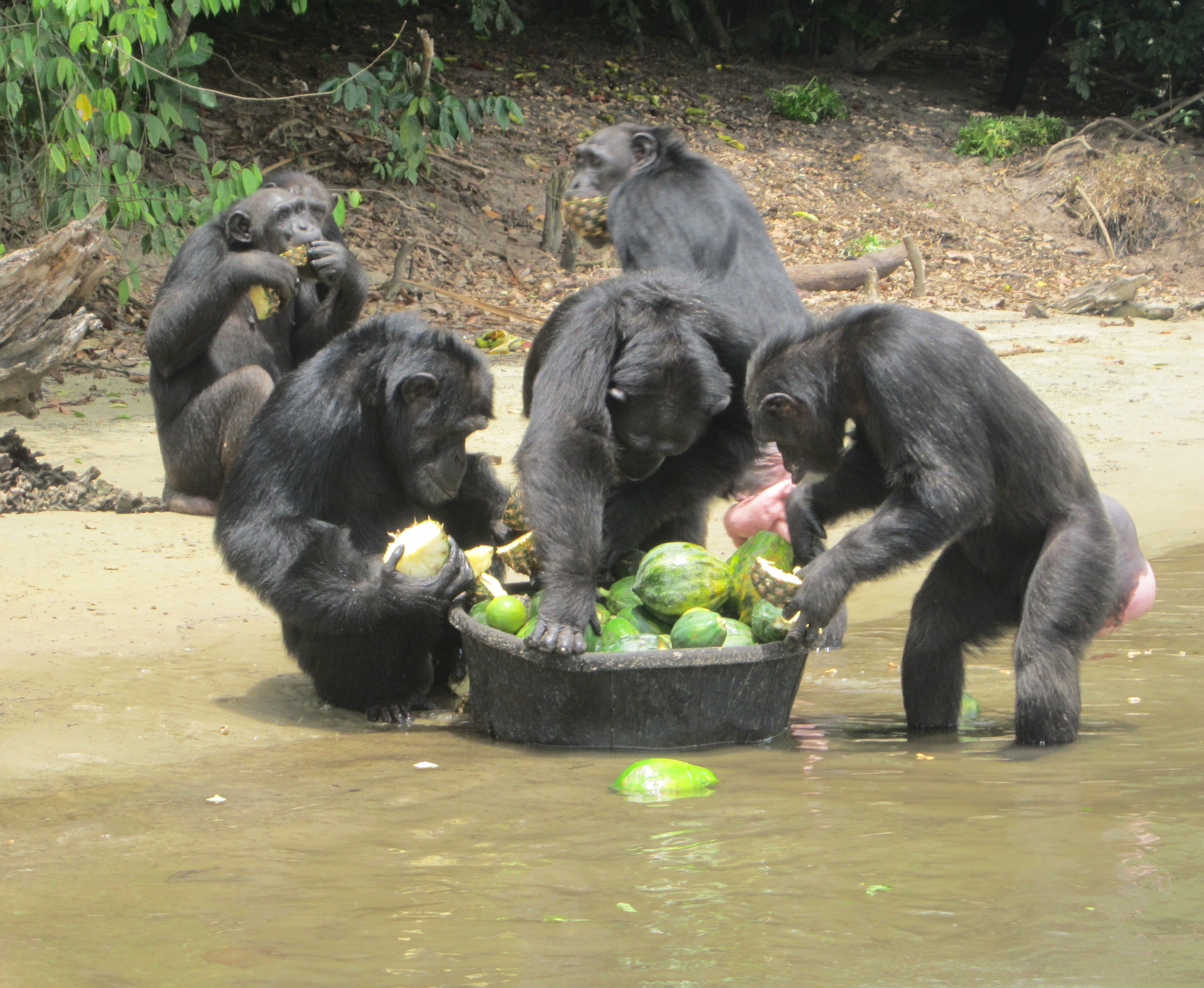
Former lab monkeys, Monkey Island (photo: liberiana.wordpress.com)

Former lab monkeys, Monkey Island (photo: liberiana.wordpress.com)


Filed under: Experimentation, WIldlife
Tagged with: , , ,

Consuming Songbirds for Supper, Illegally

October 15, 2014 by Leave a Comment


The News

Is there nothing we won’t eat?

songbird in pot

In its Dining section this week, The NY Times reported that “one essential dish” has been missing from the menu of  renowned restaurants in Southwestern France — ortolans (songbirds). “Gourmands consume the head, bones and body in a single, steaming mouthful, while covering their faces with a white napkin to conceal the act.”

Eating songbirds (Photo: Richard Cottenier/MAXPPP)

Eating songbirds (Photo: Richard Cottenier/MAXPPP)

Hunting ortolans has been illegal since 1979, when the European Union declared them a protected species. In an effort to “revive the tradition” of eating them, French chefs are lobbying to legalize their consumption, but activists are pushing back, arguing that the chefs’ publicity stunt will further endanger the birds and subject them to egregious abuse.

And abusive it is. Poachers lure ortolans into ground traps during their migration from Europe to Africa. Once captured, the birds are held in a dark box for three weeks; force fed until fattened to three times their normal size; and drowned alive in liqueur.

Allain Bourgrain Dubourg, president of the Birds Protection League in France, argues that “Good cuisine cannot be used as an excuse for the conditions these animals are kept in.”  Chefs, of course, insist the birds are treated humanely.

Frustrated by the illegal poaching, activists put themselves in harm’s way to liberate the birds from traps —  as shown in the trailer to Emptying The Skies, a (brilliant) documentary on the “the secret war to save the songbirds.” In 2013, the film received the Zelda Penzel “Giving Voice to the Voiceless” Award at the Hamptons Film Festival in New York.

Your Turn

To learn more about and/or support the heroic efforts by activists liberating the birds and holding poachers accountable, please visit the Committee Against Bird Slaughter (CABS).

Please sign the Change.org petition to stop ortolan hunting.


Filed under: Food, WIldlife
Tagged with: , , , ,

Cheetahs in Chains: From Africa to Arabia

October 14, 2014 by Leave a Comment


The News

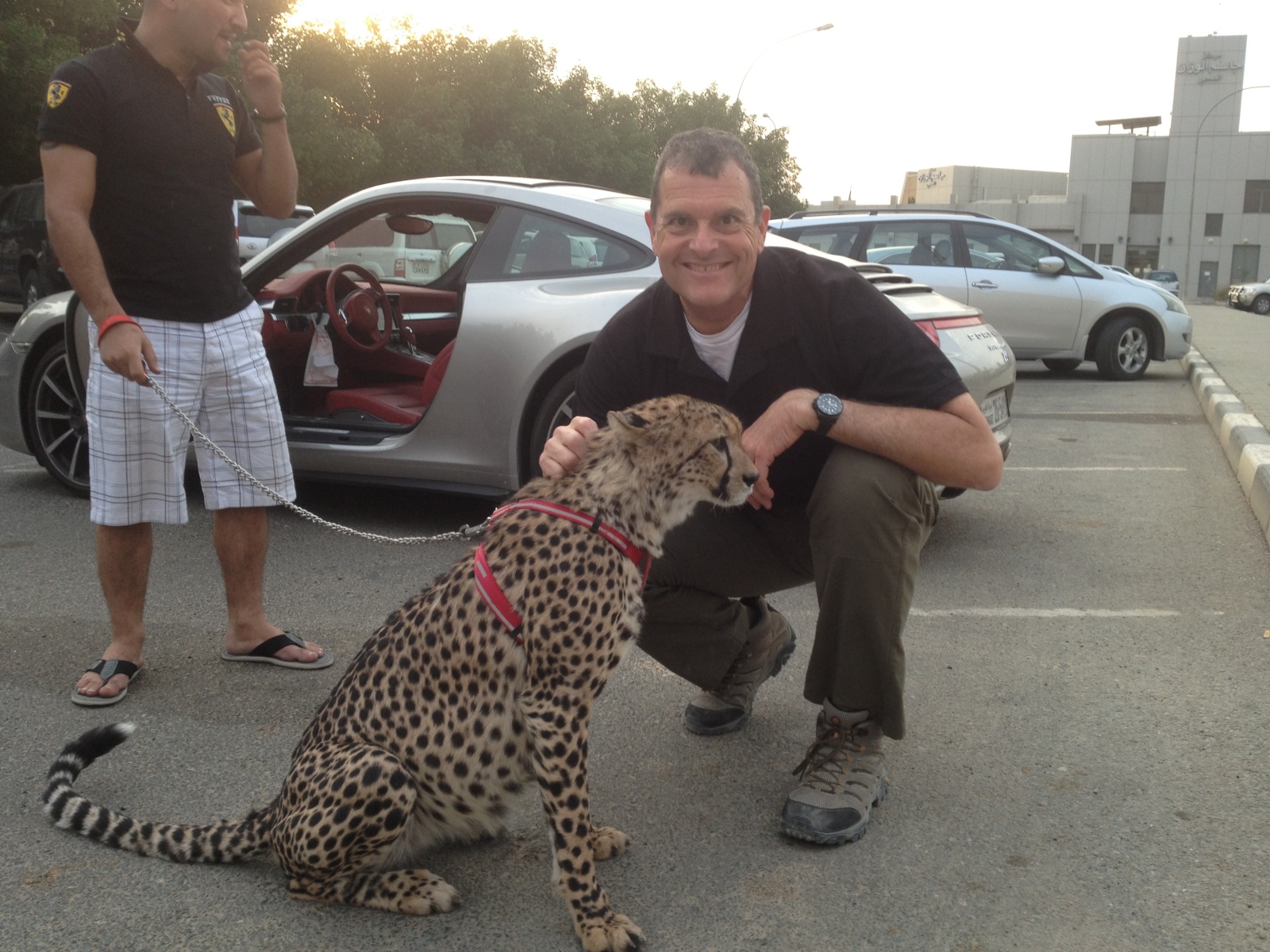
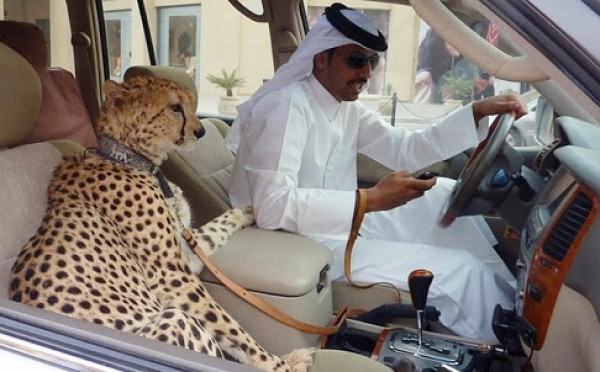
Cheetahs can run a staggering 75 mph, but that’s not fast enough to escape their captors. Each year, animal traffickers in Africa kidnap an estimated 100 cheetahs to supply the exotic pet trade in the Middle East, where big cats are status symbols.

Kuwait City

Kuwait City (photo: www.ar15.com)

Doha, Qatar

Doha, Qatar

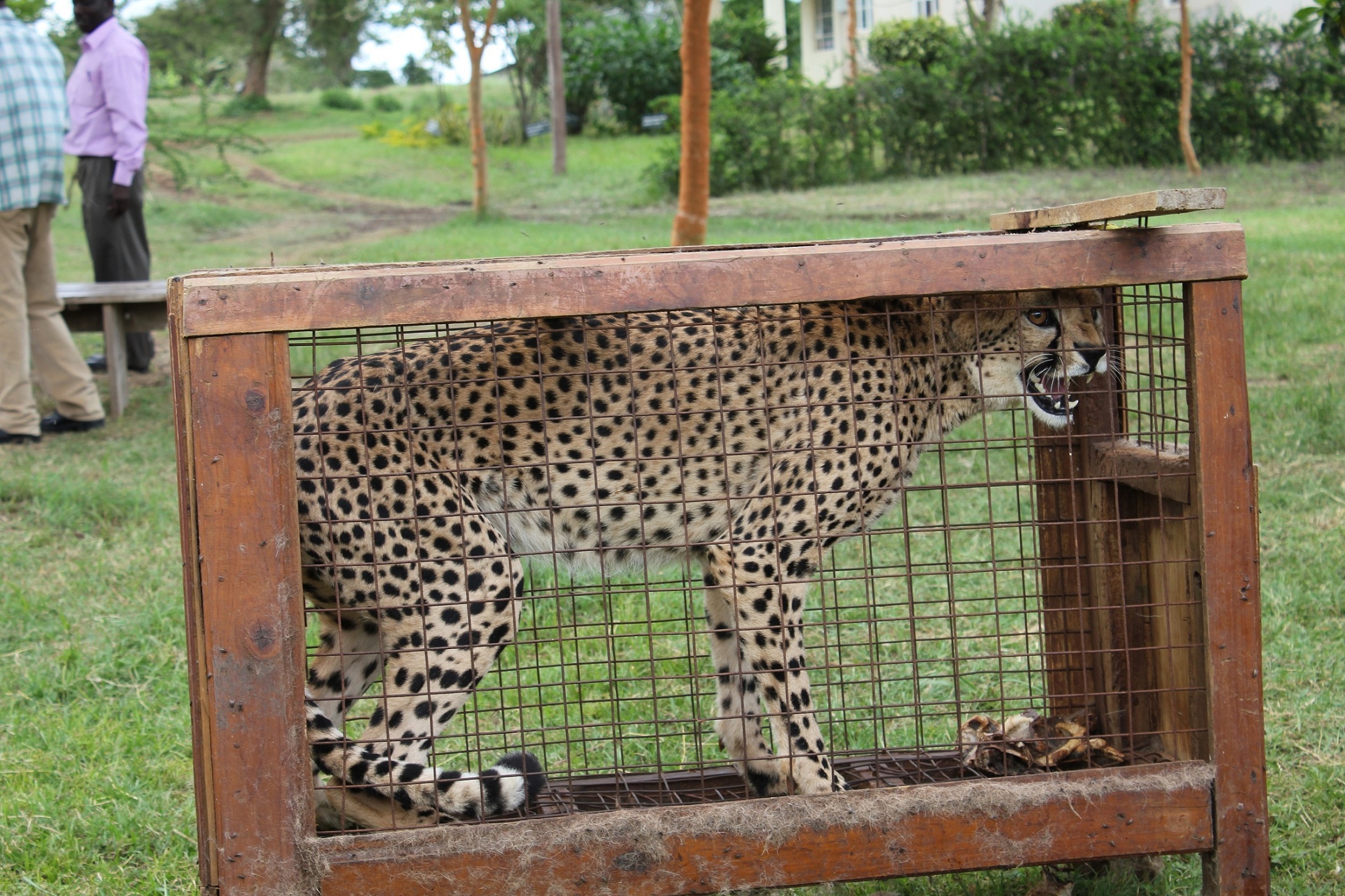
Most captive cheetahs were stolen from their mothers as cubs, who are easier to handle. This cheetah, being kept as a pet in Tanzania, was rescued by government authorities.

Captured cheetah by African border control

Captive cheetah in Tanzania rescued by authorities (photo: Rosa Mosha)

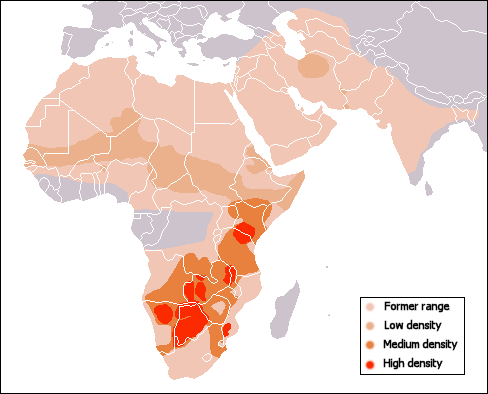
Cheetahs are an endangered species; fewer than 10,000 remain in Africa — down from 100,000 in 1900. Kidnapping isn’t the only culprit. Their numbers are also declining due to habitat destruction, the construction of fences that block hunting routes and a diminishing number of prey.

Historic & current cheetah range

Historic & current cheetah range

Capturing wild cheetahs isn’t just bad for conservation; it’s also bad for the cheetahs, who suffer in captivity. No palace in the Middle East can replicate their natural habitat, where they live amongst members of their own species, hunt, raise their young and run faster than the speed limit:

https://youtu.be/LikRHXi7CpI

As part of its “Global Campaign to Keep Cheetahs off Chains,” Born Free USA, which estimates that 70% of smuggled cheetahs die in transit, is calling on members of the CITES treaty to increase enforcement at borders and strengthen the laws. CITES is the Convention on International Trade in Endangered Species.

Your Turn

To learn more about the plight of exotic animals held captive as pets and to find out how you can help, please visit Born Free USA.


Filed under: Companion Animals, WIldlife
Tagged with: , , , , ,

“Virunga” Exposes Heroes & Villains in Fight to Protect Last Mountain Gorillas

October 6, 2014 by Leave a Comment


The News

In 1985, Dian Fossey, the researcher and conservationist profiled in the movie Gorillas in the Mist, was murdered in her attempt to protect mountain gorillas from those who wanted to capture them. Today, the 800 remaining mountain gorillas in East Africa are under attack by far more powerful forces, who are exposed in a new documentary film called Virunga.

Mountain gorillas live in the Virunga mountains of Rwanda, Uganda and the politically unstable Democratic Republic of Congo. Virunga, a documentary thriller, chronicles the efforts to protect Congo’s Virunga National Park and its majestic gorillas from civil war and from corporations eager to strip the park of its valuable natural resources.

Virunga National Park, Congo

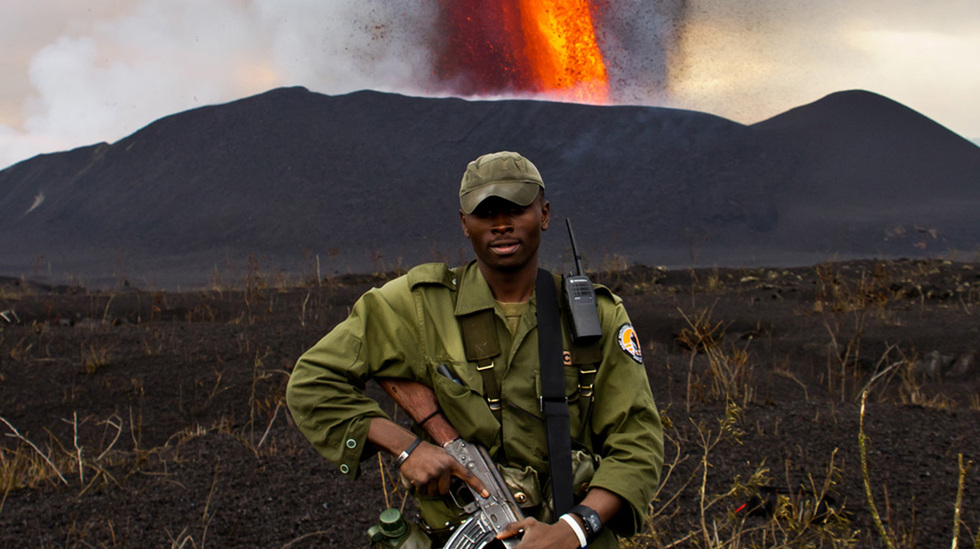
Park Ranger, Virunga National Park

In the film, we meet “a Belgian conservationist leading the army of park rangers; an ex-child soldier and a young French journalist who covertly films local politicians and international businessmen; and a ranger who has become a surrogate parent to orphaned gorillas.”

https://youtu.be/iZlz_4iUKBs

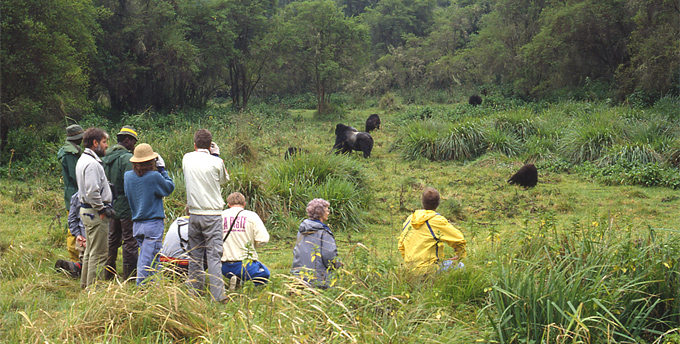
Because tourists are willing to spend hundreds of dollars a day to see them, the gorillas themselves are a valuable renewable resource for the people who live around the Virungas. But can the long term benefits of eco-tourism compete with the short term greed of those who are willing to decimate the park to make a quick buck?

Gorilla Eco-Tourism in East Africa

Gorilla Eco-Tourism in East Africa

On Friday, October 10th, the documentary will receive the Zelda Penzel “Giving Voice to the Voiceless” Award at its premiere in Sag Harbor, at the Hamptons International Film Festival. Penzel, an educator and veteran animal rights activist based in the U.S., has decided to put her money where her heart is by endowing the festival with an annual monetary award presented to a film that “raises public awareness about the moral and ethical treatment and the rights of animals; inspires compassion; and compels social change.”

Your Turn

To find out how you can lend your voice to the gorillas, please see the website for Virunga.


Filed under: WIldlife
Tagged with: , , , ,

Ebola is Keeping Kidnappers Out of the Jungle

September 24, 2014 by Leave a Comment


The News

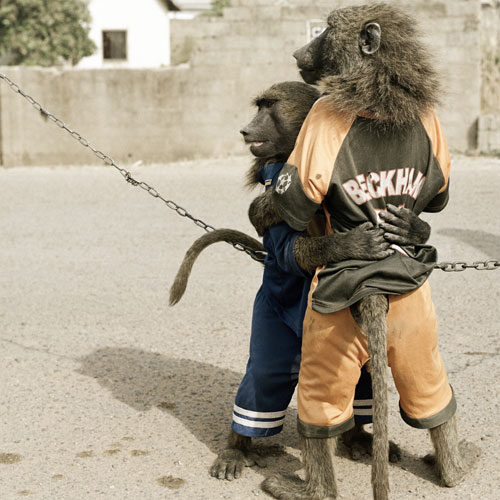
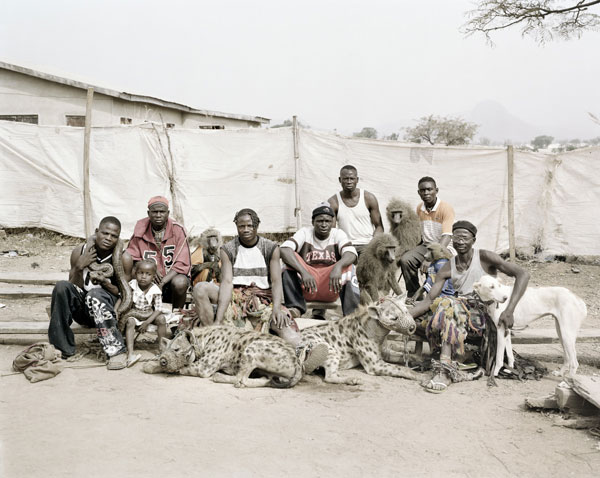
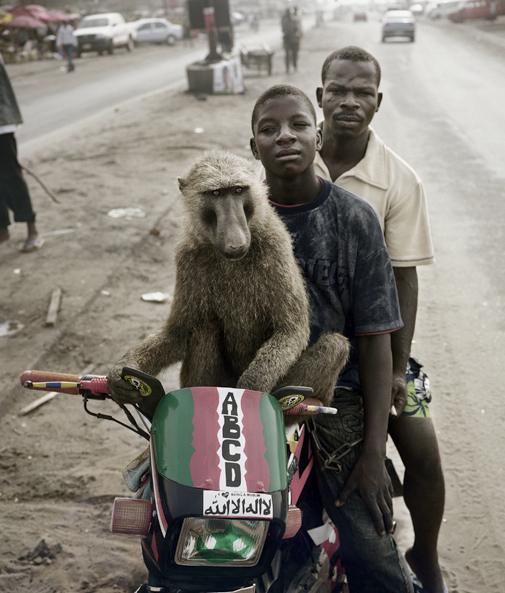
The deadly Ebola virus is keeping Nigerians away from wild animals, and that’s good news for the baboons and hyenas who are kidnapped from the jungle, beaten into submission and forced to tour the country to entertain the locals.

Photo: Pieter Hugo

Photo: Pieter Hugo

In 2007, Pieter Hugo, a South Africa photographer, traveled around Nigeria twice with a group of animal handlers and their performing hyenas and baboons. He said that locals, who are not socialized to consider the welfare of the animals, “flocked to watch monkeys dance in trousers or baboons mimic farmers” and that “the spectacle of the hyenas, monkeys and snakes being paraded through the streets” actually “caused traffic jams” with “everyone staring in wonder” and “showering them with money.”

Photo: Pieter Hug

Photo: Pieter Hug

But that was before Ebola. Today, people are paying heed to the government’s warning to avoid interacting with captive animals. And that is saving some animals from a life of deprivation and torment in the streets of Nigeria.

The number of monkeys and hyenas who are kidnapped from the wild and held captive for entertainment is low, but, like the elephants in circuses and killer whales at Sea World, to each of these animals, their captivity is life itself.

captive monkey Nigeria

Photo: Pieter Hugo

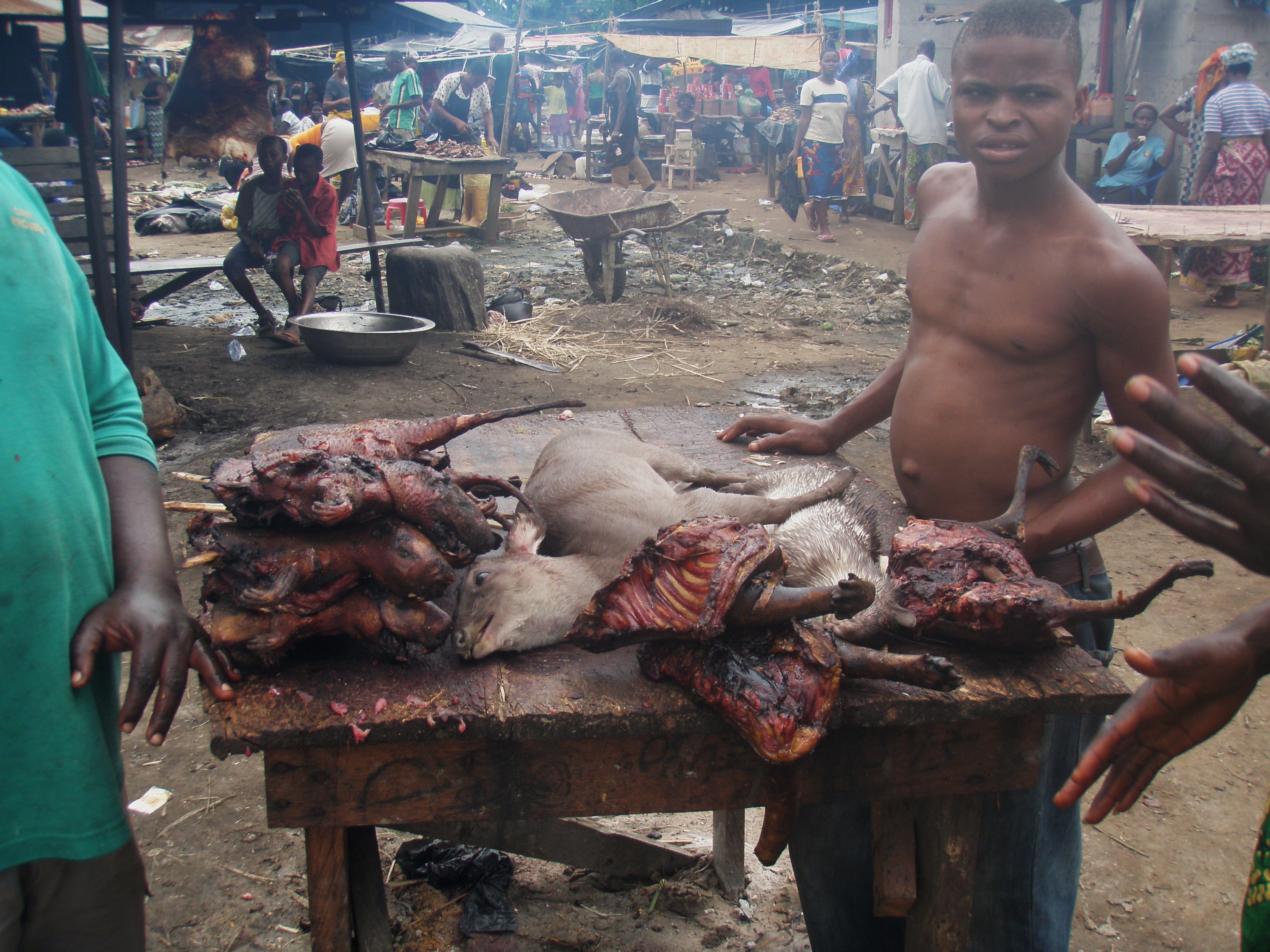
The government is also advising people to abstain from bush meat. And, while Ebola has, in fact, curbed consumption, hunters expect to return to the forests soon — when the fear of hunger trumps concern about disease.

Bushmeat for sale in Nigerian market

Bushmeat for sale in Nigerian market


Filed under: Entertainment, WIldlife
Tagged with: , , , ,