Their Turn - The Social Justice Movement of Our Time Their Turn - The Social Justice Movement of Our Time

Will Robin’s Compassion Translate into Conservation?

August 12, 2014 by Leave a Comment


Opinion

In July, I had the good fortune of traveling with friends to the jungle in the Republic of Congo to observe gorillas in the wild. We watched these intelligent and majestic animals travel through the trees, search for food, play with their young, and look for a site to build their sleeping nests. As I wiped myself off after a gorilla in the rainforest canopy dropped a piece of half-eaten fruit on my shoulder, the group’s silverback charged us while beating his chest. Because we were told not to move if a gorilla charges, I closed my eyes and said a prayer to Oprah. Of course, the silverback veered off, as they always do after a display. When I returned home in late July, I came across the now viral video of Robin Williams interacting with a gorilla in what appeared to be an office. I cringed because it was such a stark contrast to the gorillas living freely in the jungle with members of their own species. I quickly learned that Koko had been rescued from a zoo where she was born and was now living at the Gorilla Foundation in Northern California — where she was no longer an exhibit. Koko should not have been born in captivity because we shouldn’t hold wild animals captive in the first place. But at least she’s in good hands.

While watching the video, I was struck by Robin Williams’ genuine affection for Koko.  I hope this viral video, in which Robin and Koko enjoy each other’s company, doesn’t send a message to the general public that captivity is fun. For the victims, being stripped of the chance to live naturally in their own habitat with members of their own species is stressful and depressing, as it would be for us. Because Robin Williams died, this video is going to be seen by tens of thousands of people, if not more. If this video teaches people nothing about cruelty of captivity, then I hope that viewers look beyond the gorilla tickling and learn more about the conservation work of the Gorilla Foundation.


Filed under: Entertainment, WIldlife
Tagged with: ,

Wild Dogs Have Better Lives; Domesticating Dogs was a Mistake

August 12, 2014 by Leave a Comment


Opinion

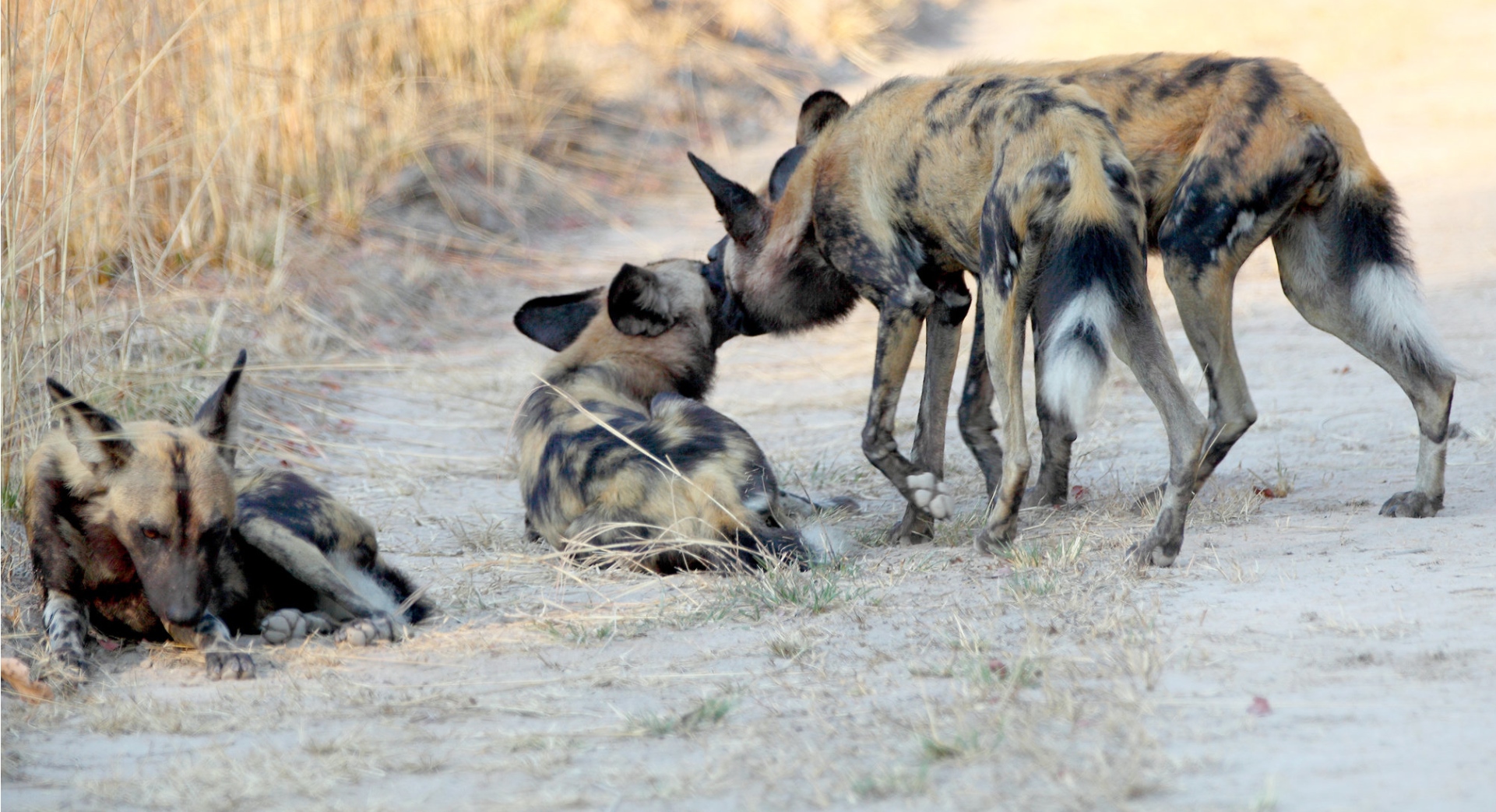
In a NY Times article about the estimated 7,000 remaining wild dogs in Africa, Dr. Rosie Woodrofe, a researcher who has studied wild dogs for 20 years, says, “There is nothing so enthusiastic as a wild dog. They live the life domestic dogs wish they could live.” As a dog owner, I’m not at all surprised to read that. Wild dogs, who can act on their natural instincts all day long, have wildly productive lives. Researchers say these “exceptionally social” and “civic-minded” dogs hunt, teach their young survival skills and care for the infirm. While one male and female in each pack breed, the remaining adults “serve as guardians, babysitters, even wet nurses for the alpha pair’s pups.” If our companion animals could talk, would they tell us that we should have never domesticated them? I think so. I have a rescue dog — a chihuahua/pug mix. He’s one of the “lucky” ones. I don’t chain him to a fence in the cold, leave him in a hot car, neglect him or abuse him in any way. I walk him four times a day; provide him with nourishment and medical care; play ball with him at least twice a day; and shower him with affection (I’ve been told to “get a room.”) Still, I think he’s bored and out of place. I wouldn’t want his life. Domesticating animals for our pleasure was a big mistake, in my opinion, especially when you consider the rampant abuse, neglect and abandonment. But companion animals are here to stay, and the burden is on us to make their lives as enriched as possible.

Photo: Scott Creel; Montana State University

Photo: Scott Creel; Montana State University


Filed under: Companion Animals, WIldlife
Tagged with: , ,

Aspen Museum Under Fire For Exhibiting I-Pad-toting Tortoises

August 7, 2014 by Leave a Comment


The News

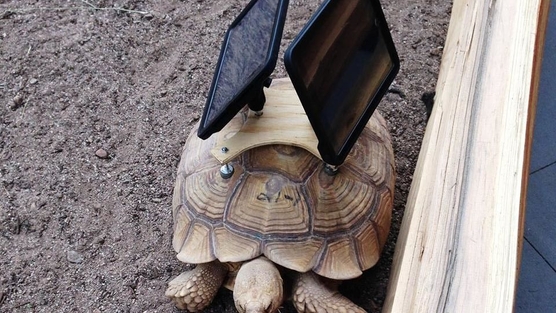
Excitement surrounding the opening of Aspen’s new $45 million art museum has been overshadowed by anger over a two month exhibit of African tortoises walking around with iPads mounted to their shells. The iPads are displaying photos of “Aspen Ghost Towns” (whatever that means). In response to protests, a local vet issued a statement: “The tortoises have adapted well to their new habitat, and the iPads have not interfered in any way with their natural behavior.” Aspen resident Lisbeth Oden, who has experience working with tortoises, says, “To have anything attached to them is exploitation for human enjoyment.”

ipad

News & Opinion

African turtles belong in Africa, not in Aspen — serving as mobile TV stands for a thoughtless artist and museum curator. According to the museum, these turtles were “rescued” from a breeder where they were living in an over-crowded pen. Is the artist going to take care of these turtles for life when the exhibit ends?  Doubtful!  This museum should place these tortoises in a sanctuary and then have an exhibit of photos entitled “From Museum Captivity to Freedom.” Here’s an online petition to shut down his exploitive exhibit. Please share.


Filed under: Entertainment, WIldlife
Tagged with: ,

NJ Passes Strictest Ivory Ban in the U.S.

August 7, 2014 by Leave a Comment


The News

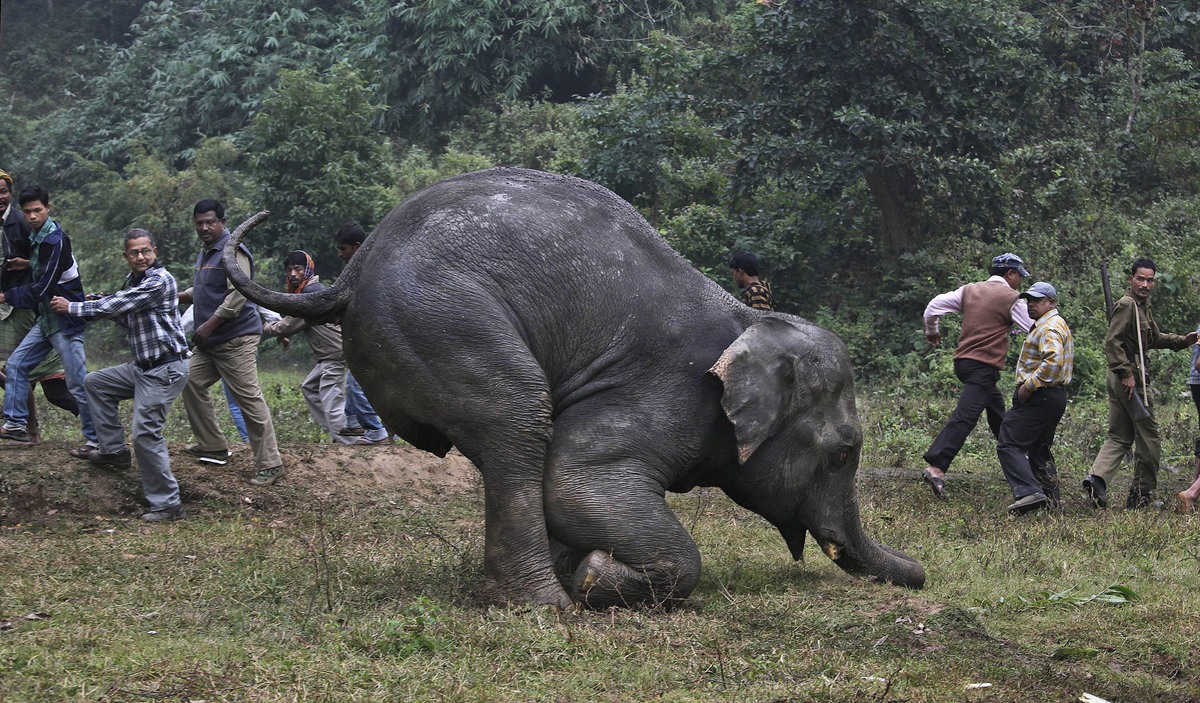
NJ Governor Chris Christie, who was a target of animal rights activists in 2013 for vetoing a bill to ban gestation crates, has signed into law a ban on ivory trafficking. Christie says that the law, which prohibits the import, sale or purchase of elephant ivory and rhinoceros horn, not only protects wildlife but also helps to cut funding to terrorist groups. Global ivory sales are booming, with poachers in Africa killing an average of 96 elephants per day. In 2012, 35,000 elephants were slaughtered in Africa for their ivory.

Poachers; AP Photo/Anupam Nath

Poachers in India; AP Photo/Anupam Nath

News & Opinion

No amount of helicopters, night-vision goggles and park rangers can stop the poaching of elephants as long as state-sanctioned carving factories in China are creating ivory products that are meeting the demand of Chinese consumers. If  China banned the import and sale of ivory, the sophisticated poaching operations that supply the market would probably vanish, as demand in the rest of the world is much lower. That said, we must also strengthen the anti-ivory laws in the U.S.


Filed under: Victories, WIldlife
Tagged with: , ,

TNR Passes in an Arizona County Over Objections from PETA

August 6, 2014 by Leave a Comment


The News

Over the objections of PETA, Lawmakers in Pima County, Arizona (Tucson area) approved a trap, neuter & release (TNR) program to reduce the overall number of feral cats while preventing existing cats from being euthanized. In a letter to the County’s Board of Supervisors, PETA encouraged the County to euthanize feral cats on the grounds that they are not meant to live outdoors; they prey on wildlife; and they send a message to it’s okay for humans to abandon their pets. PETA also says that euthanasia is less painful than the deaths experienced by cats in the street.

TNR

News & Opinion

I know I open up a can of (faux) worms when I ask this question, but are some feral cats better off being killed in a shelter than sent back into inhospitable and dangerous streets where their demise could be far more painful or where they are they abused by people? Do they depend on the kindness of strangers for food, only to be neglected? Do they prey on local wildlife?  Does their presence give people license to abandon their own cats, as PETA claims? Does the presence of feral cats give people license to abandon their cats? I don’t know. What I do know is that we are reckless and cruel by domesticating animals and then tossing them out into the street like garbage when taking care of them becomes inconvenient. I also know is that we must continuously remind the general public to spay and neuter companion animals and adopt from shelters instead of buying from pet stores and breeders.


Filed under: Companion Animals, WIldlife
Tagged with: , , ,