Their Turn - The Social Justice Movement of Our Time Their Turn - The Social Justice Movement of Our Time

8 Reasons Why Horse-Drawn Carriages Cannot Be Operated Humanely or Safely in NYC

January 5, 2015 by Leave a Comment


Opinion

Following are eight reasons why horse-drawn carriages cannot be operated humanely or safely in NYC. No amount of regulation or enforcement can fix these issues:

1. Horses spook: Horses are prey animals who can be spooked by sirens, potholes, barking dogs and many other stimuli. When spooked horses bolt down congested city streets, they become weapons. Many horse-drawn carriages crashes in NYC have been caused by spooked horses.
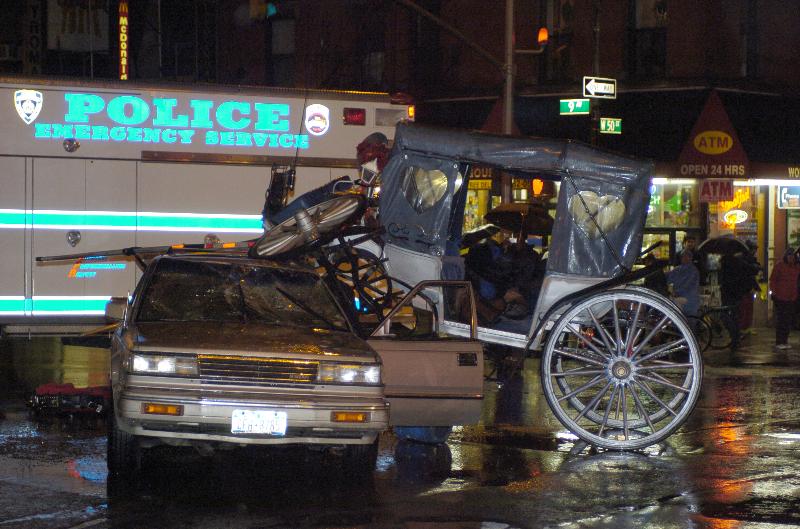
Spotty died after spooking and crashing into a car, sending 3 people to the hospital.

Spotty died after spooking and crashing into a car, sending 3 people to the hospital.

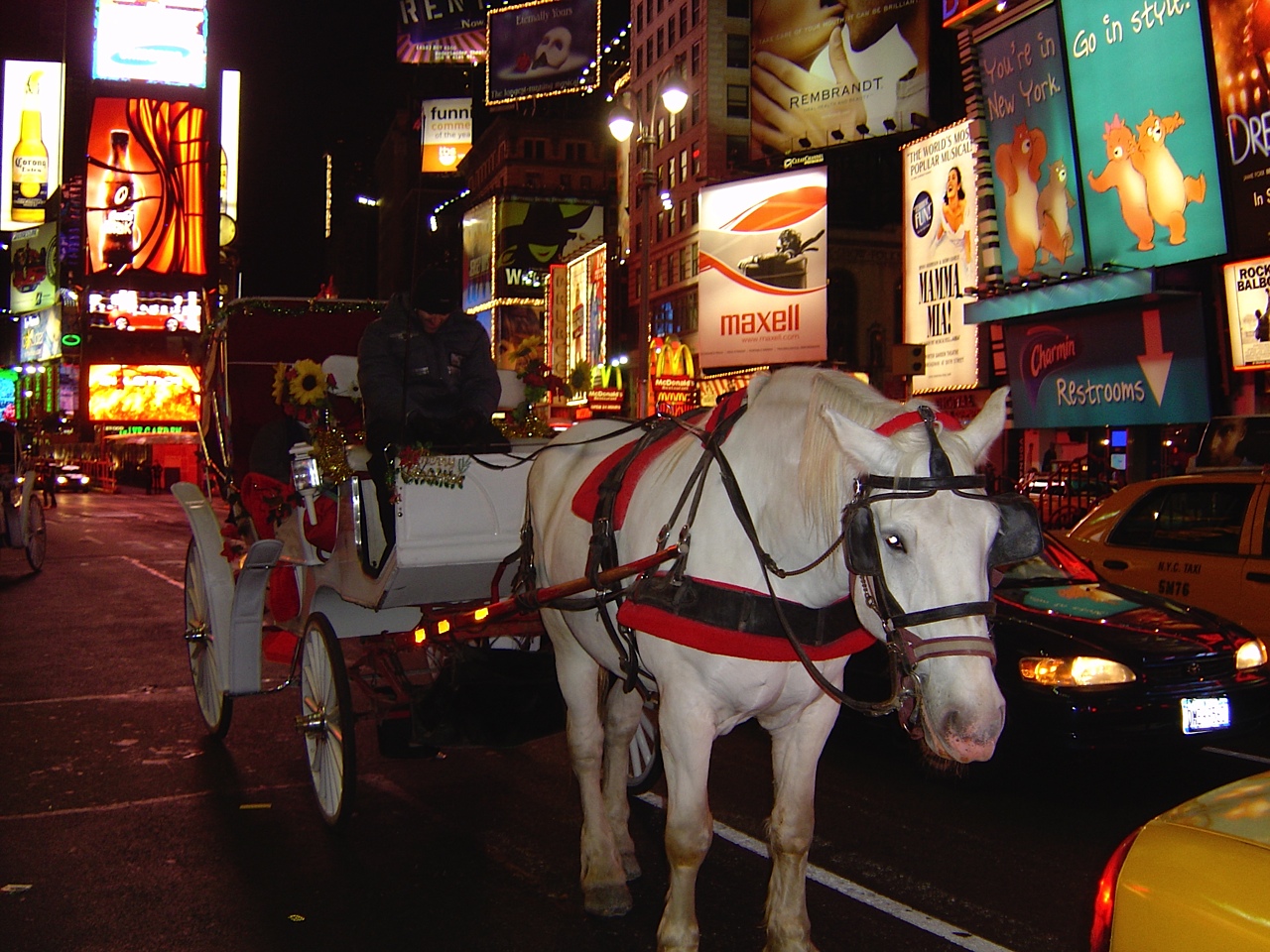
2. Urban environment: Horses are living animals, but, by forcing them to work in the streets with aggressive taxi drivers, tour buses and emergency vehicles, the carriage operators are treating them like motor vehicles. They simply do not belong in the busy streets of NYC.
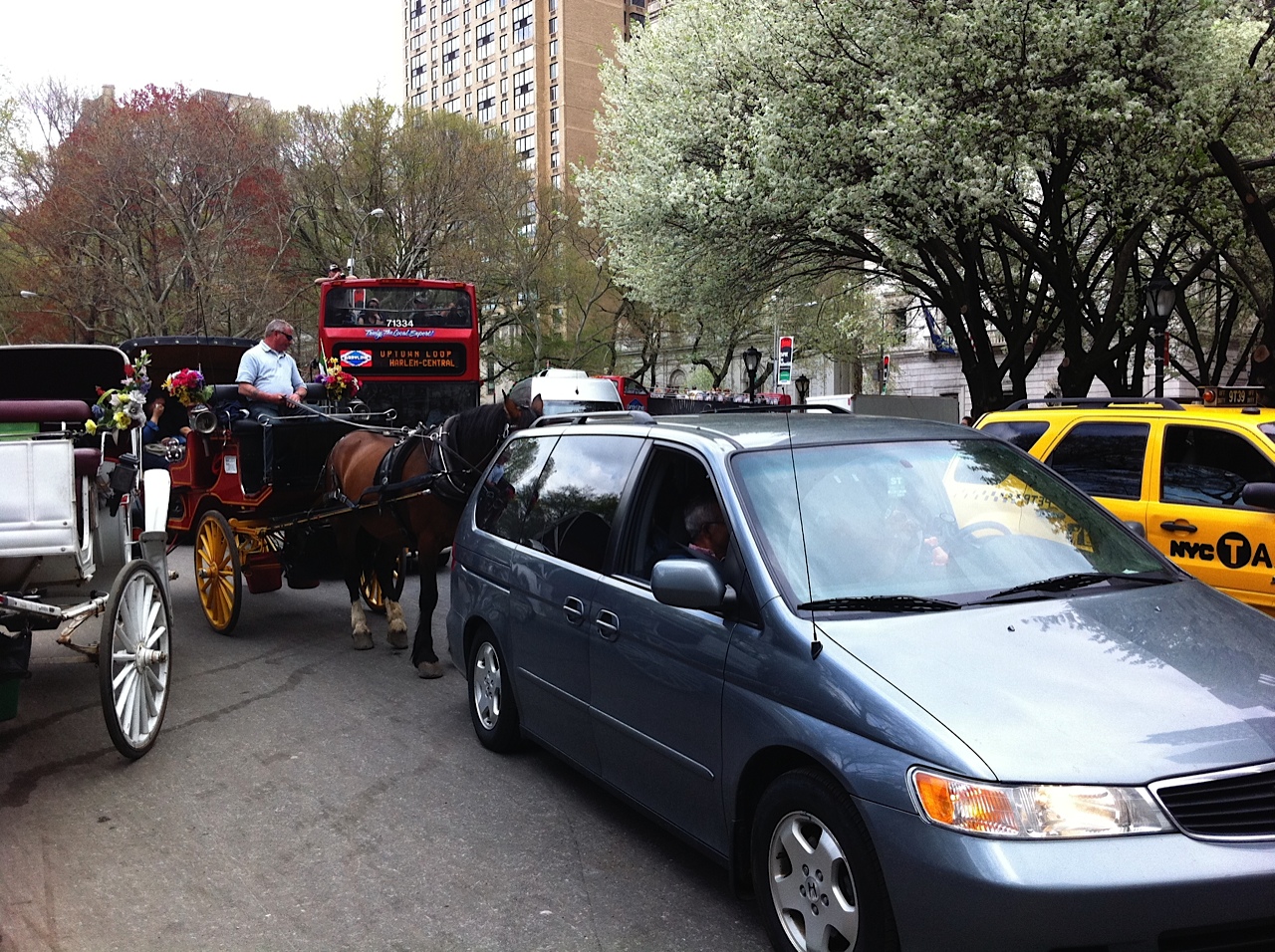
Who does not belong in this picture?

Who does not belong in this picture?

3. No pastures: Horses are grazing animals, but NYC has no pasture where they can graze, run, roll and interact physically, as herd animals do. They are either confined between the shafts of their carriages, encumbered by equipment, or kept in stalls.
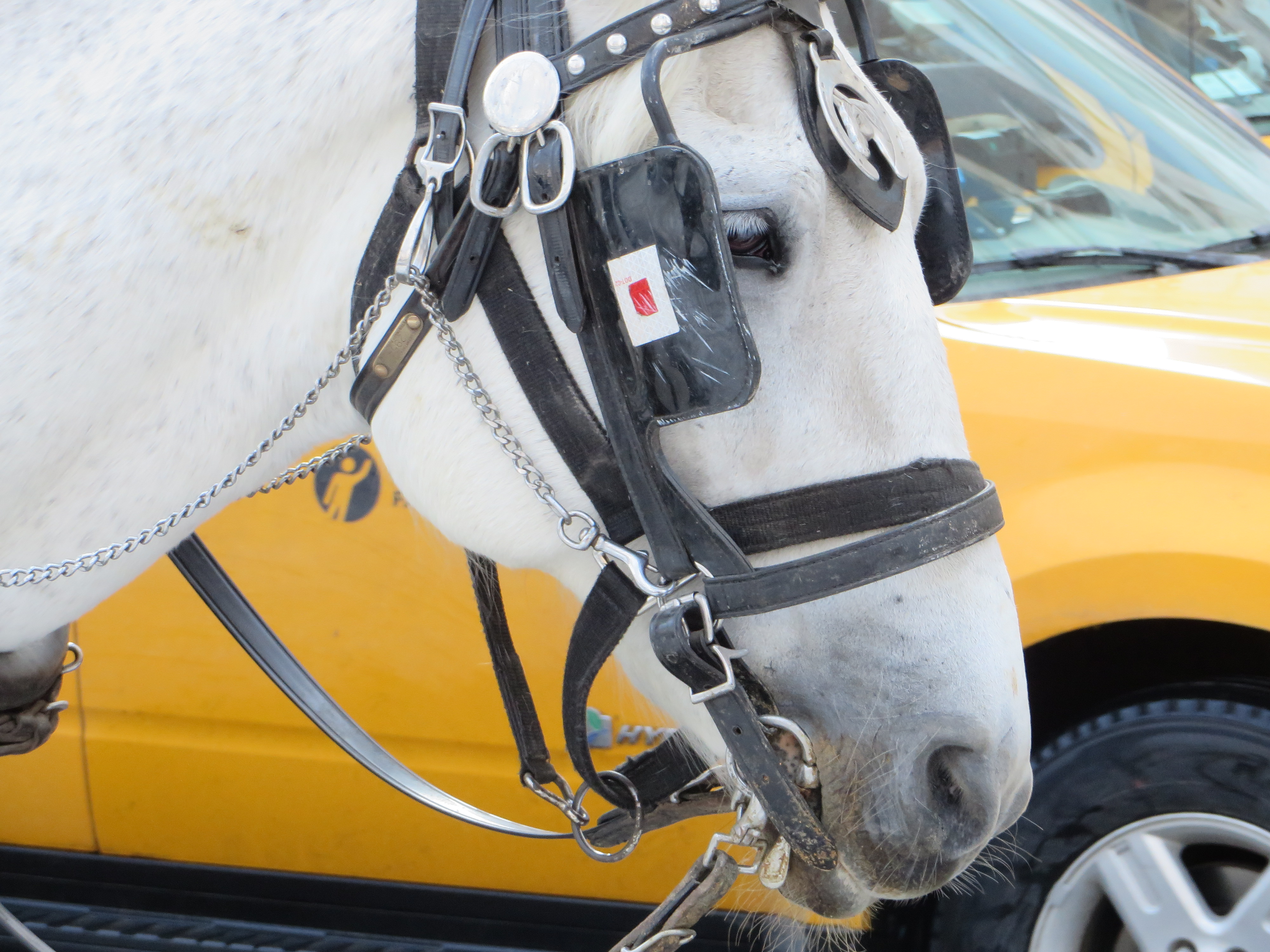
horse-blinders

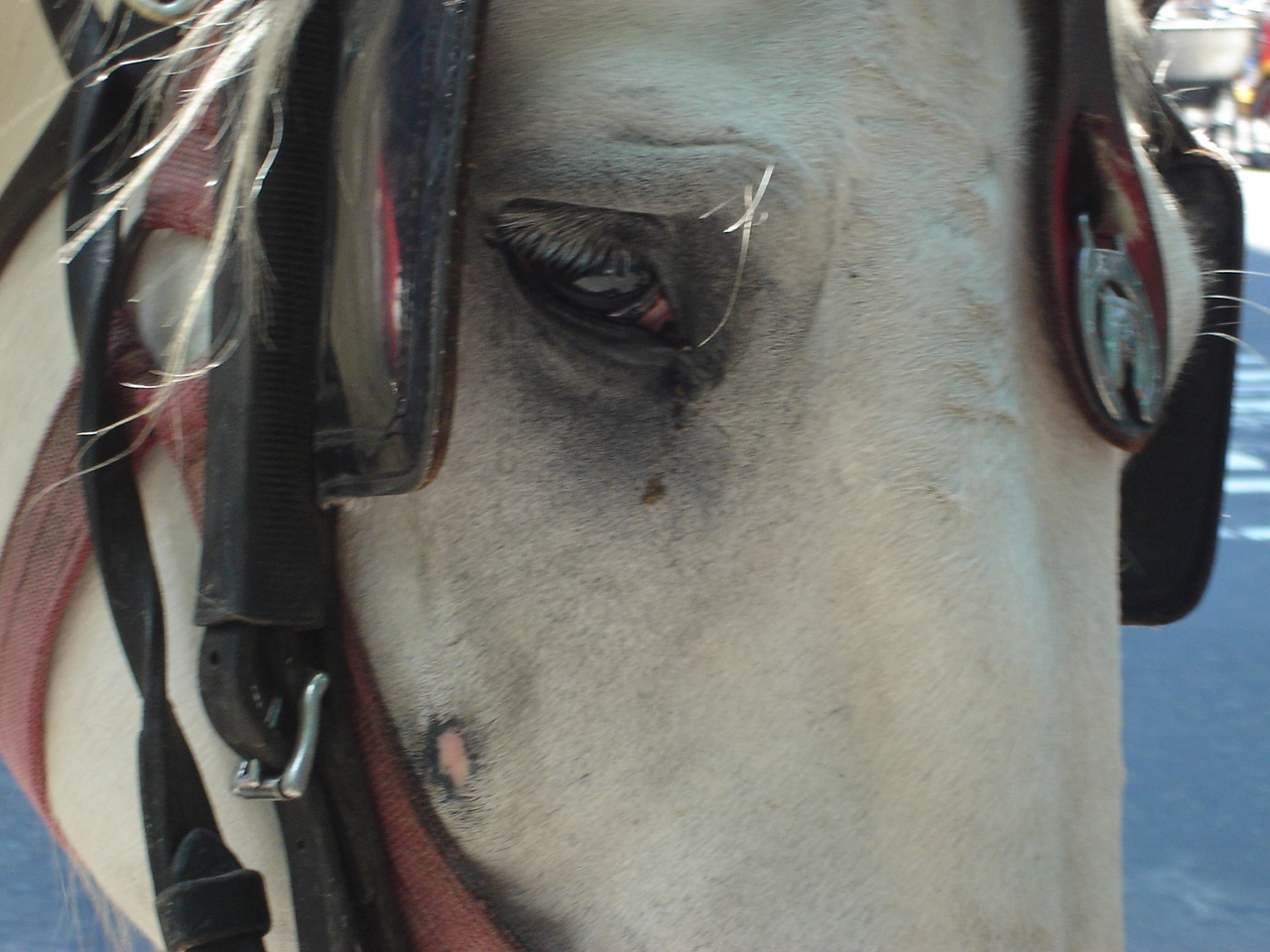
In addition to blinders, which curb their vision, the horses eat with a cold metal bit in their mouths.

4. Housing: The horses are housed on the second and third floors of four stables on the far West Side of Manhattan. If a fire broke out in one of these buildings, where highly flammable hay is stored, the panicked horses would be unable to escape down the narrow ramps, even if someone opened their stalls one-by-one to let them out. In 2011, NYC’s Department of Health recommended that the City prohibit new stables from having stalls above the ground floor, but that change, if implemented, would have done nothing to help horses trapped in the current stables.
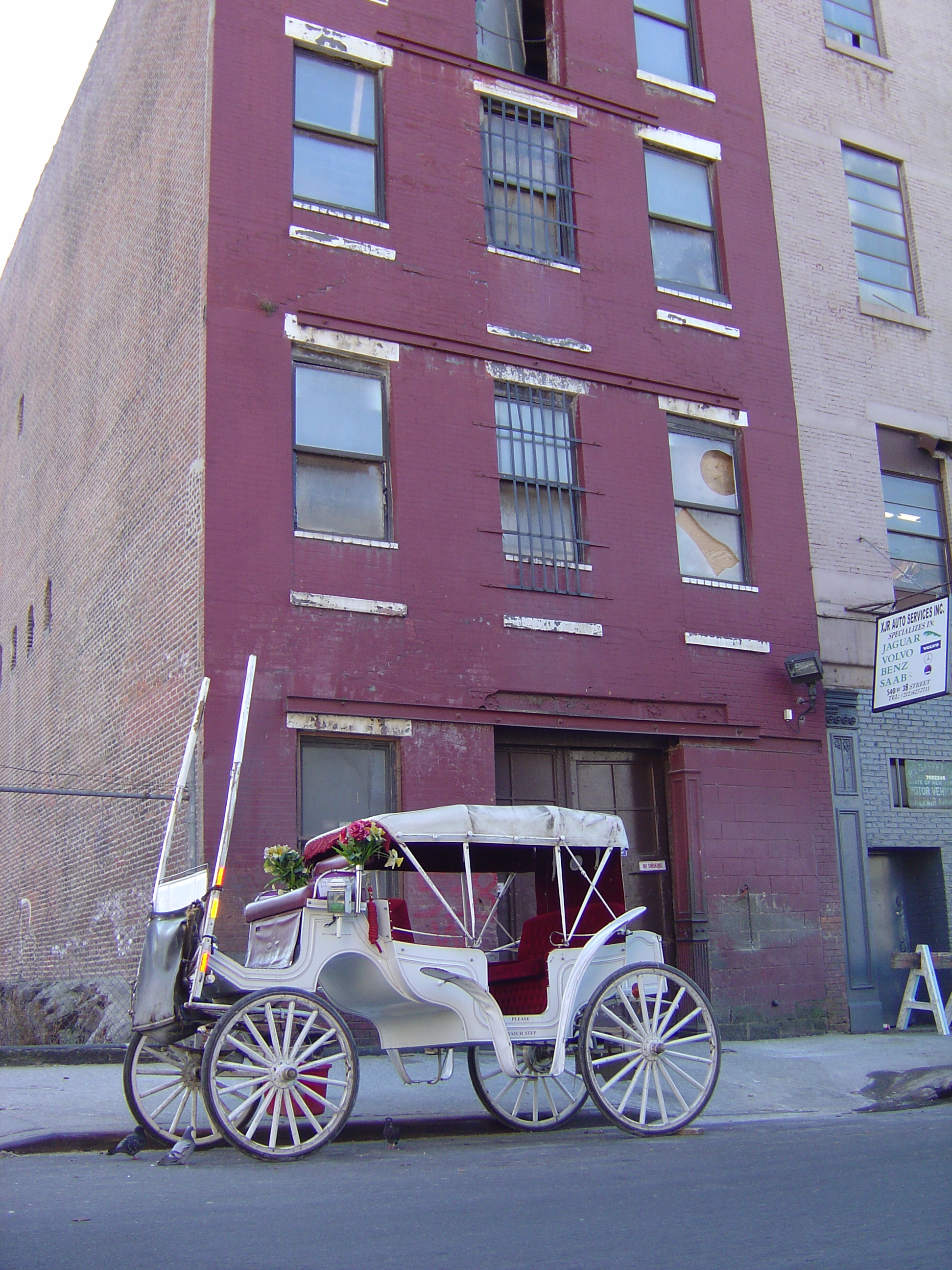
West side livery front

After working in the streets, the horses aren’t turned out into a pasture. They come to this and other stables in Hell’s Kitchen.

5. Car exhaust: Ingesting car exhaust can cause lung disease in horses who live a nose-to-tailpipe existence – even in Central Park, where cars are permitted at certain times of day.
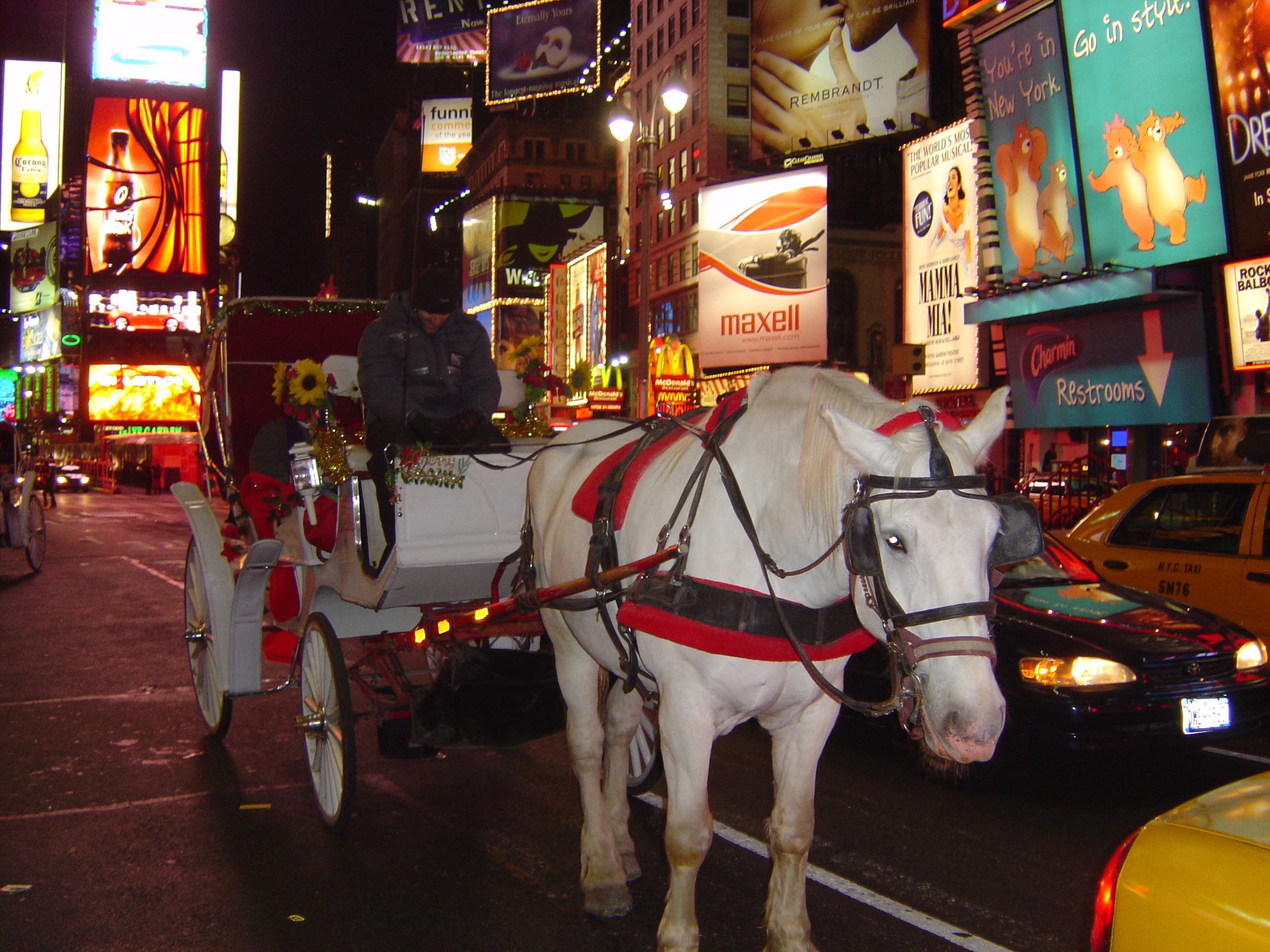
Nose-to-tailpipe for nine hours a day

Nose-to-tailipe for up to nine hours each day

6. Hard surfaces: Hard surfaces can cause concussive injury to horses’ legs and feet, which were designed to walk on soft surfaces.
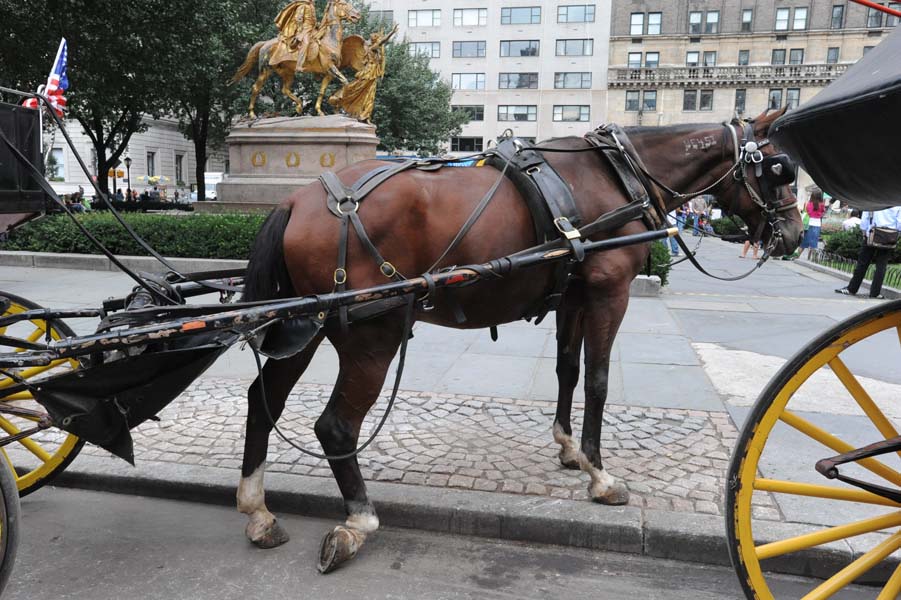
horse surface

Horses legs were designed to walk on soft surfaces, like grass or dirt.

7. Lack of shade: Most of the horses are stationed in Grand Army Plaza, which has no shade. During the hot summer months, they bake in the sun for hours at a time. Over the years, many carriage horses have collapsed and died from heat exhaustion.
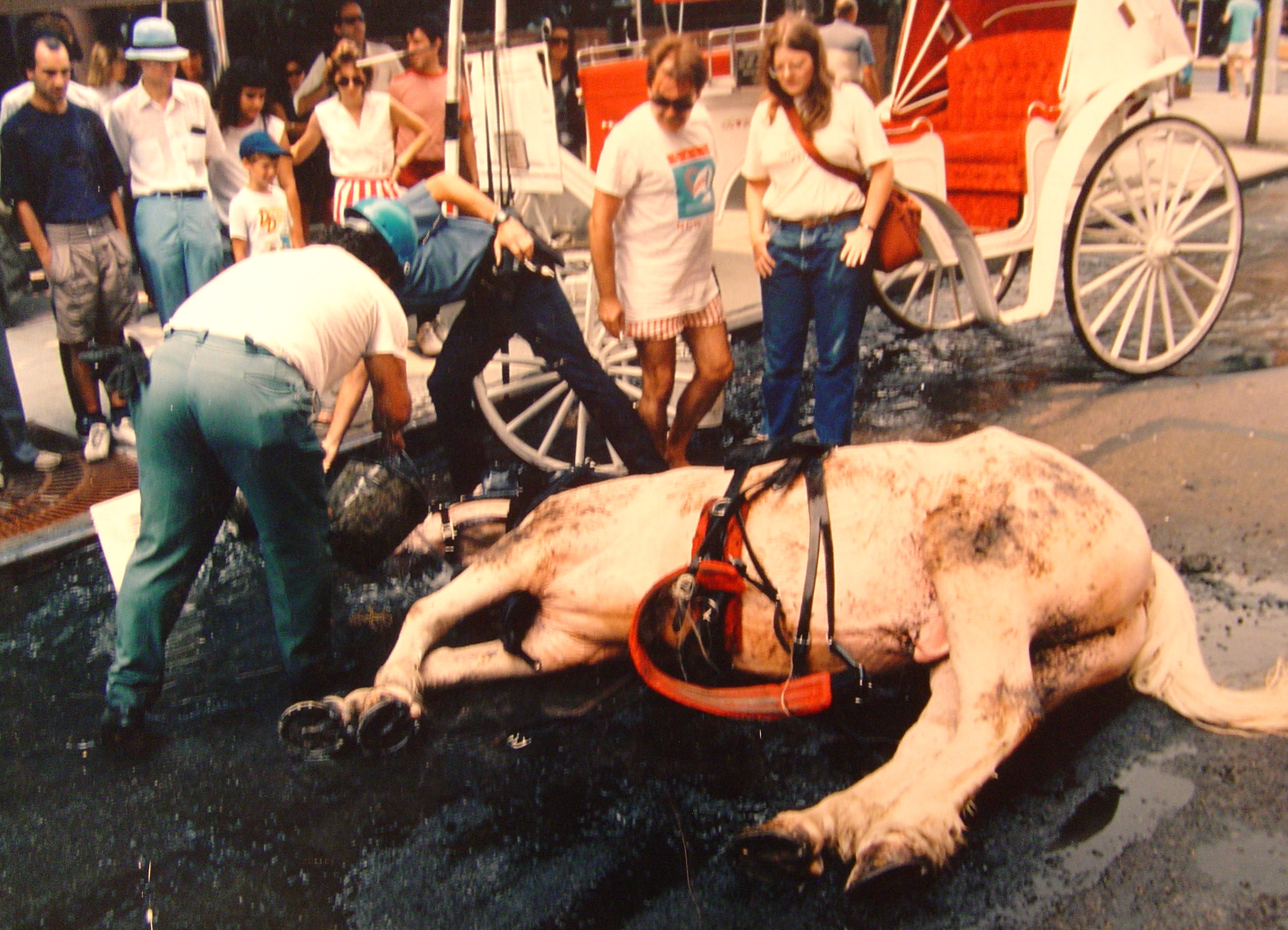
WHITEY

Carriage driver pours a bucket of water on a horse who collapsed from heat exhaustion.

8. Food & water: The horses’ feed is often contaminated with pigeon droppings, which is a violation of city code.  In addition, the horses are watered out of two communal basins, which is described by one expert as “a veterinary nightmare” because the horses can transmit diseases to each other and because humans use them as trash cans.
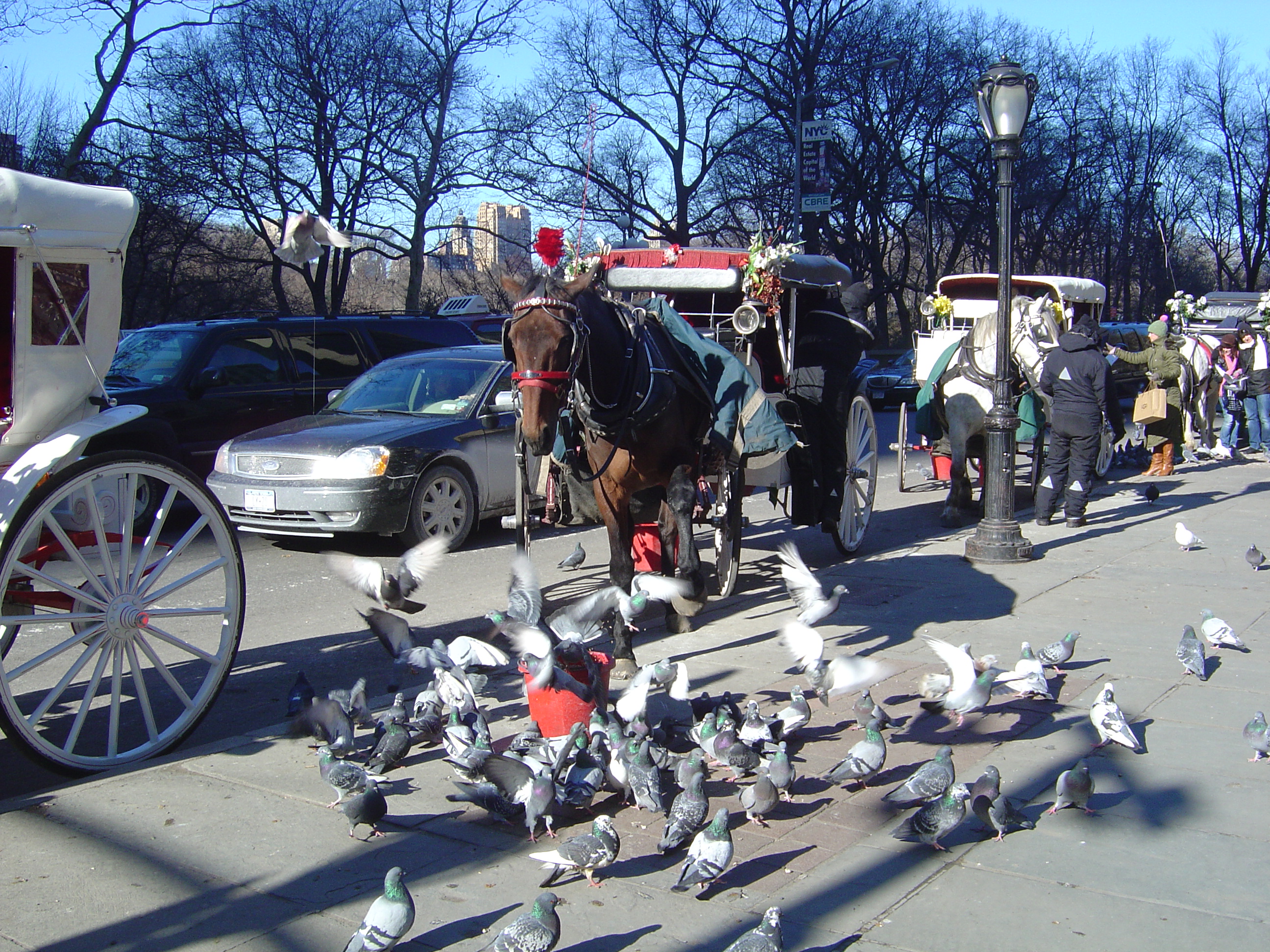
horse pigeon

Feeding horses with grains contaminated with pigeon feed violates city code, but who is going to enforce that?

The horses have no choice but to wear blinders, but elected officials, carriage operators and patrons intentionally turn a blind eye to the obvious cruelty out of political expedience and greed. History will assuredly judge those who fought to keep horse-drawn carriages in the congested streets of New York City.
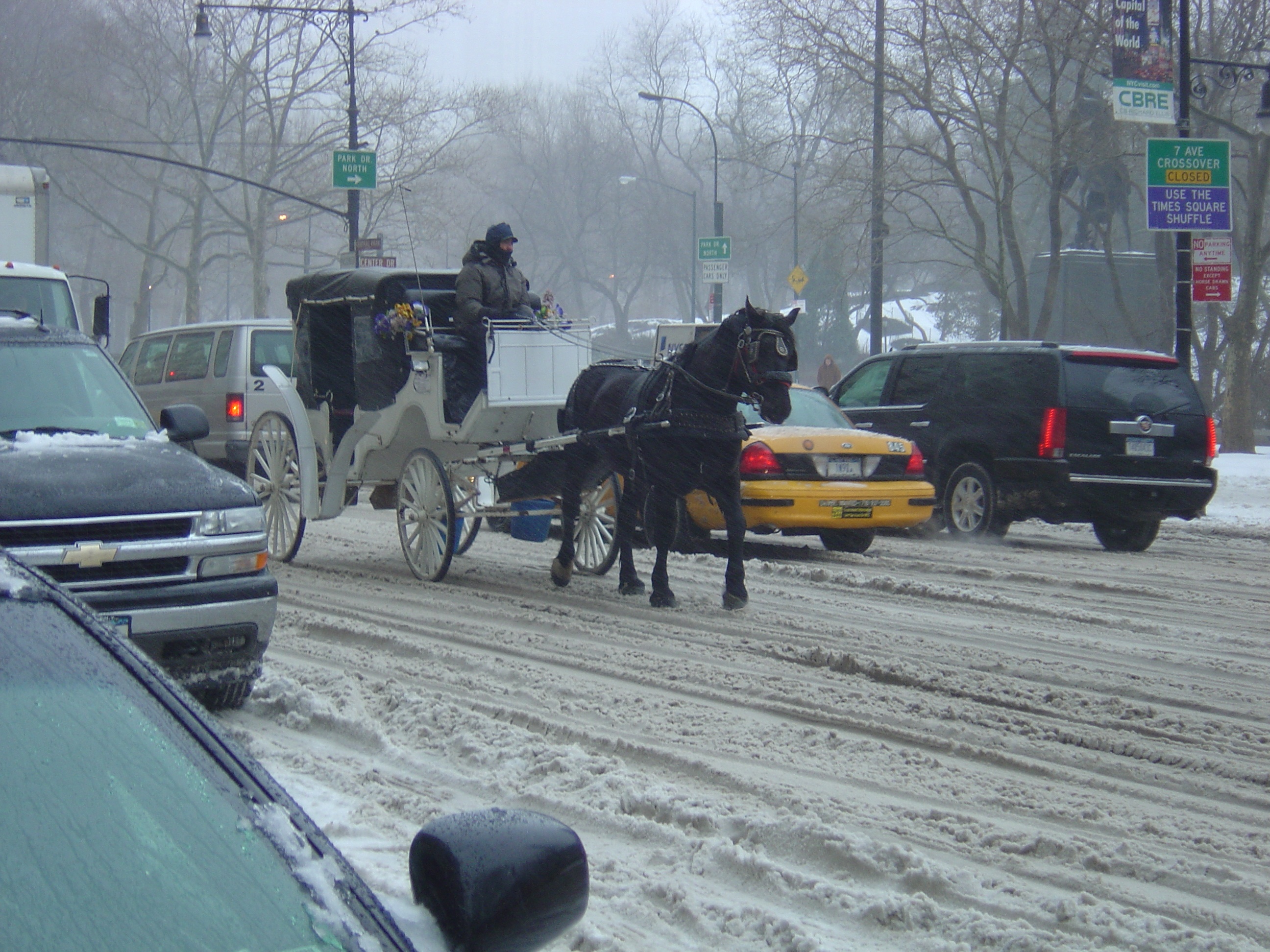
How can anyone think this is humane or safe?

How can anyone think this is humane or safe?

Your Turn

1. If you live in NYC, please join NY-CLASS in its efforts to rally support among lawmakers for the Mayor’s bill to ban horse-drawn carriages. If you live elsewhere, please sign their petition.

2. To learn more about the issue and keep apprised of news, subscribe to the weekly newsletter of the Coalition to Ban Horse-Drawn Carriages.

3. Watch the award-winning documentary film BLINDERS to see why people have been fighting for years to take the horses out of NYC:


Filed under: Entertainment, Opinion
Tagged with: ,

If Animals Could Talk

December 24, 2014 by Leave a Comment


Opinion

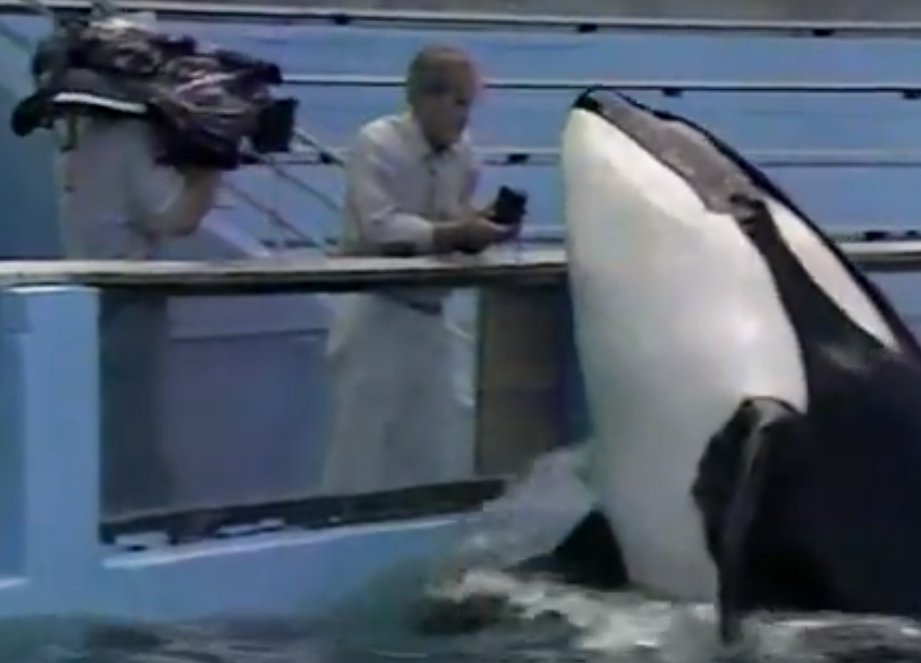
In 1996, whale biologist Ken Balcomb of the Center for Whale Research played an audio recording of Lolita’s pod next to her pool at the Miami Seaquarium, where she has been held captive since being kidnapped in 1970. When Lolita heard the vocalizations, she rose out of the water to get closer to the sounds that she appeared to recognize.

Lolita listens to vocalizations of her pod.

Lolita listens to vocalizations of her pod.

Like Lolita, all animals communicate with each other, but they can’t speak human languages. If they could, what would they say to the people have robbed them of everything that makes life worth living?

"Please send me home to Africa."

“I’m a wild animal. Please send me home to Africa.”

"Please don't grind me. I'm just a baby."

“Don’t grind me. I’m just a baby.”

"Please don't shoot me."

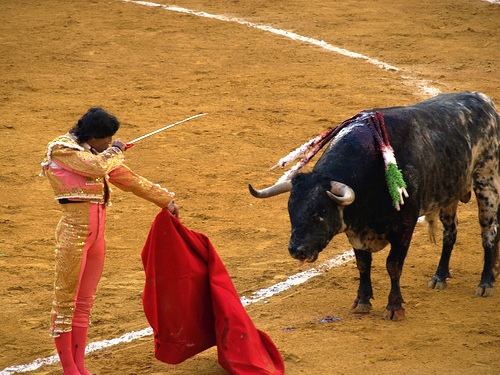
“Have mercy on me. I am innocent”

"What are you doing to my friend?"

“What are you doing to my friend?”

"I am in agony. Somebody help me."

“I am in agony. Somebody help me.”

"Take these blinders off of me and get me off the street."

“Take these blinders off of me and look into my eyes.”

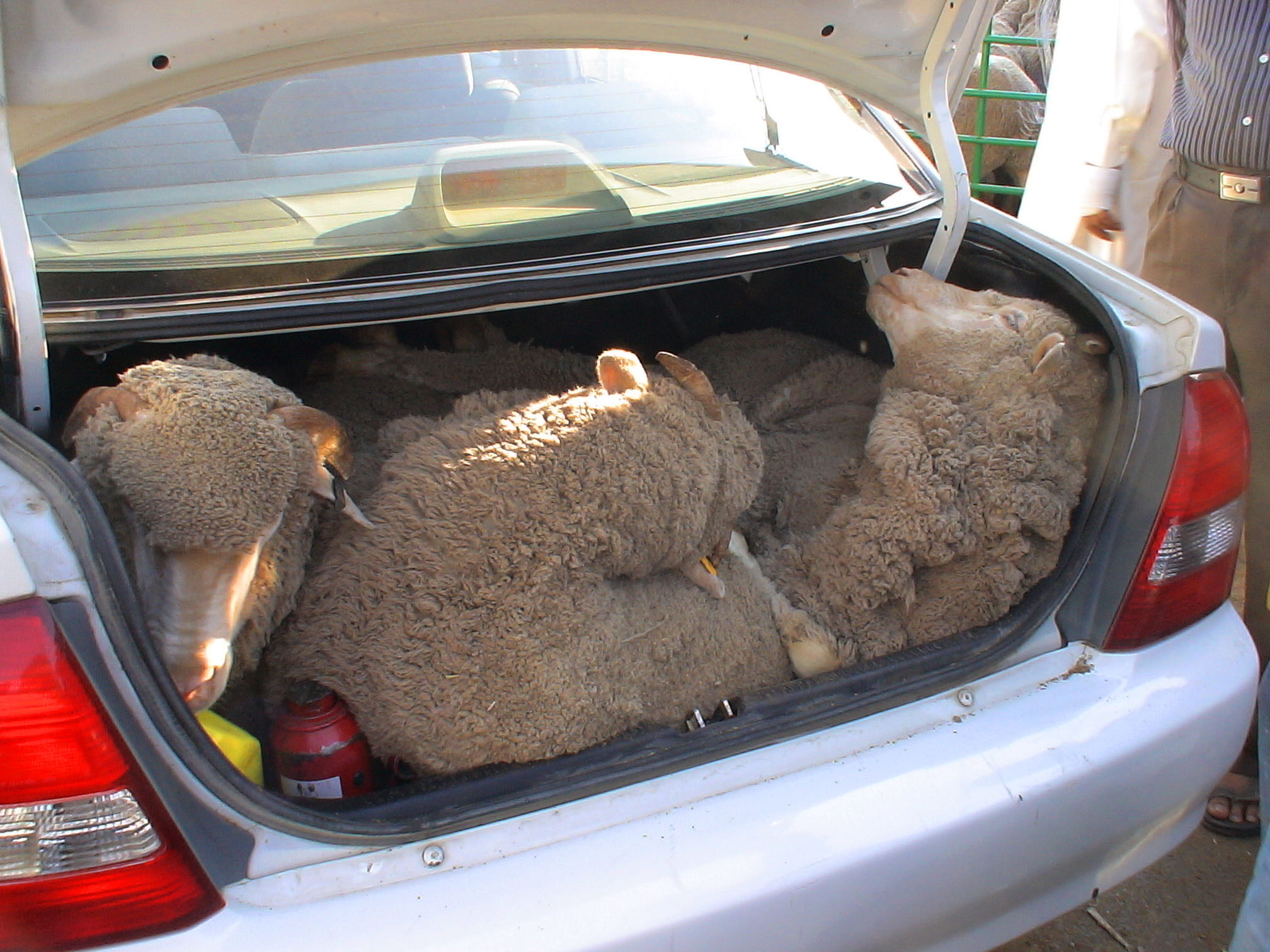
"We are not luggage. Please get us out of here."

“We can’t breathe in here.” (photo: Animals Australia)

"Please take me home. I don't belong in a pool."

“Please take me home to my family. I don’t belong in a pool.”

"Get me out of this concrete pit. I'm lonely; I'm bored, and I don't belong here."

“I don’t belong in a concrete pit.”

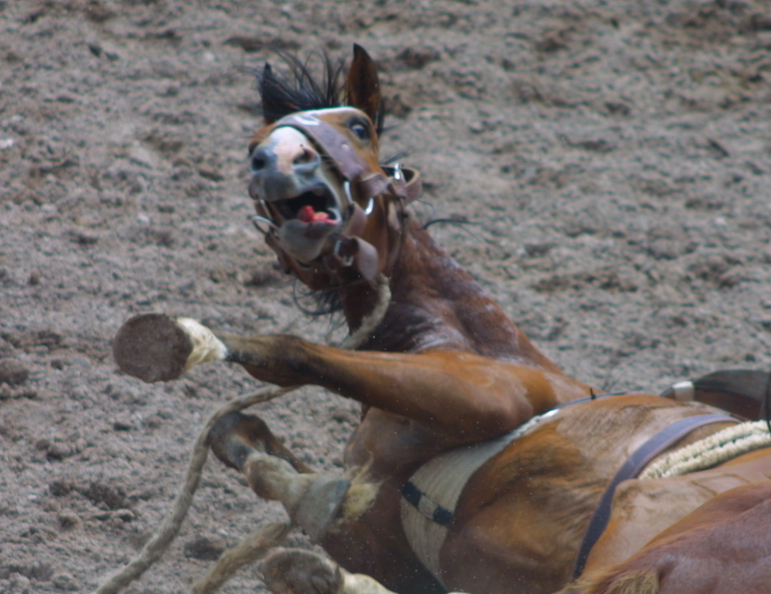
"Please don't rope me. I haven't done anything wrong." (photo: SHARK)

“Please don’t attack me. I haven’t done anything wrong.” (photo: SHARK)

"Somebody help me. Steel blades are tearing apart my leg."

“Somebody help me! This steel trap is tearing apart my leg.”

"Please tell the others to get me out of this zoo. I am not an exhibit."

“Please tell the others to get me out of this zoo. I am not an exhibit.”

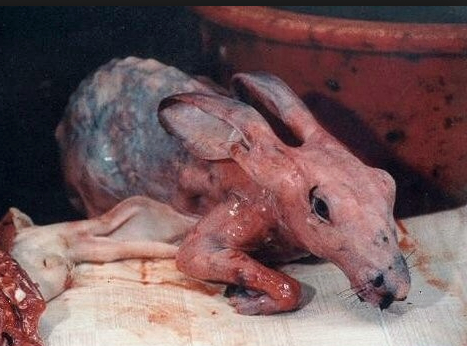
"Are you really skinning me alive?"

“Are you really skinning me alive?”

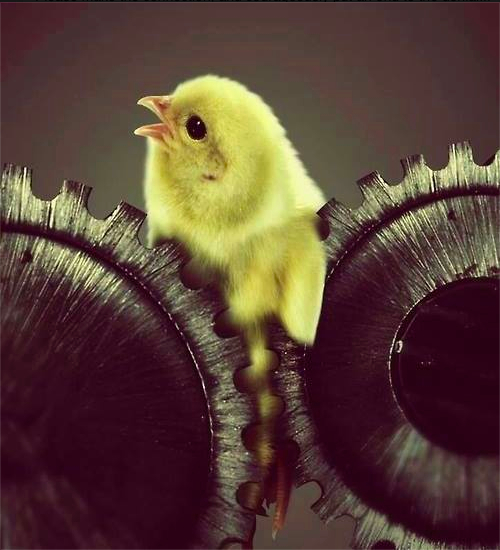
"You're choking me!"

“You’re choking me!”

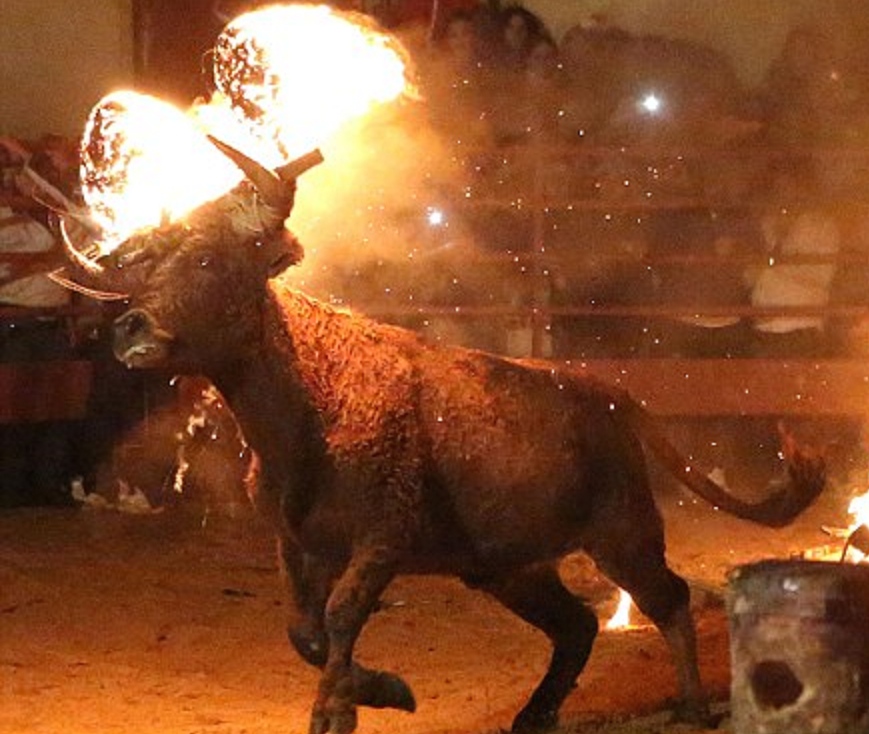
"Why did you set me on fire? Put it out!"

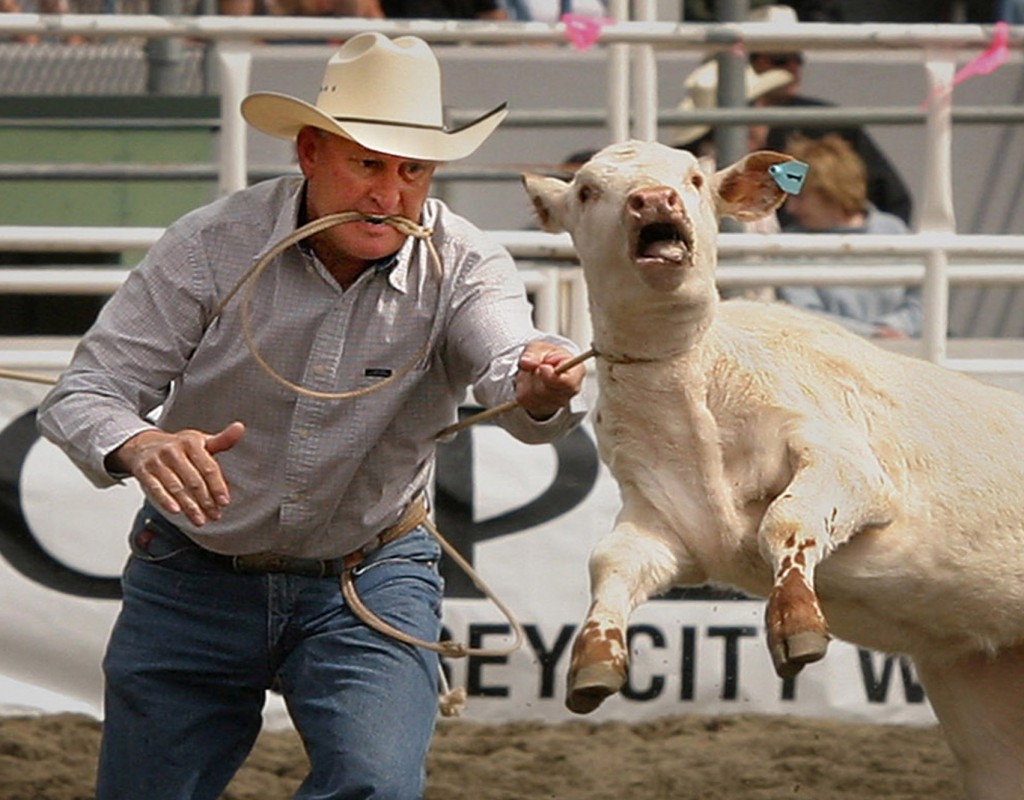
“How can you set me on fire? Put it out!”

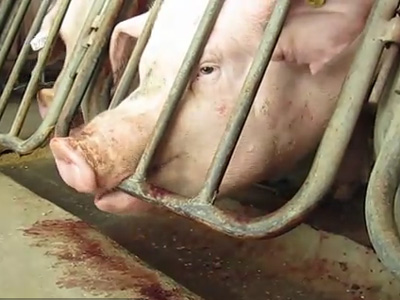
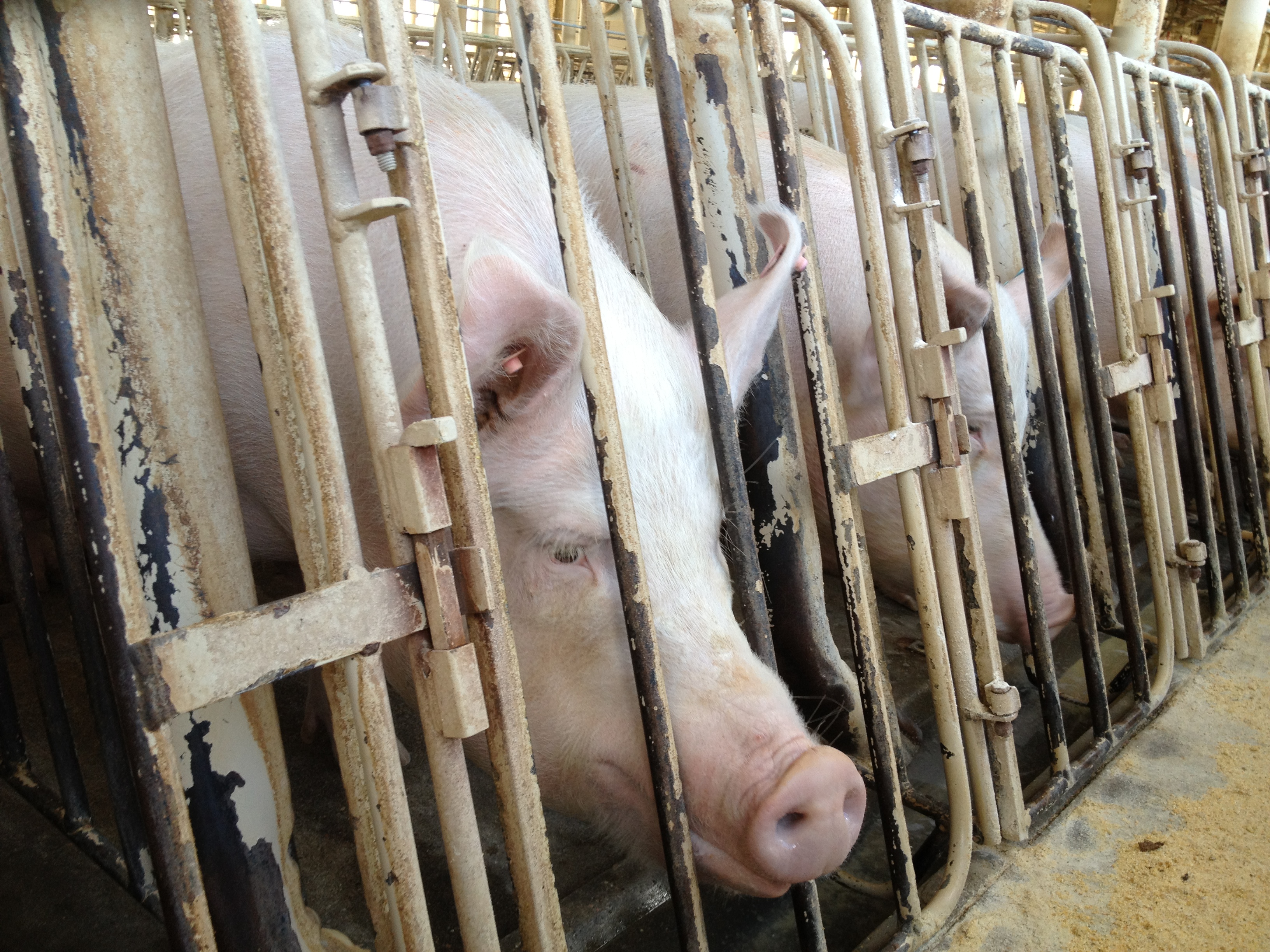
gestation crates

“I am going insane in this cage.”

"I saw what you did to the others. Please don't kill me."

“I saw what you did to the others. Please don’t kill me.”

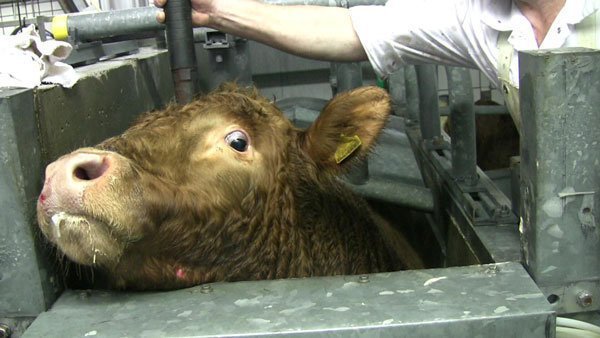
"No. Not again."

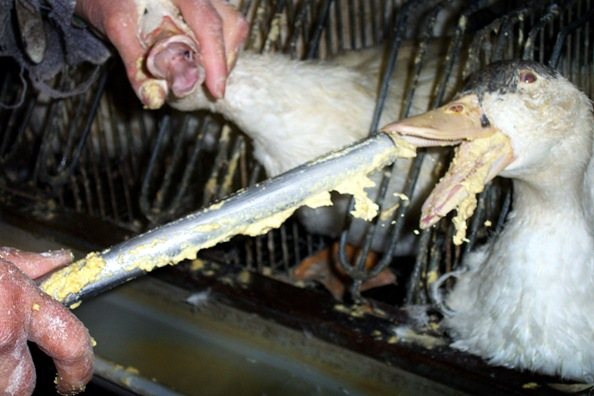
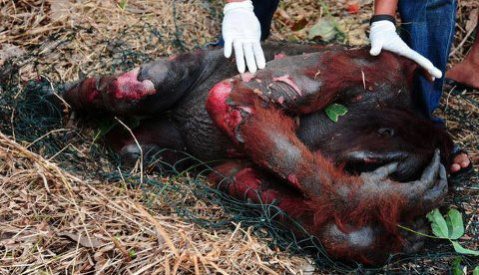
“It hurts when you insert a metal pipe down my throat to force feed me.”

Photo: PETA

“I belong in a forest in Asia with my family, not in a box car.” (photo: PETA)

"Haven't you stabbed me enough already?"

“Haven’t you stabbed me enough already?”

"I am not a TV stand."

“I am not a TV stand.”

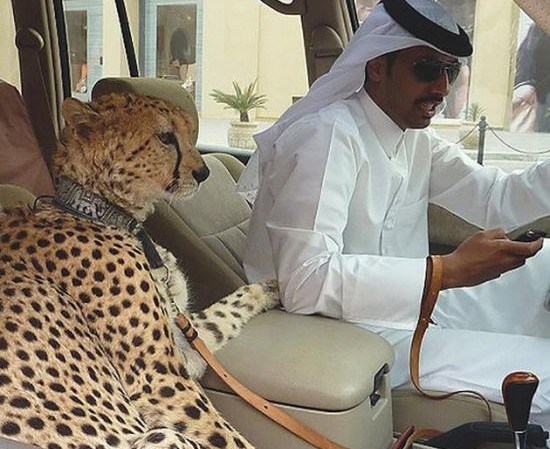
Do I look like I belong here?

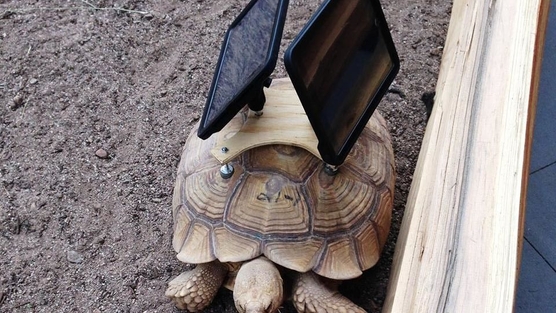
“Do I look like I belong here?”

"You've taken everything from us for your palm oil."

“You’ve taken everything from us for your palm oil.”

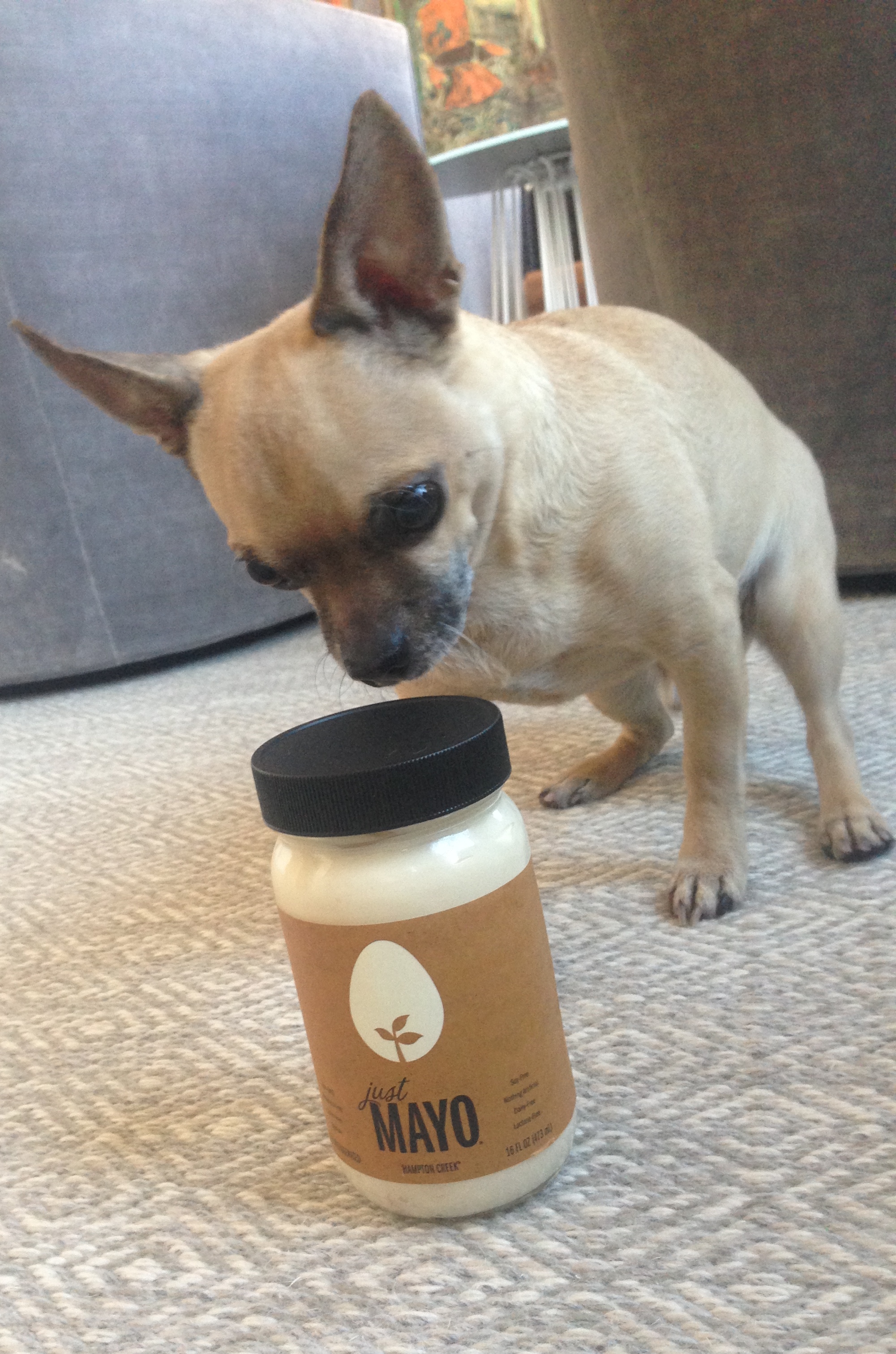
"Relax, Max. It's Just Mayo."

“How do I open this thing?”


Filed under: Opinion
Tagged with:

Humans Are Superior, Right?

December 17, 2014 by Leave a Comment


Opinion

Humans are the most powerful of all animals species. No one will debate that. But are we superior to all the others? The vast majority of people probably think that we are. After all, we’re the only animals who can travel into outer space, communicate across oceans and keep ourselves alive long past our expiration dates. Our accomplishments are impressive.

On the flip side, we are also the only species that is destroying the planet and its other inhabitants. Other animals take from the earth only what they need to survive and leave it just the way they found it. We, on the other hand, consume far more than we need; permanently pollute the land, water and sky; wipe out other species; and leave the planet in far worse shape than the way we found it. Doesn’t that make us the most inferior species?

This extraordinary video called “Man” viewed by over 12 million people attempts to answer that question.

Your Turn

The demise of the planet from man-made climate change, pollution and mass extinction is a problem that seems too big to fix, but that shouldn’t give us license to act with disregard or give up. Each of us has the power to dramatically reduce our own impact on the earth and its inhabitants. We can consume less; recycle more; and, most importantly, adopt a cruelty-free vegan lifestyle, which is not only good for the environment but also for our health and, of course, the animals.


Filed under: Clothes, Entertainment, Experimentation, Food, Opinion, WIldlife
Tagged with:

Animal Exploiters Recklessly Dig in Their Heels

December 12, 2014 by Leave a Comment


Opinion

Once an animal rights campaign is embraced by the mainstream public, the corporation that is targeted would be wise to stop defending, and start fixing, the issue in question. But all too often, companies fight to maintain the status quo, prioritizing short-term profits over their reputations and even the long-term viability of their organizations. This week, two companies foolishly dug in their heels by defending practices that have been rejected by the public and, in many cases, by their own customers.

NATIONAL PORK PRODUCERS COUNCIL

In a letter to the editor of the NY Times in response to an opinion piece criticizing gestation crates, the President of the National Pork Producers Council, Howard Hill, writes that the crates are humane and “allow farmers to provide individual care to sows, monitor their feed intake and eliminate aggression among sows.”

gestation crate

Is Mr. Hill living on the same planet as the rest of us? Surely he knows that even meat eaters reject the most intensive forms of farm animal confinement. In a recent poll taken in New Jersey, for example, 93% of respondents said they oppose pig gestation crates. The ship has sailed, Mr. Hill. If you want members of the public to take “pig producers” seriously, then you need to eliminate, not justify, the metal cages that drive pigs (and activists) insane. Individualized care? Really?

SEAWORLD

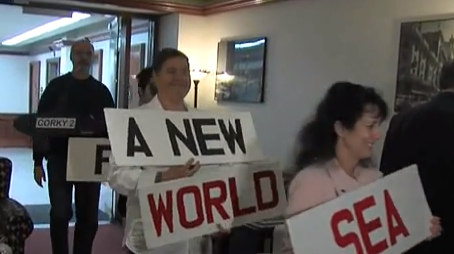
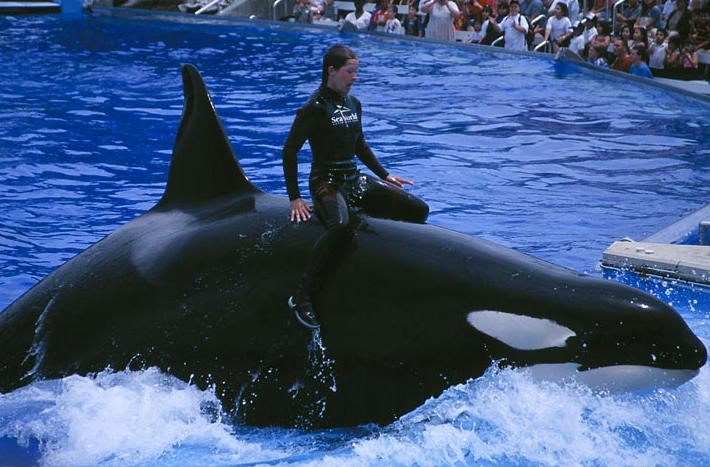
On December 9th, activists in San Diego hand-delivered a petition to the Mayor asking him to help retire Corky (aka Shamu), an orca who has been performing tricks in a barren pool since she was plucked out of the ocean in 1969 — 45 years ago!

Delivering petition to retire Corky

Delivering petition to retire Corky

In response to the “Retire Corky” petition, SeaWorld issued a statement describing the activists as “a handful of extremists” who are “out of touch with reality” and stated that Corky is “happy and healthy.”

Corky gave birth 7 times in captivity. All of her babies died in a matter of days.

Corky gave birth 7 times in captivity. All of her babies died in a matter of days.

Those words might have resonated with the public before Blackfish created an anti-captivity revolution. Now, they make SeaWorld sound delusional. Does their stock price have to drop to $0 before they accept the fact that the whales who once earned them billions are now poised to sink the entire company?


Filed under: Entertainment, Food, Opinion
Tagged with: , , , , , ,

Making Sense of Nepal’s Animal Massacre

December 4, 2014 by Leave a Comment


Opinion

UPDATE: July 28th, 2015 –  Advocacy works. The Gadhimai Temple Trust has responded to the global outcry to ban the ritual slaughter of hundreds of thousands of animals that takes place every four years: “For generations, pilgrims have sacrificed animals to the Goddess Gadhimai, in the hope of a better life. The time has come to replace killing and violence with peaceful worship and celebration.”

————————————————————————————————————

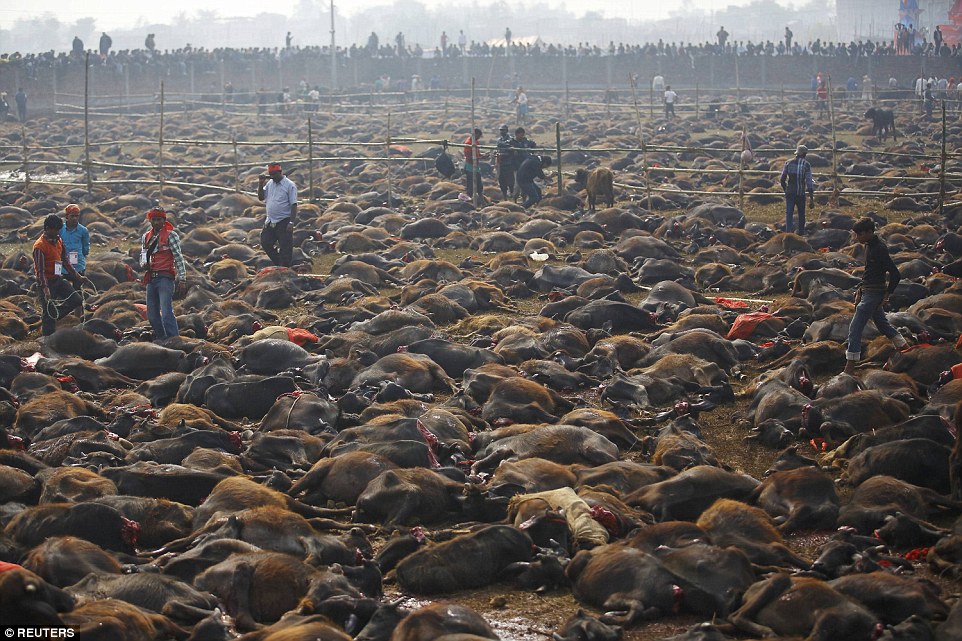
Every five years, Hindus from India and Nepal participate in Gadhimai, a ritual slaughter that takes place in Nepal. During the two day ritual, which took place in late November, practitioners chopped off the heads of approximately 300,000 thousand buffalo calves, goats and other animals as a sacrifice to the goddess of power, Gadhimai.

Global efforts to prevent the 2014 Gadhimai failed, but the media and activists shined an international spotlight on the massacre before it began. And, once it started, the 12,000 police officers hired to protect the killers were unable to block the cameras, raising even more public awareness. Pressure is mounting on Nepal to outlaw the ritual.

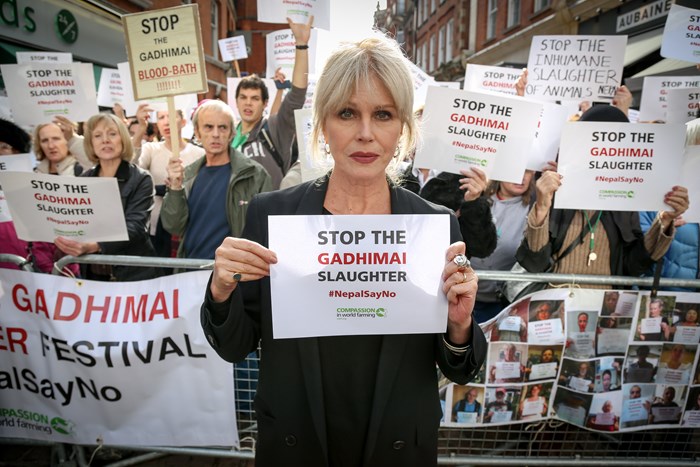
Actress Joanna Lumley at Gadhimai Protest in London (photo: CIWF)

Actress Joanna Lumley at Gadhimai Protest at Nepal Embassy in London (photo: CIWF)

Because Gadhimai is so violent, one would think that just a small number of people would participate, but, in 2014, the animal holocaust attracted 5 million Hindus.

gadhimai participants2

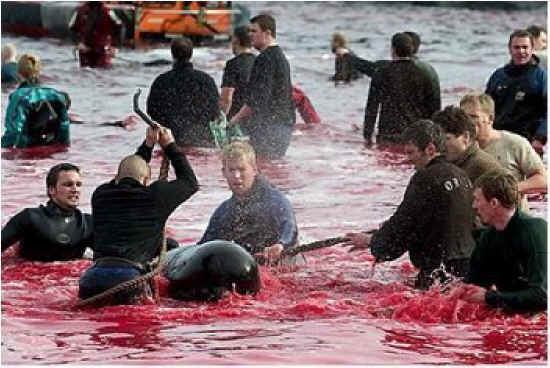
We can, and should, point a finger at the Nepalese and Indians who participate and expose their crimes, but we should also acknowledge that they are no worse than the millions of people who torture and kill animals in other countries around the world.

Denmark whaling

Annual Pilot Whale Hunt in the Faroe Islands (Photo: Sea Shepherd)

We could, and should, point a finger at Hindus, but we must also acknowledge that people from other religions torture and kill animals in the name of God.

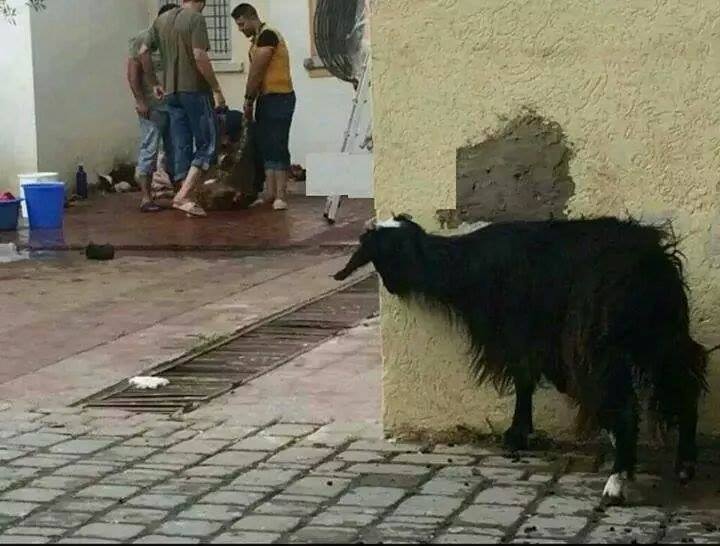
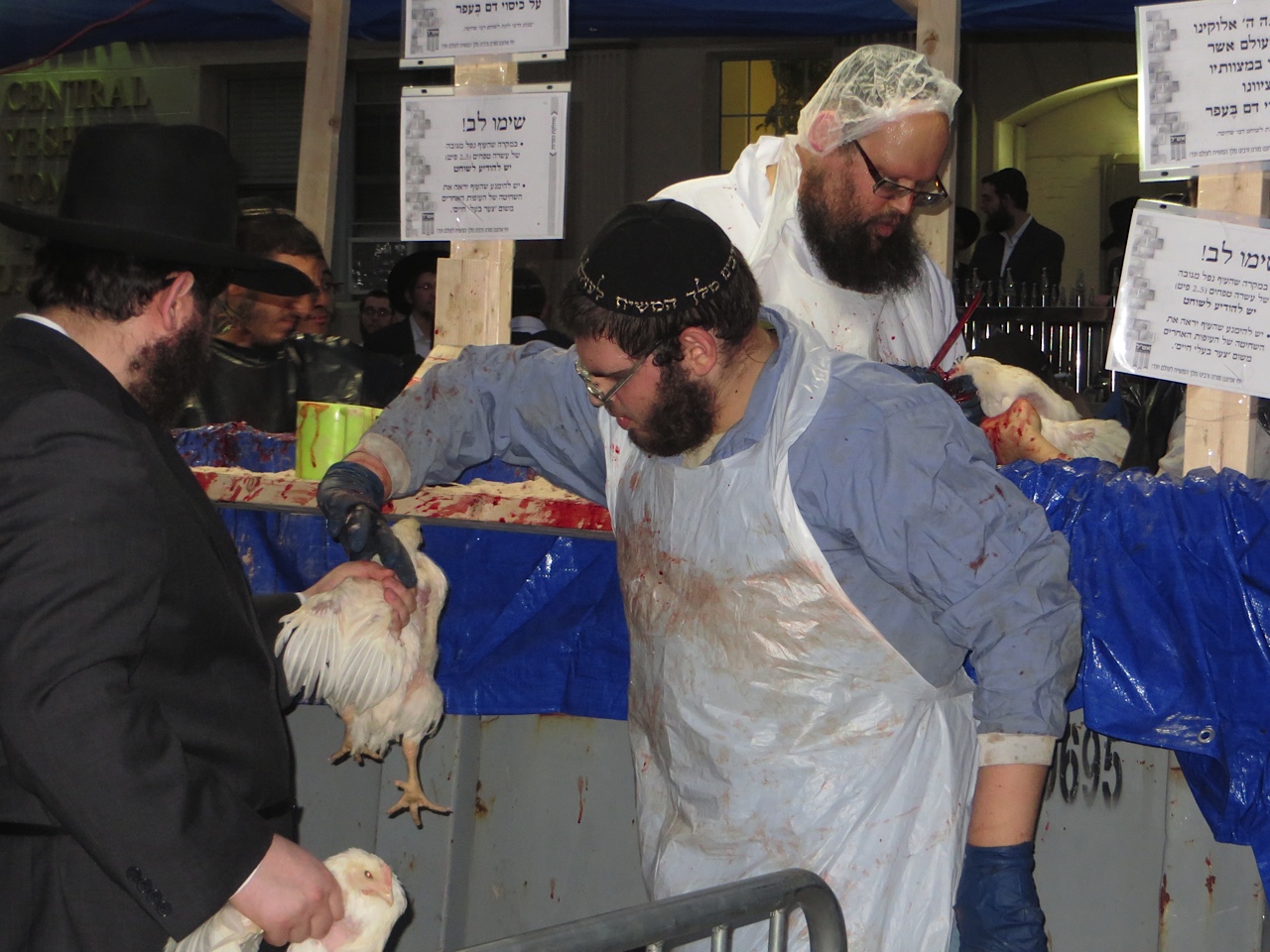
Slaughter in the streets of Brooklyn

Observant Jews swing and sacrifice hundreds of thousands of chickens before Yom Kippur, the Day of Atonement

What is it about the human species that makes us kill gratuitously – for reasons that have nothing to do with our survival? How is it possible that the most intelligent species is the one that is destroying the planet? How did we become so violent?


Filed under: Food, Opinion
Tagged with: , , , , , ,