Their Turn - The Social Justice Movement of Our Time Their Turn - The Social Justice Movement of Our Time

Activists Disrupt Economic Development Conference on Behalf of Lab Monkeys

May 11, 2015 by Leave a Comment


The News

Hendry County, Florida, a rural area virtually unknown outside of its own borders, is hardly a hotbed for animal-rights activism. Perhaps that is why Jessica Thomas, a nearby resident, surprised even herself when, during a conference of regional government and business leaders, she jumped onto the stage to display her #MonkeyGate t-shirt to protest County officials’ efforts to turn Hendry into the nation’s lab monkey breeding capital. Her spur of the moment decision led to several local news stories that project their message to a much wider audience.

After she was escorted off the stage, Ms. Thomas told the audience, “We’ve had enough of monkey experimentation and monkey abuse happening in Hendry County, and everyone needs to know about it.”

Jessica Thomas, who lives near one of the four  monkey breeding facilities, is most concerned about animal cruelty issues.

Activist Jessica Thomas, who lives near one of the four monkey breeding facilities, says, “We have to stand up against injustice.”

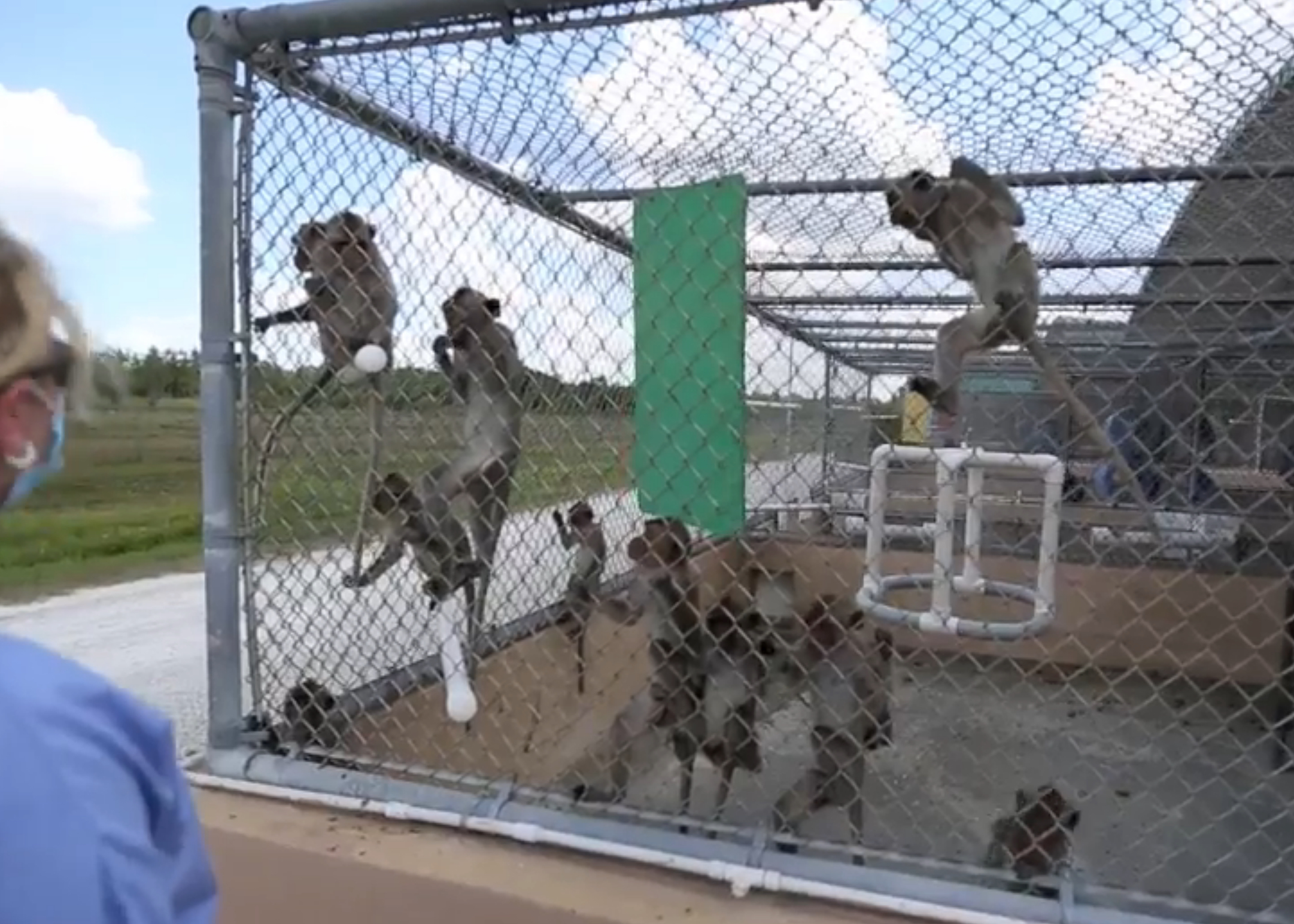
Hendry County is now home to two primate breeding facilities that house thousands of monkeys. Two more that would bring thousands of additional monkeys are under construction, and area residents are determined to shut them down.
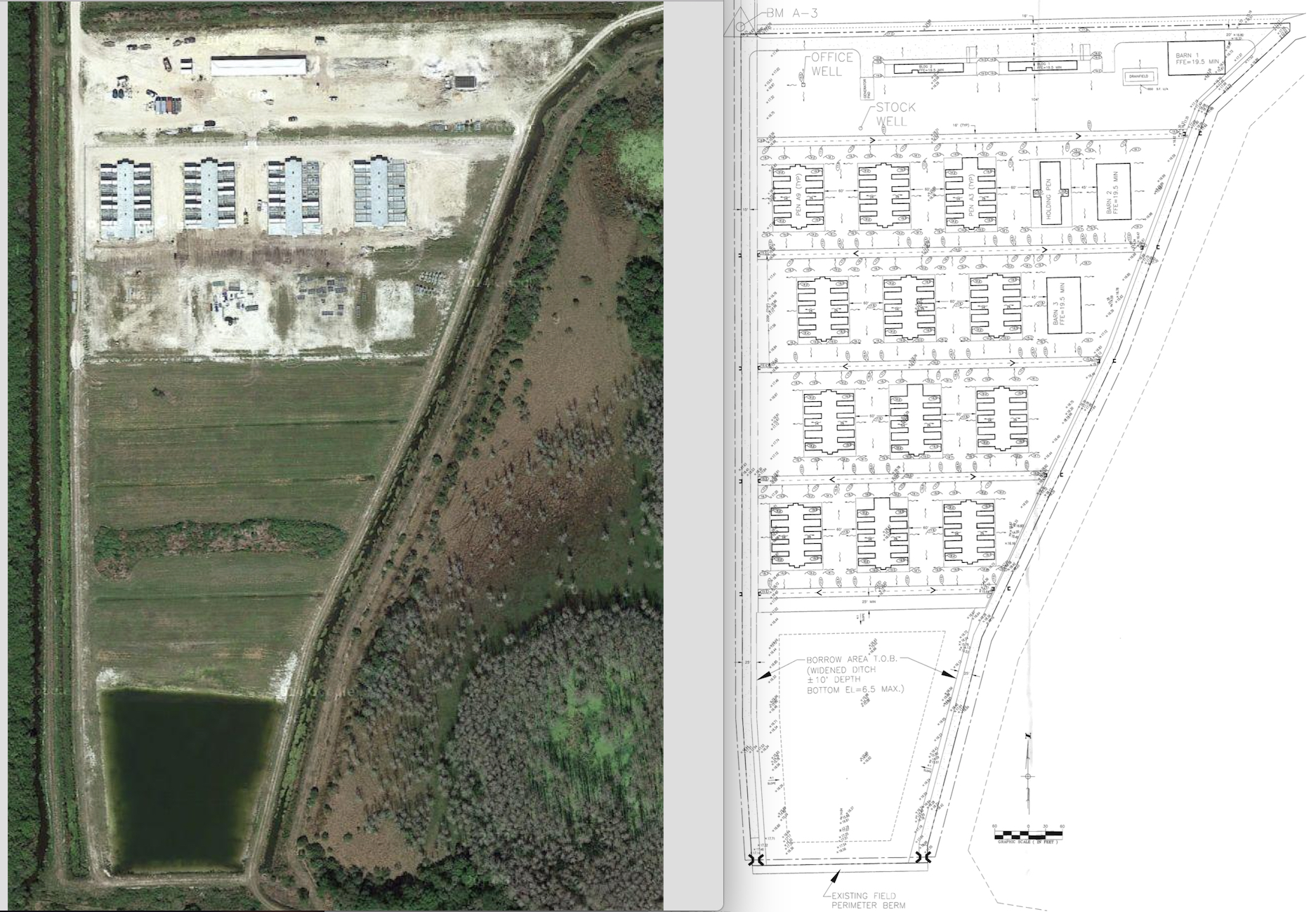
A partially completed expansion on the land owned by Primate Products

Bioculture, a company that was expelled from Puerto Rico by its Supreme Court, is one of two new monkey breeding facilities under construction in Hendry County.
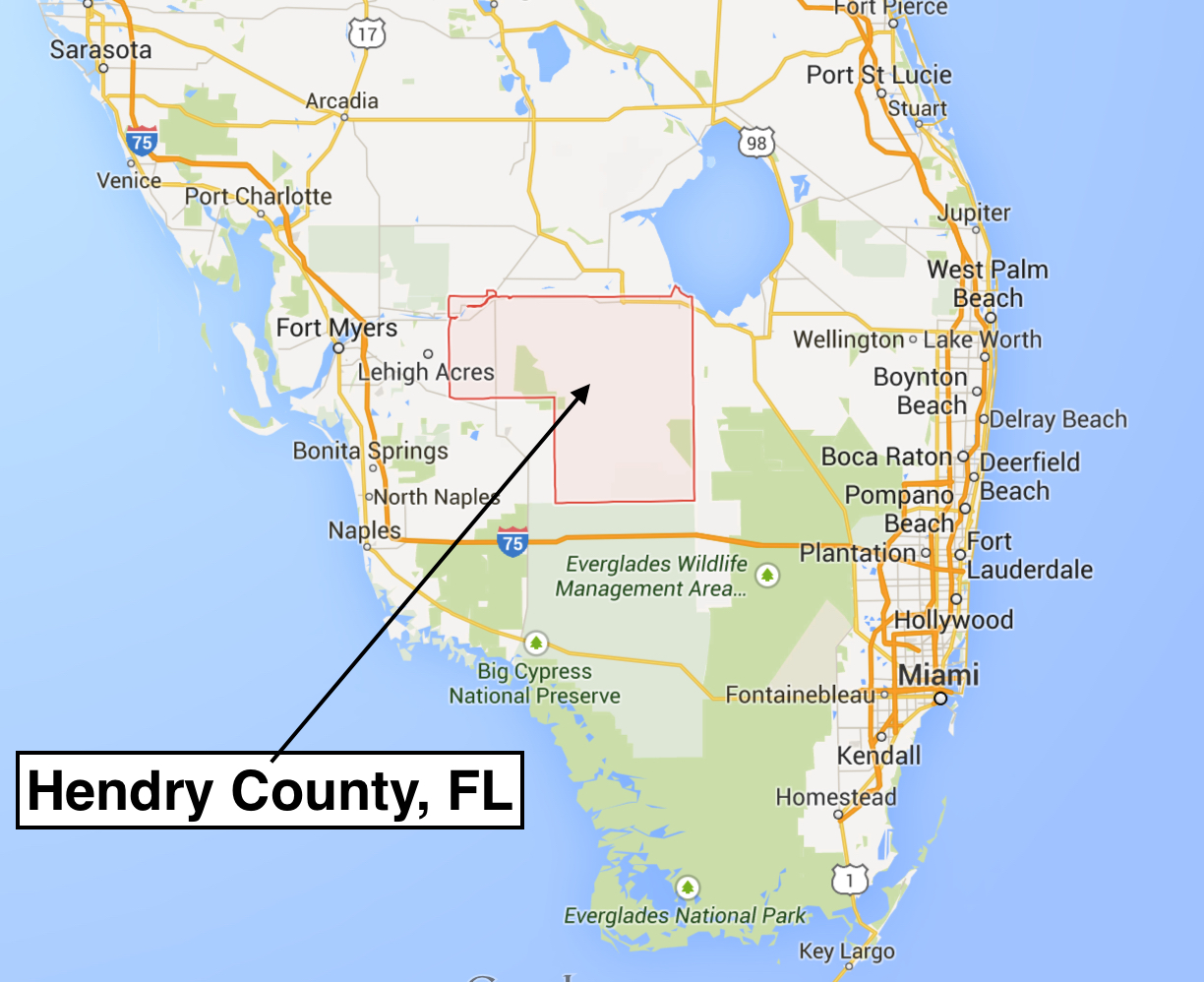
Hendry County monkey breeding capital

Hendry County is home to four facilities that breed monkeys for lab experiments. Two are fully operational; two are under construction.

In addition to animal cruelty, neighborhood activists have expressed grave concerns about the spread of disease from the monkeys to humans and other animals; groundwater contamination with toxic monkey waste; the effect of monkey breeding facilities on property values; and the impact of escaped monkeys on the local environment. The nearby Everglades are already under siege by non-native invasive species.
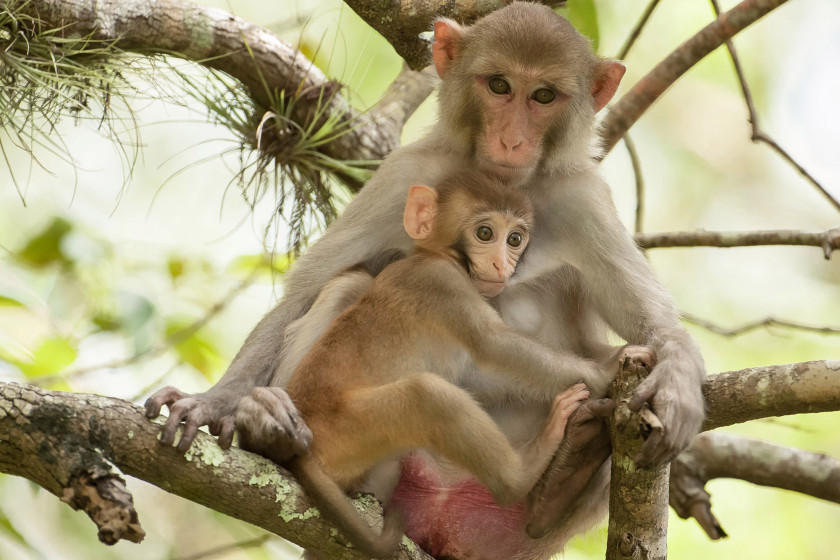
Hundreds of non-native wild macaque monkeys with herpes B virus live in Florida (photo: Graham McGeorge/ Barcroft Media)

Hundreds of non-native wild macaque monkeys with herpes B virus live in Florida (photo: Graham McGeorge/ Barcroft Media)

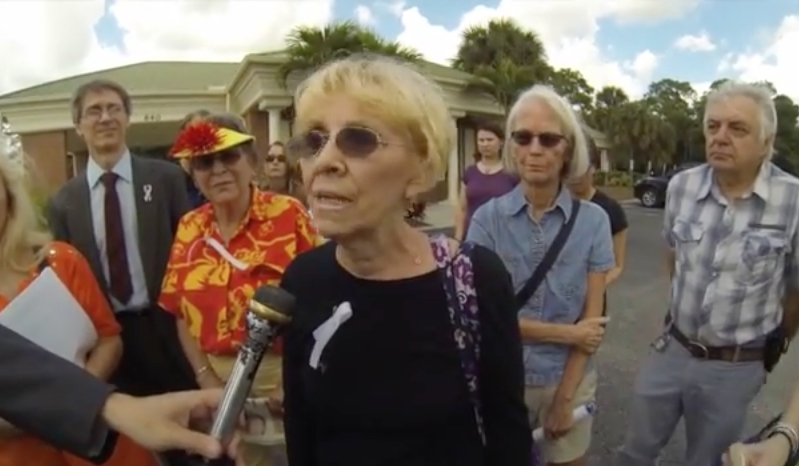
Dr. Madeleine Durant tells reporters that residents do not want their community to be the nation's lab monkey breeding capital.

Dr. Madeleine Doran tells reporters that residents do not want their community to be the nation’s lab monkey breeding capital.

“County officials, who have much to gain financially from these monkey breeders, thought they could sneak these companies into our community because most of us are too focused on making ends meet to put up resistance,” Jessica Thomas said after the disruption. “They didn’t think residents would rise up to protest their secrecy, not to mention the cruelty and public health issues associated with breeding thousands of monkeys in and near residential areas.”

A whistleblower told the media that Primate Products, a Hendry County monkey breeder that makes primate restraining devices, was illegally performing c-section abortions on pregnant monkeys in order to harvest and sell the fetal organs.

In March, a whistleblower said that Primate Products, a Hendry County monkey breeder that makes primate restraining devices, was illegally performing c-section abortions on pregnant monkeys in order to harvest and sell the fetal organs.

After the disruption, Ms. Thomas told reporters, “It was a spur of the moment decision to jump onto the stage. I saw all of these community leaders assembled in one place, and I realized that, if I don’t protest the people responsible for these injustices in this high profile setting, then how can we expect them to take our demands seriously? After all, they’ve refused to answer our questions for over a year.”
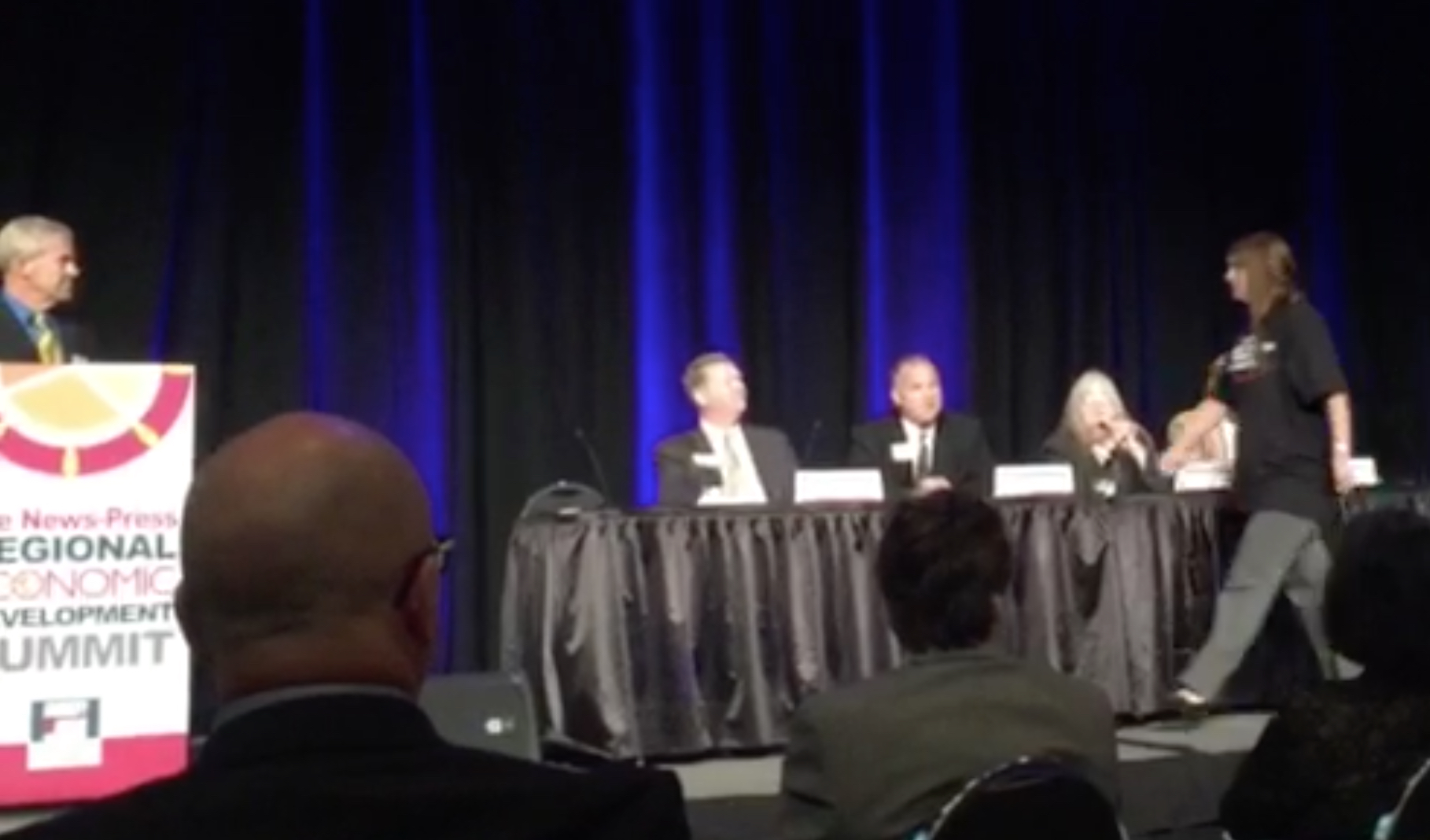
Jessica Thomas climbs onto the stage to disrupt Greg Gillman, the President of the Hendry County Economic Council who is largely responsible for bringing monkey breeding companies into the County.

Jessica Thomas disrupts Greg Gillman, the President of the Hendry County Economic Council who is largely responsible for bringing monkey breeding companies into the County.

Independent journalist Jane Velez-Mitchell of Jane UnChained, who traveled from New York to report on the press conference, asked Hendry Commissioner Karson Turner why the County didn’t hold public hearings before approving the monkey breeding facilities, as required by Florida’s Sunshine Law. In response, Mr. Turner, who has been an advocate for the facilities, said he would meet with the community. “That is welcome news to those who have been trying to have a dialog with the Commissioners for over a year,” said Velez-Mitchell.
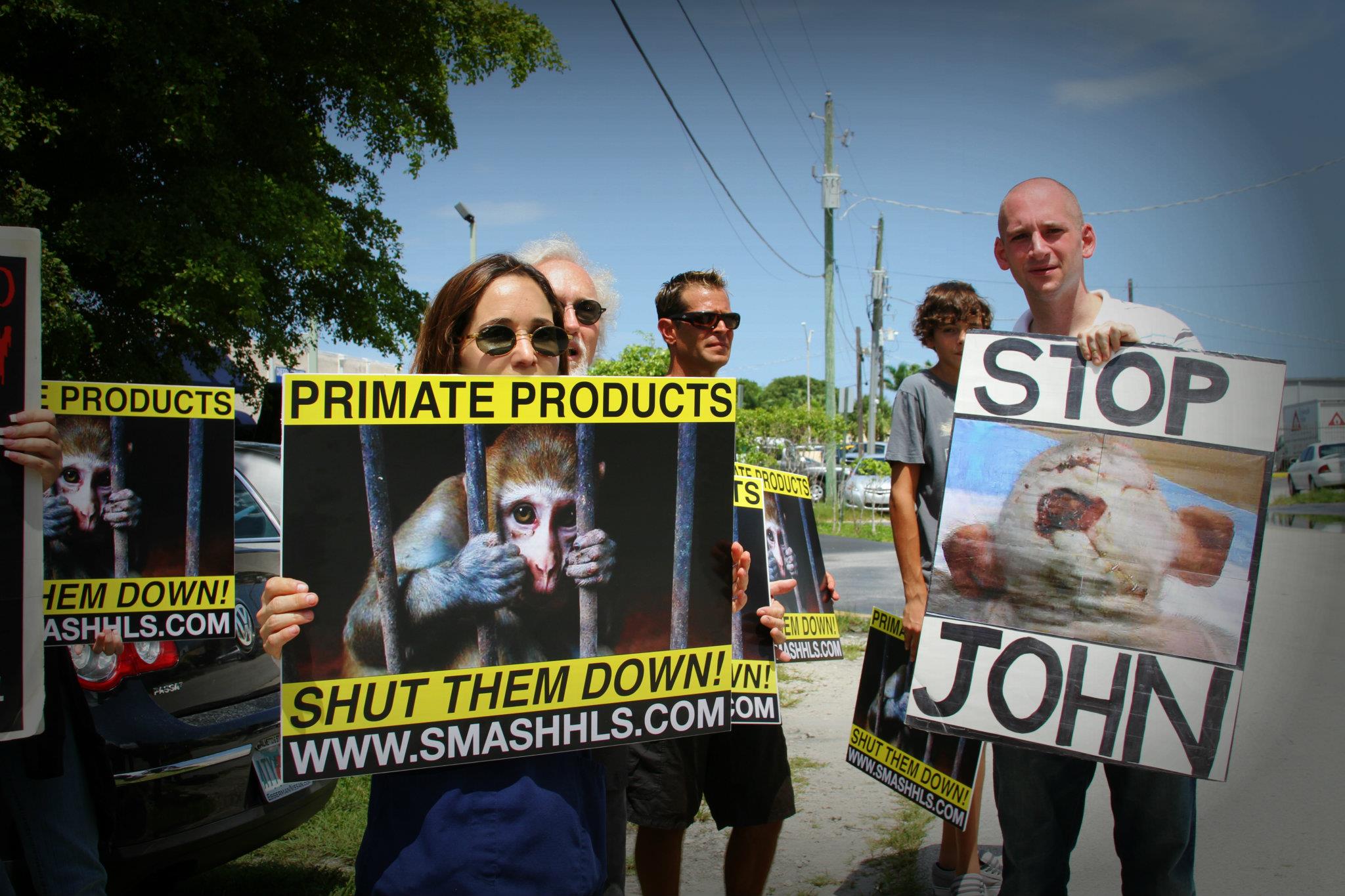
Animal rights activists in Florida protest Primate Products

Animal rights activists in Florida protest Primate Products, one of four monkey breeding facilities in Hendry County.

In November 2014, the Animal Legal Defense Fund (ALDF) filed a lawsuit against Hendry County or failing to hold a public hearing about the approval of Primera Science Center, one of the two new monkey breeding facility approved in secret by County commissioners. The lawsuit is ongoing.

Your Turn

Please share this “MonkeyGate” Facebook page with people you know in Central and South Florida: Put an End Hendry County Monkey Breeding Facilities.

Ask Hendry County’s five commissioners to stop the construction of the Bioculture and Primera Science Center monkey breeding facilities pending county and/or state investigations: bocc1@hendryfla.net, bocc2@hendryfla.net, bocc3@hendryfla.net, bocc4@hendryfla.net, bocc5@hendryfla.net


Filed under: Experimentation
Tagged with: , , , , ,

Outraged Community Holds Elected Officials Accountable For Secret Monkey Breeding Facilities

April 29, 2015 by Leave a Comment


The News

A rural, economically-strapped county in Southwest Florida that is unknown even to many Floridians has become an unlikely national hotbed of civic activism, a transformation that must have local officials – with future elections to win – quaking in their boots.
Hendry County monkey breeding  capital

Hendry County is home to four facilities that breed monkeys for lab experiments

It all started in November, 2014 when the Animal Legal Defense Fund (ALDF) filed a lawsuit against the County for approving a monkey breeding facility without holding a legally-mandated public hearing. Upon hearing the news, several local residents began demanding answers to questions about the new facility and two older ones largely unknown to the public.
Hendry County Monkey Protest

Residents in and near Hendry County hold a press conference about the monkey breeding facilities

But it wasn’t until an activist released drone footage of a second new secret monkey breeding facility that anger against the county became a movement. “When the community saw the massive scale of this second facility, the monkey manure hit the fan,” said Jessica Thomas of Lehigh Acres. “How could our commissioners approve this controversial project without so much as consulting us?” Have they forgotten that they work for the people and not the wealthy corporations that make millions off the backs – and bodies – of monkeys?”
bioculture-hendry-hearing

After seeing drone footage, residents in and near Hendry County, Florida, demand answers from commissioners who approved a second new monkey breeding facility behind closed doors

Will Bronson, president of the Lehigh Acres Democratic Club, says that politics has been a low priority for many in Hendry County, where residents are just trying to make ends meet. The MonkeyGate scandal, however, has galvanized the community, according to Bronson, who feels that voters are going to hold these elected officials accountable at the polls: “People are not going to want to elect candidates who appear to be under influence of corporate interests. By keeping these monkey facilities under wraps with the hope that they’d never come to light, the Hendry County commissioners have betrayed the public trust, and they should suffer politically from it.”
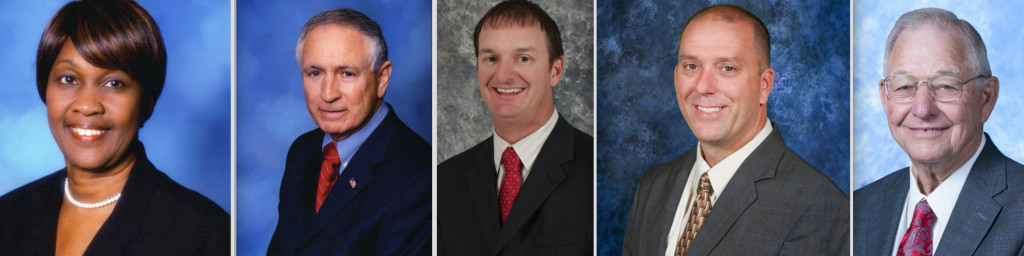
Hendry County Commissioners -

Hendry Commissioners:  Janet Taylor, Darrell Harris, Karson Turner, Michael Swindle, Don Davis

While the secrecy and backroom deals between county officials and monkey breeders have enraged residents, it is the public health, property value, and animal cruelty issues that have driven residents into town hall — demanding that the County shut down the two facilities under construction and demanding answers:

  • What happens to the daily waste of thousands of monkeys? Do the facilities spray it on the land? Does it seep into the groundwater? Does it contain toxic substances or disease pathogens?
  • Do the monkeys carry diseases?
  • What happens if monkeys escape, breed and become an invasive species in the Everglades, which is already under attack by non-native species?
  • What types of abuses, apart from holding the primates captive, are being inflicted on these monkeys before they are shipped off to labs for experiments?

In a letter to the County Commissioners, a local fire commissioner, Linda Carter, asks what happens if a hurricane or tornado destroys the fenced enclosures that house thousands of monkeys: “If loose primates start looking for food and end up in the community residents’ yards, leaving droppings or biting a pet or small child, who would be liable for the medical recovery?”

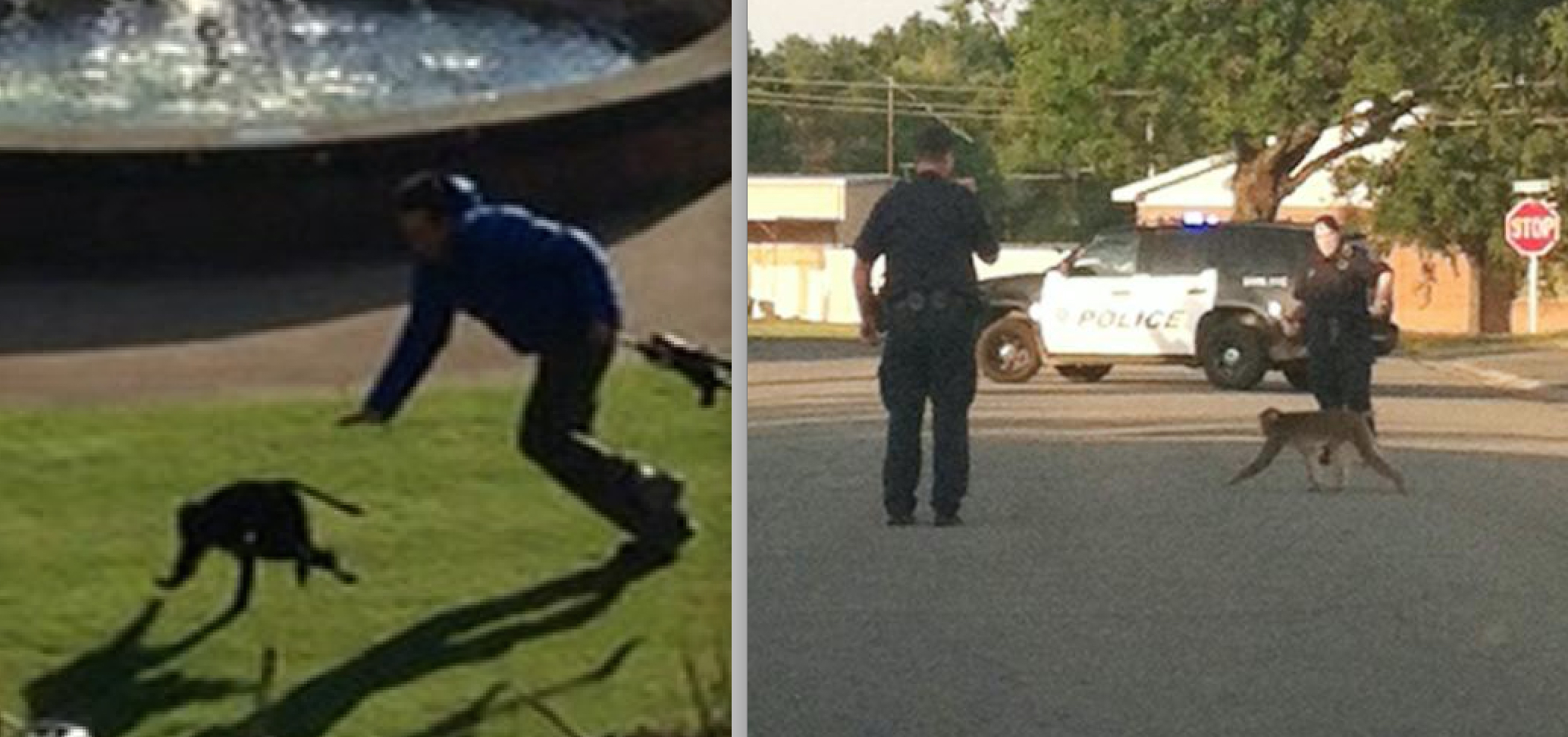
Monkey escapes (photos: BBC, Conway police)

Monkey escapes in the U.K. and Arkansas (photos: BBC, Conway police)

Area residents don’t expect these secretive monkey corporations to answer their questions. They do, however, expect their elected officials to provide answers. And, based on their impassioned remarks at the county meetings, they intend to fight until they get them — and the resolution they seek.
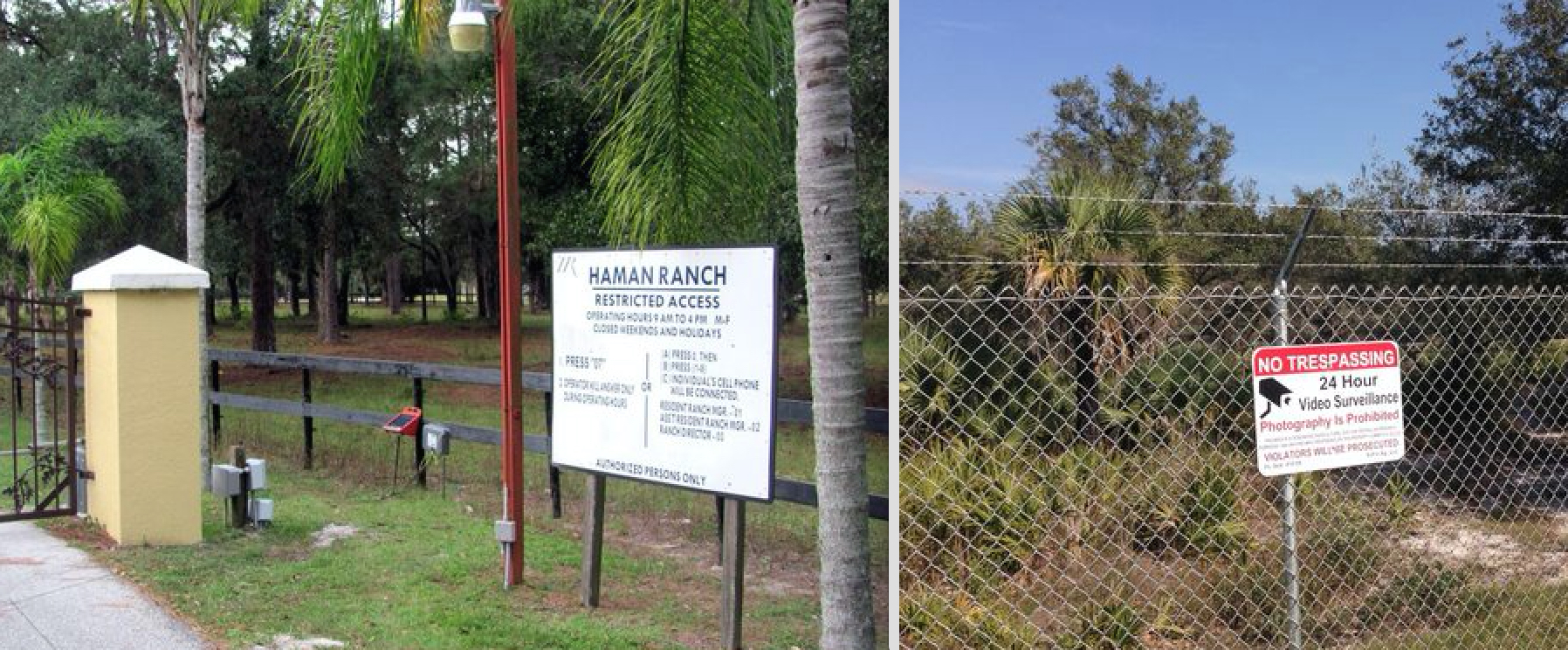
Secret monkey breeding facilities are hidden behind gates at the end of long, private dirt roads dotted with trespassing signs

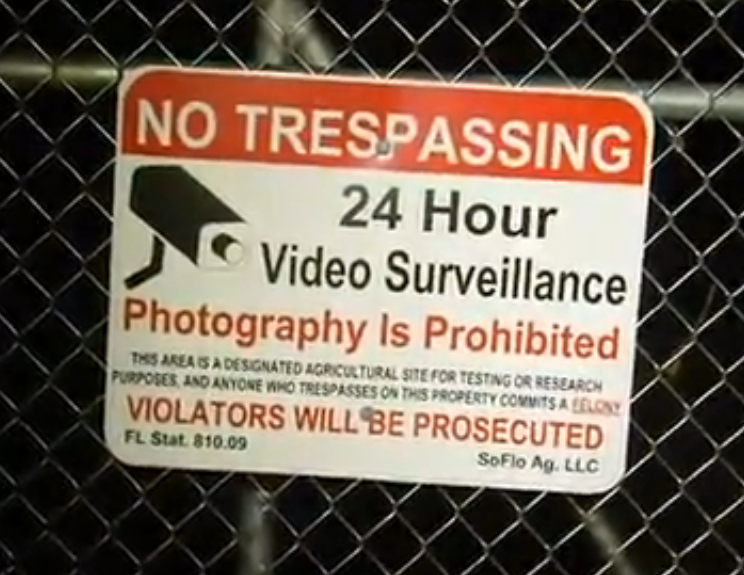
Hendry County’s monkey breeding facilities are hidden behind gates at the end of long, private dirt roads dotted with no trespassing signs

The commissioners, meanwhile, must be asking themselves questions of their own, such as how the growing MonkeyGate scandal will affect their own political aspriations and what they need to do to appease the voters in order to keep their jobs or advance their own careers.
Jessica Thomas of Lehigh Acres wears MonkeyGate t-shirt

Jessica Thomas of Lehigh Acres, Florida wears #MonkeyGate t-shirt

Your Turn

Please ask Hendry County’s five commissioners to stop the expansion of Primate Products pending county and/or state investigations: bocc1@hendryfla.net, bocc2@hendryfla.net, bocc3@hendryfla.net, bocc4@hendryfla.net, bocc5@hendryfla.net

Please share this “MonkeyGate” Facebook page with people you know in Central and South Florida: Put an End Hendry County Monkey Breeding Facilities.


Filed under: Experimentation
Tagged with: , , ,

Primate Products: A Company that Breeds Lab Monkeys and Manufactures Lies

April 27, 2015 by Leave a Comment


The News

Primate Products, a company at the center of the MonkeyGate scandal in Hendry County, Florida, has consistently lied to and misled the public since the media began reporting on its activities, which critics describe as “illegal.” The company, which breeds monkeys for experiments and manufactures equipment for primate labs, maintained in a recent letter to the County that it has consistently obeyed the law, in spite of overwhelming evidence to the contrary.

Monkeys at Primate Products (source: News-Press)

Monkeys at Primate Products (source: News-Press)

As the public waits to see if and how the County disciplines Primate Products for violating zoning laws, TheirTurn is highlighting several ways in which the company has deceived the public:

The Surgeries – In March, a whistleblower reported that Primate Products cut fetuses out of pregnant monkeys in order to harvest and sell their organs. When confronted with this information, the County administrator said that procedures violate by zoning laws, and he sent a letter to the company asking that it disclose all of its activities. In its response letter, Primate Products not only claims that the c-section abortions are permitted under the agricultural zoning but also minimizes the invasive surgeries by referring to them as the “collection of fetal tissue.”

monkey restrainer for lab experiments

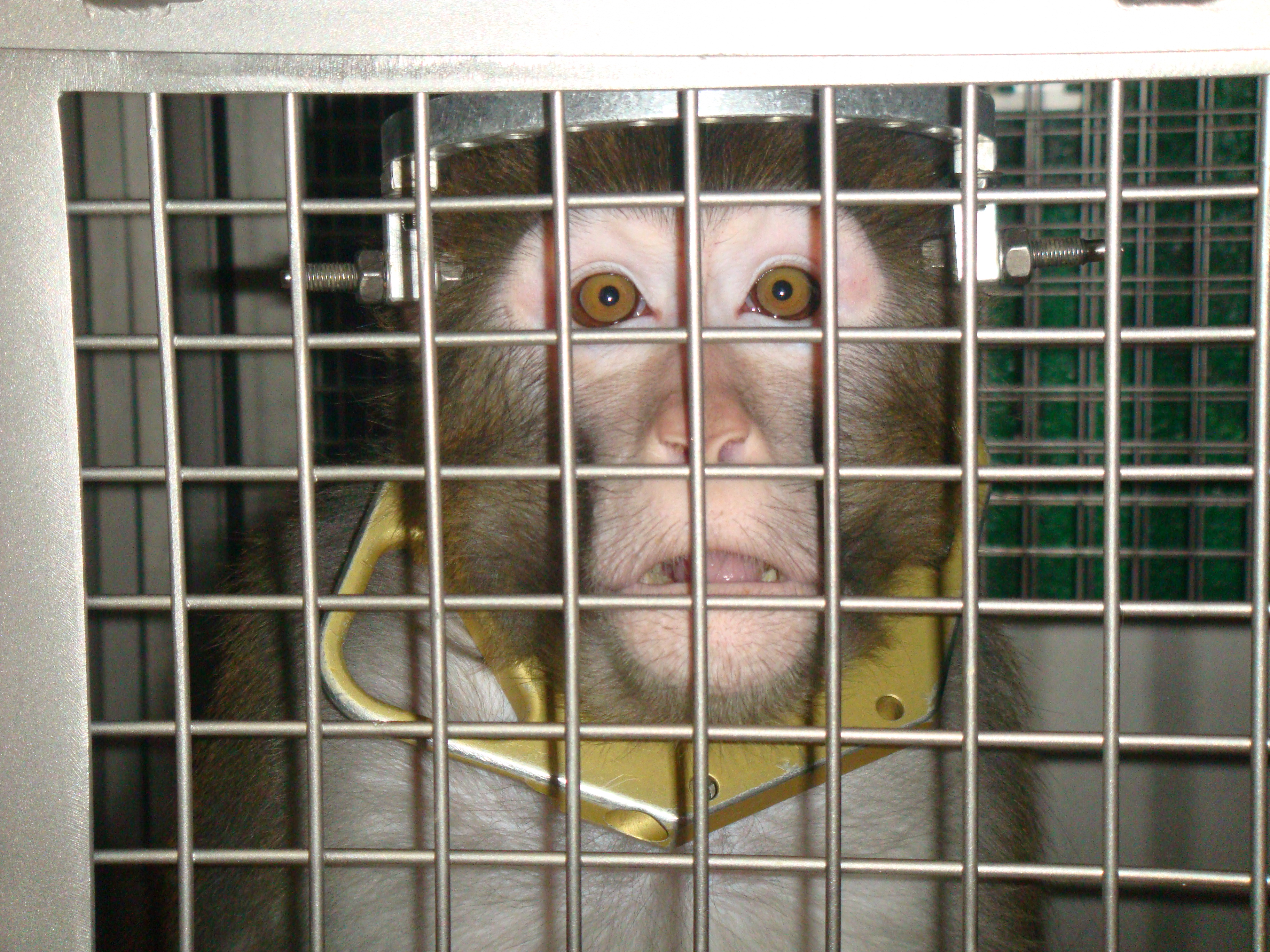
According to Primate Products, the restrainer it manufactures provides “trouble-free accessibility”

The whistleblower also reported that Primate Products illegally assigned the c-section abortions to vet techs instead of veterinarians. Vet techs are neither trained nor licensed to perform surgery. The company again dismissed the allegations, telling a reporter with the News Press that its business is exempt from the law.

The Expansion – In an effort to present Primate Products as an ethical company that prioritizes the interests of the monkeys, Primate Products stated in its letter to the County that it abides by the 3 “Rs” of research – reduction, refinement and replacement. However, the growth of Primate Products’ breeding business depends exclusively on increasing the number of monkeys used in labs. Furthermore, if Primate Products is determined to decrease the number of monkeys used in research, it would not be working to import thousands of additional monkeys for an expansion on its property.

A partially completed expansion on the land owned by Primate Products

A partially completed expansion of monkey breeding facilities on the land owned by Primate Products

The Monkeys – In its letter to Hendry County, Primate Products wrote that the company imported only captive-bred monkeys. When the Animal Rights Foundation of Florida (ARFF) uncovered USDA documents proving that the company imported wild caught monkeys, Primate Products was forced to admit to the lie.

In a recent interview with the News Press, the President of Primate Products, Jeff Rowell, justified monkey captivity by saying that the animals are safe from poachers. Yet poaching is precisely how Primate Products  acquired many of its monkeys in the first place.

Animal rights activists in Florida protest Primate Products

Animal rights activists in Florida protest Primate Products

lab monkey

Monkey breeding facilities and labs are among the world’s most unsafe places for monkeys

The only monkeys who are potentially safe in Florida are those who have escaped from Primate Products and other Hendry County-based monkey breeding facilities, though these escapes pose a public health risk to Florida’s human population and to the nearby Everglades where escaped monkeys can breed, become an invasive species and compromise the ecosystem. Primate Products says the last monkey escape took place three years ago.

Hundreds of non-native wild macaque monkeys with herpes B virus live in Florida (photo: Graham McGeorge/ Barcroft Media)

Hundreds of non-native wild macaque monkeys with herpes B virus live in Florida (photo: Graham McGeorge/Barcroft Media)

The Tenant – Primate Products has leased land to Bioculture, which is also a monkey breeding company, even though it was expelled from Puerto Rico because its breeding facility there violated zoning laws. Can Primate Products really be trusted if it is leasing land to a company with this type of history?

Primera Science Center, a monkey breeding facility under construction in Hendry County, FL.

Sign at Bioculture gate states that the company does “testing” and “research,”  which violate zoning laws

Perhaps Primate Products feels secure in lying to and deceiving the public because the company believes that the County will protect it. After all, the company has, according to WinkNews, made “large contributions” to the county. According to residents, these donations were substantial enough for county officials to approve a massive “expansion” of Primate Products without informing the public, as required by Florida’s Sunshine Law. But now that the story has become a scandal that people around the world are following, can the County continue to turn a blind eye to the illegal activities that have been conducted inside?

Your Turn

On Tuesday, April 28th, the Hendry County Board of Commissioners is holding a public meeting. If you live near Labelle, Florida, please attend in order to be a voice for the monkeys.

Please share this “MonkeyGate” Facebook page with people you know in Central and South Florida: Put an End Hendry County Monkey Breeding Facilities.

Please ask Hendry County’s five commissioners to stop the expansion of Primate Products pending county and/or state investigations: bocc1@hendryfla.net, bocc2@hendryfla.net, bocc3@hendryfla.net, bocc4@hendryfla.net, bocc5@hendryfla.net


Filed under: Experimentation
Tagged with: , , , , , ,

Meet the Man Who Makes Monkey Torture Devices

April 17, 2015 by Leave a Comment


The News

His demeanor is professional, and voice is soft-spoken. You’d simply never know from this compelling disguise that Jeff Rowell makes monkey torture devices for a living.

Primate Products President Jeff Rowell (source: Amy Bennett Williams, News-Press)

Primate Products President Jeff Rowell (source: Andrew West, News-Press)

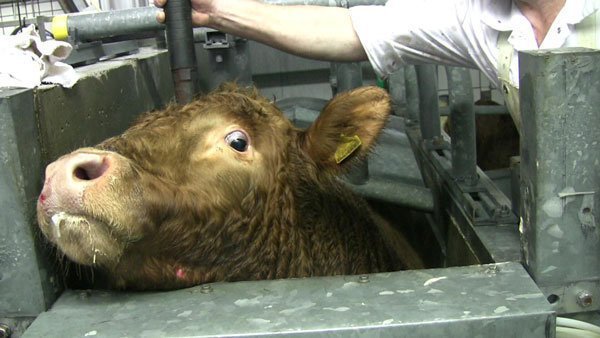
Among the cruelest devices are monkey restrainers and pole & collar systems. According to Primate Products, restrainers provide “trouble free accessibility,” and poles and collars, which are used to handle primates, help the monkeys to “quickly learn their role and become willing workers, reducing the need to physically handle the animal by force or use anesthetic restraint.”

monkey restrainer for lab experiments

According to Primate Products, the restrainer provides “trouble-free accessibility”

Following is footage that shows a lab worker using the pole and collar to transfer a monkey from her cage into the restraining device:

Primate Products is one of several companies at the center of the MonkeyGate scandal in Florida’s Hendry County, which, in spite of protests by local residents, is aiming to become the national hub for monkey breeding facilities that sell monkeys to labs for experiments.

Monkeys at Primate Products (source: News-Press)

Monkeys at Primate Products (source: Andrew West, News-Press)

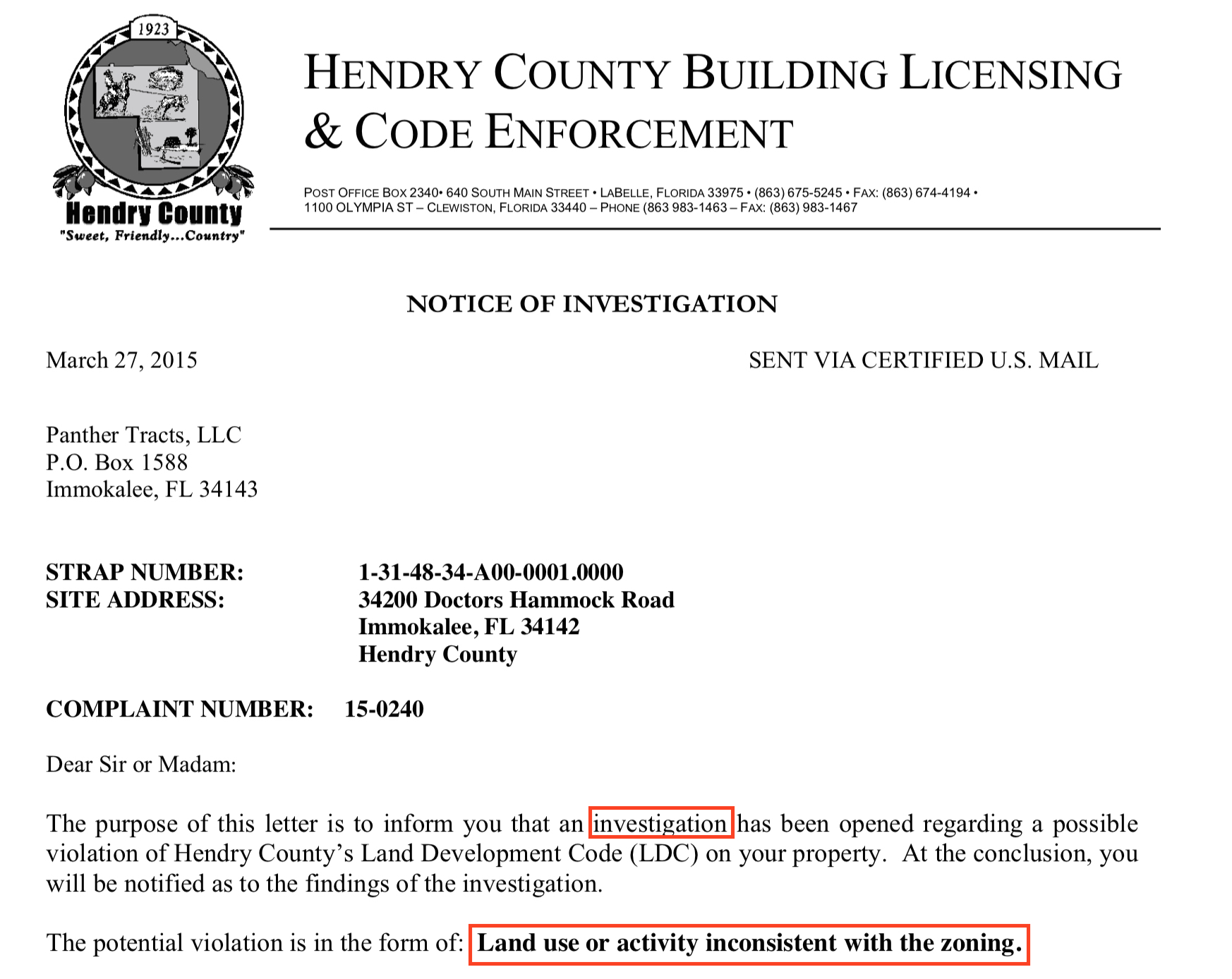
In March, a reporter with Wink News informed the County Administrator, Charles Chapman, that Primate Products was conducting “experiments and tests” at its monkey breeding facility in spite of zoning laws which prohibited such activities. In response, Mr. Chapman sent a letter to Panther Tracks, Primate Products’ parent company, informing them of an investigation and asking for an explanation.

Hendry County officials to investigate Primate Products

Hendry County officials to investigate Primate Products

On April 15th, Jeff Rowell issued a response to the county claiming that Primate Products’ activities are, in fact, permitted under the agricultural zoning. The County has not yet publicly addressed Primate Products’ response.

In his letter, Mr. Rowell makes two other false statements; both are unrelated to the zoning violations. First, he claims that Primate Products’ monkeys were bred in captivity, in spite of U.S. Fish & Wildlife Services documents showing that the company imported 630 monkeys who were “taken from the wild.” [Update: In an addendum to his original letter, Rowell concedes that some of the monkeys were caught in the wild].
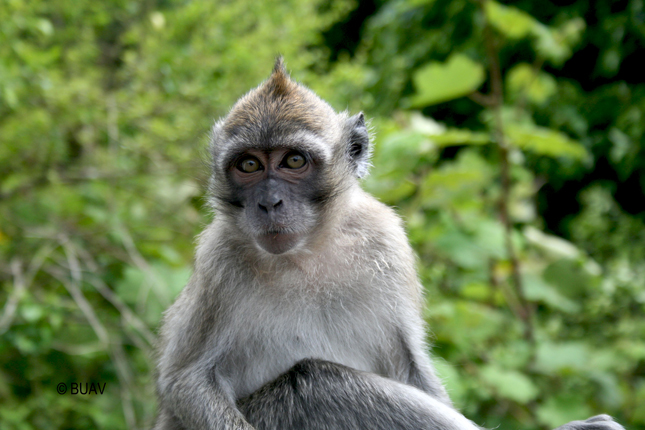
Wild monkey in Mauritius, one of three locations where Primate Products acquires monkeys to breed and sell (photo: BUAV)

Wild monkey in Mauritius, one of three locations where Primate Products acquires monkeys to breed and sell (photo: BUAV)

Secondly, he asserts that the company abides by the “three guiding principles of ethical and humane use of animals in scientific research” — replacement, reduction and refinement. The success of Primate Products, which sells monkeys and primate lab equipment, depends on increasing the number animals used in research. In fact, Primate Products conducting a major expanding right now. While neither the company nor the county will divulge information about how many additional monkeys will be kept at the new facilities, experts who have reviewed the plans estimate the number to be between 5,000 and 14,000.
A partially completed expansion on the land owned by Primate Products

A partially completed expansion on the land owned by Primate Products

In his letter to Hendry County, Mr. Rowell also fails to address allegations by a whistleblower who accused the company of assigning c-section abortions to vet techs, instead of veterinarians. According to the American Veterinary Medical Association (AVMA), “Veterinary technicians cannot diagnose, prescribe, perform surgery, or engage in any activity prohibited by a state’s veterinary practice act.”

Primate Products performed the c-section abortions on pregnant monkeys to harvest and sell the organs of the dead fetuses and to sell the milk from the lactating mothers.

Prior to joining Primate Products, Jeff Rowell was the Director of Research at the University of Louisiana’s New Iberia Research Center. Undercover footage taken at the research center exposed such extreme cruelty under Rowell’s watch that the NIH ceased funding and removed 110 NIH-owned chimpanzees from the facility.

https://youtu.be/ZzbAjTpC1EQ?list=PL35D3D11FDEFFBA00

Your Turn

Please ask Hendry County’s five commissioners to stop the expansion of Primate Products pending county and/or state investigations: bocc1@hendryfla.net, bocc2@hendryfla.net, bocc3@hendryfla.net, bocc4@hendryfla.net, bocc5@hendryfla.net


Filed under: Experimentation
Tagged with: , , , , , , ,

Funeral To be Held in New York For Victims of Animal Holocaust

April 12, 2015 by Leave a Comment


The News

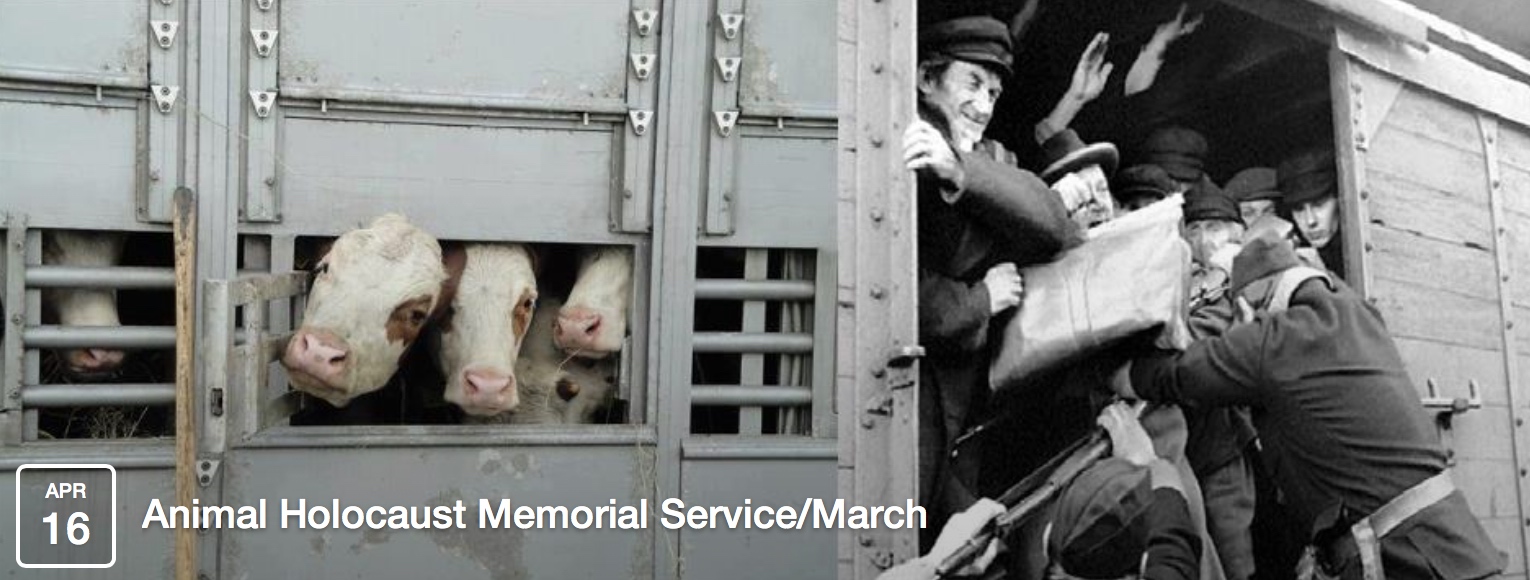
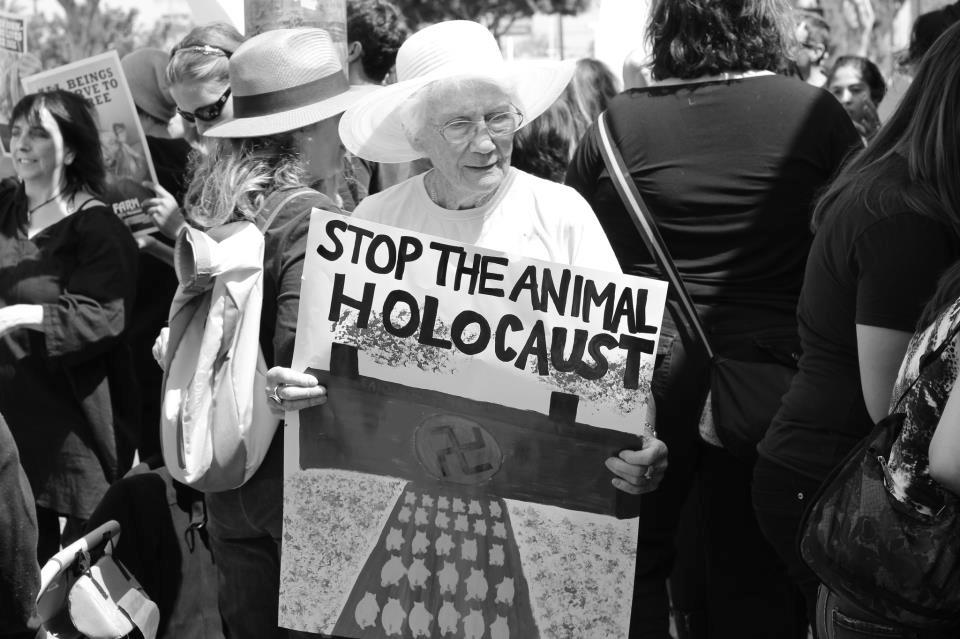
On Holocaust Remembrance Day (4/16), victims of the animal holocaust will be remembered during a funeral procession in New York City. Among the participants will be a survivor from Hungary who lost her sister and father in Nazi concentration camps and has dedicated her life to fighting atrocities committed against animals.

Funeral for victims of animal holocaust on Holocaust Remembrance Day

Funeral for victims of animal holocaust on Holocaust Remembrance Day

The animal holocaust

The animal holocaust

“The longest running holocaust in history is taking place right under our noses, but it is being ignored.” said organizer Shimon Shuchat, who comes from a Hasidic Jewish family in Brooklyn. “Right now, mother cows are crying out for their kidnapped babies; piglets are being castrated with no painkillers; male chicks are being dropped into shredding machines; monkeys are being tortured laboratories; and millions of farm animals are making the long, terrifying journey to a slaughterhouse. For what?”

cow-slaughter

Slaughterhouse

Every year in the United States, roughly 10 billion land animals and 50 billion sea animals are killed for food.

animal concentration camp

Painting by Jo Frederiks

One of the founders of the modern day animal rights movement, Alex Hershaft, is a Holocaust survivor, and, like Mr. Shuchat, he’s not shy about invoking the genocide when speaking about animal factory farms and slaughterhouses.

Before being smuggled out of the Warsaw Ghetto during World War II, five year old Hershaft saw Jews being beaten by Nazis in the streets. He lost most of his family during the war, but he gained empathy that helped him connect dots between crimes against humans and crimes against animals. In 1976, Dr. Hershaft founded the organization that would eventually become the Farm Animal Rights Movement (FARM).

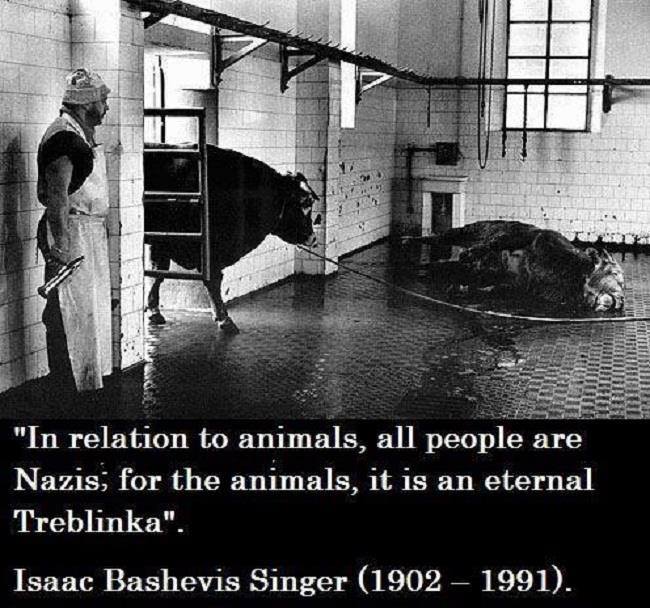
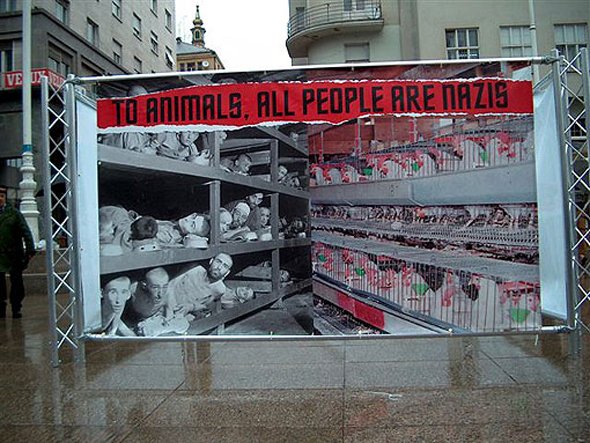
Over the years, the animal rights group PETA has come under fire for using Holocaust imagery – juxtaposing images of  concentration camps with factory farms. Some activists believe that the comparison gives the target audience license to dismiss the message, which defeats the purpose of the campaign. Others support the analogy. In fact, author Isaac Besheva Singer said, “In their behavior toward creatures, all men are Nazis. For the animals, it is an eternal Treblinka. Human beings see oppression vividly when they’re the victims. Otherwise they victimize blindly and without a thought.”

The animal holocaust

The animal holocaust

PETA's Holocaust Campaign

PETA’s animal holocaust Campaign

It is the “cries of the silent victims of modern day concentration camps” that Mr. Shuchat intends to amplify on Holocaust Remembrance Day. Shuchat also hopes to change behavior: “When footage of factory farms farms is played side by side with footage of the Holocaust, people can see that there’s not much of a difference. If only a few of those people stop eating animals, then we know we will have made a difference.”

Funeral procession participants will gather in midtown at 7:00 p.m. and, carrying posters and banners, will travel to Times Square for a candlelight vigil.

Coby's family hid Jews during in Amsterdam during WWII. She has been vegan for 35 years (photo: Kyle Justin DiFulvio)

Coby’s family hid Jews in Amsterdam during WWII (photo: Kyle Justin DiFulvio)

Two weeks prior to Holocaust Remembrance Day, Germany announced that it will be the first country in the world to ban live chicken shredding. Fifty percent of chickens born into the egg industry – the males – are either dropped alive into a shredding machine or are suffocated to death because they cannot lay eggs. In Germany alone, an estimate 45 million baby male chicks are killed each year.


Filed under: Clothes, Experimentation, Food
Tagged with: , , ,