

Their Turn - The Social Justice Movement of Our Time Their Turn - The Social Justice Movement of Our Time

Monkeygate: Bewildered Florida Residents Discover Another Secret Monkey Breeding Facility

March 20, 2015 by 15 comments


The News

Just four months after filing a lawsuit against Hendry County, Florida, for approving a monkey breeding facility without soliciting public comment, local residents discovered that County officials secretly approved another monkey breeding facility.

On Tuesday morning, they are holding a press conference at the Hendry County courthouse to express their outrage about the illegal lack of transparency as well as their grave concerns about the public safety and animal cruelty issues associated with the secret facilities. They will also ask what other secrets County officials are hiding from tax-paying residents.
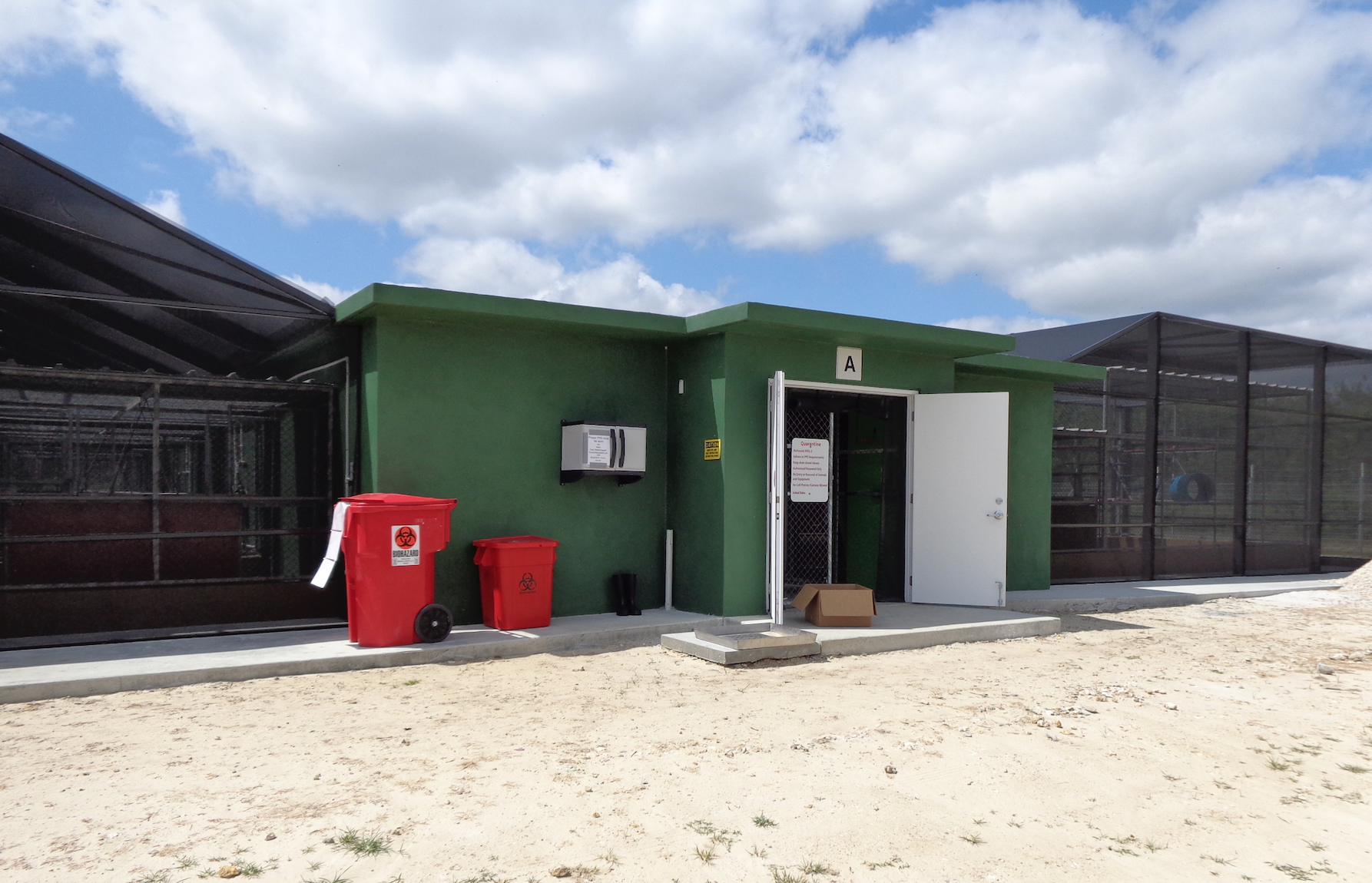
Bioculture's monkey breeding facility in Hendry County, FL.

Hendry County residents discovered a second monkey facility secretly approved by local officials.

Jane Velez-Mitchell of JaneUnchained recently traveled from New York to Florida to speak to residents who say they are determined to prevent Hendry County from becoming the nation’s capital for the importation and breeding of lab monkeys.

The plaintiffs in the case against Hendry, who are being represented by the Animal Legal Defense Fund (ALDF), claim that County officials not only violated Florida’s Sunshine Law, which requires the County to hold a public hearing on matters that affect the community, but also broke zoning laws by illegally approving a wild monkey operation on land zoned for agricultural use. When ALDF filed the lawsuit, residents were not yet aware that the County had, behind closed doors, approved a second monkey breeding facility.
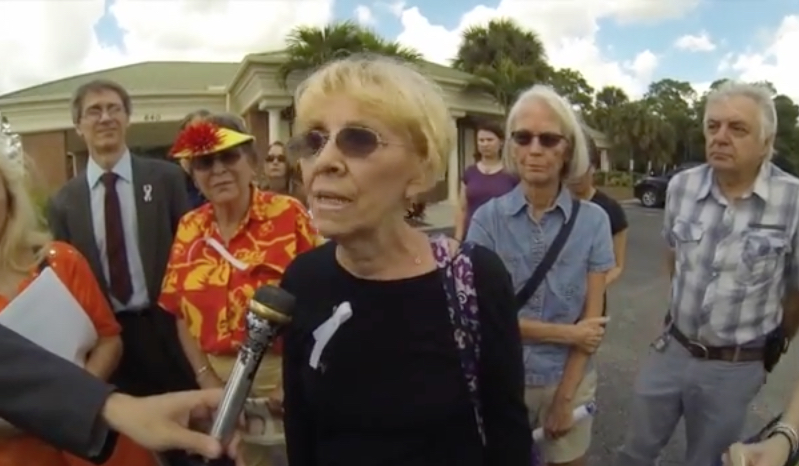
Angry residents gather at Hendry County municipal building to protest secret monkey breeding facilities

Residents gather at Hendry County administrative building to protest secret monkey breeding facilities

The facility that is the subject of the ALDF lawsuit, Primera Science Center, is being built by PreLabs, an Illinois-based company which reportedly intends to import 3,200 macaque monkeys from Mauritius, an island off the east coast of Africa.
Primera Science Center, a monkey breeding facility under construction in Hendry County, FL.

Primera Science Center, a monkey breeding facility under construction in Hendry County, FL.

The newly-discovered facility has already been built and is owned by the Mauritius-based company Bioculture. Bioculture is leasing land from Primate Products, a company that breeds monkeys and manufactures equipment for use in monkey labs. Area residents, who are determined to shut down this facility, do not know if Bioculture has already imported monkeys, and the company’s Sales & Marketing Director refused to answer any questions when TheirTurn reached him by phone. But the residents’ efforts are not without precedent. In 2012, the Supreme Court of Puerto Rico ruled that Bioculture’s already-constucted monkey breeding facility in Puerto Rico could not be opened because it was illegally built on land that was zoned for other purposes.

Hendry County is the lab monkey breeding capital of the United States

Residents are waging a battle against Hendry County officials to prevent their community from becoming the nation’s monkey breeding capital

The Animal Rights Foundation of Florida (ARFF), which has worked for years to prevent these facilities from being approved, believes that Air France, the only commercial airline that transports monkeys, will ship the animals from Mauritius for both PreLabs and Bioculture.
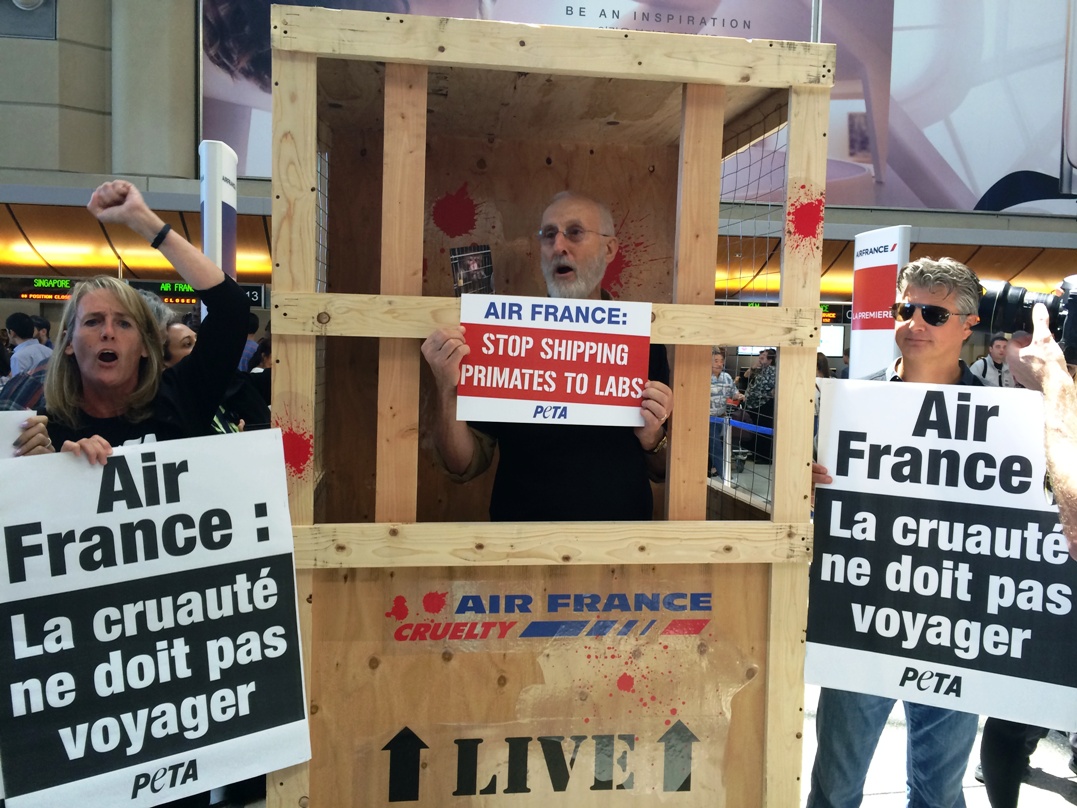
Actor James Cromwell protests against Air France

Actor James Cromwell participates in PETA protest against Air France at Los Angeles airport

Bioculture kidnaps and breeds macaques in Mauritius and sells them for lab experiments

Bioculture kidnaps and breeds macaques in Mauritius and sells them to monkey breeding facilities

Hendry County residents fear that the presence of thousands of exotic animals poses a safety hazard for the community. And their concerns are not unfounded. In early March, the CDC began conducting an investigation at the Tulane National Primate Research Center where monkeys died after being exposed to deadly bacteria that was mysteriously released from a separate, high security section of the lab.

Tulane National Primate Center (photo: Ellis Lucia)

Tulane National Primate Center (photo: Ellis Lucia)

According to Allison Young, an investigative reporter with USA Today, biosafety lapses have been reported all across the country, including at the Center for Disease Control, “They’ve had incidents involving Ebola, anthrax, and a very deadly strain of bird flu.”

Florida already has a population of hundreds of non-native wild macaque monkeys. Over the past 10 years, wildlife officials, who describe the animals as a “public health hazard,” have captured 700 of them. The majority of these monkeys tested positive for the herpes-B virus.

rhesus macacque monkey in Florida

Wild, non-native macaque monkey in Silver Springs, FL (photo: Graham McGeorge)

The ALDF’s lawsuit against Hendry County is ongoing. Area residents are now meeting to discuss how to handle the newly discovered Bioculture facility.

Your Turn

1. Local residents have organized a press conference on Tuesday morning at 9:00 a.m. in front of the Hendry County courthouse. Please spread the word so that local residents and advocates attend.

2. Please sign this form letter demanding that Air France stops transporting monkeys for lab experiments. And please boycott Air France until it does. All of the world’s other major commercial airlines refuse to transport monkeys to breeding facilities and laboratories.


The Earth’s Open Wounds

March 18, 2015 by 7 comments


The News

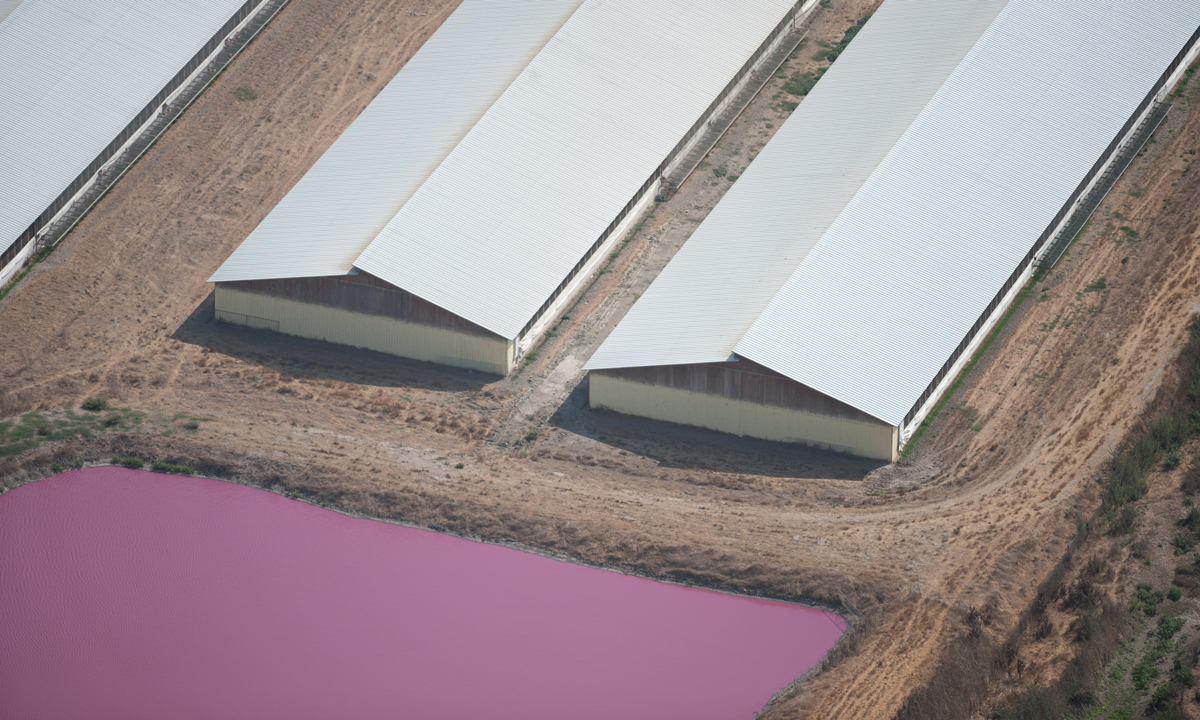
From above, the red and purple shapes look like gaping wounds on the planet’s surface. And, as it happens, that is exactly what they are. Agribusiness calls them “lagoons,” which conjure up images of pristine bodies of water, but they’re actually cesspools filled with the toxic waste of tens of thousands of animals.

Agribusiness describes cesspools as "lagoons" because that conjures up the image on the left, not the cesspool on the right.

Agribusiness describes their cesspools as “lagoons.” Pictured on the left: an actual lagoon

On factory farms, owners pump the animal waste from their sheds and feedlots into these man-made cesspools. Some of the sludge, which is filled with nitrates, antibiotics, bacteria and other toxins, seeps into the groundwater consumed by area residents who pump their water from wells. Most of it, however, is sprayed into the air, wreaking havoc on the communities that surround them. People who live near factory farms say that airborne liquid waste makes them sick; contaminates their drinking water; and prevents them from being able to go outside and open their windows.

Agribusiness uses industrial machines to spray toxic liquid animal waste into the air as a means to eliminate it and make space in the cesspools for more waste.

Agribusinesses spray animal sludge into the air to make space in the cesspools for more waste

According to the Natural Resources Defense Council (NRDC), “lagoons routinely burst, sending millions of gallons of manure into waterways and spreading microbes that can cause gastroenteritis, fevers, kidney failure, and death.” A study published in January concluded that surface water near North Carolina factory farms is, in fact, contaminated. According to University of North Carolina professor Steve Wing, researchers “have evidence of pig-specific bacteria in surface waters, next to industrial swine operations.”

Waste lagoon at "Judy's Family Farm" (photo: Factory Farming Awareness Coalition)

Waste lagoon at “Judy’s Family Farm” in Sonoma Valley, California (photo: Factory Farming Awareness Coalition)

Like the factory farms themselves, the cesspools are hidden from public view. But, in 2014, Mark Devries, the director of the documentary film Speciesism, flew a drone over pork producer Smithfield Foods, exposing millions of people to a behemoth cesspool and its impact on the people who live in the community and the environment.

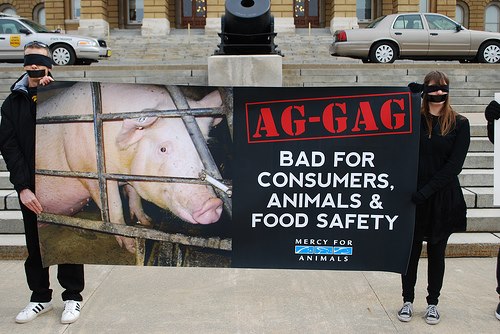
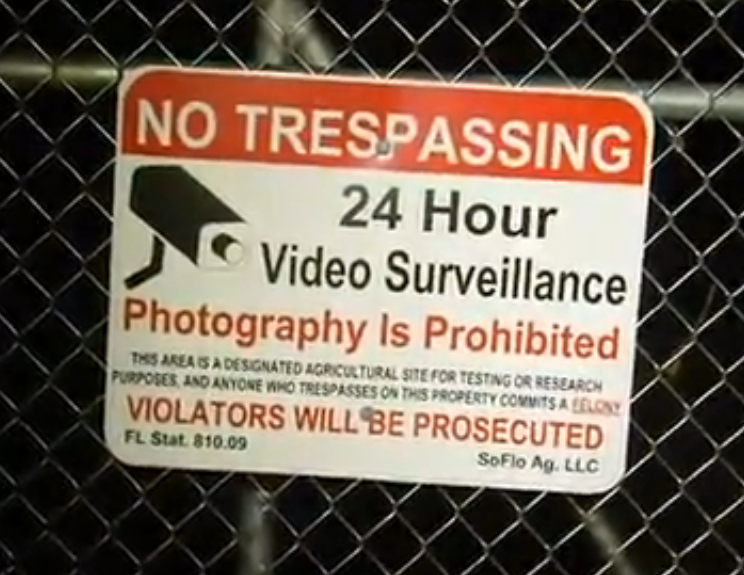
Ag gag laws, which criminalize the taking of photos and video on factory farms, have and will continue to compromise the ability to document these cesspools. In 2013, a National Geographic photographer was arrested for trespassing while taking photos of a feedlot in Kansas from a paraglider.

U.S. animal rights groups are fighting "ag-gag" bills

U.S. animal rights groups are fighting “ag-gag” bills


Ringling: From Exploiter to Caretaker?

March 16, 2015 by 10 comments


Opinion

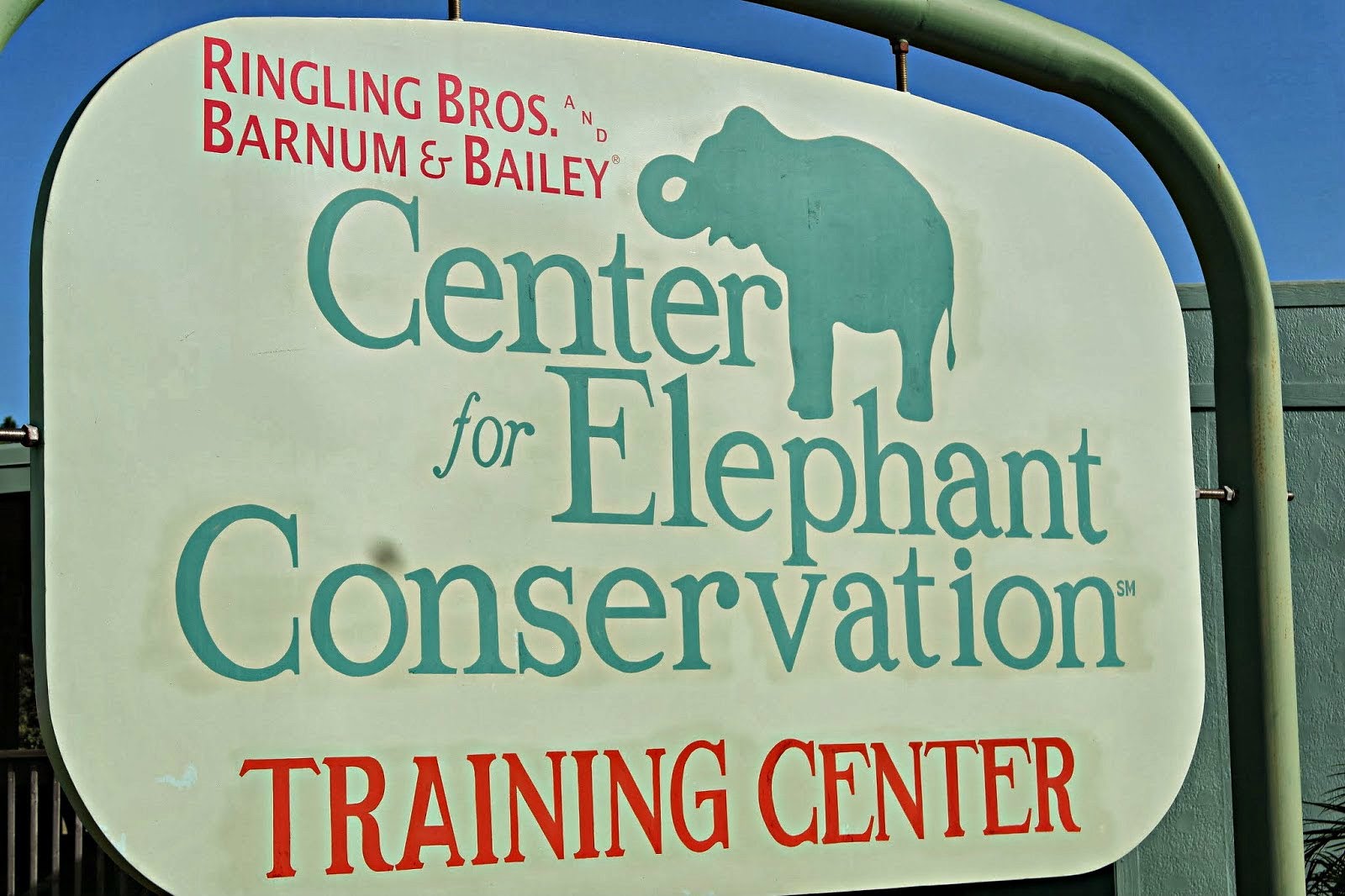
When Ringling Bros. announced plans to eliminate its elephant act in 2018, the company stated it would retire the traveling herd to its Center for Elephant Conservation in Florida.

Ringling's "Conservation Center"

Animals are trained to perform tricks at a “conservation” center?

To the general public, the center sounds like an idyllic home for the elephants because “conservation” conjures up images of freedom, safety and care. But, for several reasons, Ringling’s facility is the wrong place to retire these elephants:

The “Conservation” Center is the training facility where Ringling “breaks” baby elephants. When babies destined for the circus are born at the center, Ringling trainers kidnap them from their mothers, chain them for up to 22 hours a day and beat them with weapons until they perform circus tricks on command. Ringling is therefore not retiring the elephants to a loving home; they are returning them to the people who broke them and stripped them of everything that makes life worth living. To the elephants, who have very long memories, the Conservation Center is a place that signifies pain, anguish, deprivation, domination, brutality and terror.

Ringling trainers tie down the baby elephants and  assault them with weapons to break them

Ringling trainers tie down baby elephants and assault them with weapons to break them

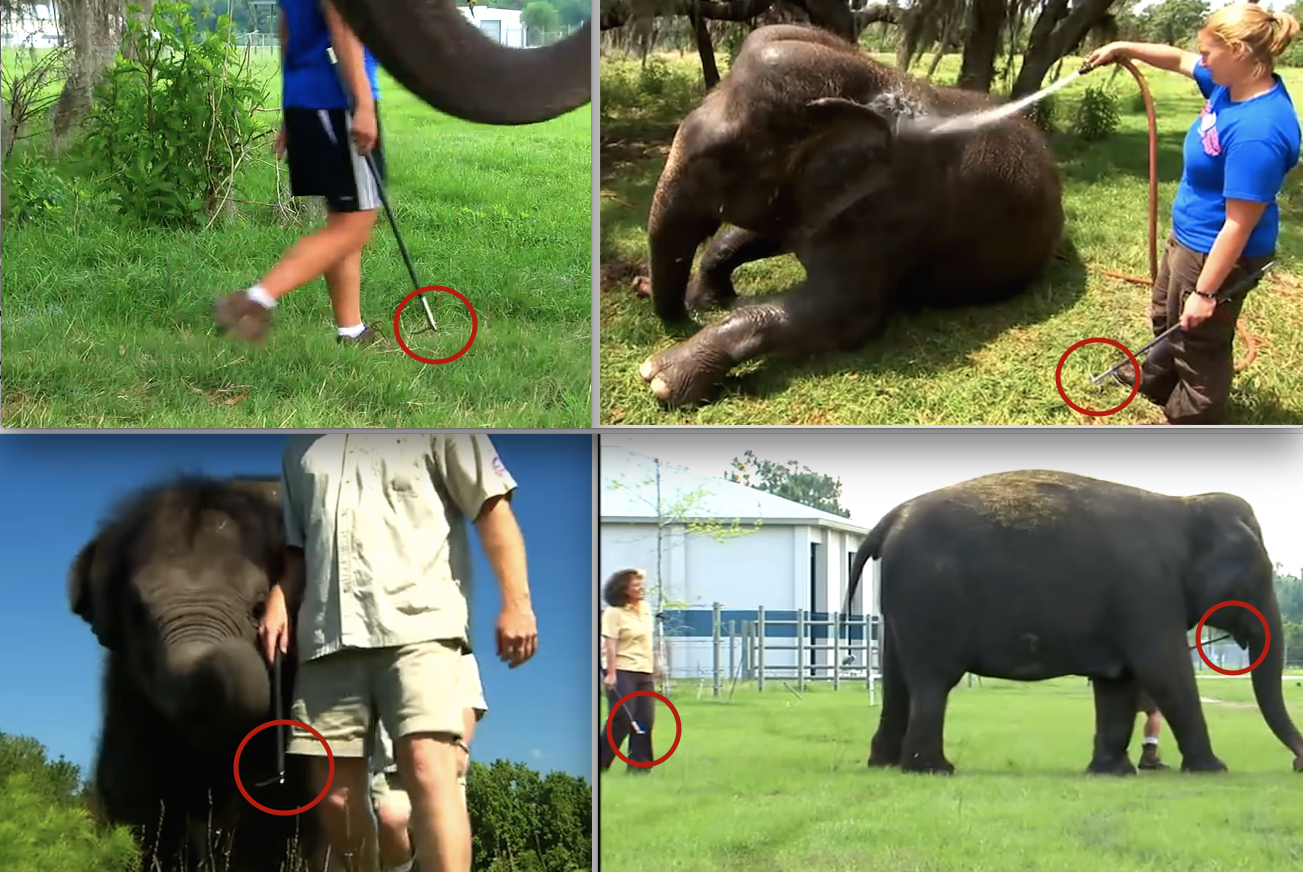
Conservation Center employees carry bullhooks, weapons to control the elephants’ behavior. In its own promotional video spinning its training and breeding facility into a “conservation” center, Ringling employees can be seen carrying bullhooks. How can living in constant fear of assault and being surrounded by people who terrorized them constitute a humane retirement?

Employees use bullhooks at Ringling Conservation Center

Employees carry elephant weapons at Ringling’s Center For Elephant Conservation

The Conservation Center is entirely inadequate. Ringling’s facility is closed to the public, and that is probably because the company doesn’t want visitors to see babies being broken and elephants living in small enclosures, often chained on two legs in a concrete barn.

Ringling Training Center.2jpg

Ringling’s facility is not – and can never be – a sanctuary for the elephants who were abused there

One woman who did manage to see the center posted this video, which shows an elephant swaying in her enclosure — a sign of boredom, frustration and/or grief.

When Ringling stops training elephants for the circus, the company will assuredly find ways to continue exploiting them for profit at its conservation center (after expanding the enclosures) – perhaps through selling tickets for visitors to view them in a zoo-like setting and/or to take elephant rides.

Ringling has always treated its animals like commodities. In fact, they plan to continue forcing the elephants to travel in box cars and perform in circuses until 2018. And they intend to continue using other wild animals in the circus indefinitely. The public should therefore have no reason to believe that, three years from now, Ringling’s owners will suddenly put the elephants’ interests ahead of their own.

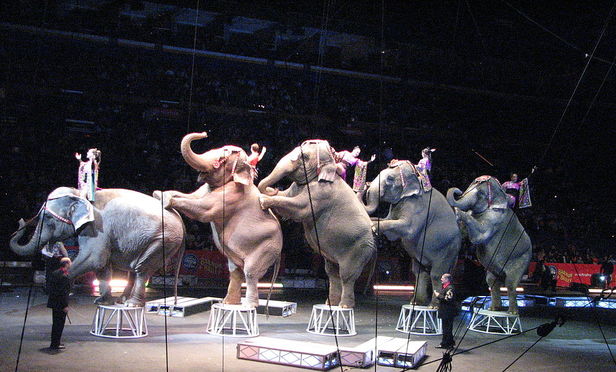
In the wild, elephants don't form "conga lines."

In the wild, elephants don’t balance on stools and form “conga lines”

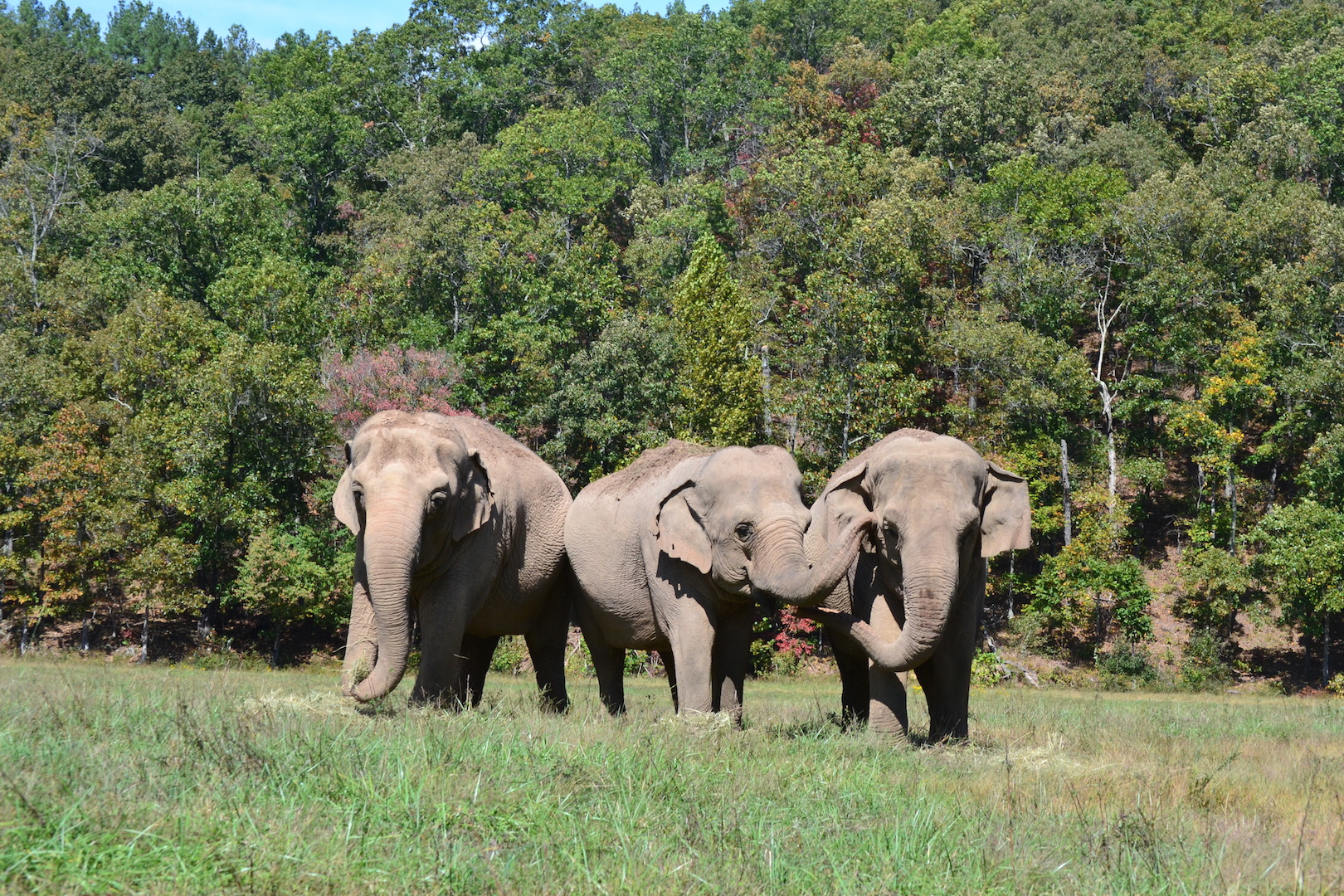
The elephants should be relocated to an accredited sanctuary and placed in the hands of caregivers, not trainers. The Elephant Sanctuary in Tennessee has stated it would welcome the Ringling elephants onto its 2,000 acre reserve.

The Elephant Sanctuary in Tennessee would rescue Ringling's elephants

The 2,000 acre Elephant Sanctuary in Tennessee would rescue Ringling’s elephants (photo: The Elephant Sanctuary)

The fact that Ringling describes its training and breeding facility as a “conservation” center will be the subject of a future story.

Your Turn

Please sign the petition demanding that Ringling retires its elephants now — not in 2018.  Ringling’s facility is not yet equipped to accommodate more elephants, so retiring them now would mean that they could be sent to an accredited sanctuary.


SeaWorld’s Attempt to Silence “Radical” Professor Backfires

March 12, 2015 by 3 comments


The News

Those who exploit animals for profit – and their publicists – routinely describe animal rights activists as extremists, radicals and terrorists in an effort to discredit, marginalize and disempower them. Through campaign contributions, they also recruit elected officials, who have the public’s ear, to use the same incendiary language. Sadly, it’s an approach that works, with members of the public often embracing those terms when referring to animal rights activists.

Those who exploit animals for profit often characterize activists as "extremists" to discredit them

Exploiters often characterize activists as “extremists” to discredit them

But what happens when an exploitive company uses this tactic to discredit and silence an authority figure, who is not perceived by the public to be a “radical extremist?”

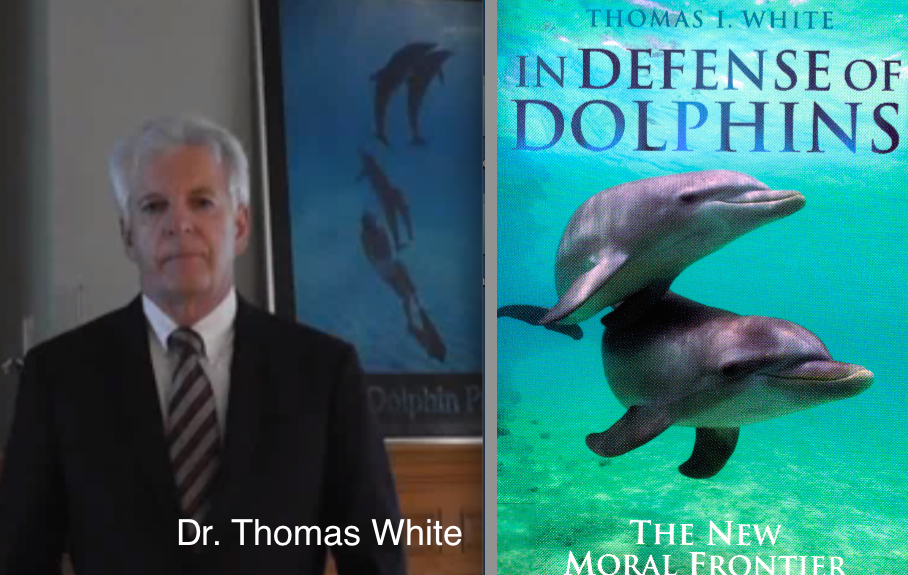
In November, The American Cetacean Society invited Dr. Thomas White – a reputed university professor; the author of In Defense of Dolphins, and a critic of cetacean captivity – to participate in a panel discussion on orca captivity at its annual conference. Before the session, SeaWorld, which was also represented on the panel, successfully requested that it not be recorded – a move that is highly unusual and unethical at a scientific conference where presentations are made available to the public.

Dr. Thomas White silenced by SeaWorld at a scientific conference

Dr. Thomas White silenced by SeaWorld at a scientific conference

In a video he made about the incident, Dr. White said that SeaWorld’s request was based on the company’s desire to  silence a presenter who they could not portray as a “radical” once his remarks were made available publicly: “They characterize us as radicals, not serious researchers. And, it’s easier to maintain that picture of their critics if there’s no evidence to the contrary.”

In addition to making a public statement about SeaWorld’s effort to marginalize and silence him, Dr. White posted his presentation from the conference on YouTube video, which will likely reach more people than it would have if SeaWorld didn’t muzzle him in the first place.

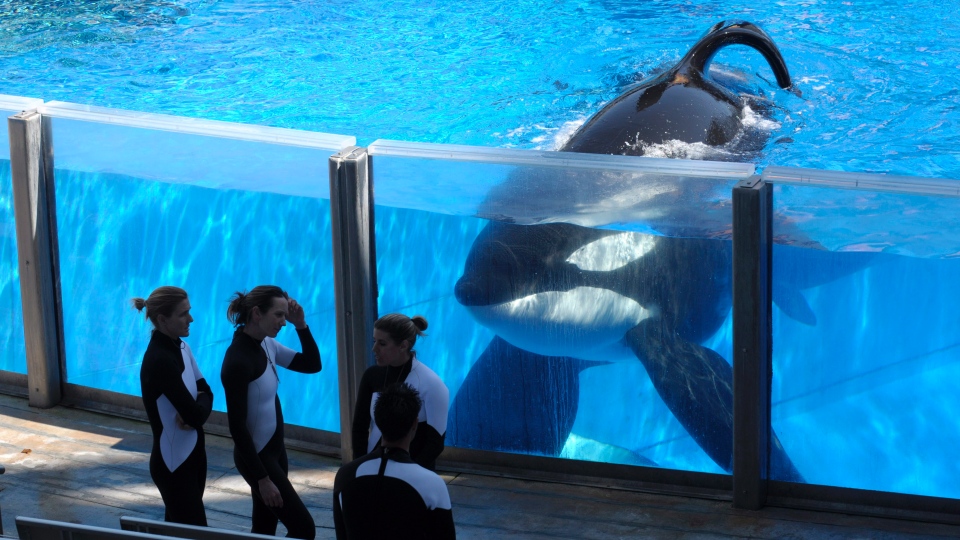
This is not SeaWorld’s first attempt to tamper with science. In 2014, an Orca Research Trust investigation of SeaWorld’s 52 scientific papers demonstrated, among other things, that the company was using vitamin supplement and artificial insemination studies to justify captivity even though these studies are “unlikely to be useful to wild populations.”

Photo: CTV News

SeaWorld uses research irrelevant to wild orcas to justify captivity (Photo: CTV News)

SeaWorld’s attempts to silence scientists, misrepresent research and spin cruelty into conservation will only motivate “radicals” and “non-radicals” to continue waging a war against the company until it empties the tanks. It will also motivate activists to ensure that public knows that the real extremists and radicals are those who terrorize animals for profit.


Moving Mountains for Monkeys

March 11, 2015 by 3 comments


The News

As efforts to build new monkey labs and breeding facilities in the U.S. have increased during the past several months, activist groups have taken to the streets, the courtroom and the internet in an effort to block them. Tensions are running high. Following are just a few of the battles being waged by activists on behalf of the monkeys.

FLORIDA
Officials in Hendry County, Florida, already home to two monkey breeding facilities, have approved the construction of two more without soliciting feedback from area residents, a move that violates the state’s Sunshine Law. Florida’s Sunshine Law requires municipalities to hold public hearings on projects that impact local communities. The Animal Legal Defense Fund has filed a lawsuit against Hendry County on behalf of angry residents.

Monkey breeding facility

Monkey breeding facility (Photo: Alon Ron, Haaretz)

Jane Velez-Mitchell of JaneUnchained recently traveled from New York to Florida to report on a court hearing on the case and the civil strife that accompanied it: “Watch as I try to get a comment from Hendry County’s lawyer, and see dozens of angry local residents swarm the county offices demanding answers!”

WASHINGTON
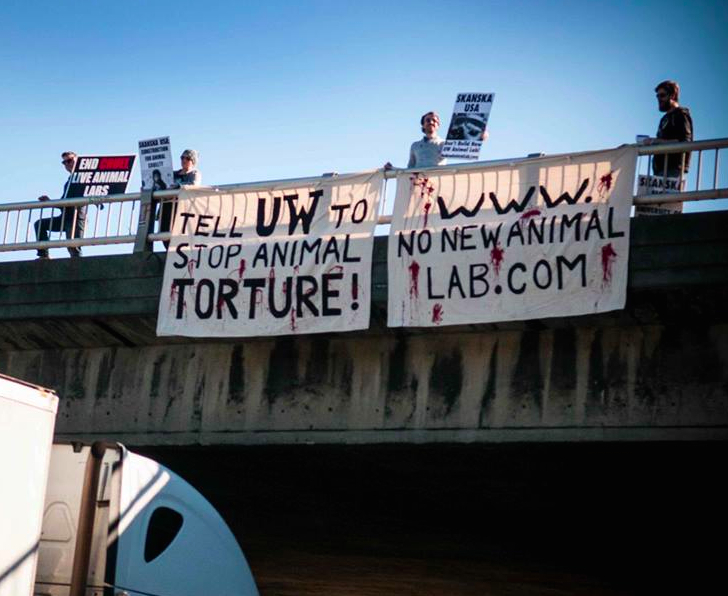
In November, The University of Washington decided to expand its primate research center to increase the number of monkeys it could accommodate. Activists with Campus Animal Rights Educators and No New Animal Lab have been fighting to stop the expansion, pointing to USDA citations, the deaths of several monkeys, including one from starvation, and evidence of a monkey who was euthanized after repeatedly harming himself.

Activists with No New Animal Lab drop a banner over a highway in Seatle

On March 8th, Activists with No New Animal Lab drop a banner over a highway in Seatle

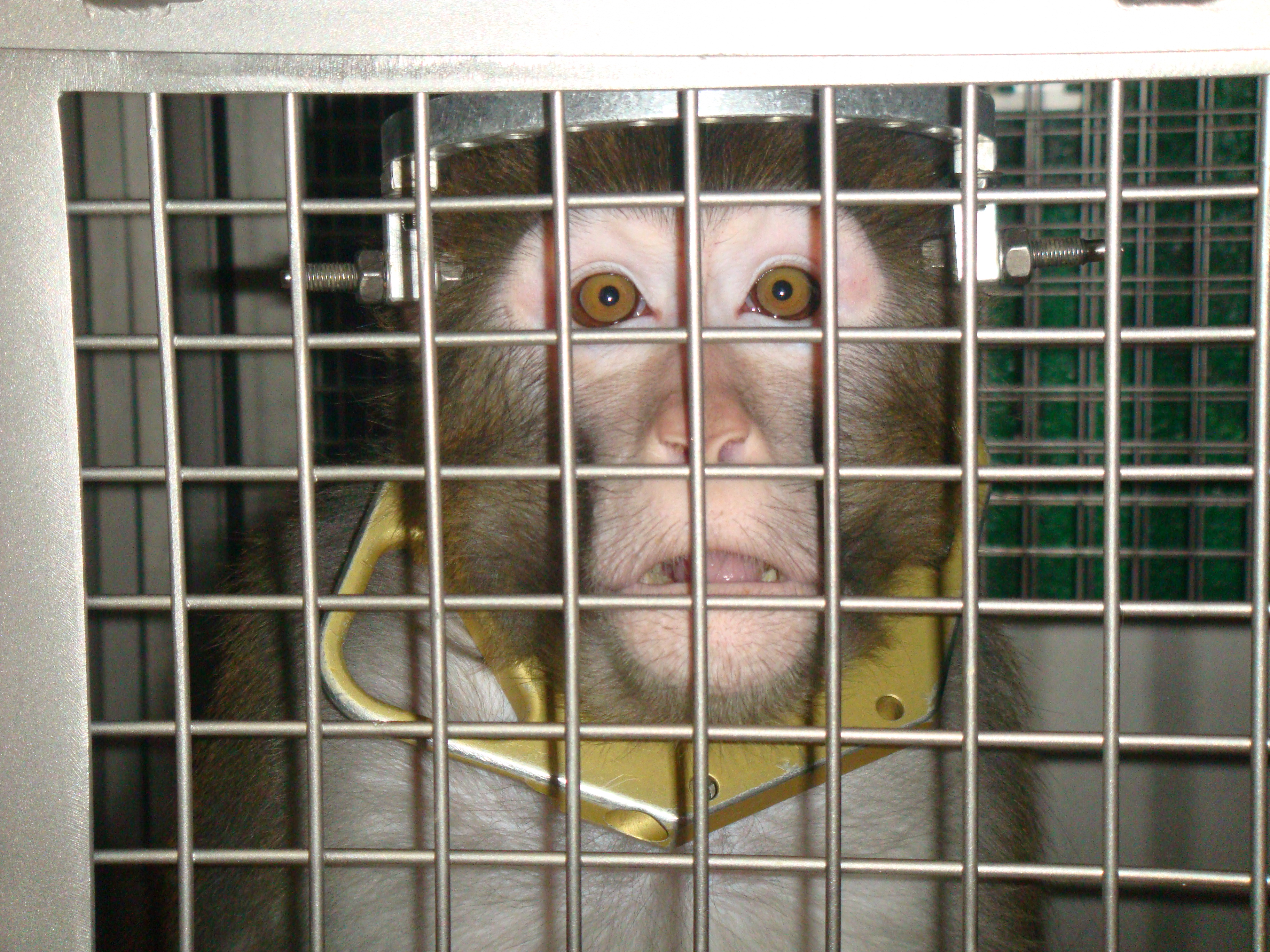
Michael Budkie, President of the anti-vivisection group Stop Animal Exploitation NOW, says that the monkeys are highly stressed by captivity: “I can’t conceptualize the actual mental state of an animal that is so disturbed and mentally abnormal to literally be biting off pieces of his own fingers.”

lab monkey

Monkeys, who are highly social animals, are driven insane by lab experiments and intensive confinement

MARYLAND
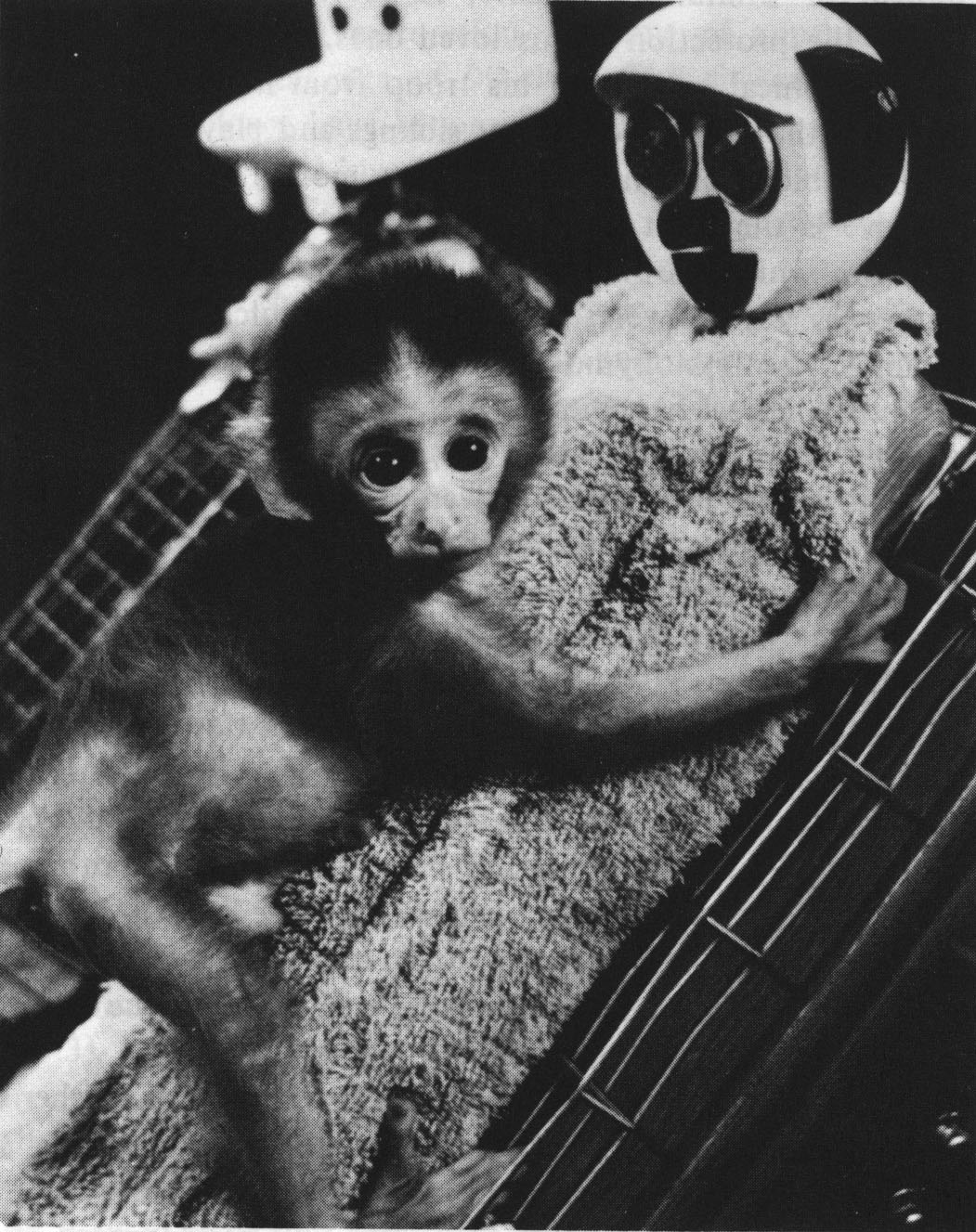
Since 1980, NIH researchers have used public funds to conduct maternal deprivation and isolation studies on infant monkeys. Video footage of the experiments is so disturbing that four members of Congress sent a letter to the NIH, which is based in Maryland, demanding an explanation. When the lead researcher, Stephen Suomi, made a presentation at the University of Michigan, activists disrupted his remarks four times to raise awareness of his barbaric experiments.

In a fascinating interview with Justin Goodman, PETA’s Director of Laboratory Investigations, Jane Velez-Mitchell shines a spotlight on Suomi’s studies and the deception that has enabled NIH researchers to spend 30 years and tens of millions of U.S. tax dollars on these experiments that have done nothing to improve human health.

Maternal Deprivation Study

NIH maternal deprivation study

Your Turn

The plight of animals in society is often ignored by the mainstream media. Given the enormity of the problem, the issues don’t receive the attention they deserve. That is what prompted Jane Velez-Mitchell to launch her own initiative to be the media for animals – JaneUnChained. But doing it on her own is unsustainable over the long term. Please see how you can help her be a permanent voice for the animals.