

Their Turn - The Social Justice Movement of Our Time Their Turn - The Social Justice Movement of Our Time

Mayor de Blasio: Keep Your Promise to Ban NYC’s Horse-Drawn Carriages

July 2, 2015 by 5 comments


Opinion

During his campaign for Mayor of NYC and for several months after his victory in 2013, Bill de Blasio so frequently and adamantly declared his intention to ban horse-drawn carriages that some people are under the impression that they are already gone. Eighteen months after he took office, however, the horses remain on NYC’s streets, hauling tourists in the summer heat by day and languishing in cramped midtown buildings by night. What happened?

See “Watch me do it!” compilation video:

In December, 2014, a year after taking office, Mayor de Blasio introduced legislation to phase out the carriages by 2016. Since then, he has spoken about the issue rarely and only in response to questions. Neither carriage accidents nor lies in the press about his motives have triggered him to talk about the issue or his plan.
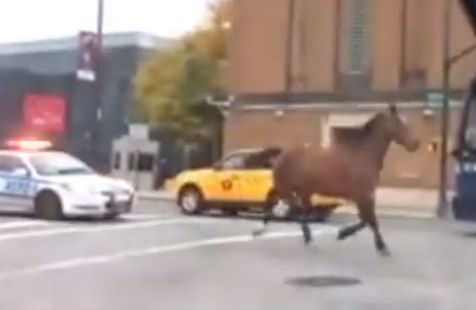
The Mayor made no comment when a carriage horse escaped from his stable and ran down a Manhattan street.

The Mayor made no comment when a horse escaped and ran down a Manhattan street in 10/2014

The Mayor, a seasoned politician, knows that city lawmakers will vote against his legislation unless he lobbies them to support it. He also knows that no amount of lobbying or advocacy by animal protection groups can get the bill passed if he doesn’t exert his leadership on the issue.

The Mayor’s silence in the face of mounting opposition to his legislation is a mystery not only to advocates but also to New Yorkers who remember that banning carriages was a signature component of his campaign platform. “Watch me do it,” he would say to the cameras.

Can the Mayor preserve his credibility when he runs for re-election if he walks away from this explicit promise? Can he turn his back on NYC’s animal advocacy community, which campaigned for him; toppled the candidacy of his chief (anti-animal) rival; and helped catapult him into Gracie Mansion?
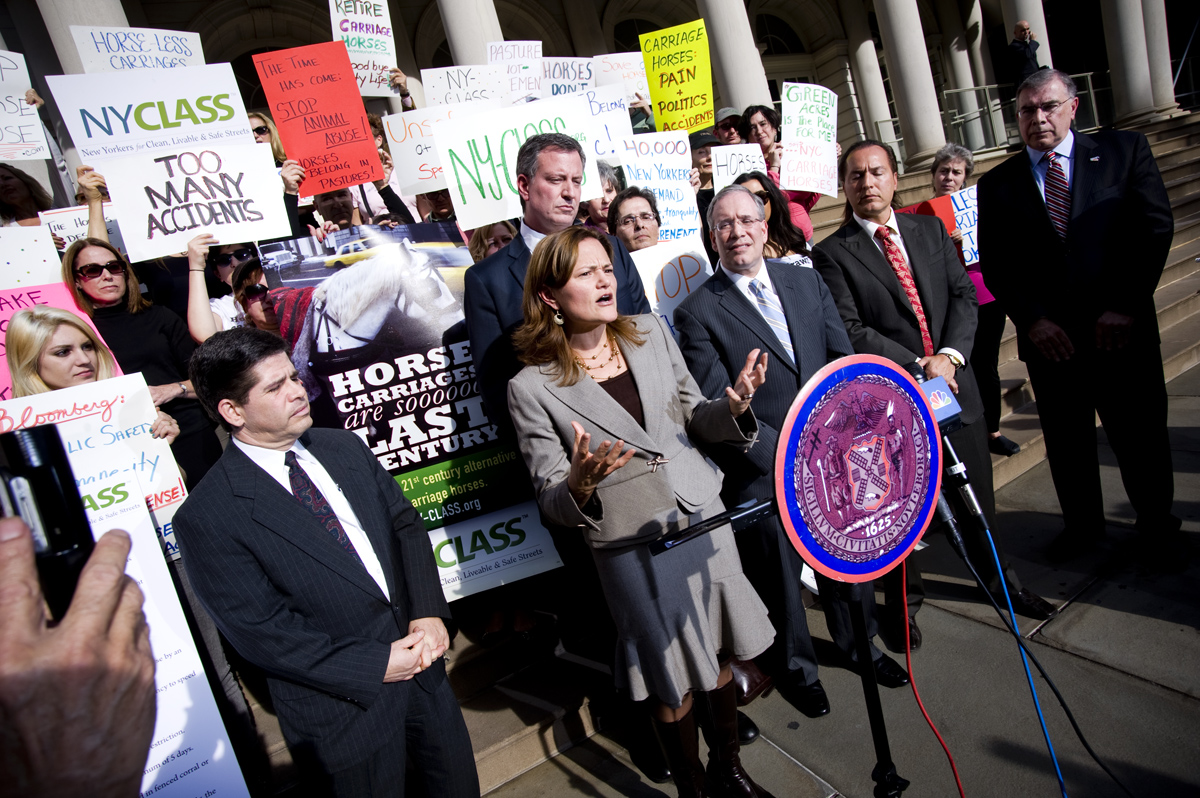
In 2011, Council Member Mayor de Blasio (now Mayor),  joined fellow Council Member Melissa Mark Viverito (now Speaker) and Manhattan Borough President Scott Stringer (now Comptroller) to express his support for a ban on horse-drawn carriages

In 2011, Public Advocate Bill de Blasio (now Mayor), joined fellow Council Member Melissa Mark Viverito (now Speaker) and Manhattan Borough President Scott Stringer (now Comptroller) to express his support for a ban on horse-drawn carriages

Since the Mayor took office, advocates with local and national animal protection organizations have spent countless hours lobbying City Council members and hundreds of thousands of dollars educating the public. They have also identified sanctuaries for the horses. But they need the Mayor to do his part. If the Mayor doesn’t demonstrate a commitment to his own legislation, then why would Council Members, who would open themselves up to attacks by the media and labor unions, support it?
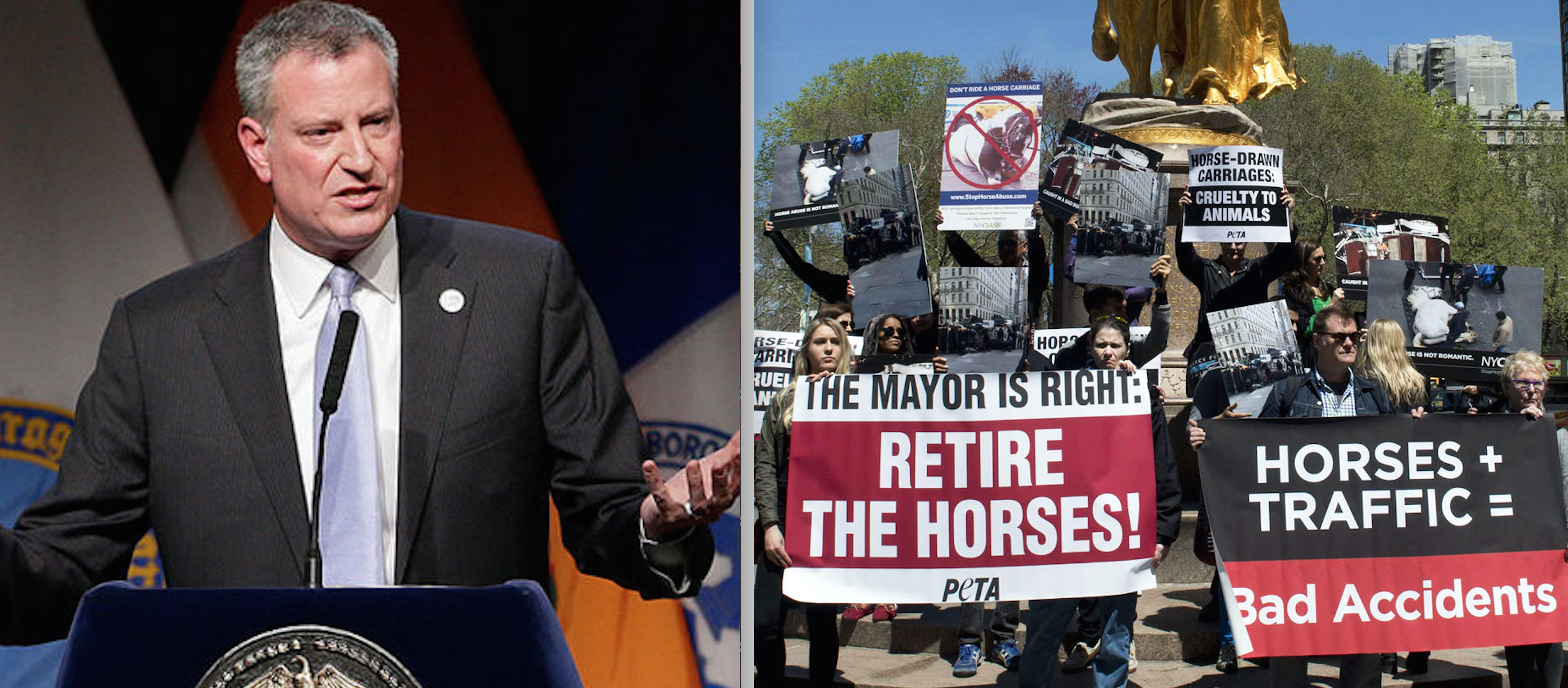
Advocates can lobby, educate and protest, but they cannot get the Mayor's bill passed without his leadership

Advocates can lobby, educate and protest, but they cannot get the Mayor’s bill unless he gets behind it

So why has Mayor de Blasio been silent? Only he and members of his administration know what his intentions are. What we do know is that the hundreds of advocates who have dedicated their lives to taking the horses out of harm’s way will hold him accountable until he follows in the footsteps of his counterparts in Mumbai and San Juan, cities that banned horse-drawn carriages in 2015.

Your Turn

Share video to urge Mayor de Blasio to keep his promise to ban horse carriages.

Tweet: Urge NYC Mayor @BilldeBlasio to keep his promise to #BanHorseCarriages! https://youtu.be/0QlPNkuob04 #FreeTheHorses

Contact Mayor de Blasio’s Director of Intergovernmental Affairs, Emma Wolfe, to ask her to fulfill the Mayor’s unmistakable promise to ban horse-drawn carriages: Ewolfe@cityhall.nyc.gov

See article Eight Reasons Why Horse-Drawn Carriages Cannot Be Operated Humanely or Safely in NYC.

Live Horse Exhibit at NYC Art Gallery Triggers Backlash and Protests (Video)

June 30, 2015 by 7 comments


The News

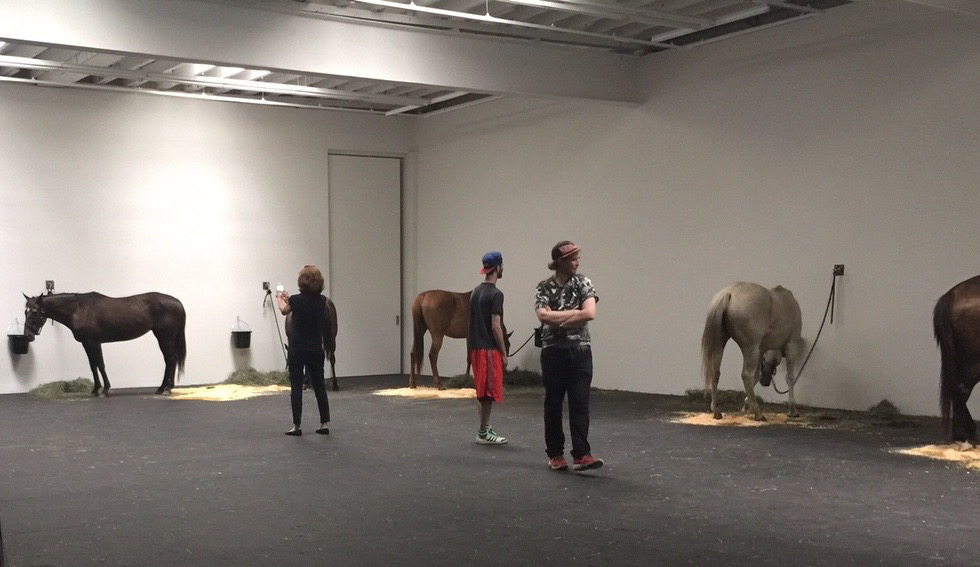
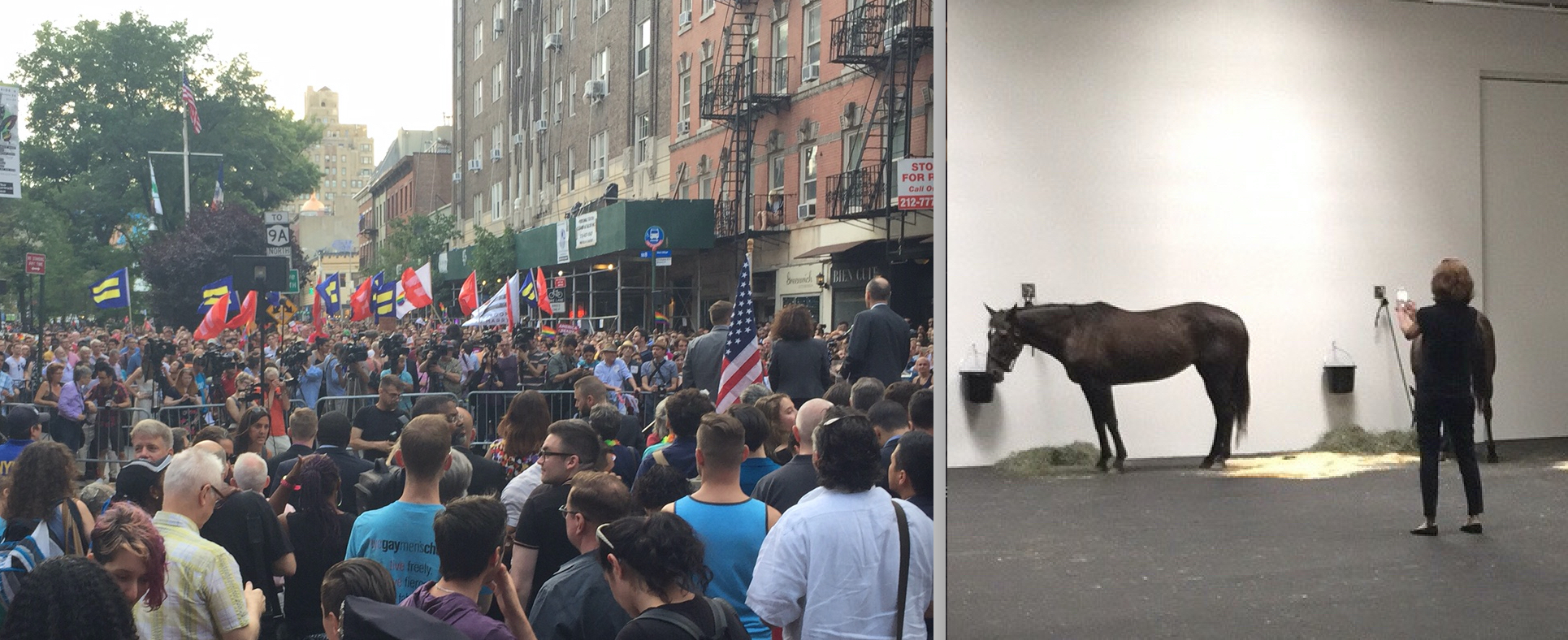
As thousands of New Yorkers gathered at the Stonewall Inn on June 26th to celebrate the freedom to marry, 12 horses tethered to an art gallery wall just a few blocks away waited patiently for the freedom to move. It was an ironic and disheartening site to behold on an otherwise happy and historic day in Greenwich Village.

Just a few blocks away from the freedom to marry celebration, horses in art gallery were stripped of freedom to move

Just a few blocks away from the freedom to marry celebration, horses in art gallery were stripped of freedom to move

A NYC art gallery displayed 12 live horses for four days

A NYC art gallery displayed 12 live horses for four days

The New York Times described the live horse exhibit – “Untitled (12 Horses)” – as “stupendous,” but caring New Yorkers were not impressed. In fact, some showed up to protest.

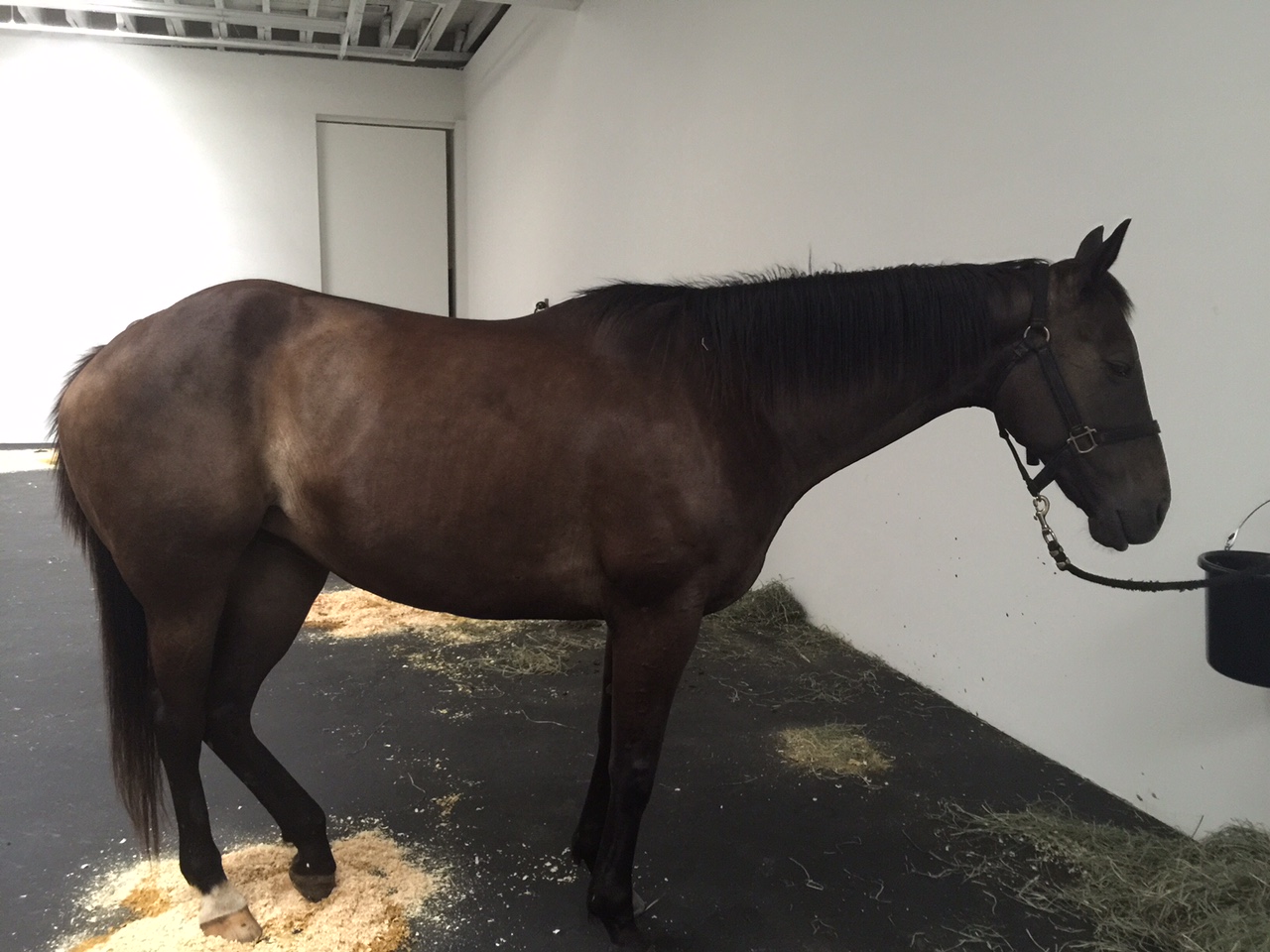
The artist Jannis Kounellis, who says tying the horses to walls “makes a connection between the living element and the idea of solid foundations,” first created this exhibit in Rome in 1969. Oblivious to the outrage it would trigger in 2015, art dealer Gavin Brown brought Mr. Kounellis to his gallery in Greenwich Village to re-create it. For four days, the horses were tied to the wall for six to nine hours, rendering them unable to move around freely, lie down or scratch an itch.

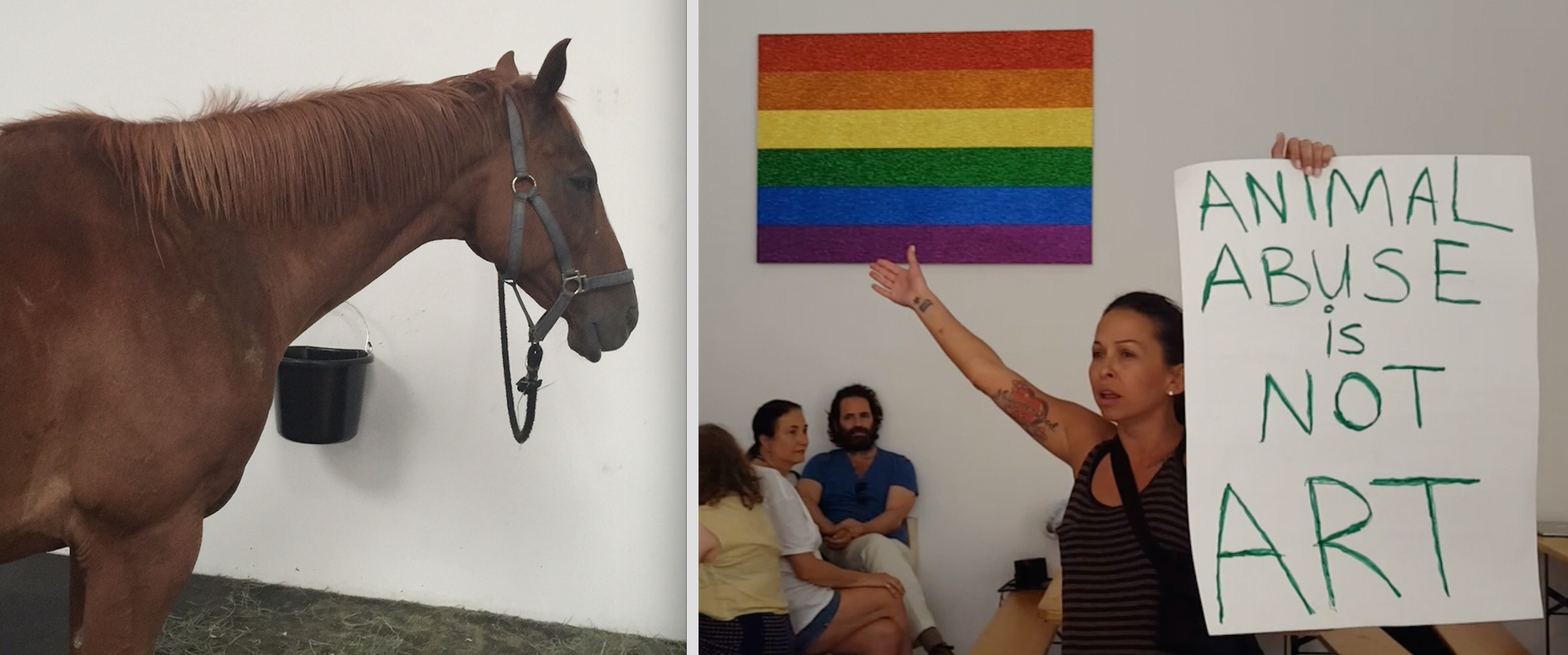
Animal rights activists protest an art exhibit that consists of live horse

Animal rights activists protest an art exhibit with live horses

In a heated discussion at the gallery, Mr. Brown told TheirTurn’s Donny Moss that the horses were being treated humanely, with access to food, water and air conditioning. But, even if true, that misses the point, which, advocates say, is that animals are not props or “objects,” as the artist himself described the horses.

One of 12 horses tethered to the wall at Gavin Brown's art gallery in New York City

One of 12 horses tethered to the wall at Gavin Brown’s art gallery in New York City

It wasn’t only New Yorkers who registered their anger. People around the country flooded Mr. Brown with phone calls; expressed their anger on social media; and wrote scathing reviews online about the gallery. On Facebook, its rating dropped from 4.8 to 2.0 out 5. At least two media outlets wrote articles about the backlash. A story in the Gothamist, which had almost 200 comments, quoted TheirTurn’s Donny Moss: “Future generations will look at the photos of this animal exhibit and ask, ‘What were they thinking?'”

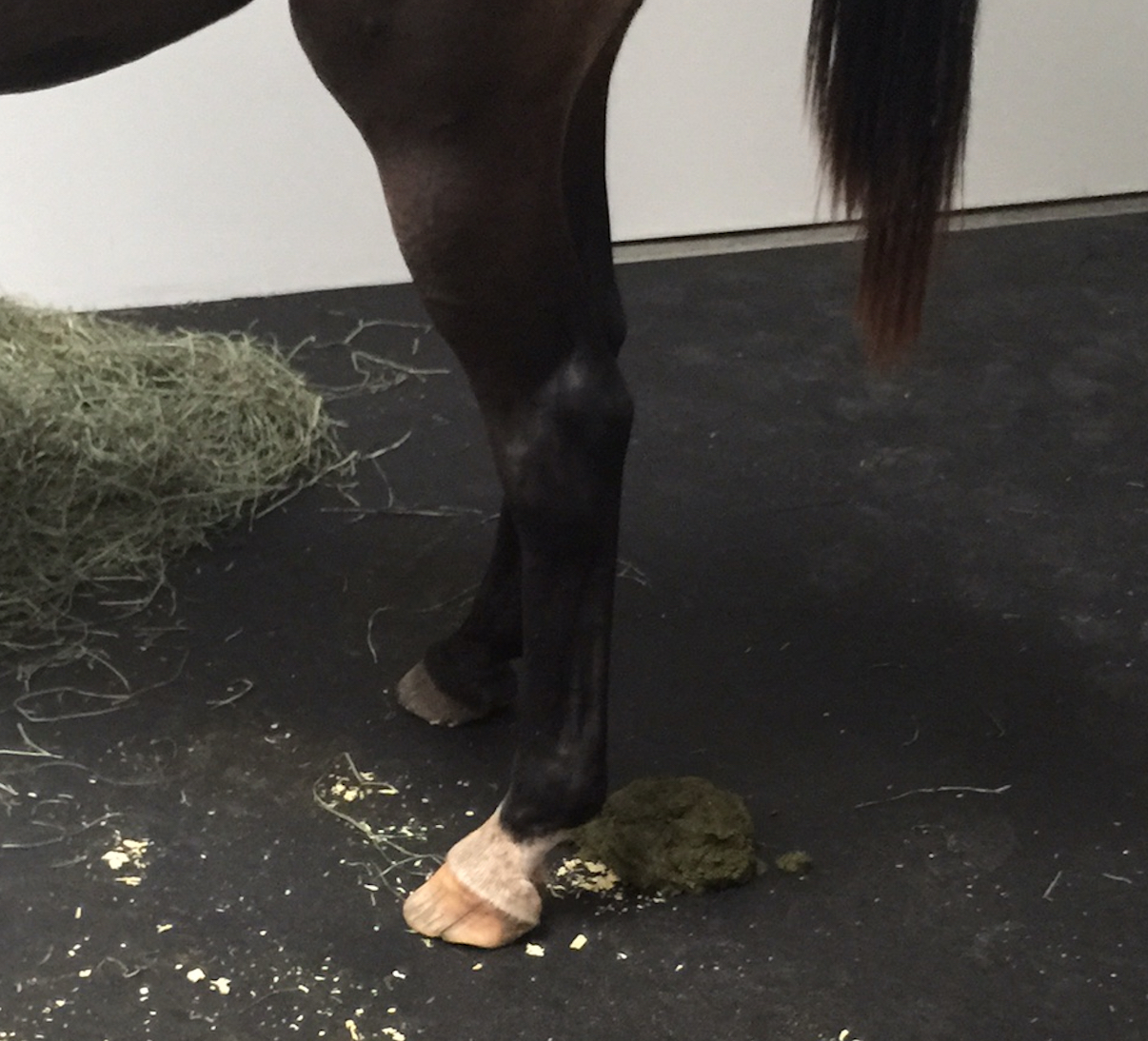
According to the NY Times, horses "relieving themselves" is a part of the experience of the exhibit

According to the NY Times, horses “relieving themselves” is a part of the experience of the exhibit

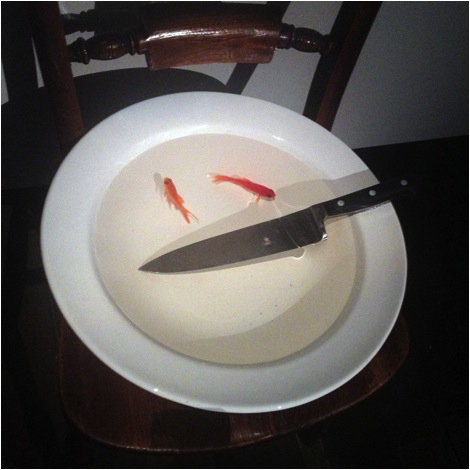
This is not the first time the Jannis Kounellis has used live animals. In his piece entitled “Fishbowl,” he placed a six inch chef’s knife into a bowl with live goldfish.

Artist Jannis Kounellis holds fish captive in a small bowl with a chef's knife

Artist Jannis Kounellis holds fish captive in a small bowl with a chef’s knife

An art news publication reported that Mr. Brown intends to re-create the exhibit yet again in a new gallery space. The backlash to this exhibit, however, has reportedly led to a change in plans. Starting on Friday, callers to the gallery were told that Mr. Brown would not be exhibiting the horses again.

Your Turn

Call Gavin Brown’s gallery to convey your point of view about the use of live animals in an art exhibit and ask him to cancel plans to re-create the exhibit in his new gallery space: 212-627-5258

Post a review of the gallery.


In Grueling Journey, 53,000 Live Animals Shipped from New Zealand to Mexico

June 26, 2015 by 18 comments


The News

A ship containing approximately 50,000 sheep and 3,000 cattle that departed from New Zealand on June 11th arrived in Mexico on June 26th after 16 days at sea. It is the single largest shipment of live animals ever exported from New Zealand.

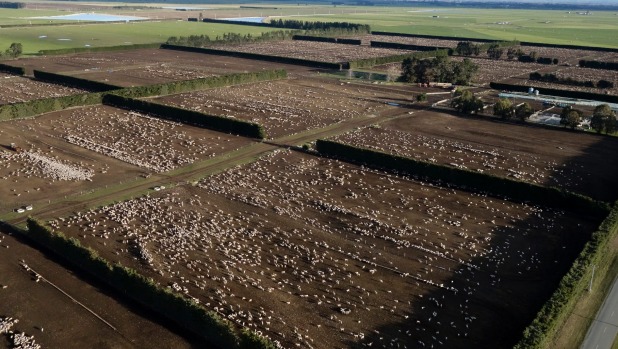
Sheep are held in pens in New Zealand prior to being loaded onto transport ship (photo: John Bisset/Fairfax NZ)

Sheep are held in pens in New Zealand prior to being loaded onto transport ship (photo: John Bisset/Fairfax NZ)

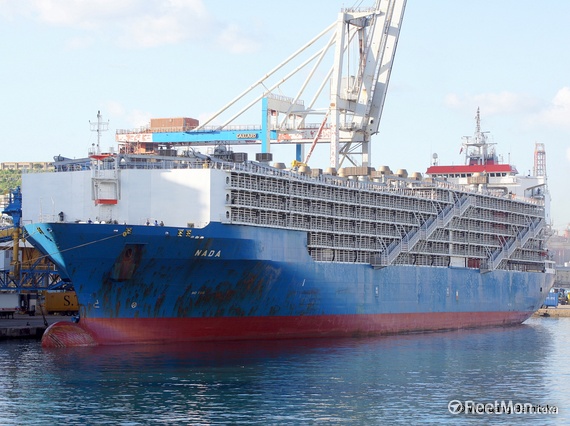
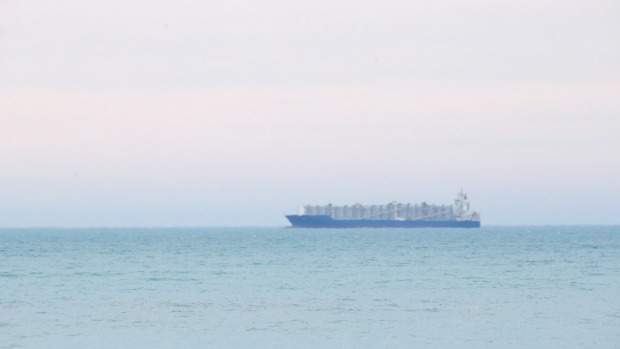
53,000 live animals were shipped from New Zealand to Mexico on the NADA

53,000 live animals were shipped from New Zealand to Mexico on the NADA

Given the long duration of the overseas journey, animal rights activists in New Zealand and Australia have expressed grave concerns about the welfare of the animals, who can suffer from malnutrition, starvation, heatstroke, respiratory disease, blindness from seawater spray and stress from 16 days of intensive confinement. Unloading 50,000 sheep, who are reportedly pregnant, and 3,000 cattle is expected to take several more days.

live-export-sheep copy

Unloading sheep from a live transport ship

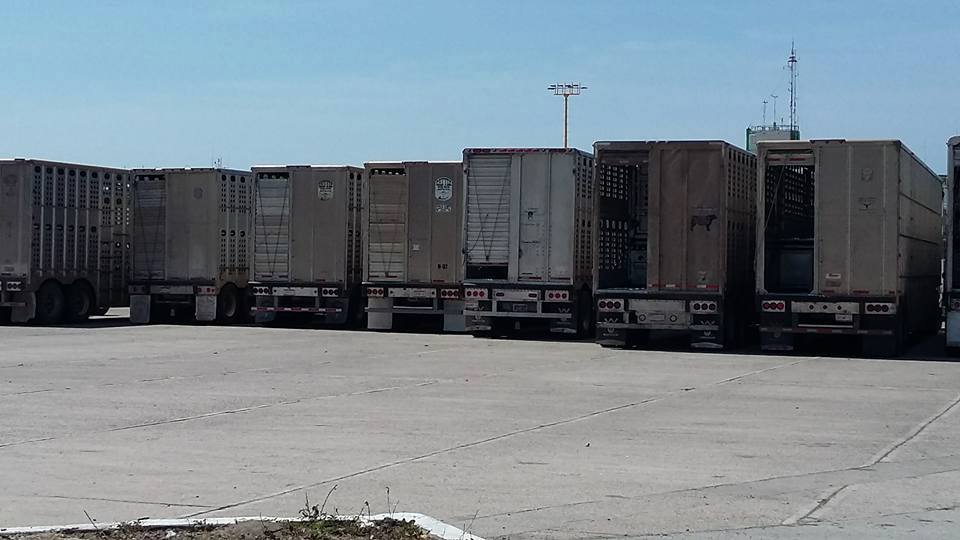
Once on the ground, the animals will be loaded onto trucks and/or trains and transported for an additional 10-15 hours, according to advocates. The temperature in Mazatlan, the port where the cattle and pregnant sheep are being unloaded, is approximately 90°F (32° C), reaching up to 120°F (49° C) with the heat index.

These trailers in Mazatlan, Mexico, are transferring the animals to their final destinations

These trailers in Mazatlan, Mexico, are transferring the animals to their final destinations

According to Animals Australia, which has conducted over 35 live export investigations, millions of animals have died during these voyages. In an interview with TV3 in New Zealand, Hans Kriek, the Executive Director of Save Animals From Exploitation in New Zealand said, “We understand that some animals have already died, but we have no idea about the numbers.”

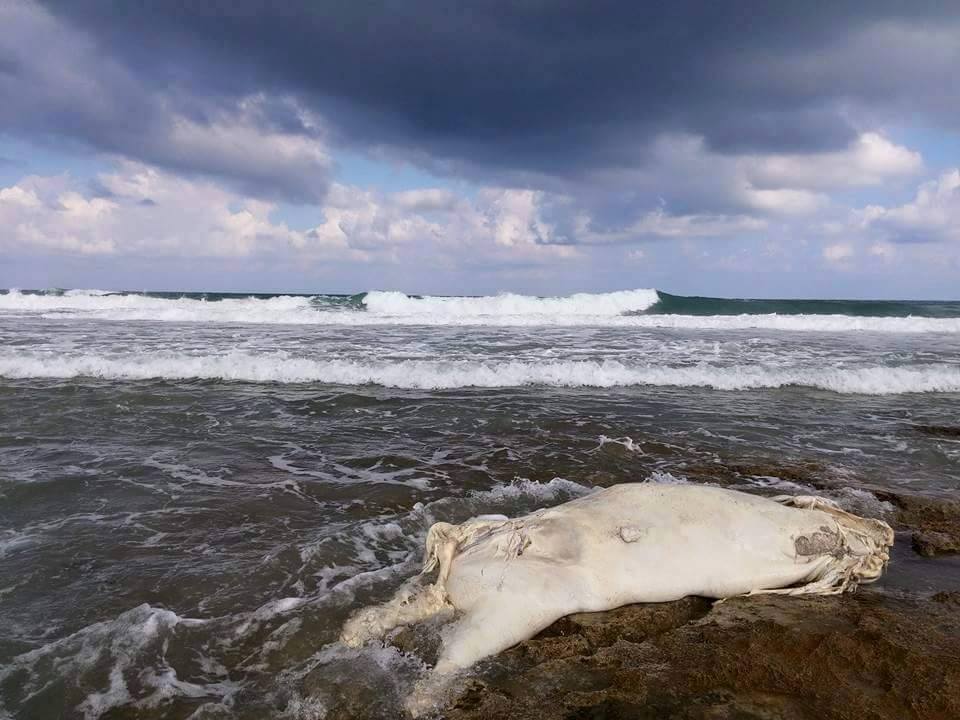
In the live export industry, dead and dying animals are dumped overboard

In the live export industry, dead and dying animals are dumped overboard. This cow washed up on shore.  (photo: Against Live Transports)

Mr. Kriek and other activists have been communicating with the advocacy groups in Mexico about documenting the arrival of ship and unloading of the animals. “I imagine the locals may be able to smell the ship before they can see it,” said another advocate who contacted TheirTurn about the shipment.

The ship NADA has transported 5,300 live animals from NZ to Mexico (photo:

NADA transported 53,000 live animals from NZ to Mexico (photo: Mitchell Bransgove/Fairfax NZ)

The company exporting the animals, Livestock and Agricultural Products New Zealand, insists the 53,000 animals are treated humanely, noting that the ship is staffed with a Mexican veterinarian and three experienced stockmen. In an interview with a meat industry trade journal, a company spokesman said that deckhands clean the cattle manure once every three days. The sheep, on the other hand, live in their own feces for the entire journey.

Live cattle on a typical transport live

Live cattle on a typical transport live

The government says that the animals shipped to Mexico will be used for breeding. Activists, however, are skeptical, as animals were reported to have been killed upon arrival during the last live export shipment to Mexico in 2007, when the government gave the same assurance.

Your Turn

Please join the campaign to ban live exports from New Zealand and Australia.


Undercover Investigators Expose Atrocities on Alligator Farms that Supply Retailer Hermès

June 24, 2015 by 11 comments


The News

UPDATE: On July 24th, one month after PETA released video showing crocodiles and alligators used to make Birkin bags being tortured, British singer Jane Birkin has asked Hermès to remove her name from the line of handbags: “Having been alerted to the cruel practices reserved for crocodiles during their slaughter to make Hermes handbags carrying my name… I have asked Hermès to debaptise the Birkin Croco until better practices in line with international norms can be put in place.”


In 2001, a NY Times fashion writer reported that Jessica Seinfeld, the wife of comedian Jerry Seinfeld, attempted to use her famous last name at an Hermès store to jump to the front of a waiting list for a Birkin Bag, a purse regarded by many as the ultimate status symbol. Ms. Seinfeld, exasperated by negative stories written about her in gossip columns, denied the allegations in subsequent media coverage. Lost in the celebrity scandal were the real victims: the alligators and crocodiles who are raised and slaughtered in concrete factories to make the purses.

Reality star Kris Jenner wears Hermès purse made from alligator skin (photo: purseblog.com)

Reality star Kris Jenner wears Hermes purse made from alligator skin (photo: purseblog.com)

In 2014, People for the Ethical Treatment of Animals (PETA) sent undercover investigators into factories in Zimbabwe and Texas that supply Hermes with their crocodiles and alligators. Video footage shows employees cutting into their bodies while they are fully conscious, sawing into the back of their necks with a box cutter to sever their blood vessels and stabbing them in an attempt to dislocate their vertebrae during the drawn-out slaughter process. Investigators documented crocodiles bleeding out and writhing in agony for several minutes.

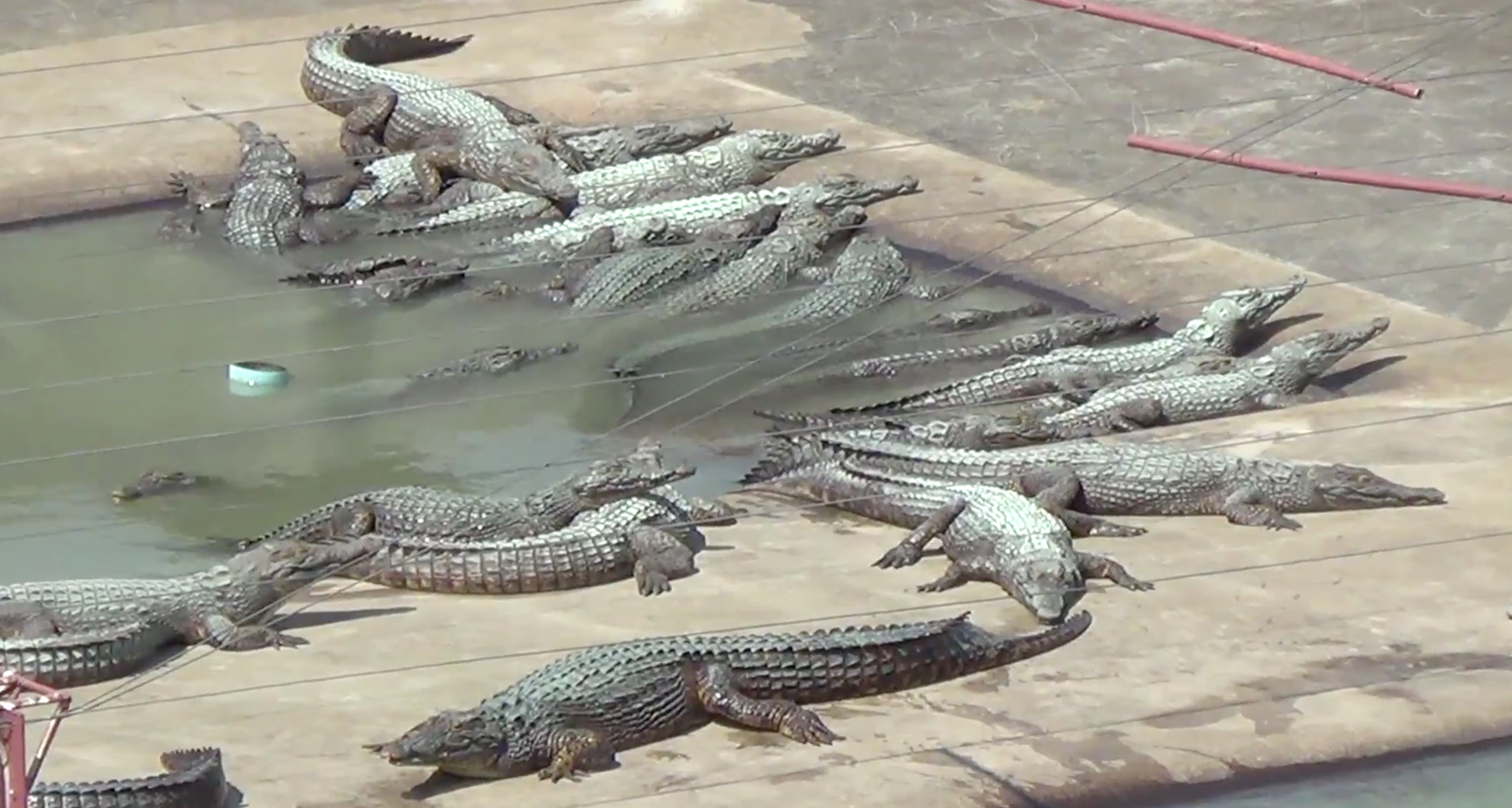
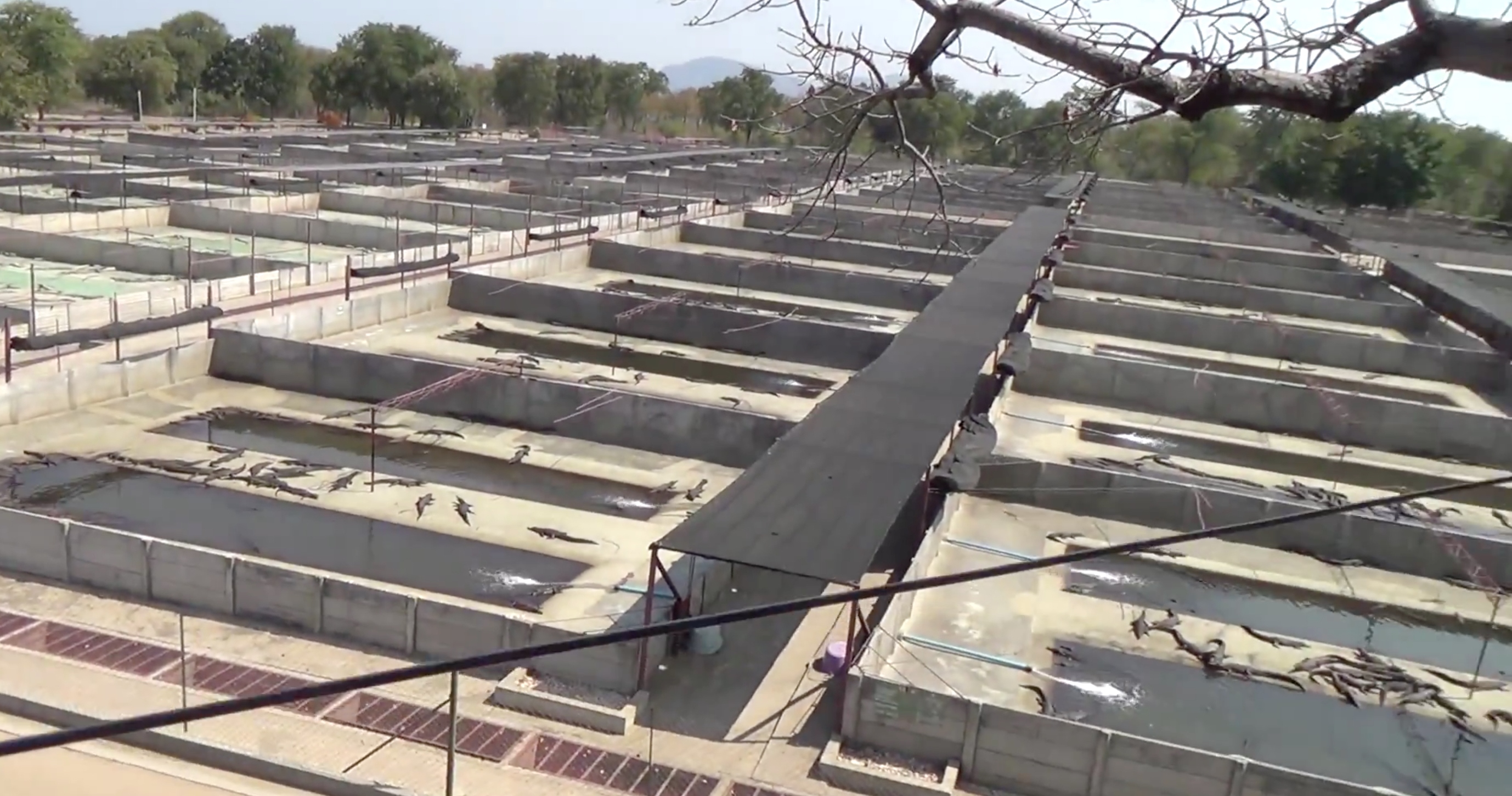
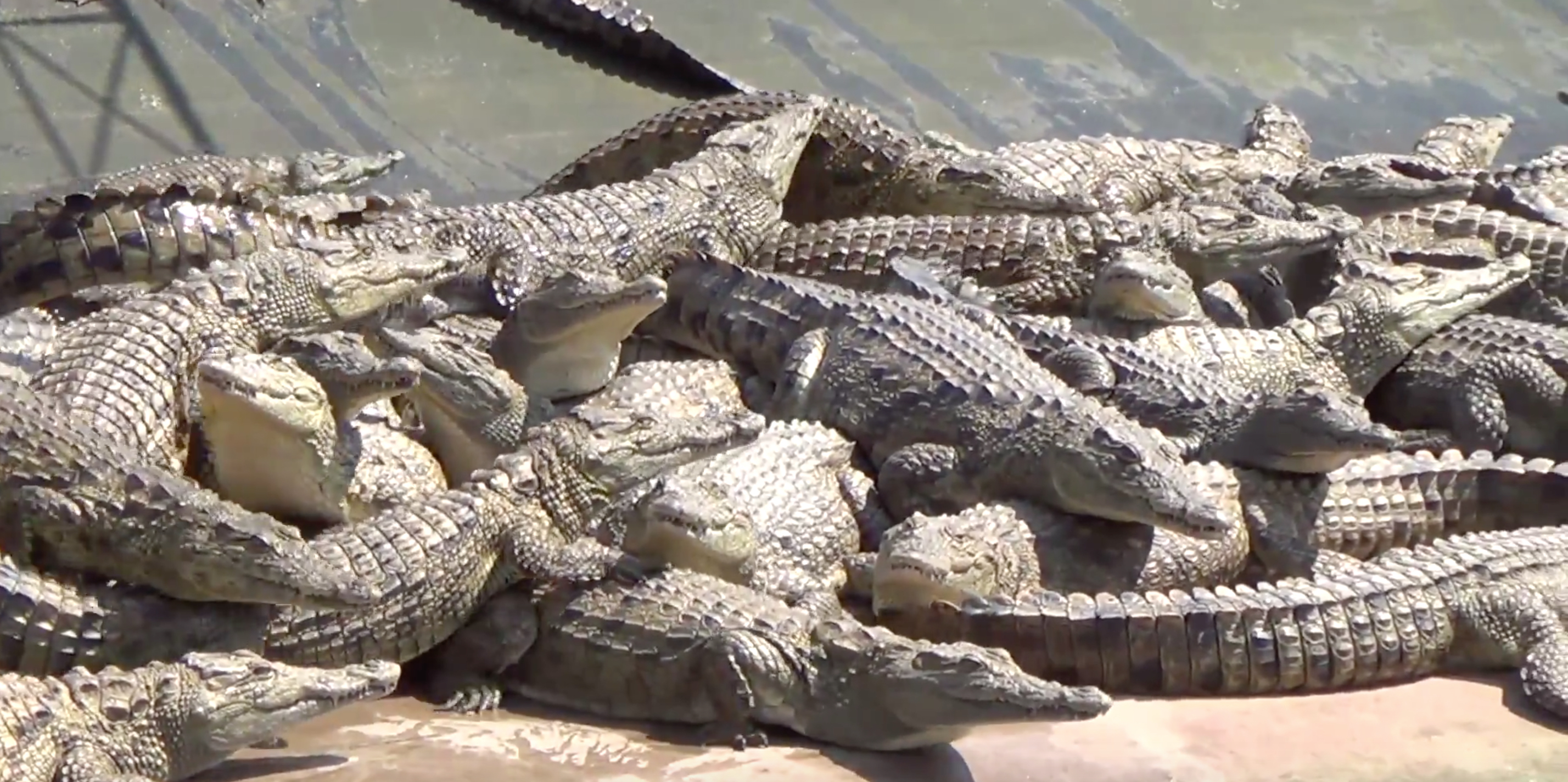
The undercover investigation also revealed the conditions in which the alligators and crocodiles are housed. In the wild, these intelligent animals raise their young, use tools to capture their prey and live for decades, often longer than humans. On factory farms, the crocodiles are intensively confined in concrete pits, forced to live in pools of their own excrement and denied the chance to do anything that comes naturally to them. They are slaughtered after just one year.

Alligators at farm that supplies Hermès live in excrement-filled concrete pits

Crocodiles at Hermes crocodile skin supplier live in excrement-filled concrete pits

Hermès' alligator factory farm in Zimbabwe

Hermes’ crocodile factory farm in Zimbabwe

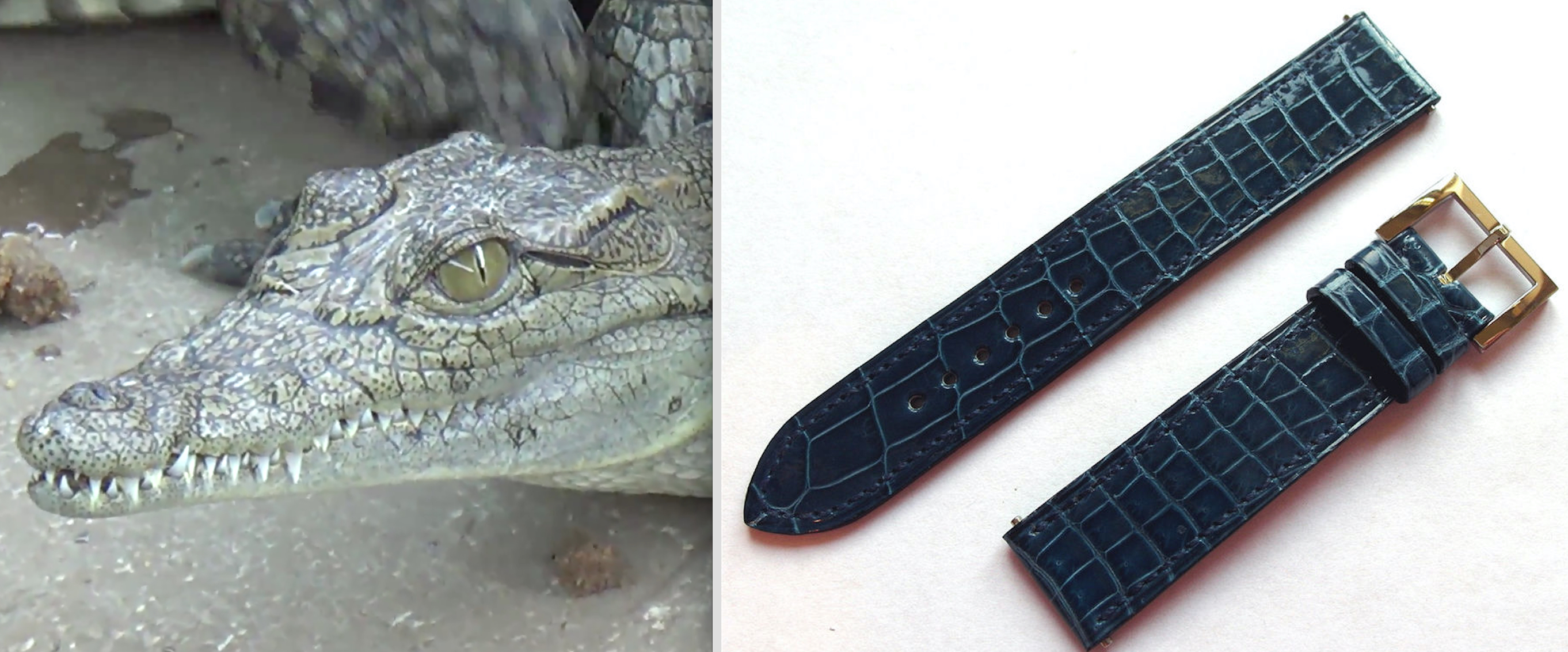
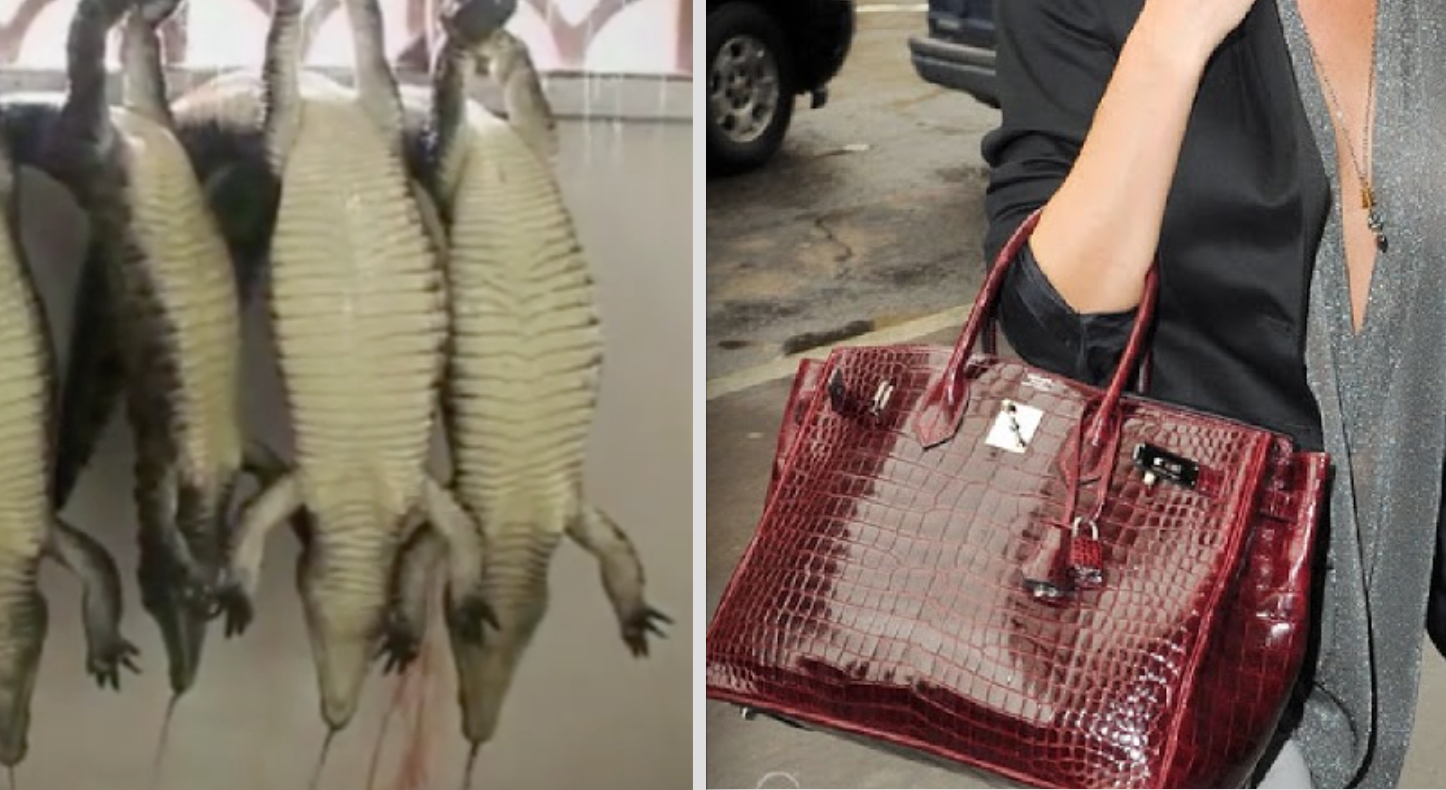
Hermès suppliers slaughter up to four alligators to make just one Birkin bag. The skins are also used to make watchbands, belts, shoes and other accessories.

Alligator: before & after

Alligator: before & after

In a statement included in the NY Times story about the PETA investigation, Hermès defends its products and expresses no remorse about the brutality exposed in the video.

In Texas, the Chambers County District Attorney is conducting an investigation at Lone Star Alligator Farms.

Crocodiles at Hermes supplier in Zimbabwe

Crocodiles intensively confined at Hermès supplier in Zimbabwe

Your Turn

The alligators sold by Hermès are subjected to unspeakable atrocities on their journey to becoming a purse. Please sign letter asking Hermes to stop selling items made from crocodile and alligator skins.

Up to 4 alligators must be slaughtered to make one Hermès Berkin Bag

Up to 4 alligators must be slaughtered to make one Hermès Birkin Bag


Activists Occupy New York Blood Center

June 19, 2015 by 3 comments


The News

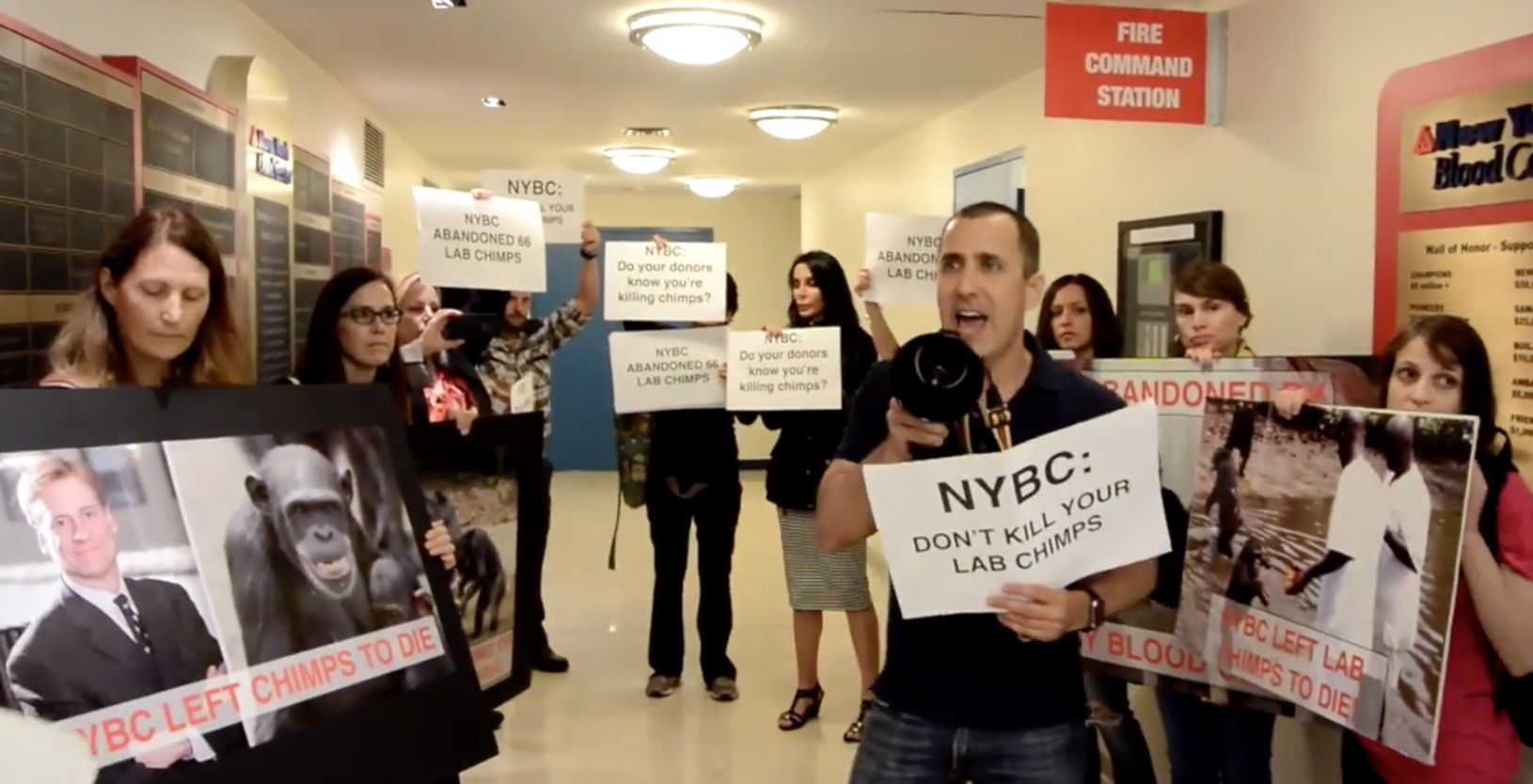
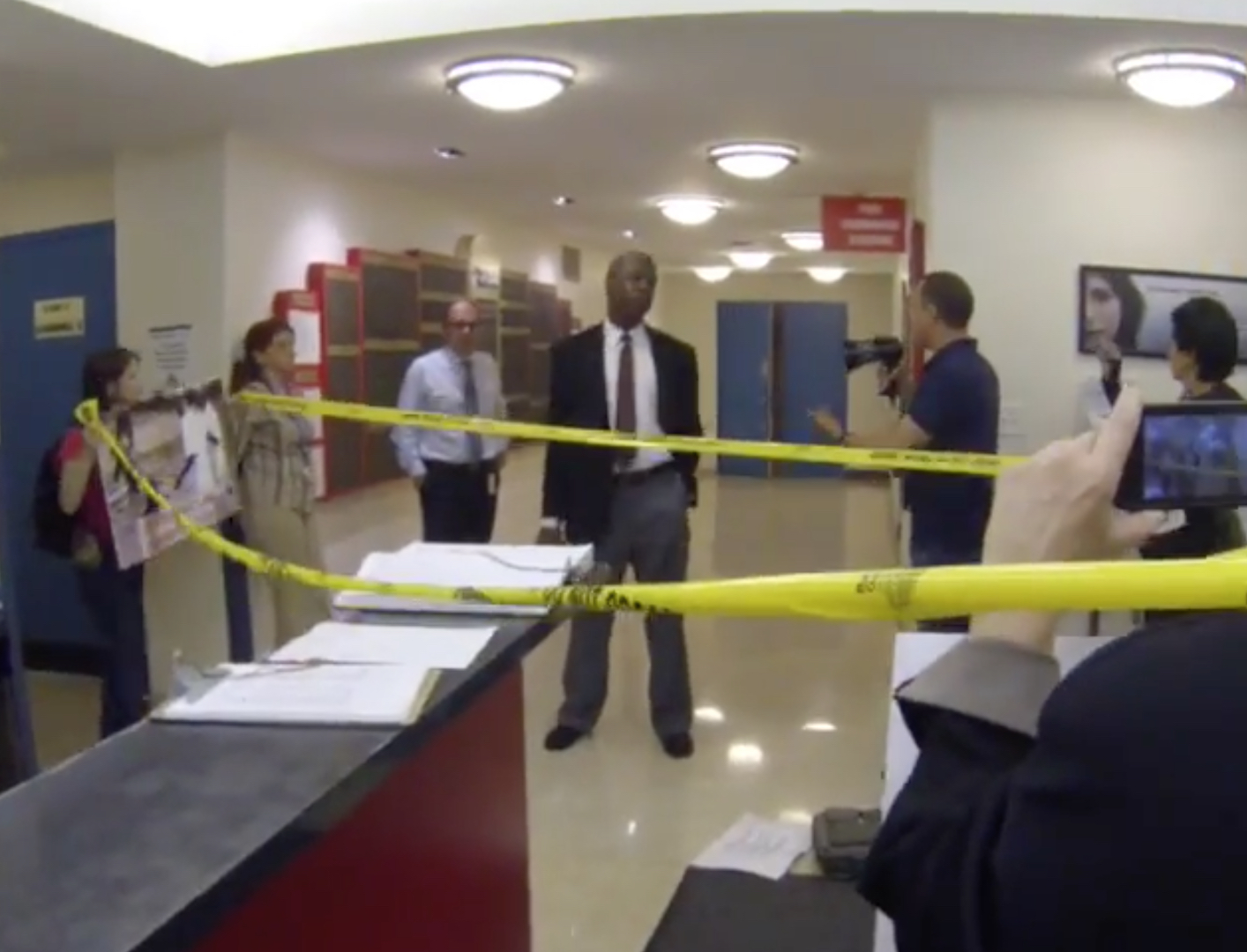
Security was tight at the NY Blood Center, with a guard stationed at the door to prevent another protest inside the building. But that didn’t stop 15 activists from charging past him; occupying the lobby for 30 minutes; and using a bullhorn to ensure that employees throughout the building could hear about the crimes committed by their employer and the demand to reinstate funding for the chimps who they left to die with no food or water.

Jane Velez-Mitchell and Donna Dennison from JaneUnchained were there to document the disruption and the reaction from the NY Blood Center:

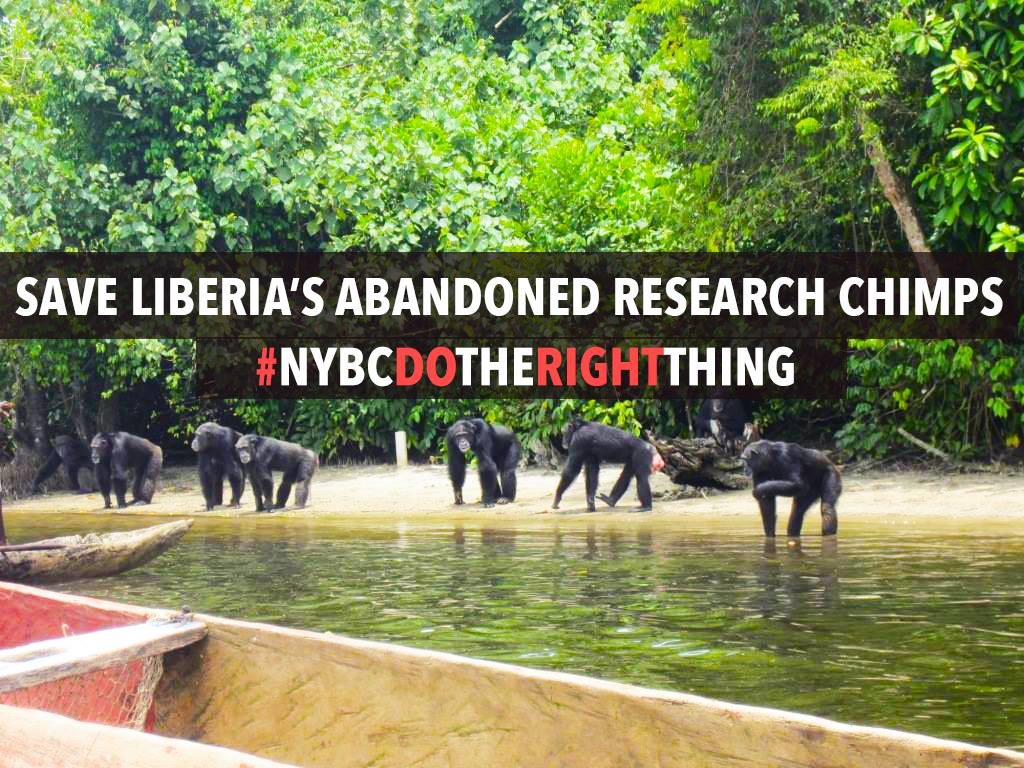
In May, the NY Blood Center told the NY Times it has no “contractual obligation” to care for their former lab chimps. That’s not good enough for leaders in the great ape community, including Dr. Jane Goodall, who say that NYBC has an ethical obligation. Like the grass roots activists who have staged two protests in their lobby, they are demanding that the NYBC reinstate the funding.

Activists occupy NY Blood Center to Demand that the organizations reinstates funding for lab chimps it abandoned

Activists occupy NY Blood Center to demand that its executives reinstate funding for the lab chimps they abandoned

Will NYBC executives continue to dig in their heels with the hope that activists will abandon their efforts to hold the them accountable? Or will they reinstate the funding for the chimps in order to prevent similar protests at the homes and offices of their executives, board members and donors?

Activists unroll police tape to convey the message that the NYBC is a crime scene

Activists unroll police tape to convey the message that the NYBC is a crime scene

Your Turn

1. Please join the Facebook page New York Blood Center: Do the Right Thing and participate in the calls to action.

2. Sign the Change.org petition asking one of NYBC’s biggest supporters, MetLife, to cut its funding to the organization.

2. Please give the NYBC a one star review on its Facebook page.

save-the-NYBC-chimps