
Their Turn - The Social Justice Movement of Our Time Their Turn - The Social Justice Movement of Our Time

At MetLife Protest, Actress Elaine Hendrix Speaks Up For Abandoned Chimps

July 8, 2016 by Comments are off for this post


The News

At a protest targeting MetLife for its complicity in the New York Blood Center (NYBC) chimp abandonment crisis, actress Elaine Hendrix, a tireless advocate for animals, spoke out on behalf of the 66 chimps left to die with no food or water on islands in Liberia: “MetLife is one of the largest donors to the NY Blood Center, and we’re simply asking them to help the chimps. It’s really a very easy thing that they could be doing.”

In November, 2015, primatologist Bob Ingersoll traveled from San Francisco to NYC to hand-deliver a petition to MetLife asking the company to cut its support of NYBC until the organization reinstates promised funding for its former lab chimps. While a representative from MetLife did collect the petitions from Mr. Ingersoll in the lobby, neither she nor anyone else from the company responded to him.
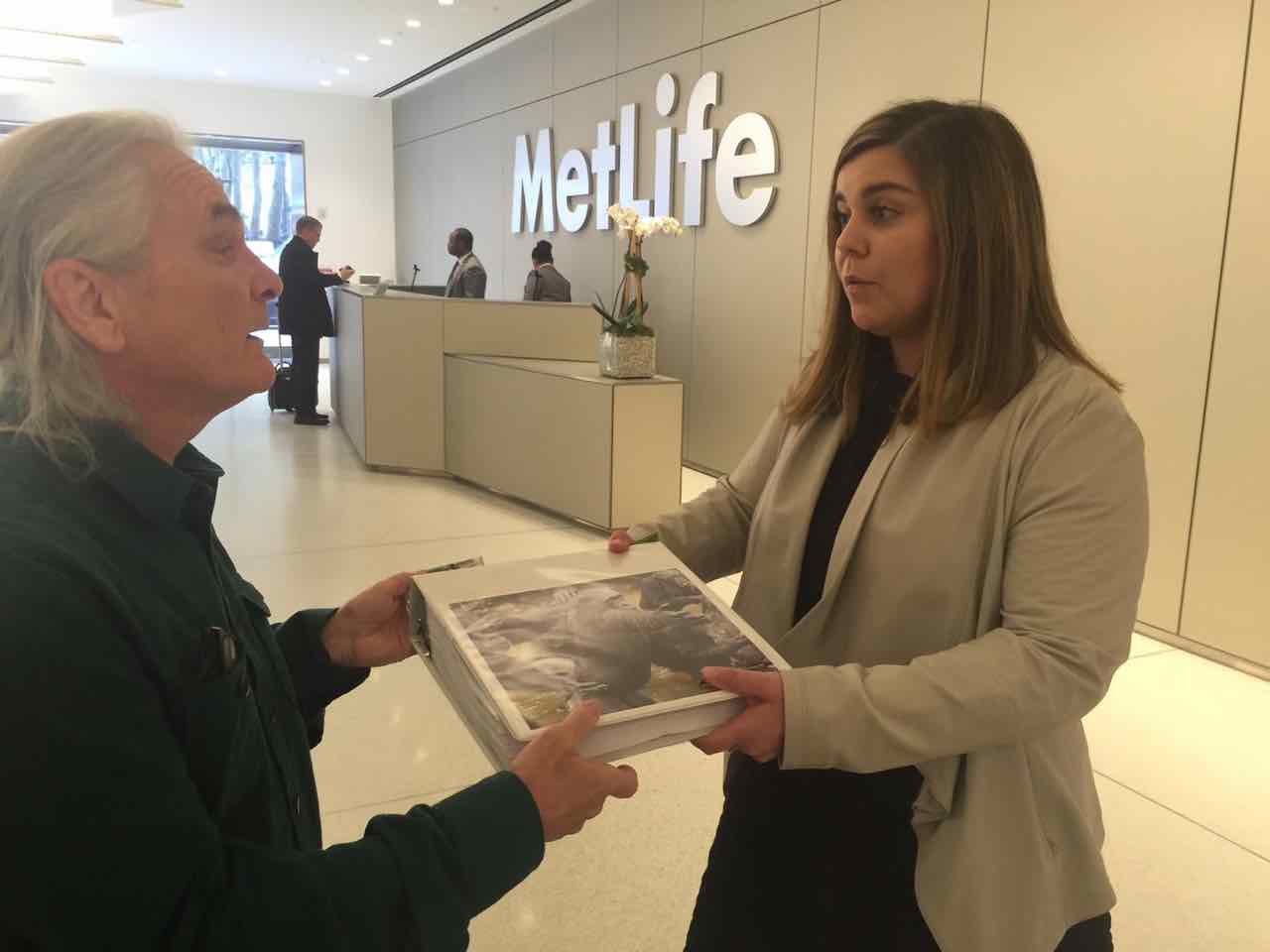
Primatologist Bob Ingersoll delivers petitions to a MetLife representative.

Primatologist Bob Ingersoll delivers petitions to a MetLife representative.

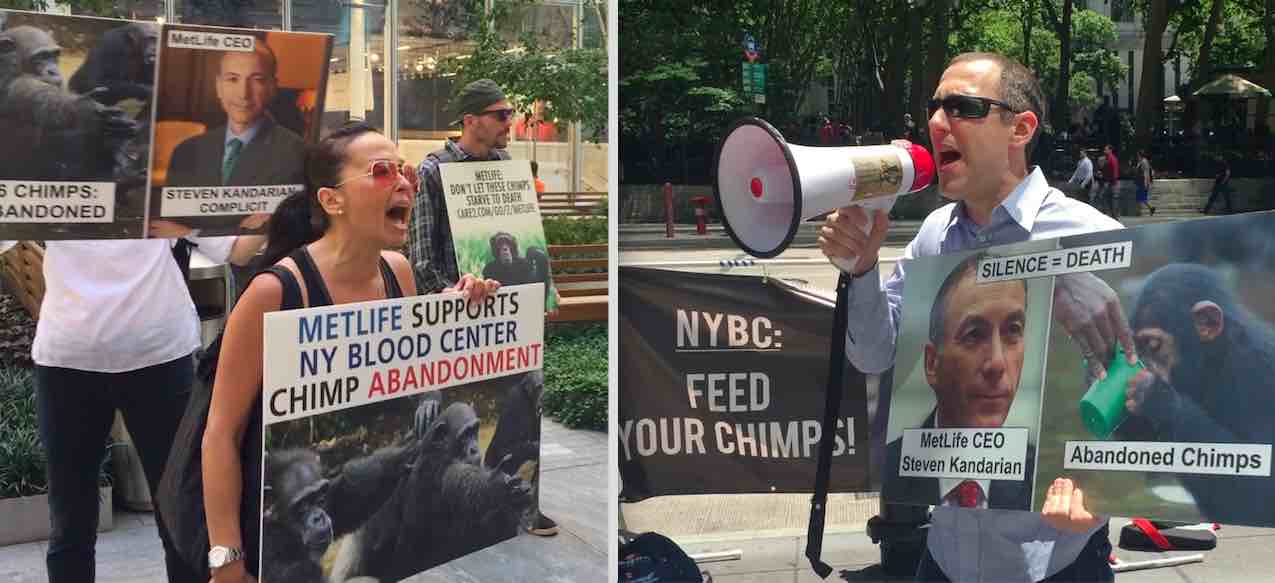
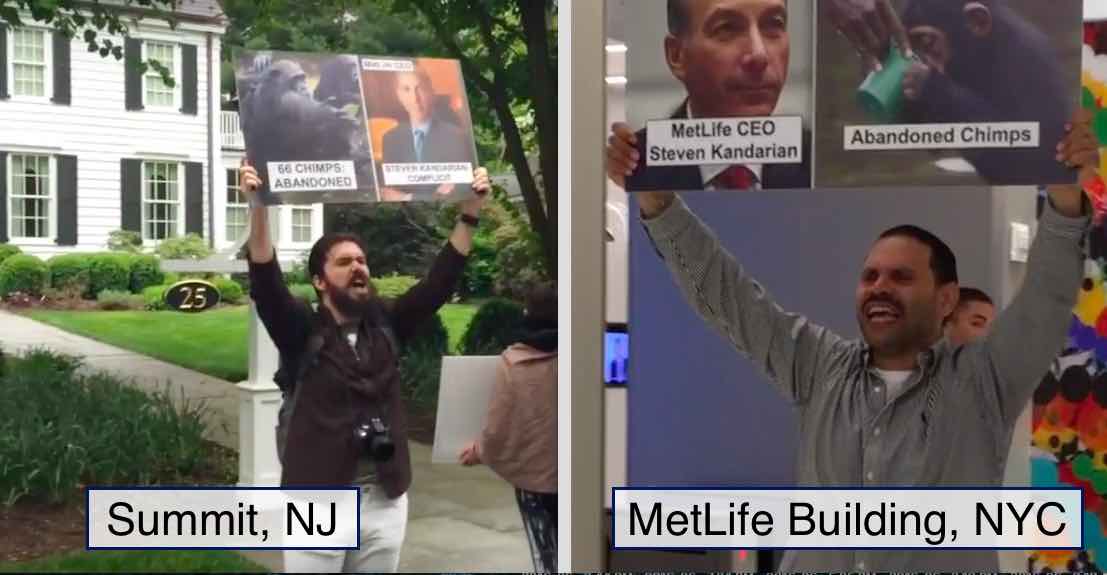
On April 26, activists staged a 30-minute disruption in the lobby of the MetLife building during rush hour. Two weeks later, they protested at the New Jersey home of MetLife CEO Steven Kandarian. On June 14, activists held a demonstration at MetLife’s annual shareholders meeting. To date, MetLife has ignored all of the protests and the efforts to open a dialog regarding the chimpanzee crisis.
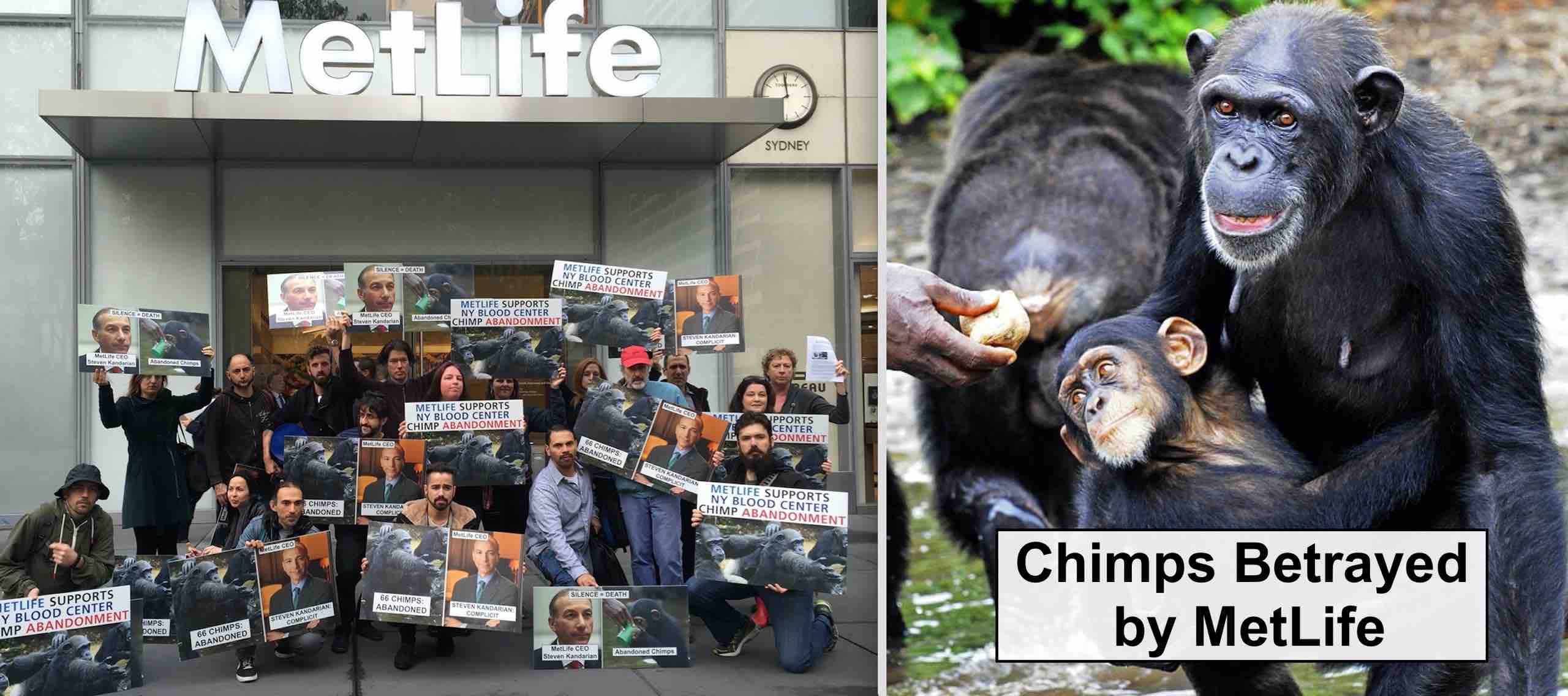
MetLife has refused to hold NYBC accountable for its abandonment of 66 chimpanzees.

MetLife has refused to hold NYBC accountable for its abandonment of 66 chimpanzees.

In May, 2015, the NY Times reported that NYBC had “withdrawn all funding for them [the chimps],” leaving them  to die of starvation and thirst. In order to keep the chimps alive, Liberians who had been employed by the blood center to deliver food and water, began to care for them on a volunteer basis. With virtually no resources and burdened by the Ebola outbreak in Liberia, these volunteers kept the chimpanzees alive until an HSUS-led coalition of over 30 animal conservation groups raised funds from the public to pay for the chimps’ care on an emergency basis.
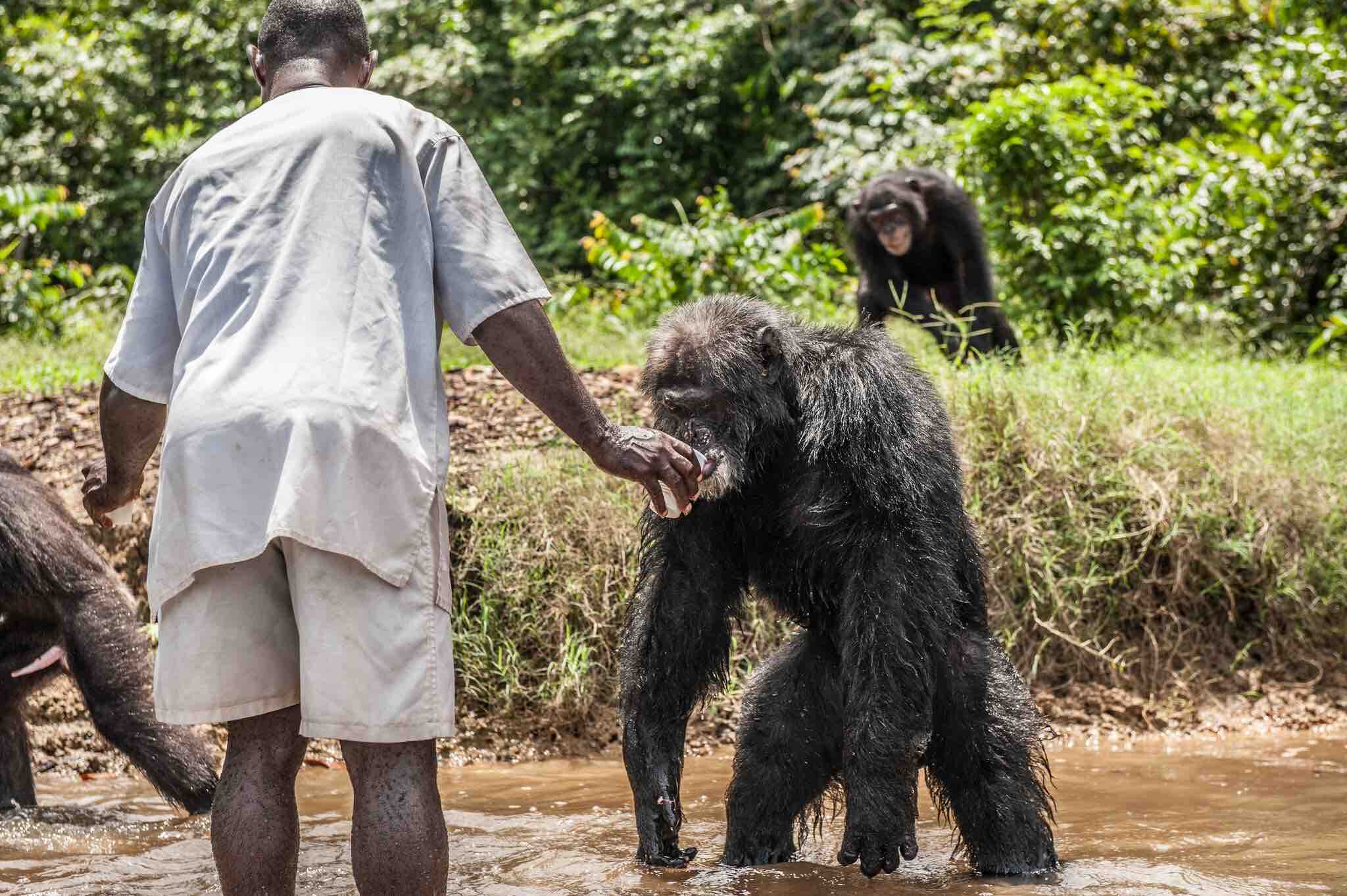
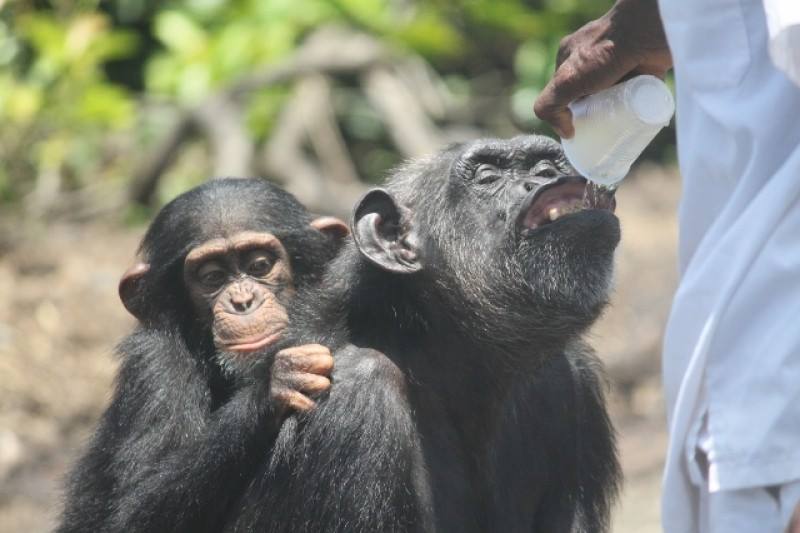
Liberians hired by HSUS feed the chimps abandoned by the New York Blood Center

Liberians hired by HSUS feed the chimps abandoned by the New York Blood Center.

The New York Blood Center, which has earned an estimated $500 million in royalties off of the research conducted on the chimpanzees, has publicly stated that it has no “contractual obligation” to pay for the chimps’ food and water and has shifted the financial burden of caring for their captive chimp population to the animal welfare community.
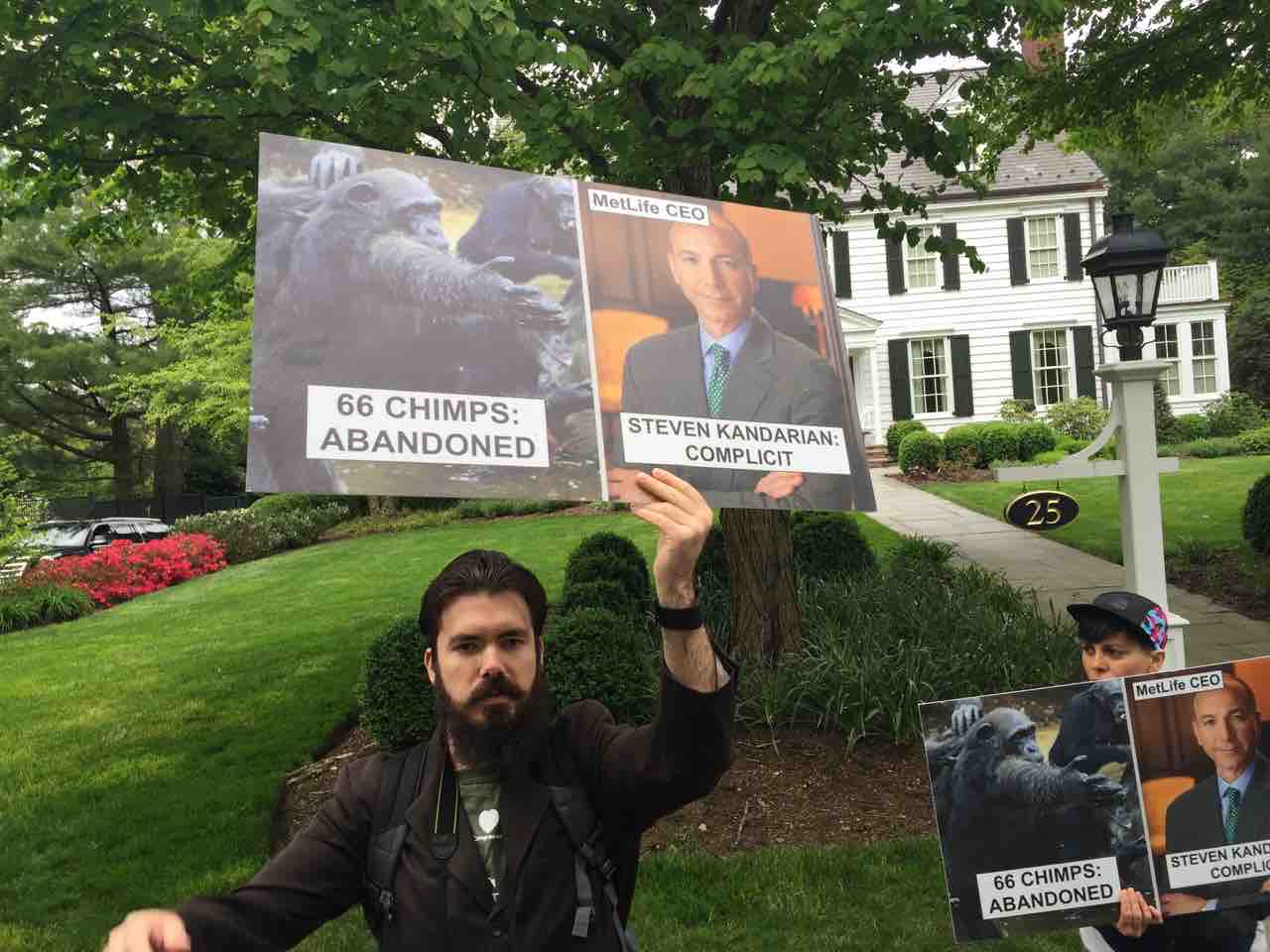
Activists protest at the Summit NJ home of Steven Kandarian.

Activists protest at the Summit, NJ, home of Steven Kandarian.

Your Turn

Use the tweet sheet to contact MetLife, NYBC and their stakeholders.

Sign the Care2 petition to MetLife, NYBC’s largest corporate donor.

Join the Facebook page: New York Blood Center: Do the Right Thing to stay apprised of news and to participate in online actions to pressure NYBC board members to fulfill their promise to provide lifelong care to their laboratory chimps.

Follow TheirTurn on Twitter, and follow “Save NYBC Chimps”on Instagram and Twitter.
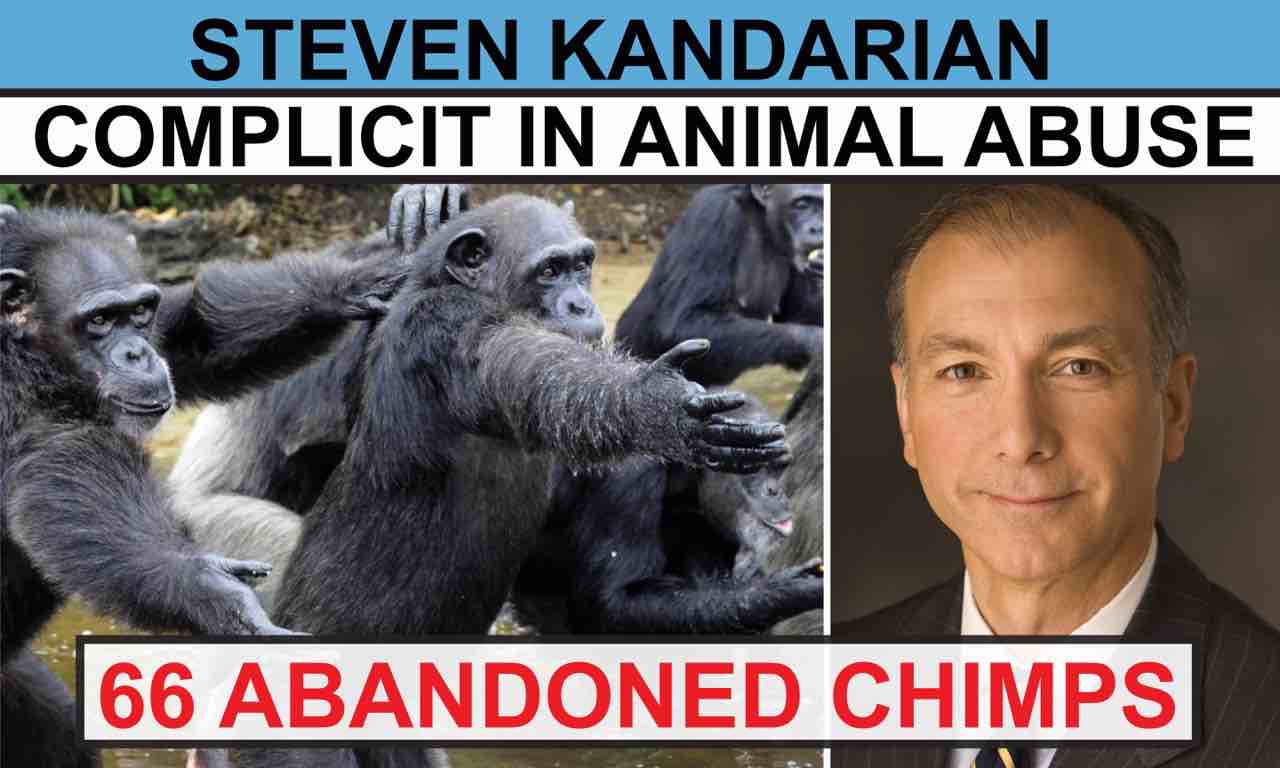
Steven Mandarin is the CEO of MetLife.
Steven Mandarin is the CEO of MetLife.

Fur Sales On The Rise

July 5, 2016 by 11 comments


The News

There is a perception in the animal rights community that fur consumption is declining when, in fact, it is on the rise.

  • From 1990 – 2015, fur sales in the U.S. grew by approximately 50%
  • From 2013 to 2014, U.S. fur sales grew by 7.3%
  • In 2014, fur sales in the U.K. increased by 20%
  • From 2011 – 2013, global fur sales jumped by more than 50% – from $16 billion to $36 billion

According to the Fur Information Council of America (FICA), the largest U.S. fur industry association, the number of designers who use fur has dramatically increased, climbing from 42 in 1985 to approximately 500 today. FICA also asserts that 55% of the people who buy fur today are under 44, dispelling the myth that fur is primarily consumed by older people.

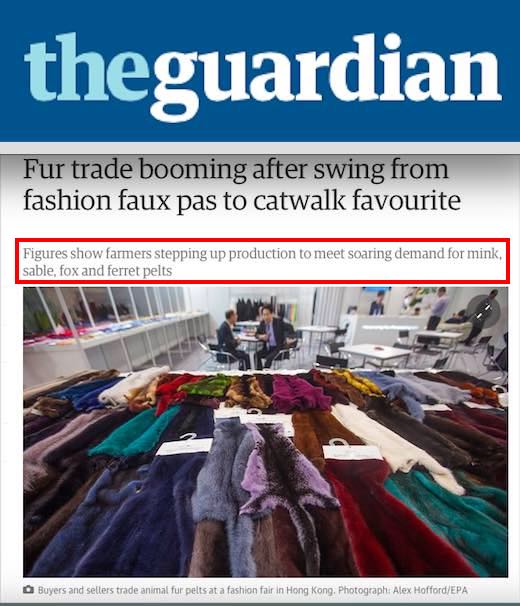
A 2015 article by the Guardian documented the rise of the fur industry.

A 2015 article published in the Guardian documented the rise of the fur industry.

“The fur industry’s statistics reflect what we’re seeing in the streets — that fur consumption is on the rise,” said Edita Birnkrant, Campaigns Director for Friends of Animals, an international animal advocacy group. “For the sake of the animals, we have to organize and take a more aggressive approach on their behalf.”

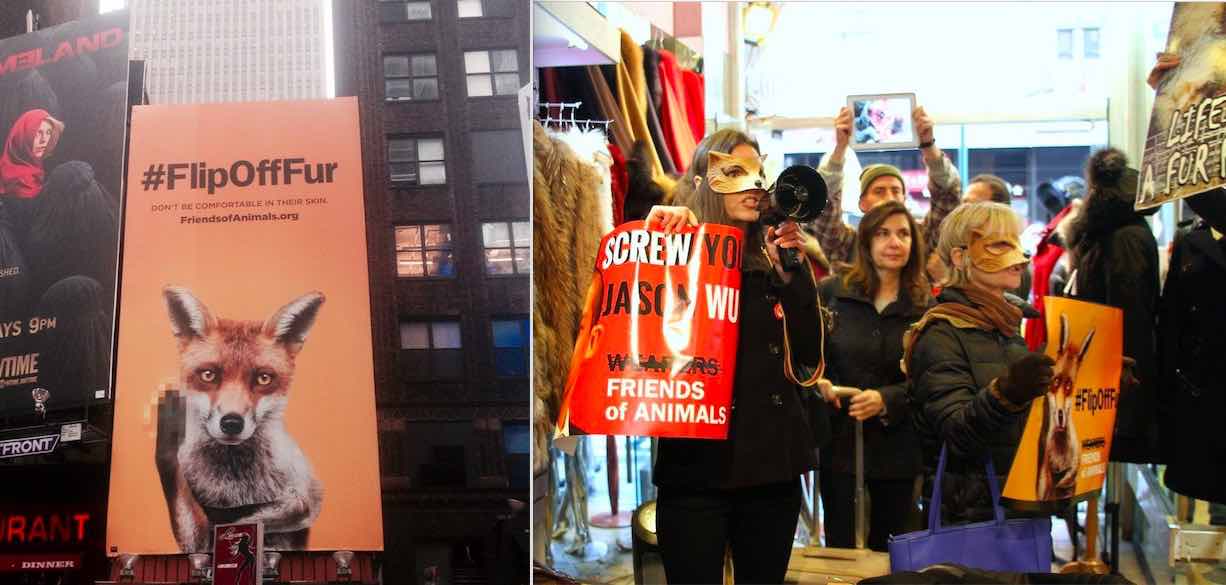
Friends of Animals holds in store protests and puts up anti-fur billboards.

Friends of Animals holds in store protests and puts up anti-fur billboards.

The increase in fur sales can be attributed to many variables, including high demand from China; the use of technology to make fur suitable for warm climates; the growing use of fur trim; the increased use of fur in men’s clothing; the growing practice of dying fur; and the consumption of fur among celebrities with a large social media following. According to Mark Oaten, CEO of the International Fur Federation, “…with this increase in demand, farmers are deciding to invest more in fur farms and increase production.”

Dying fur and the growing use of fur trim has led to an increase in fur sales and by extension in the number of fur farms.

Dying fur and the growing use of fur trim have led to an increase in fur sales and, by extension, the number of fur farms.

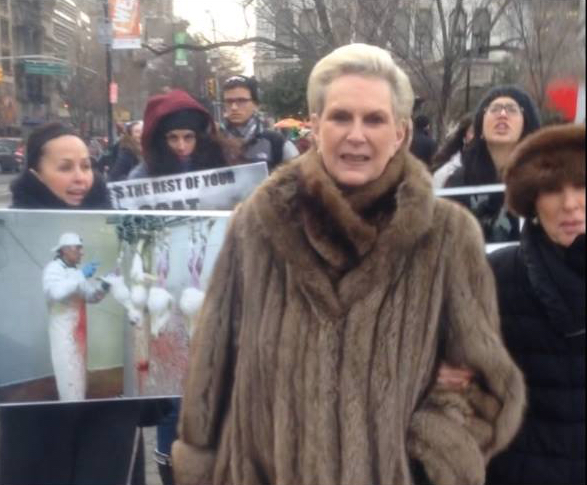
While the animal rights community appears to be losing the war against the fur trade (despite occasional victories), some activists have responded to the increased prevalence of fur by engaging in more provocative anti-fur tactics. During the past several winters, activists Robert Banks and Angela Dee from NYC, the nation’s fur capital (according to FICA), have posted videos on social media in which they publicly shame fur wearers. The videos, which also include graphic footage of animal cruelty in the fur industry, have garnered millions of views. “If people know that by wearing fur they are risking public humiliation, perhaps they will think twice before draping themselves in the skins of tortured and murdered animals,” said Robert Banks.

https://youtu.be/vVWSfGUmrsE

Many self-proclaimed animal rights activists have denounced their tactics, claiming that they are misogynistic. In response to this allegation, Angela Dee said “It is not our fault that most fur wearers are women. By this logic, shouldn’t protesting rape also be sexist since most rapists are men?”

anti-fur activists shaming two fur wearers

Anti-fur activists shaming fur wearers

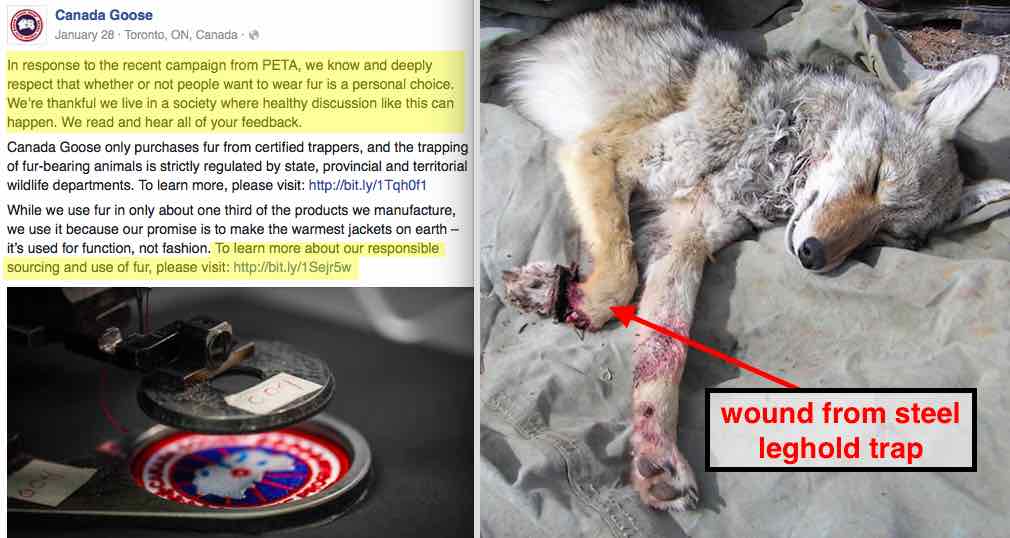
One of their videos has made an especially large impact. It shows a trapped coyote being shot dead juxtaposed with the logo of Canada Goose, a Canadian manufacturer of luxury apparel that uses real coyote fur. After being promoted by PETA, the video, which was viewed over 16 million times on Facebook, triggered a Twitter campaign. Canada Goose took notice and responded with a Facebook post stating, “In response to the recent campaign from PETA, we know and deeply respect that whether or not people want to wear fur is a personal choice…We read and hear all of your feedback.” Canada Goose also claimed that its fur is “responsibly sourced.”

Canada Goose responded to the video and PETA's campaign with a Facebook post

Canada Goose responded to the video and PETA’s campaign with a Facebook post

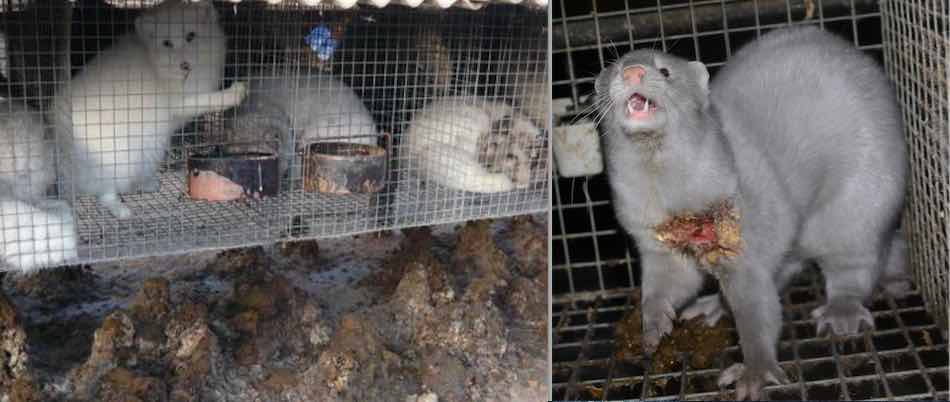
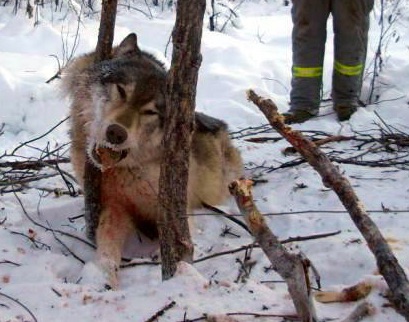
According to Born Free USA, a national animal advocacy organization, over 50 million animals are killed every year by the fur industry across the globe. Fur farmed animals spend their lives in small cages where they go insane from the stress of confinement and rarely receive veterinary care. The animals are killed in ways that are inexpensive and that do the least damage to their pelts — gassing, anal/vaginal electrocution, neck breaking, poisoning, or by bludgeoning them to death. Wild caught animals can suffer for days in painful traps and snares from exposure to the elements, hunger, and thirst before being shot or bludgeoned to death by a trapper. According to Born Free USA, the number of trappers in the U.S. has increased by 20% since 2004.

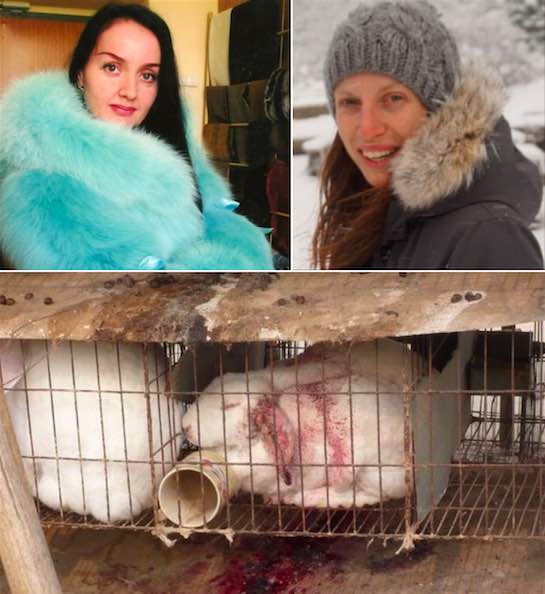
fur farmed animals spend their lives in filthy overcrowded cages and rarely receive veterinary care.

Fur farmed animals spend their lives in filthy, overcrowded cages and rarely receive veterinary care.

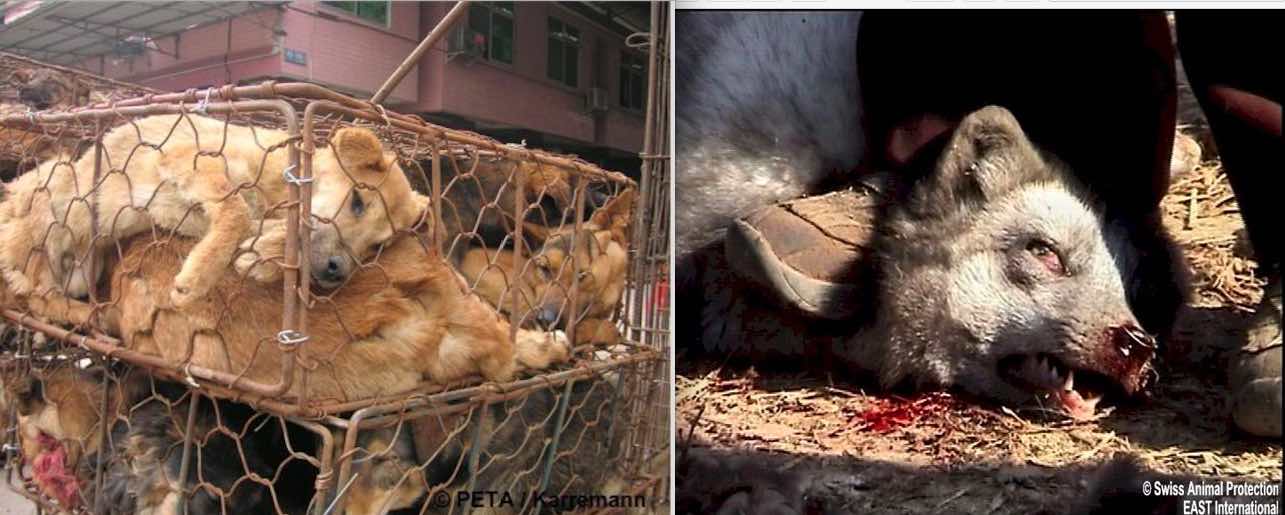
Most fur comes from China where animal protection laws are virtually non-existent. PETA undercover investigations on Chinese fur farms have revealed animals being skinned alive. They have also shown that dogs and cats are kidnapped and sold into the fur trade.

investigations on Chinese fur farms have revealed horrific cruelty and that dogs and cats are killed for their fur.

Investigations on Chinese fur farms have revealed horrific cruelty and that dogs and cats are killed for their fur.

Your Turn

  • Keep apprised of legislation that affects the fur industry and take action at Born Free.
  • To participate in anti-fur protests in your area please sign up to PETA’s action center.
  • Contact your House representative and ask him/her to co-sponsor the “Public Safety and Wildlife Protection Act” which would “ban the import, export, and interstate commerce of both steel-jaw leghold traps and Conifer traps,” two of the cruelest devices used to capture fur-bearing animals.
  • If you see someone wearing fur, film your encounter and post it on social media.

Endangered Species Under Attack

June 30, 2016 by 11 comments


The News

During the past several years, Congress has been waging a war on the Endangered Species Act (ESA), a federal law that has been instrumental in protecting animals (and plants) threatened with extinction. Between 2011 and 2015 alone, over 50 bills have been introduced, largely by Republicans, targeting the ESA.

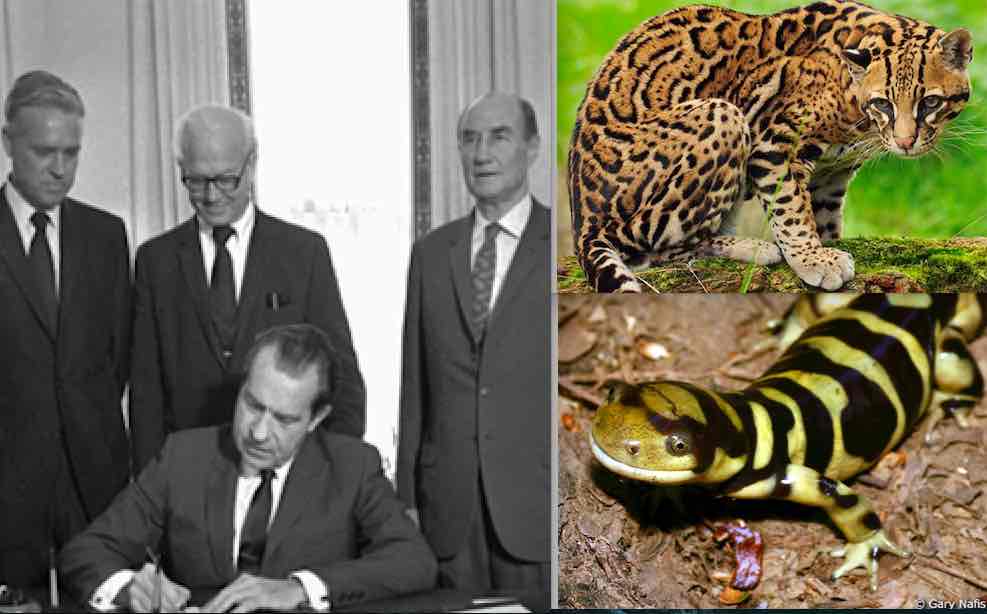
The Endangered Species Act, which was signed by President Nixon in 1973, protects species threatened with extinction such as the ocelot and the California tiger salamander.

In 1973, President Nixon signed the Endangered Species Act, which protects species threatened with extinction such as the ocelot (top) and the California tiger salamander (bottom). (tiger salamander photo: Gary Nafis)

The most recent bill, the “Endangered Species Management Self-Determination Act” (May 18, 2016), would do the following, if passed into law:

  • Delist a species after five years (ESA protection would only be reinstated by a joint resolution in Congress)
  • Remove ESA protection from all Puerto Rican and Hawaiian species
  • Remove ESA protection from species endemic to one state
  • Require approval by both the states and Congress to grant ESA protection to a species
  • Allow government officials to ignore petitions seeking the addition of a species to the endangered species list

Defenders of Wildlife, a U.S.-based conservation group, estimates that 900 species could lose their ESA protection if this bill is passed.

The crested honeycreeper (left) and the akekee (right), both from Hawaii, would lose their protection under the Endangered Species Management Self Determination Act.

The crested honeycreeper (left) and the akekee (right), both from Hawaii, would lose their protection under the Endangered Species Management Self Determination Act. (honeycreeper photo: Jack Jeffrey, akekee photo: Eric Vanderwer)

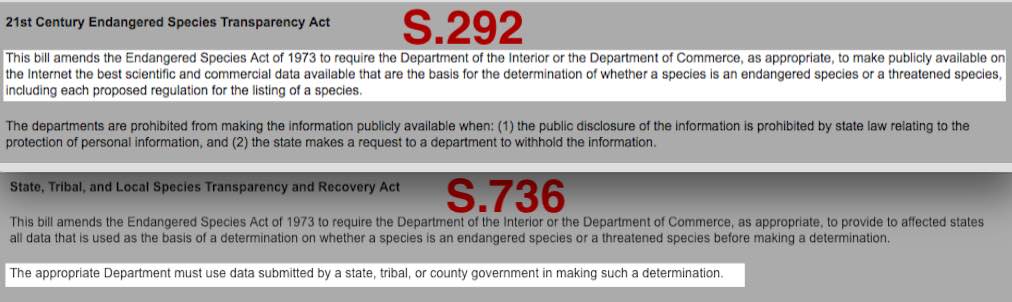
Other attacks on the ESA include bills that would require the U.S. Fish & Wildlife Service (FWS) to publicly share data on where endangered animals reside, including detailed maps (ex. S. 292) — information that would make poaching easier. Members of Congress have also introduced bills to sabotage the process of granting a species protection by requiring the inclusion of inaccurate/outdated data (provided by state governments) in the decision-making process (ex. S. 736). Another commonly used Congressional tactic is to limit funds for upholding the ESA.

The introduced bills S.292 and S.736 both attempt to weaken the Endangered Species Act.

S.292 and S.736 attempt to weaken the Endangered Species Act.

Over 100 bills have been introduced targeting individual species. Three recent bills, when combined, would prevent grey wolves from being listed as endangered or threatened in six states. Management of the grey wolf populations would also be returned to the states, a move which has, in the past, led to mass slaughter.

When Wyoming gained control of its grey wolf population in 2012 over 200 wolves were killed.

When Wyoming gained control of its grey wolf population in 2012 over 200 wolves were killed.

Another bill – the “Mexican Wolf Transparency and Accountability Act” – would remove virtually all protections for the Mexican grey wolf, a species rescued from near extinction by a tedious captive breeding program spanning almost 40 years. Only around 100 wild Mexican grey wolves remain in the United States (primarily  in Arizona and New Mexico).

The Mexican grey wolf was rescued from extinction by a captive breeding program but is now at risk of loosing nearly all its government protection.

The Mexican grey wolf was rescued from extinction by a captive breeding program but is now at risk of losing nearly all its government protection. (Jim brandenburg/ Minden)

On May 24th, representative Ken Calvert introduced legislation to permanently prevent the greater sage grouse from being listed under the ESA.

On May 24th, representative Ken Calvert introduced legislation to permanently prevent the greater sage grouse from being listed under the ESA. (Danita Delimit)

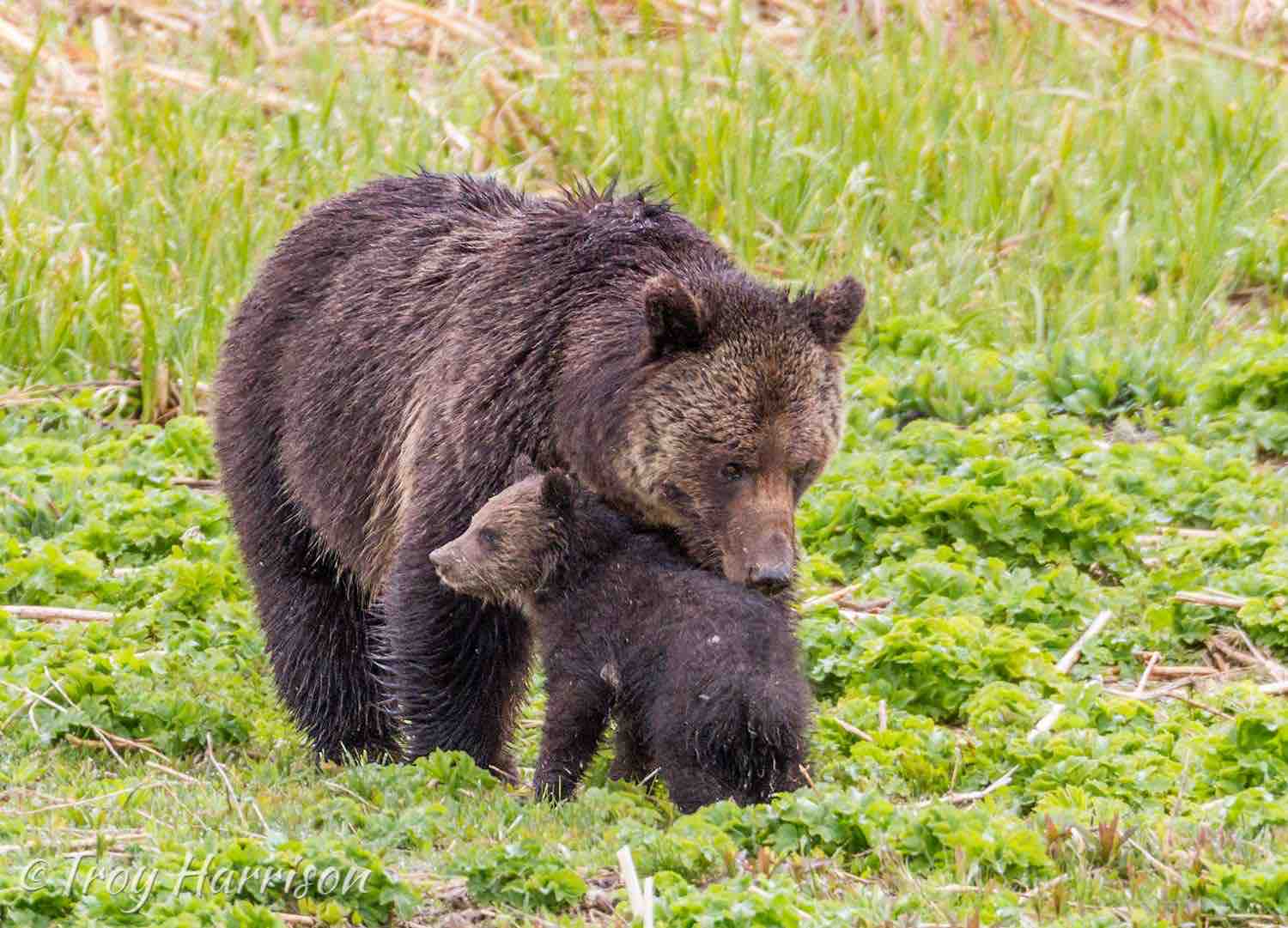
In March 2016, the FWS announced that it is planning to remove ESA protection from Yellowstone grizzly bears, even though the population consists of only about 700 animals.

Grizzly bear nuzzling her cub in Yellowstone National Park.

Grizzly bear and her cub in Yellowstone National Park (Troy Harrison).

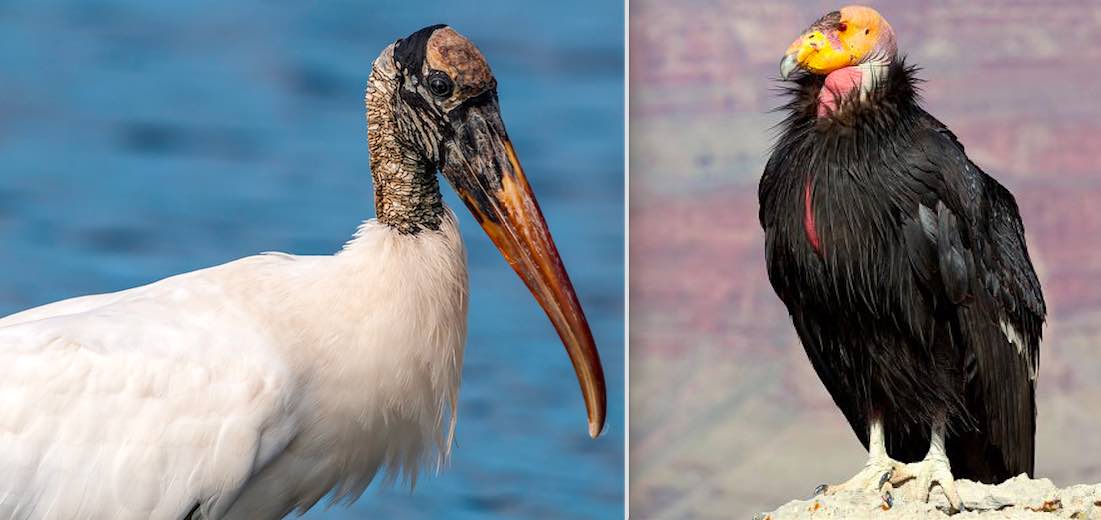
Attempts to weaken the ESA are especially troubling in light of how effective it is. For example, a recent study conducted by the Center for Biological Diversity found that 85% of continental U.S. birds protected under the ESA have increased or stabilized their populations since receiving protection. The recovering bird species range from Puerto Rican parrots and Californian Condors to wood storks and Kirtland’s warblers. The wood stork’s population, in particular, jumped from 29 nesting colonies in 1984, when it was listed under the ESA, to over 10,000 in 2015.

Both the California condor and the woodstork have benefited tremendously from the Endangered Species Act.

Both the California condor (right) and the woodstork (left) have benefited tremendously from the Endangered Species Act. (woodstork photo: Stephen L. Tabone)

Your Turn

To learn more about Congress’s attempts to weaken the ESA, please visit Center for Biological Diversity

Please take the following steps to help safeguard the Endangered Species Act and the animals that it protects:

  • To find out more about federal and state bills that could affect wild animals and the ways in which you can help to pass or defeat them, please visit Born Free USA
  • To find out about federal and state bills that could affect all animals, including endangered species, and the ways in which you can help to pass or defeat them, please visit Humane Society of the United States

Jenny’s Aha Moment

June 29, 2016 by 5 comments


The News

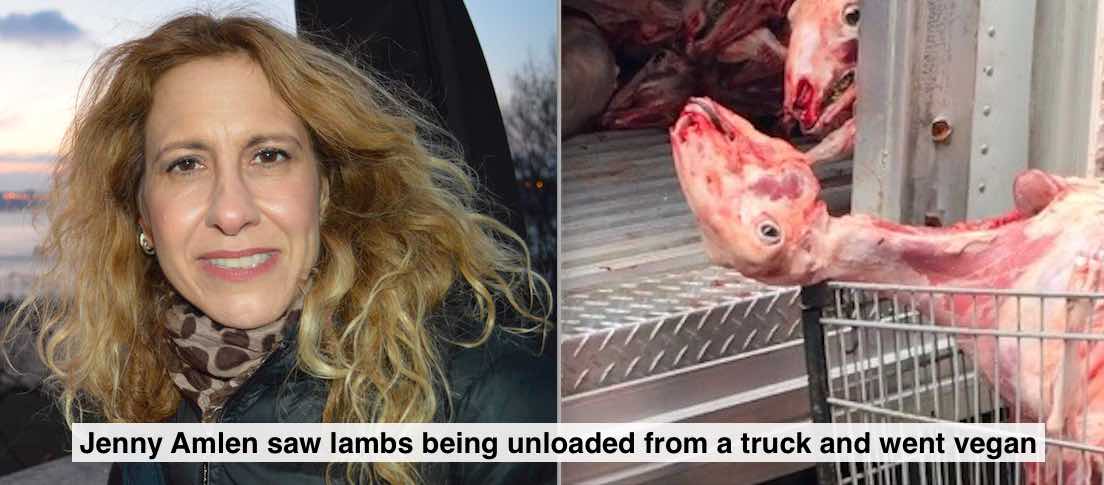
While eating in a restaurant in Brooklyn, Jenny Amlen saw skinned lambs being unloaded from a nearby truck. At that moment, she made the connection between the burger on her plate and the animal who was killed for it.

“I saw almost 100 slaughtered lambs being thrown into a shopping cart in broad daylight. I saw their eyes, and it was devastating, shocking and heartbreaking. I thought then that they were mothers, fathers, sisters, brothers just like us,” said Jenny Amlen. “Honestly, it reminded me of the Holocaust. It was just lambs instead of humans.”

Jenny sent the video footage to TheirTurn and said that the incident prompted her to go vegan.

Jenny Amlen saw skinned lambs being unloaded from a truck and decided to go vegan.

Jenny Amlen saw skinned lambs being unloaded from a truck and decided to go vegan.

Your Turn

To order a free vegan starter kit please visit PETA


Animal Advocates Protest MetLife Shareholders Meeting Over Chimp Abandonment Scandal

June 23, 2016 by 1 comment


The News

As part of an ongoing campaign to demand that MetLife hold the NY Blood Center (NYBC) accountable for abandoning its former lab chimpanzees on islands in Liberia, animal advocates protested at the company’s annual shareholders meeting in New York City.

“If MetLife prides itself on ‘corporate responsibility,’ then how can it possibly turn a blind eye to NYBC’s unconscionable decision to leave 66 chimps to starve to death?,” says protester Elena Natale. “We hope that MetLife will meet with the animal advocacy community to discuss this crisis.” MetLife is NYBC’s largest corporate donor.

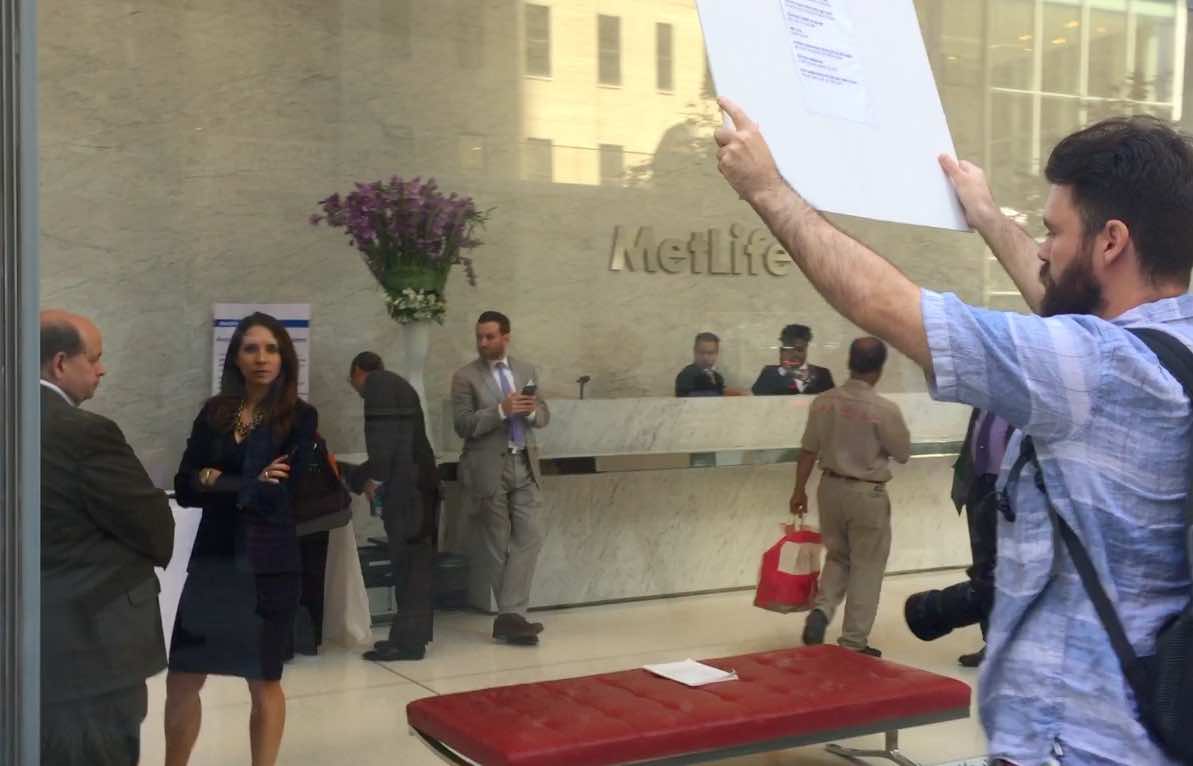
Activists protest the MetLife shareholders meeting.

Activists protest the MetLife shareholders meeting.

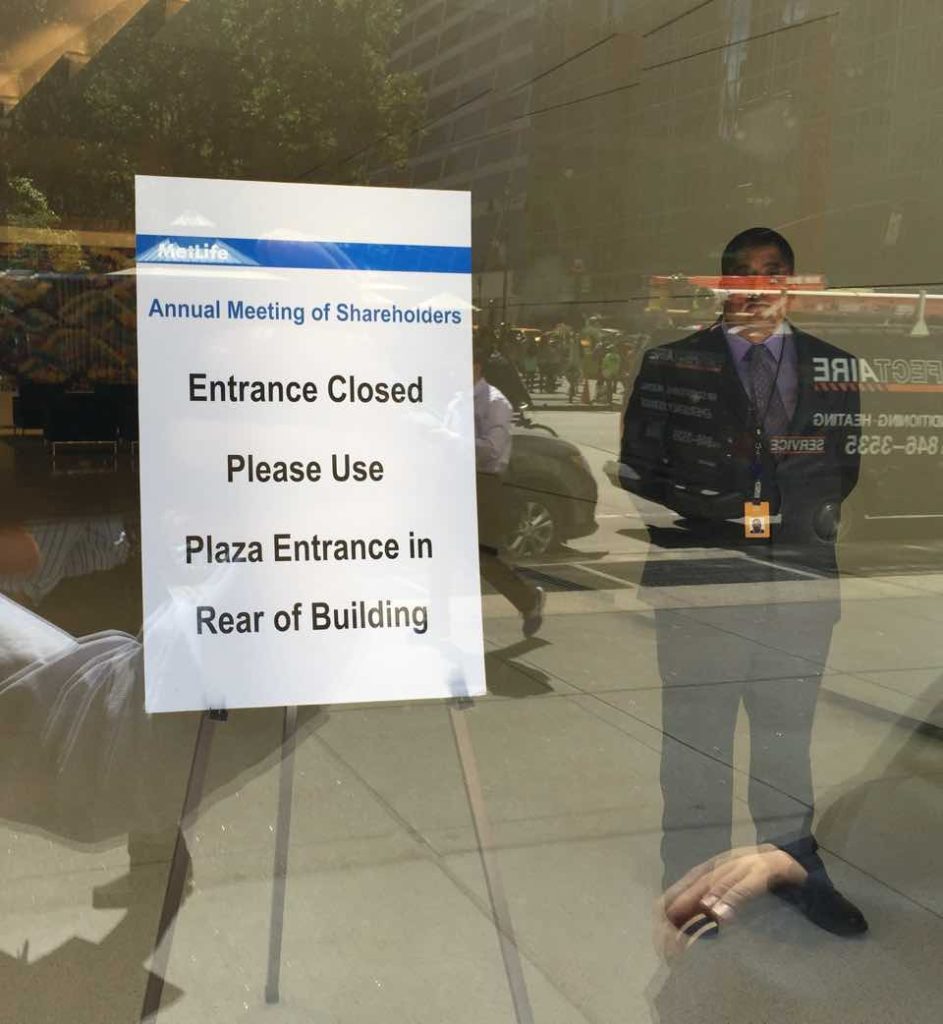
In an apparent effort to curb interactions between protestors and shareholders, MetLife closed the main entrance to its building and rerouted meeting attendees to the back door.

The MetLife building's front door was locked in anticipation of the protest.

MetLife closed the front entrance to its building in anticipation of the protest.

Activists, unwilling to stay penned near the front entrance, exited the barricades errected by the NYPD and moved the protest to the back entrance.

Animal rights protestor at MetLife shareholders meeting.

Animal rights protestor at MetLife shareholders meeting

In November, 2015, primatologist Bob Ingersoll traveled from San Francisco to NYC to hand-deliver a petition to MetLife asking the company to cut its support of NYBC until the organization reinstates funding for the chimps. While a representative from MetLife did collect the petitions from him in the lobby, neither she nor anyone else from the company responded to him.

Primatologist Bob Ingersoll delivers petitions to a MetLife representative.

Primatologist Bob Ingersoll delivers petition to a MetLife representative.

On April 26, activists staged a 30-minute disruption in the lobby of the MetLife building during rush hour. Two weeks later, they protested at the NJ home of MetLife CEO Steven Kandarian. To date, MetLife has ignored all of the protests and the efforts to open a dialog regarding the plight of the chimps.

Activists protest at the home of MetLife's CEO in Summit NJ and at its headquarters in NYC.

Activists protest at the home of MetLife’s CEO in Summit, NJ, and at its headquarters in NYC.

Former NYBC donor Citigroup, on the other hand, did respond to the pleas of animal advocates by issuing a public statement asserting that “the current situation is not tolerable” and donating $50,000 towards the care of the chimps.

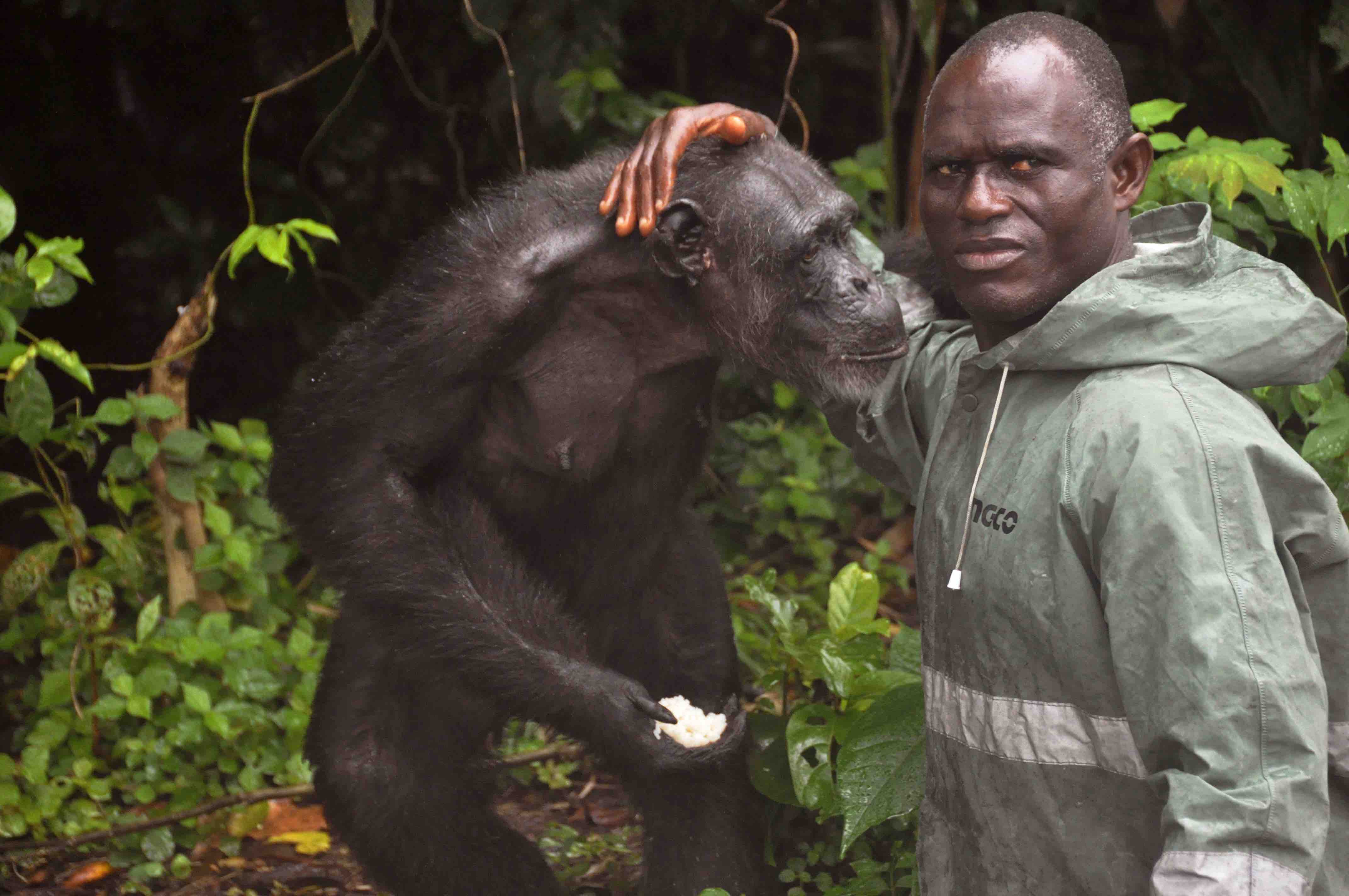
In May, 2015, the NY Times reported that NYBC had “withdrawn all funding for them,” leaving the chimps to die of starvation and thirst. In order to keep the chimps alive, Liberians who had been employed by the blood center to deliver food and water, began to care for them on a volunteer basis. With virtually no resources and burdened by the Ebola outbreak in Liberia, these volunteers kept the chimpanzees alive until an HSUS-led coalition of over 30 animal conservation groups raised funds from the public to pay for the chimps’ care on an emergency basis — until NYBC reinstates funding.

A chimpanzee abandoned by the NY Blood Center with a Liberian caretaker.(AP Photo/ Abbas Dulleh)

A chimpanzee abandoned by the NY Blood Center with a Liberian caretaker. (AP Photo/ Abbas Dulleh)

The New York Blood Center, which has earned an estimated $500 million in royalties off of the research conducted on the chimpanzees, has publicly stated that it has no “contractual obligation” to pay for the chimps’ food and water and has shifted the financial burden of caring for their captive chimp population to the animal welfare community.

A chimpanzee abandoned by the NY Blood Center receives water from a local volunteer.

A chimpanzee abandoned by the NY Blood Center receives water from a local volunteer.

Your Turn

Sign the Care2 petition to MetLife, NYBC’s largest corporate donor.

Join the Facebook page: New York Blood Center: Do the Right Thing to stay apprised of news and to participate in online actions to pressure NYBC board members to fulfill their promise to provide lifelong care to their laboratory chimps.

Use the tweet sheet to contact MetLife, NYBC and their stakeholders.

Follow TheirTurn on Twitter, and follow “Save NYBC Chimps”on Instagram and Twitter.