Their Turn - The Social Justice Movement of Our Time Their Turn - The Social Justice Movement of Our Time

SeaWorld’s Plunge Demonstrates Potential of Animal Rights Movement

November 16, 2014 by Leave a Comment


The News

The documentary film Blackfish sparked a movement to free catpive whales that has spread like wildfire into the mainstream public. As SeaWorld attempts to douse the flames in an effort to protect the multi-billion dollar empire it built on the backs of orcas, a shareholder lawsuit against the company is fanning them to greater heights. In 2014, SeaWorld stock has dropped about 50%, and attendance is down almost 5%.
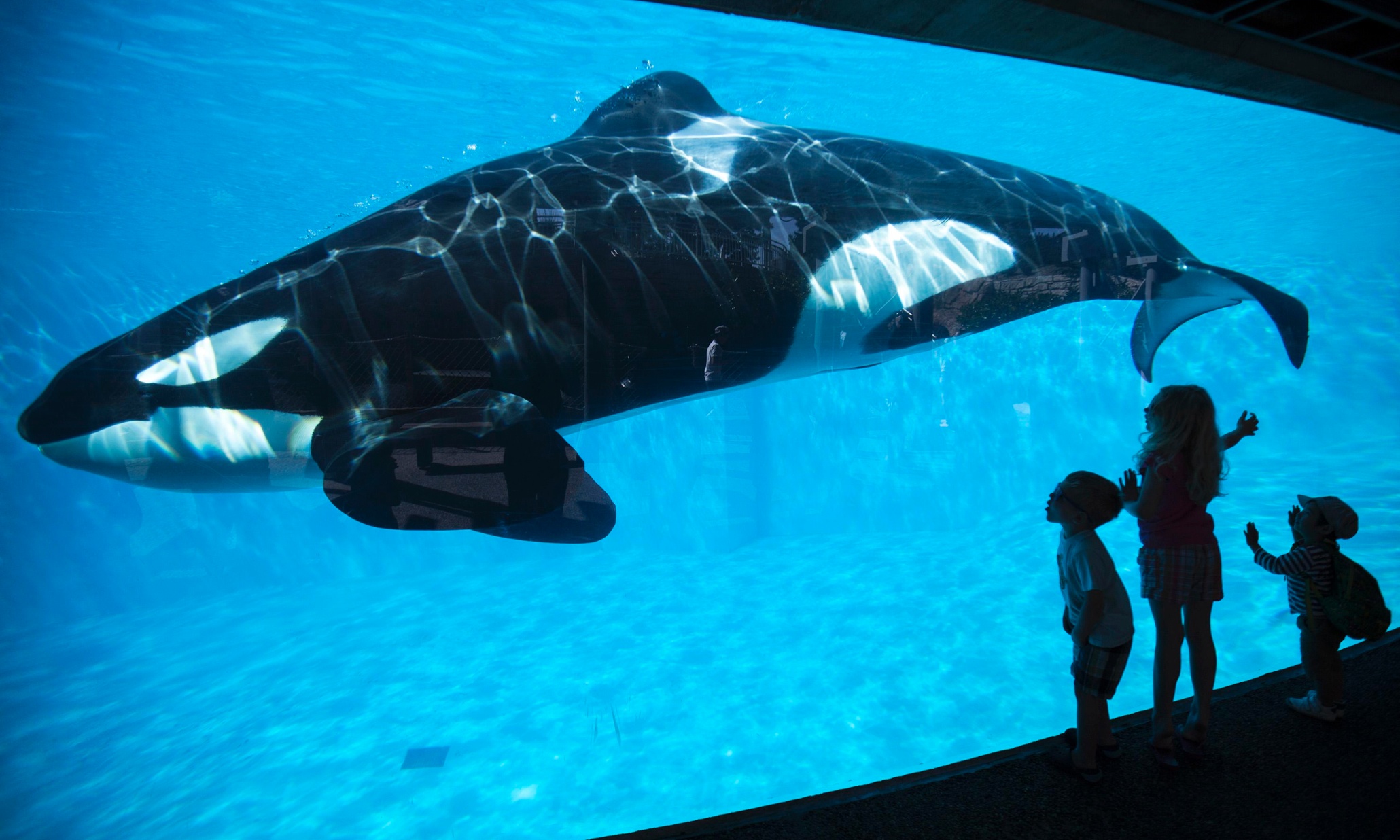
SeaWorld San Diego (photo: Mike Blake/Reuters)

SeaWorld San Diego (photo: Mike Blake/Reuters)

How did SeaWorld’s stock price, reputation and popularity decline so quickly? It was the combination of a killer documentary that aired on mainstream TV (CNN) and a relentless campaign by animal rights activists worldwide to expose the cruelty of orca captivity. The animal rights community is bringing SeaWorld to its knees.

As SeaWorld puts bandaids on the gaping wound of orca exhibits, such as announcing plans for bigger tanks, activists are ratcheting up the campaign against the company.
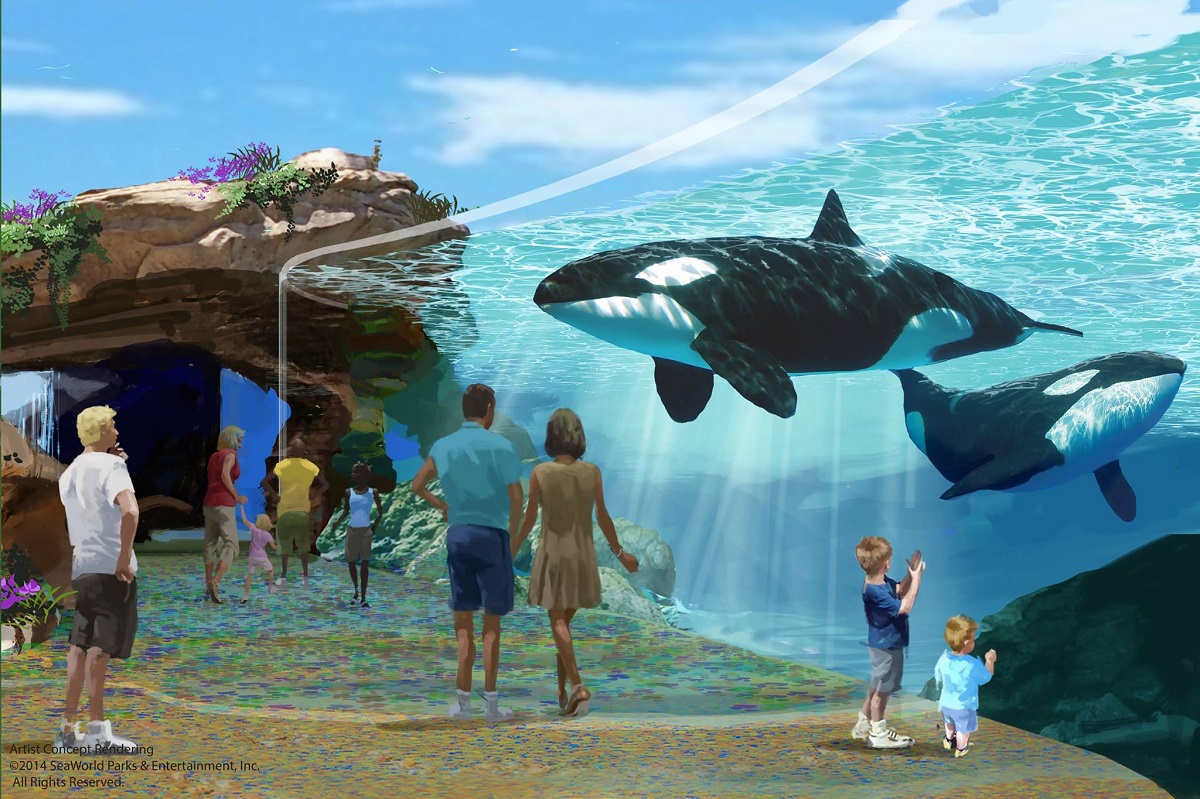
Wild orcas can swim up to 100 miles/day

Wild orcas  swim up to 100 miles/day

In the streets, protests are being staged at SeaWorld parks; at parades which feature SeaWorld floats; and at meetings with SeaWorld executives. A massive protest at the Miami Seaquarium, where the orca Lolita lives by herself in the smallest enclosure in the country, is planned for January 17th, 2015. Already, almost 500 people have signed up to participate.

Photo: Reuters/Shannon Stapleton

Photo: Reuters/Shannon Stapleton

The battle to liberate captive orcas is reminiscent of the campaign to legalize gay marriage. On both issues, activists have relentlessly educated the public about an injustice, and they have complimented that effort with litigation, lobbying and street activism. It is because of activists that gay marriage is a foregone conclusion in the United States, and it is because of activists that orcas captivity will be outlawed.

Approximately 52 orcas are being held captive in aquariums in the U.S., Argentina, France, Spain, China, Japan and Russia. Coastal sanctuaries can accommodate these orcas when they are liberated.

Your Turn

Urge Macy’s to cancel SeaWorld’s float it the Thanksgiving Day Parade

To find out how you can lend your voice to captive orcas, please visit Blackfish.


Filed under: Entertainment, WIldlife
Tagged with: , , ,

Virunga!

November 11, 2014 by Leave a Comment


Opinion

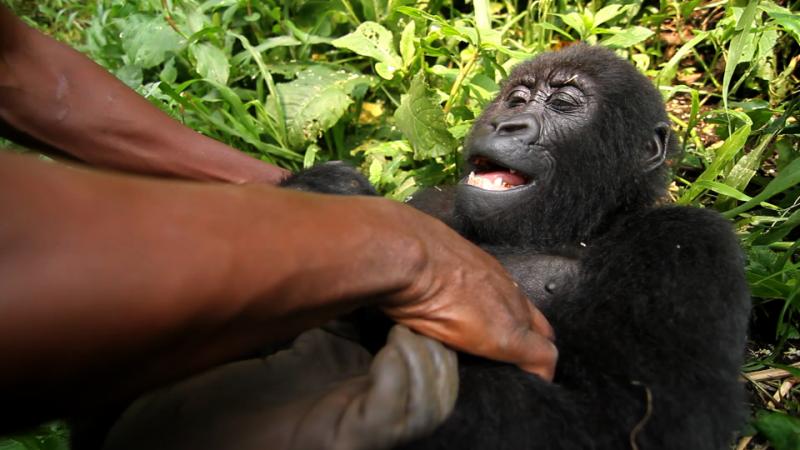
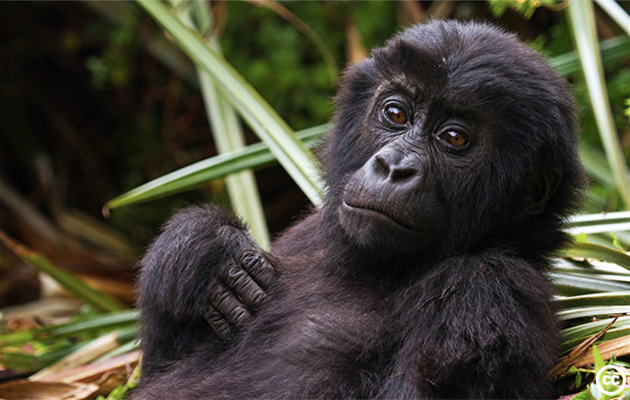
It has all the trappings of a thriller, but, like The Cove, it’s a real-life documentary that exposes the plight of one of the planet’s most beloved and intelligent animals. The film is called Virunga, and the animals are the majestic mountain gorillas.

Photo: Virunga Movie

Photo: Virunga Movie

On one side, a British energy corporation called Soco bribes government officials in the war-torn Congo so that it can explore for oil in a protected national park called Virunga. On the other side are locals who risk – and often lose – their lives to protect the park, which is their lifeline. Caught in the crossfire are some of Africa’s last remaining mountain gorillas.

Because tourists are willing to spend hundreds of dollars a day to see them, gorillas, along with many other animals in the park, are a priceless renewable resource for the communities around Virunga. But Soco and the officials they bribe appear willing to destroy the park to make a quick buck off of a finite amount of oil.

Photo: WWF

Photo: WWF

Among the many extraordinarily people in the film is a French journalist, who, wearing a hidden camera, films Soco executives making bribes and threatening those who oppose oil exploration in the park. In a particularly jarring moment, a member of the British entourage said, “I can’t believe that people are protecting the park just for monkeys. Who cares about fucking monkeys?”

Photo: Joe McKenna

Photo: Joe McKenna

The world’s last 950 mountain gorillas live in the Democratic Republic of Congo, Rwanda and Uganda. In spite of sporadic civil unrest, gorilla tourism is returning to the Congo. And it is thriving in Rwanda and Uganda. In this video, wild gorillas wander onto the grounds of a tourist lodge in Uganda and give an unsuspecting guest the encounter of a lifetime.

Your Turn

To find out how you can help save the remaining mountain gorillas, please visit Virunga Movie, which is now available on Netflix.


Filed under: Opinion, WIldlife
Tagged with: , ,

America’s Captive Tiger Crisis

November 4, 2014 by Leave a Comment


The News

Recent attacks on humans by captive tigers in India, China, Australia and Singapore have shined an international spotlight on the danger and cruelty of keeping one of the planet’s top predators in captivity. In the United States, captive tigers and other big cats have, in the past twenty-four years, killed four children and eight adults.

According to the World Wildlife Fund, approximately 5,000 tigers are being held captive in the United States. Six percent of them reside in zoos and similar accredited facilities. The remainder are warehoused in squalid cages in backyards, unaccredited zoos, sideshows, circuses, private breeding facilities, and even a roadside truck stop.

Tiger in NYC apartment

Tiger in NYC apartment

Thirty-two states have banned private ownership of tigers; 10 require a license; and eight states have no regulation. What little regulation does exist to prohibit and protect big cats in captivity is often unenforced. A federal bill to ban the private possession and breeding of big cats – The Big Cats and Public Safety Protection Act – has 114 co-sponsors in the House of Representatives.

https://youtu.be/q-xN0HmXqrk

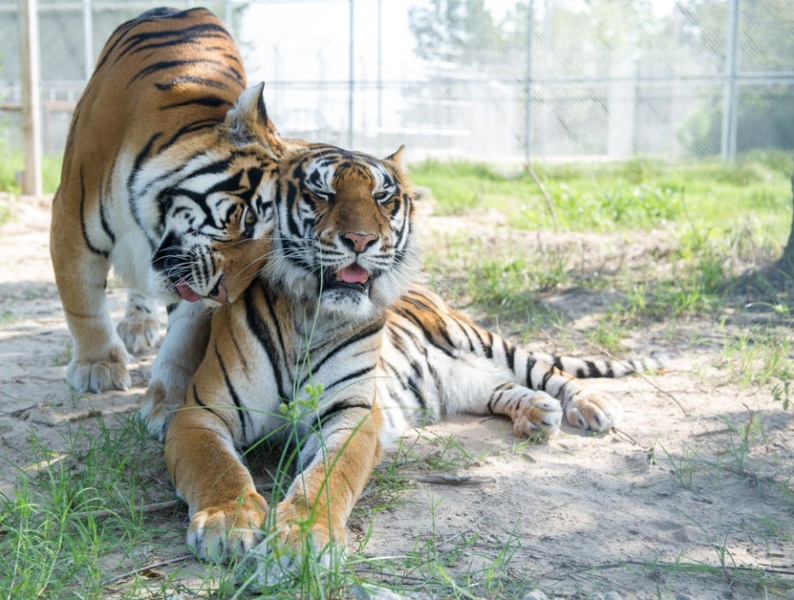
Of the 5,000 captive tigers in the U.S., only a lucky few will be rescued and relocated to sanctuaries where their needs take priority. In October, four tigers hit the feline lottery with the opening of a new habitat at the Cleveland Amory Black Beauty Ranch in Texas. Ben Callison, director of the Ranch, speaks to Jane Velez Mitchell about the new sanctuary and big cat captivity:

Anastasia & Natalia at Black Beauty Ranch. (Photo: Brandon Wade/HSUS)

Anastasia & Natalia at Black Beauty Ranch. (Photo: Brandon Wade/HSUS)

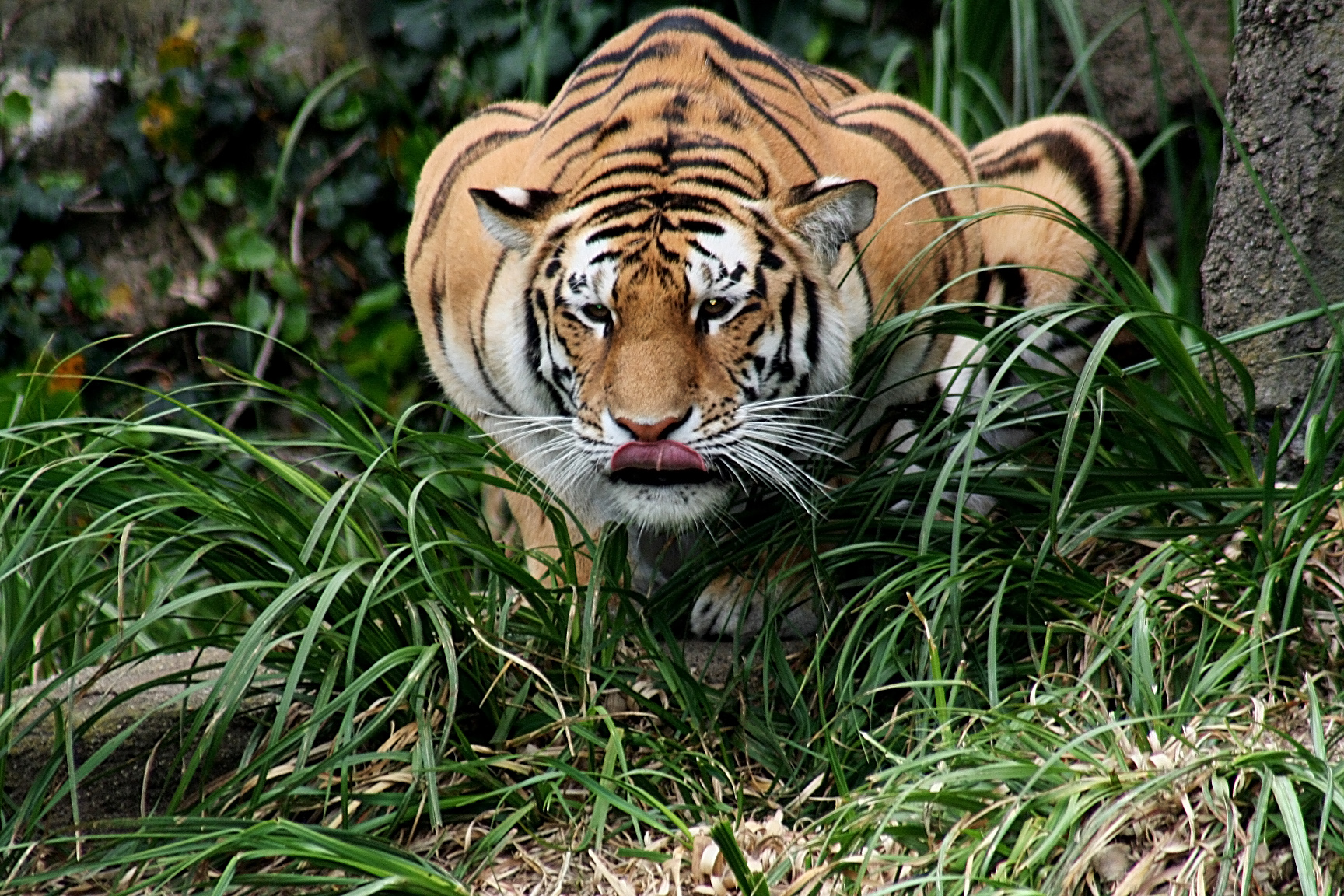
Even the best of sanctuaries, however, cannot meet the needs of nature’s top predators. In the wild, tigers carve out large territories based on the availability of prey animals and mating partners. They hunt and, in spite of the fact that they are solitary animals, they sometimes share their kill with other tigers. The run 30 – 40 mph, and they can swim up to 18 miles a day.

Tiger on the hunt

Tiger stalking her prey

Your Turn

Contact your U.S. representative and Senators to ask them to support The Big Cats and Public Safety Protection Act.

Please learn more about why holding wild animals captive is cruel; boycott zoos and circuses; and speak out.

Please visit Cleveland Amory Black Beauty Ranch’s website to learn more about the tiger sanctuary and support their efforts to provide sanctuary to animals rescued from captivity.


Filed under: Entertainment, WIldlife
Tagged with: , , , , ,

Aquarium Has Been Hiding Two Captured Orcas in Temporary Tanks For Ten Months

October 27, 2014 by Leave a Comment


The News

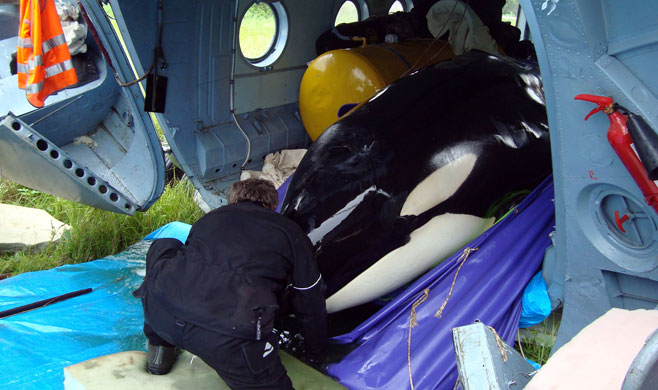
In December 2013, the Russian company VDNKh Park packed two killer whales into crates at the East end of the country and flew them 10 hours to Moscow to be displayed in an aquarium being built in the city.

In 2012, Namia is transported after being captured(photo: Russianorca.com)

In 2012, Namia is transported after being captured (photo: Russianorca.com)

More than 10 months later, the five and seven year old orcas are languishing in a temporary holding tank that are only 82 feet in diameter because the aquarium’s orca enclosure is still under construction and isn’t expected to be completed until early 2015. According to the Moscow Times, Russian police have refused to open a case on behalf of the orcas because the tank doesn’t meet the country’s definition of cruelty to animals.

Rusty temporary holding tank

Rusty temporary holding tank

Inflatable bubble covers tanks

Inflatable bubble covers tanks

The Russian animal rights group VITA says that guards and customers of a nearby exhibition center have, for months, reported “horrible sounds” and “cries” of killer whales. In spite of substantive evidence and a police report stating that the orcas are being held at this location, the aquarium has denied their presence — until yesterday, when video was released. Now, they are stating that the orcas were held secretly to that Muscovites would be surprised when they arrived at the aquarium.

The Director of the Far East Orca Russia Project (FEROP) says that holding killer whales in these circumstances is “completely abnormal” and that “we have no setting in Russia for keeping killer whales in captivity.” Other experts say that holding orcas captive can shorten their life and make them dangerous, as demonstrated in the documentary film Blackfish.

Your Turn

In light of the fact that an orca enclosure is being built at the new Moscow aquarium, Russia isn’t going to return these animals to their pod in the wild unless the world unites behind these orcas. Please sign the Take Part petition and PETA’s form letter to the Russian Ambassador to the UK asking for the orcas to be released back into the wild.

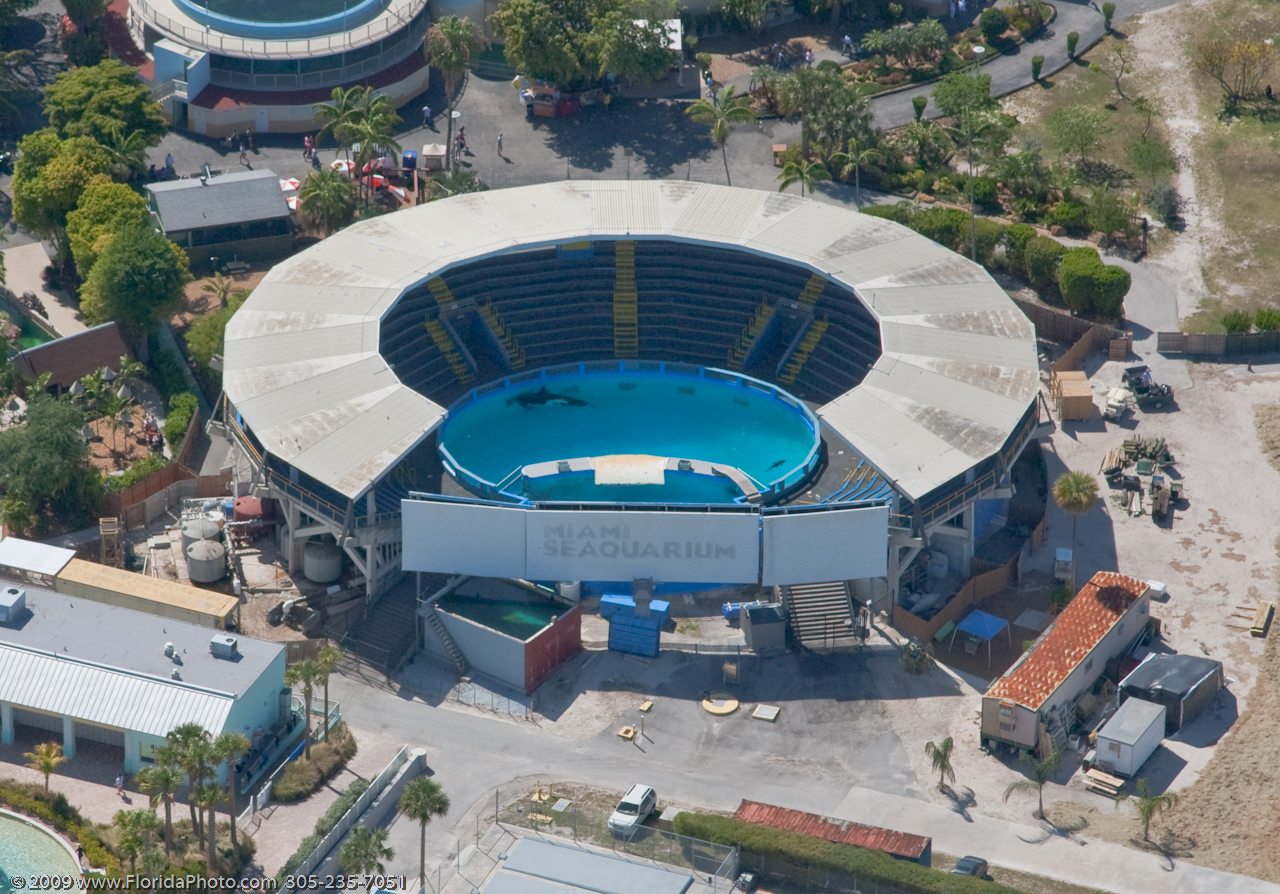
For the past 44 years, an orca named Lolita has been held captive at the Miami Seaquarium in a 60′ by 80′ pool, the smallest orca enclosure in the United States. For the first ten years of her captivity, Lolita had an orca companion named Hugo. In 1980, Hugo repeatedly smashed his head against the wall until he died. Lolita has been alone for 34 years.

Seaquarium-Lolita

Lolita has lived in a small, barren tank for 44 years

A massive march to free Lolita and return her to her to the wild will take place next to the Seaquarium on January 17th. Please share this information with your friends in Florida.


Filed under: Entertainment, WIldlife
Tagged with: , , , , , , ,

Zoo Visitor Crushes Tasmanian Devil in His Small Enclosure

October 21, 2014 by Leave a Comment


The News

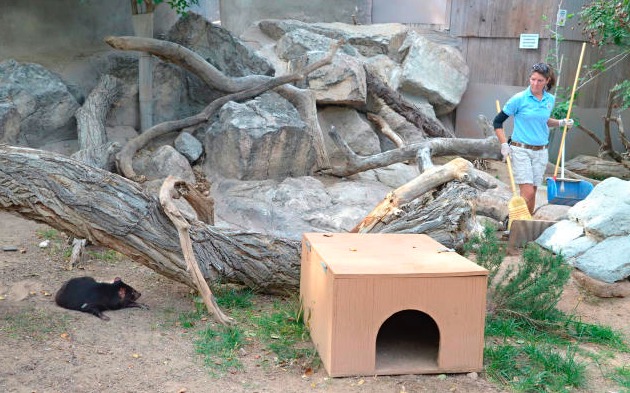
A Tasmanian devil crawled into his enclosure and died after a visitor crushed him with a block of asphalt at the Albuquerque Zoo in New Mexico. With no surveillance cameras at the devil exhibit, law enforcement probably won’t find the killer.

photo: Dean Hanson/Albuquerque Journal

photo: Dean Hanson/Albuquerque Journal

A spokesman for the local Mayor said that “our poor Tasmanian devil was killed, intentionally, by what seems to be blunt force trauma to the head.”

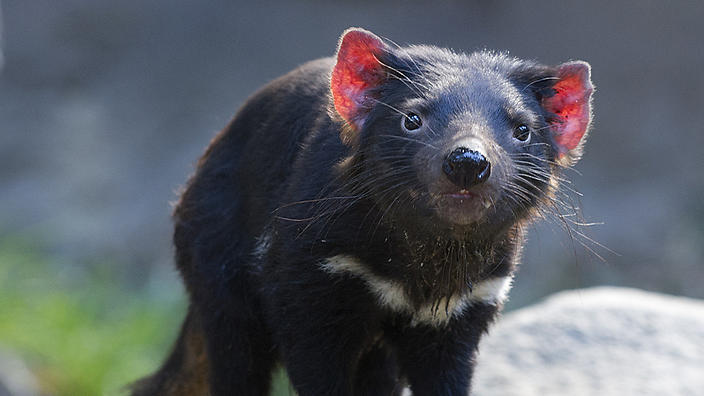
Photo: AAP/Dave Hunt

Photo: AAP/Dave Hunt

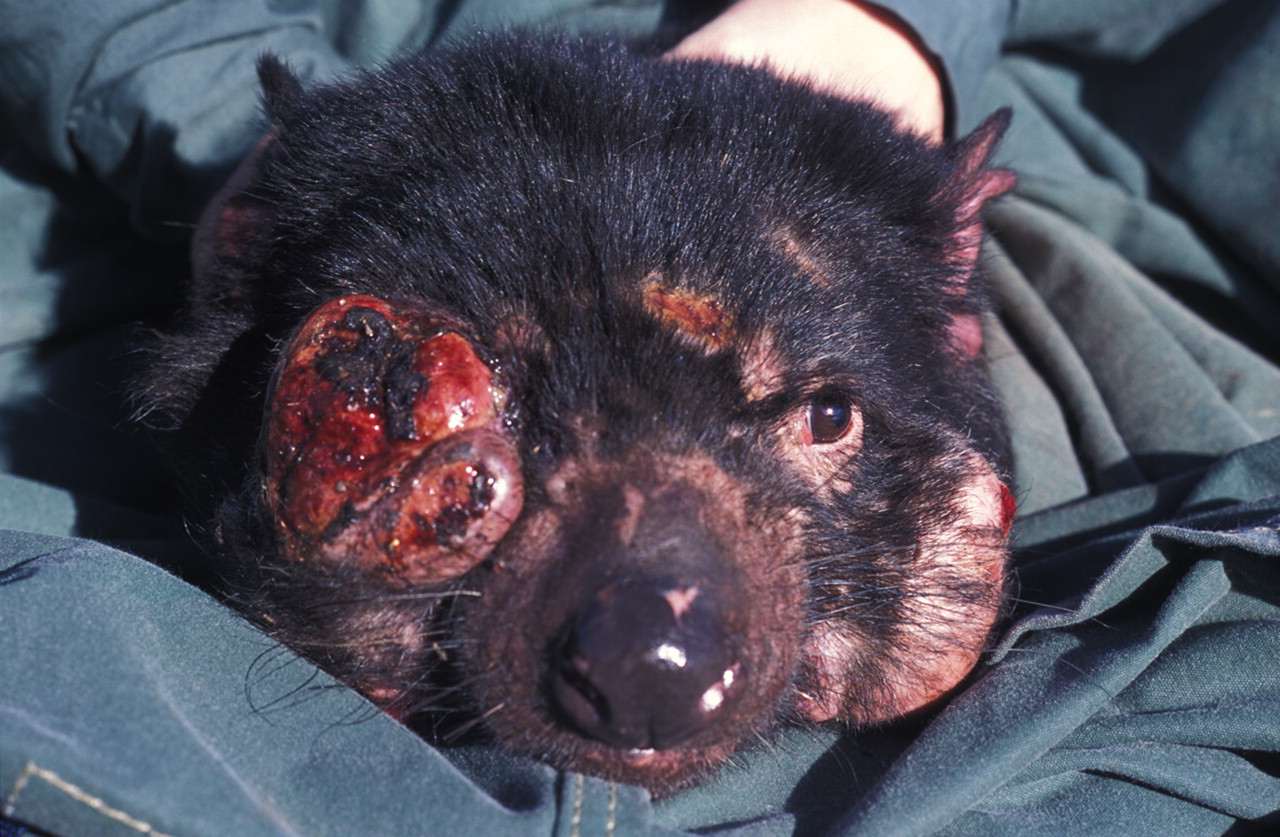
Jasper, one of four devils acquired by the zoo several months ago, came from the Healesville Sanctuary, a zoo in Australia. Healesville is attempting to breed several thousand devils in captivity for eventual release because the wild population in Tasmania is being decimated by a contagious facial cancer.

Contagious facial tumor

Contagious facial tumor

In the wild, Tasmanian devils, who are nocturnal, swim across rivers, hunt, eat with other devils, climb trees, run exceptionally fast and have complex sex lives. Captivity can’t possibly meet the instinctual needs of these animals, but, at the moment, it might be their only chance at survival.

tasmanian devil screech

Devils are famous for their strong bite and blood-curdling screech

Opinion

After a three-week old tiger drowned at the London zoo in 2012, PETA called for a boycott, describing the zoo as a “prison with living exhibits.” The zoo director, David Field, defended captivity, saying “Conservation breeding programmes are the only way to ensure a future for these animals.”

If members of a species are forced to sacrifice their freedom to help to conserve the entire species, then they should at the very least be housed in sanctuaries. Zoos are inherently inhumane, and they teach children that animals are exhibits, not individuals who want to live freely.

Your Turn

The ideal way to preserve wildlife is to support the work of groups like Sea Shepherd that protect animals in their own habitats.


Filed under: Entertainment, WIldlife
Tagged with: , , , ,