Chanting “Mary Bassett: Do Your Job,” approximately 25 activists raced into the headquarters of the NYC Department of Health (DOH) and staged a protest in the lobby to demand that DOH Commissioner Mary Bassett enforce the seven public health codes violated during Kaporos, a ritual sacrifice during which an estimated 60,000 chickens are illegally slaughtered on public streets. Hundreds of DOH employees witnessed the disruption, which took place during the afternoon rush hour.
“We want DOH employees to know that, by turning a blind eye to the health code violations, Mary Bassett is endangering the health of New Yorkers, who are needlessly exposed to the many pathogens and toxins that are spread when farm animals are slaughtered in the streets,” said Nathan Semmel, an advocate working to end the use of chickens during Kaporos.
Activists protest Dr. Mary Bassett, the Commissioner of the NYC Dept of Health, over her refusal to enforce the 7 health codes violated during an annual ritual animal sacrifice called Kaporos.
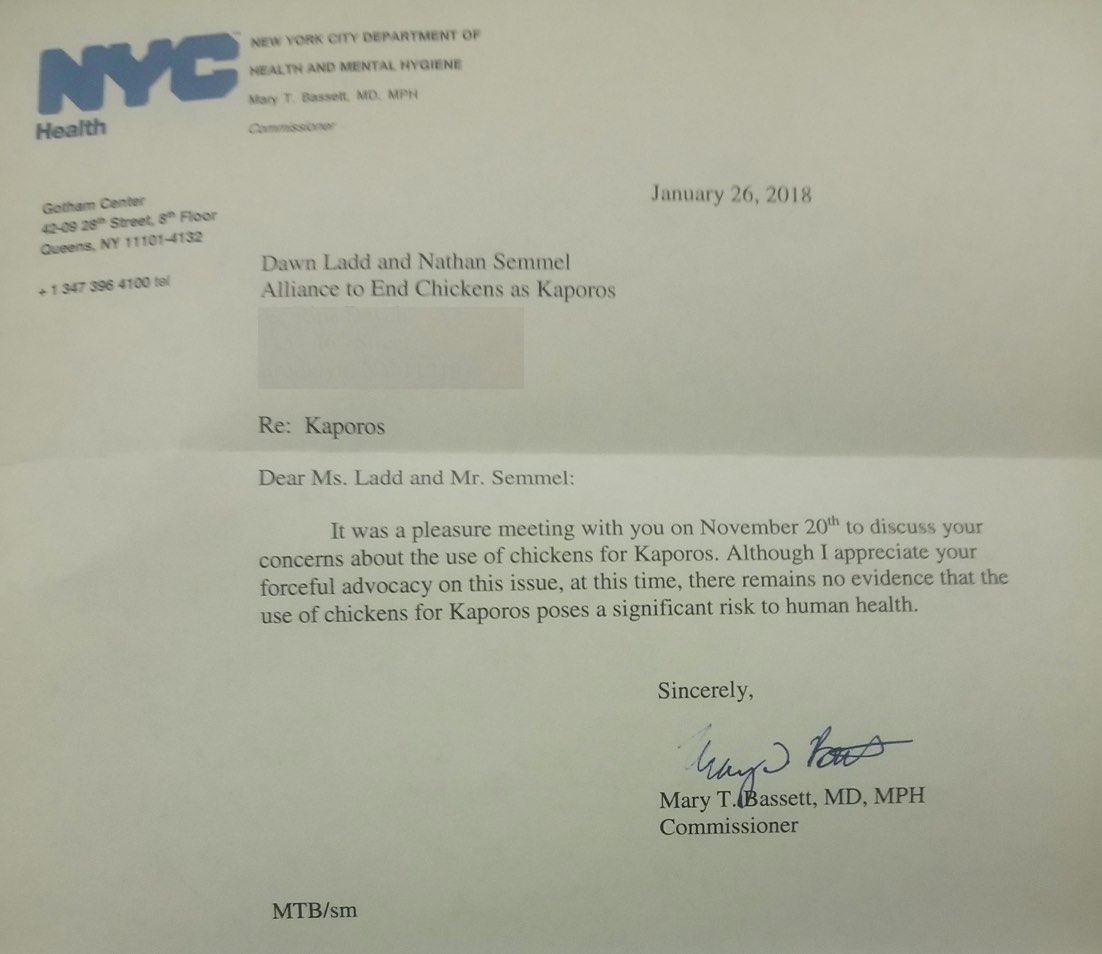
The protest in the lobby of the DOH was the third specifically targeting Dr. Bassett, who, during a meeting with advocates and in a subsequent letter, rejected an independent toxicology report outlining the public health risks associated with the massacre: “There remains no evidence that the use of chickens for Kaporos poses a significant risk to human health.” In the letter, Dr. Bassett made no mention of seven public health codes that are violated.
Advocates argue that, if Mary Bassett enforced the public health codes, then the ritual sacrifice of 60,000 chickens would have to be banned.
During the first protest, activists disrupted Dr. Bassett while she made a presentation at Columbia University.
The second protest was staged at her home in Upper Manhattan and at the nearby farmer’s market. “We want Dr. Bassett’s colleagues and neighbors to know not only that she is not doing her job but also that she is misrepresenting herself as an advocate for social justice,” said Jessica Hollander, an animal rights activist in NYC. “If she really cared about justice, Dr. Bassett would use her power to shut down – not defend – this illegal and horrific massacre.”
Activists speculate that Dr. Bassett and other city officials allow Kaporos to continue, in spite of the fact that it is illegal, because ultra-Orthodox Jews represent a powerful voting bloc.
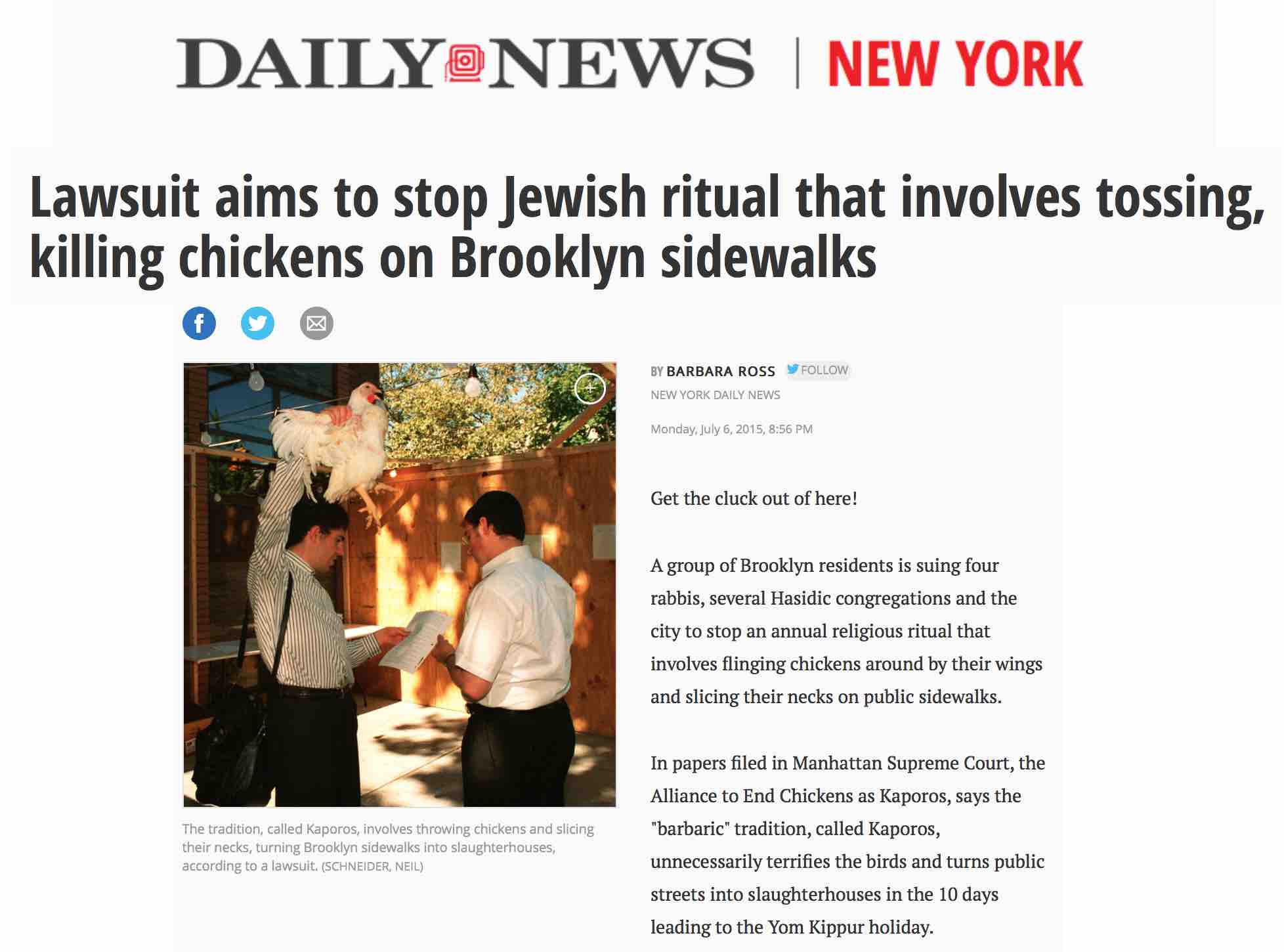
Over 50 animal rights activists staged a protest at the Manhattan home of Dr. Mary Bassett, the Commissioner of the NYC Department of Health, over her ongoing refusal to enforce the seven health codes violated during a religious ritual sacrifice called Kaporos. During the ritual, ultra-Orthodox Jews swing 60,000 chickens around their heads and then slice their throats in pop-up slaughterhouses on public streets. Practitioners perform the ritual to transfer their sins to the animal before Yom Kippur, the Jewish day of atonement.
The activists decided to protest in front of Dr. Bassett’s home after she sent organizers a letter dismissing the evidence they provided demonstrating that the ritual violates public health codes: “Her tone-deaf response sent us a strong message that we are not going to win the battle to shut down this illegal and unsafe practice based on the merits of the issue,” said Nathan Semmel, one of the protest organizers. “Dr. Bassett has therefore left us with no choice but to disrupt business as usual until she enforces the law.”
In a letter to advocates, NYC Health Commissioner Mary Bassett dismisses the evidence proving that killing 60,000 animals on public sidewalks poses a public health risk to New Yorkers.
The protest at Bassett’s home, which attracted the attention of hundreds of area residents, was staged three months after a smaller group of activists disrupted a presentation she was making at Columbia University over her refusal to meet with them about the issue. In order to end the disruption and resume her talk, Dr. Bassett agreed to meet in person with the activists.
During the meeting with advocates and in a subsequent letter, Dr. Bassett rejected the independent toxicology report outlining the catastrophic public health risks associated with the ritual massacre: “There remains no evidence that the use of chickens for Kaporos poses a significant risk to human health.”
In her follow up letter, Dr. Bassett also refused to address the seven public health codes that are violated during Kaporos. “Her decision to ignore the laws that her department is charged with enforcing speaks volumes about the political power wielded by the communities that engage in the illegal animal sacrifice,” said Jessica Hollander, a NYC-based activist. “Ultra-orthodox Jews deliver tens of thousands of votes in a bloc, so elected officials, including Bassett’s boss Mayor Bill de Blasio, turn a blind eye to the crimes.”
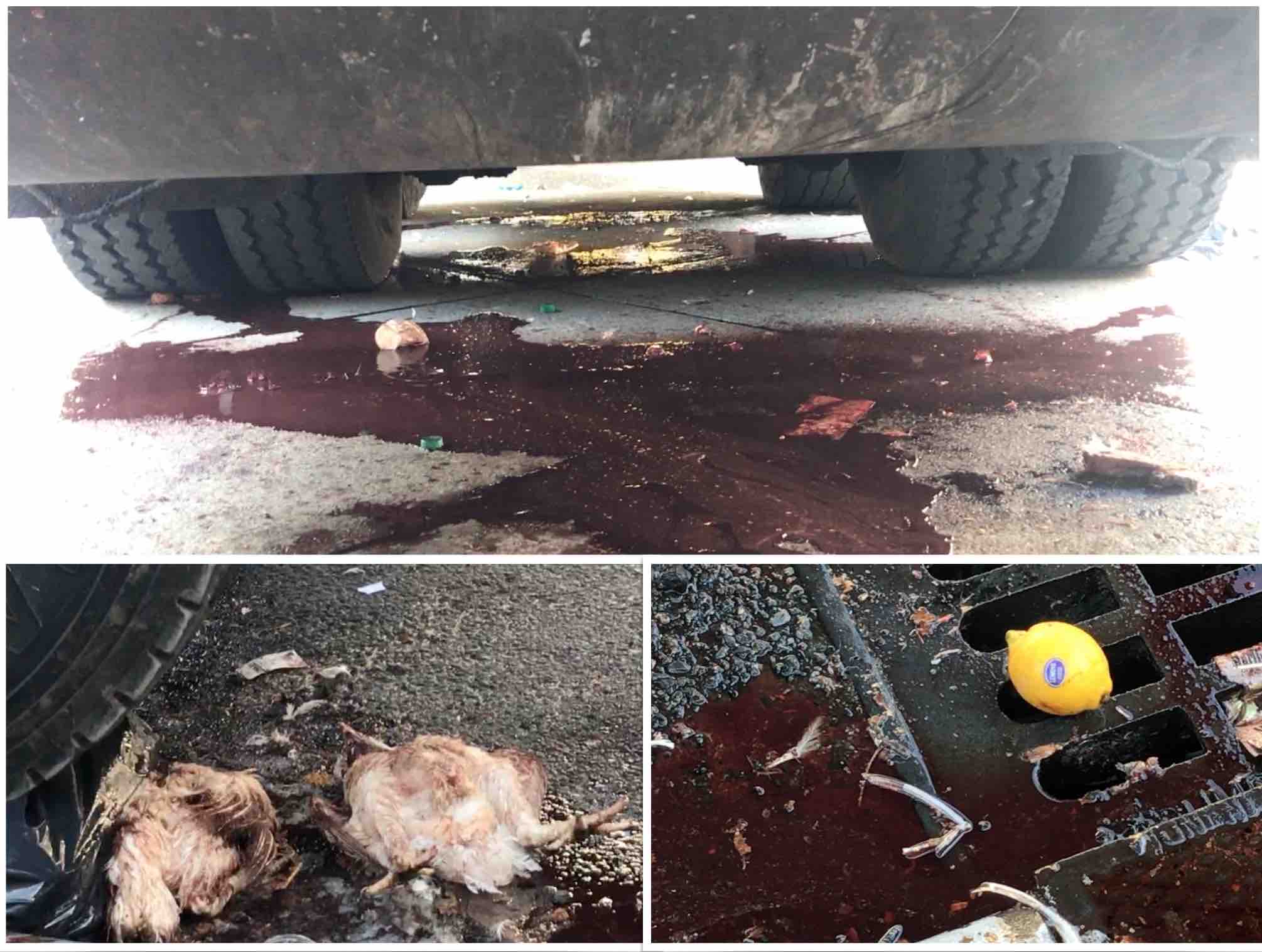
Body parts and blood contaminate NYC sidewalks and streets for several days during and after Kaporos
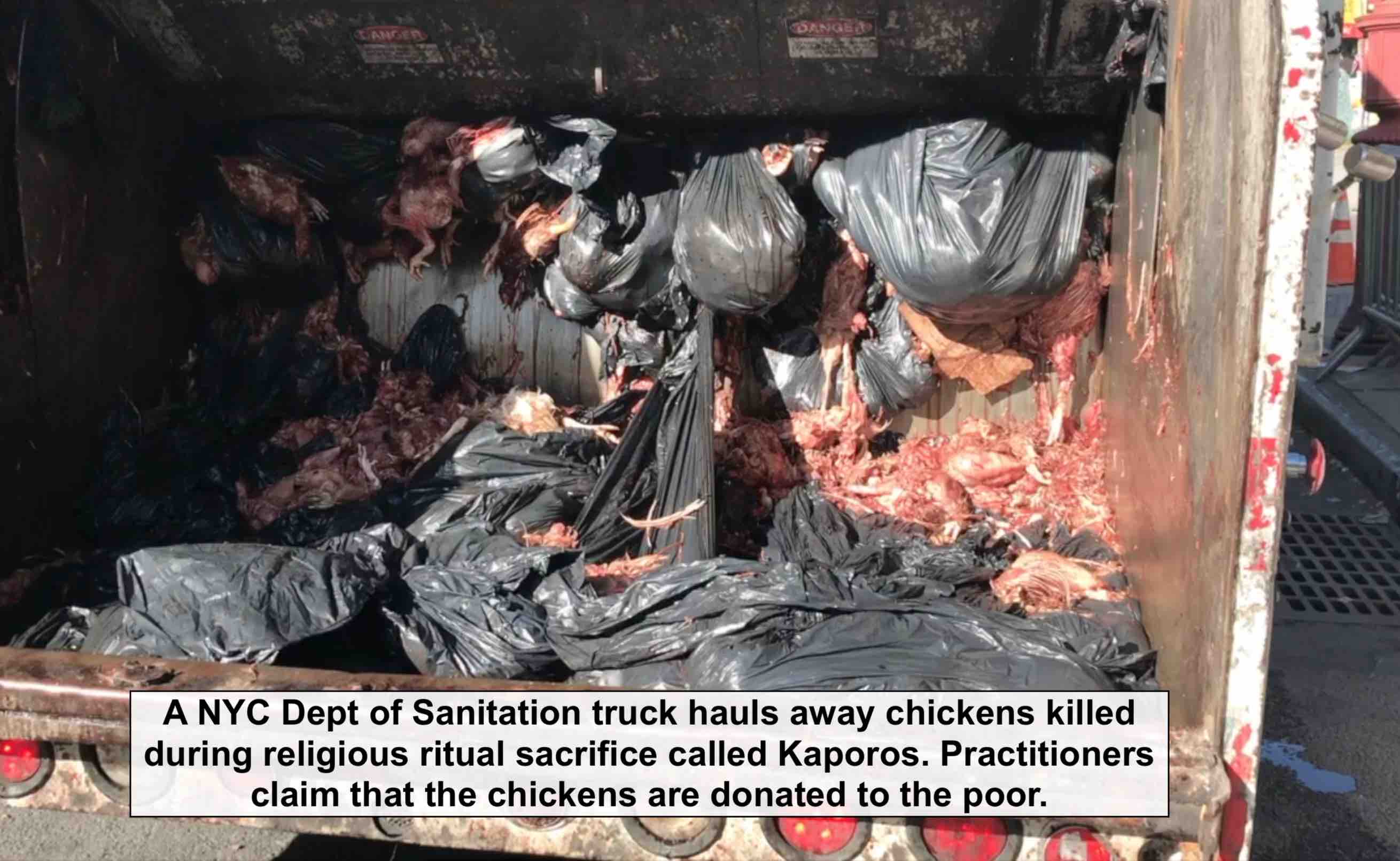
While many of the activists working to end the ritual sacrifice are motivated by the public health risks, others are focused on the cruelty. The chickens are intensively confined in crates, stacked one one top of the other, for up to several days with no food, water or protection from weather extremes. In 2017, thousands of chickens died from hunger, thirst and heat exhaustion before the ritual even took place. Activists documented the illegal neglect by taking video footage of garbage bags filled with dead chickens whose throats had not been sliced because they weren’t used in the ritual.
NYC residents for the clean up of an illegal religious ritual sacrifice called Kaporos, which is performed each year before Yom Kippur
“While we know that Dr. Bassett isn’t charged with enforcing animal cruelty laws, we have been disappointed by her lack of compassion for the victims, especially in light of her background as a social justice advocate,” said Donny Moss, a grass roots animal rights campaigner in NYC. “Several of our contacts at the Department of Health warned us that she doesn’t care about animals, but we thought that she, like other government officials with whom we have met, would have at the very least been disturbed by the egregious abuses shown in the videos.”
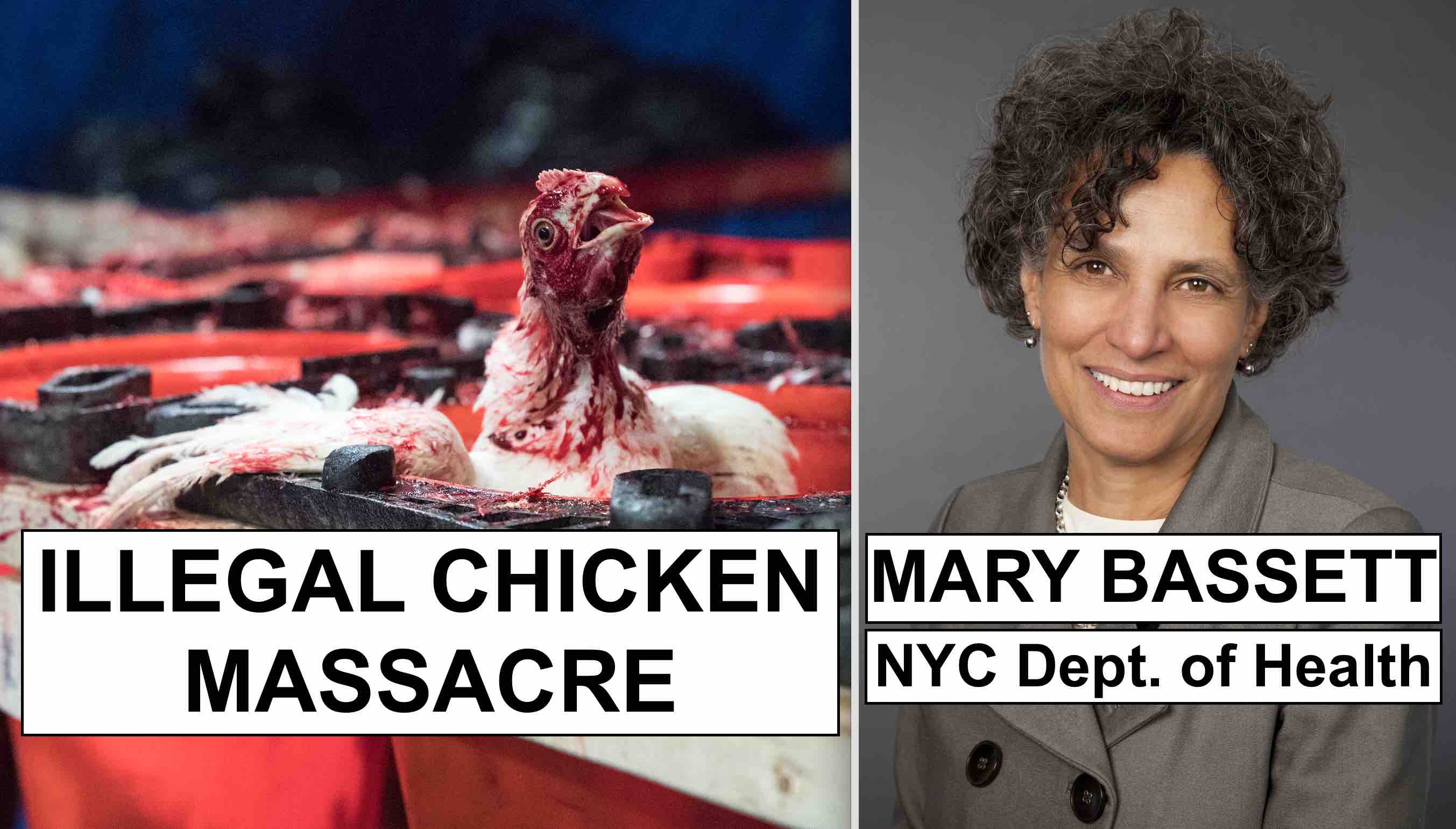
Dr. Mary Bassett refuses to enforce the seven health codes that are violated when ultra-Orthodox Jews kill 60,000 chickens in pop-up slaughterhouses on NYC streets.
In 2015, The Alliance to End Chickens as Kaporos and 19 NYC residents sued the NYC Department of Health and the NYPD for failing to enforce the 15 public health, sanitation and anti-cruelty laws and regulations that are violated during Kaporos.
NY State’s highest court, the Court of Appeals, is expected to hear the case in the Spring of 2018.
The case centers on whether or not courts can mandate that the police enforce the laws that are violated during Kaporos. According to the plaintiffs’ complaint, the police are not only ignoring the violations, but they are also “aiding and abetting” in the crimes by providing the ritual practitioners with flood lights, barricades, security and the orange cones in which the chickens are bled out.
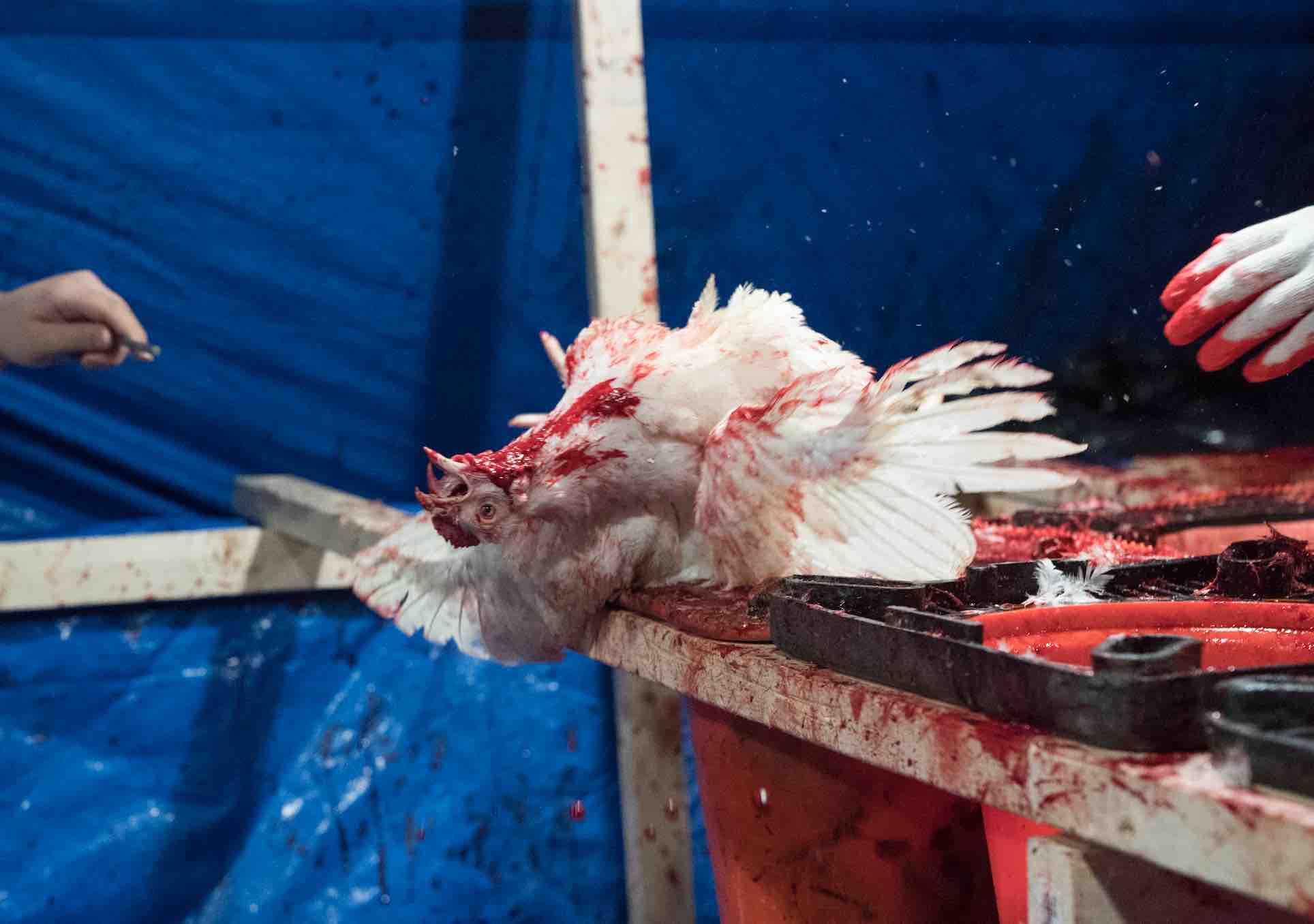
The chickens who are not immediately killed when their throats are sliced jump out of the orange cones where they are tossed to be bled out. (photo: Unparalleled Suffering Photography)
With respect to Commissioner Bassett’s claim that “We have no disease signals associated with this practice,” Nora Constance Marino, the attorney representing the plaintiffs, noted the evidence to the contrary. “We submitted an affidavit from a respected toxicologist to the court. The Dept. of Heath should have read it. It cites the ‘likelihood that the influx of thousands of chickens into the subject locations for Kaporos activities likely carries with it the influx of an exceedingly high level of bacteria (e.g., Salmonella, Campylobacter, etc.) as well as other pathogens, toxins and bio-hazards.’ Clearly, there are health risks.”
The case is pending in New York’s Court of Appeals, the state’s highest court.
Jill Phipps, the British animal rights activist who was killed while blocking a trailer transporting veal calves, was remembered by animal rights activists around the world who held protests at slaughterhouses in her memory.
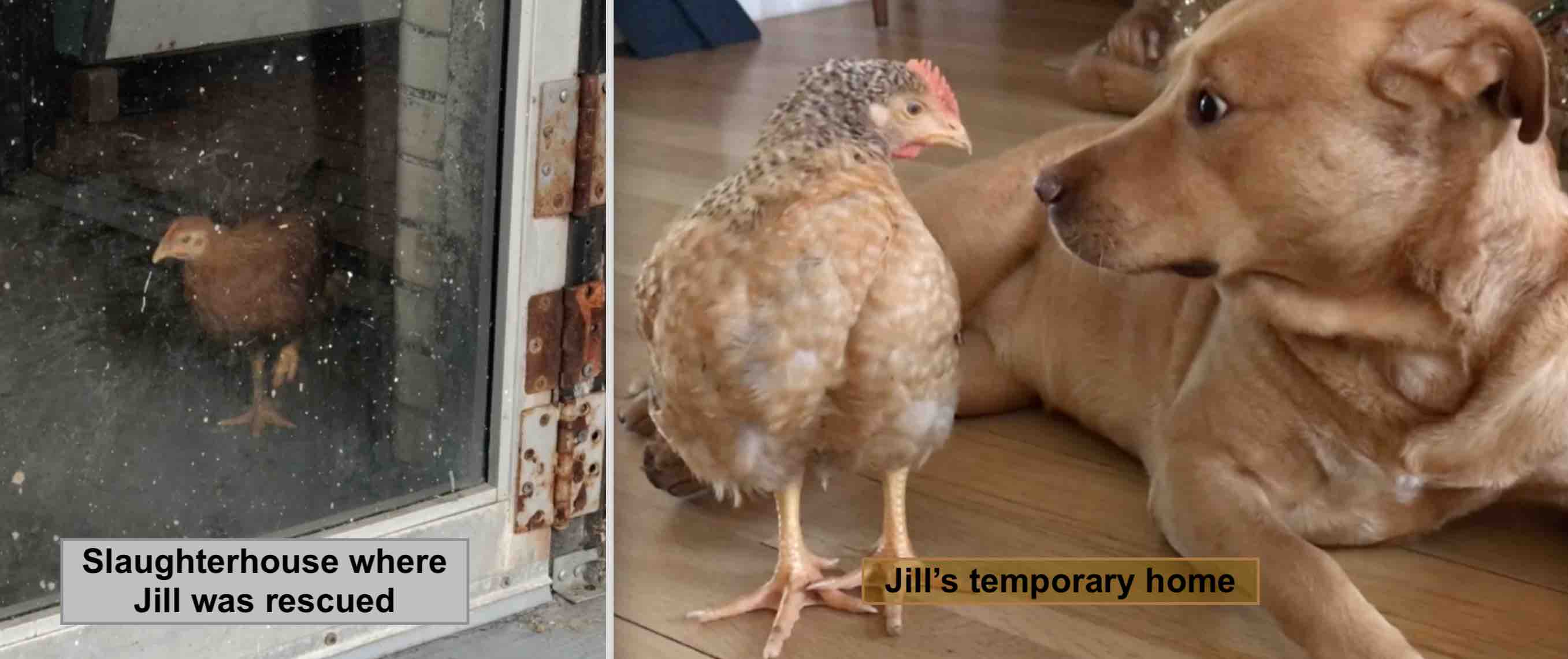
In New York City, activists marched through Astoria, Queens, to a slaughterhouse and staged a silent vigil at the entrance. Inside, hundreds of chickens stacked in crates were being killed, butchered and sold. With the help of a few determined activists, one chicken made it out alive and is living in peace at a sanctuary for rescued farm animals. The activists named her Jill.
Animal rights activists rescued a chicken from a slaughterhouse during a protest staged in memory of British animal rights campaigner, Jill Phipps
The life and advocacy of Jill Phipps, who died fighting for animal liberation when she was just 31 years old, is documented in the 40 minute film, Death of an Animal Activist:
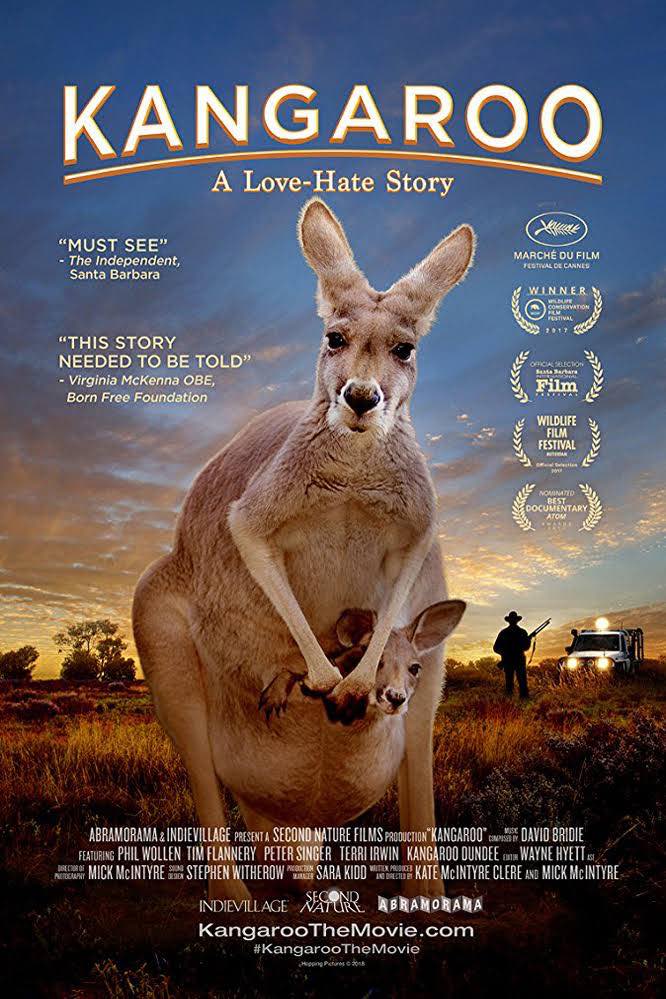
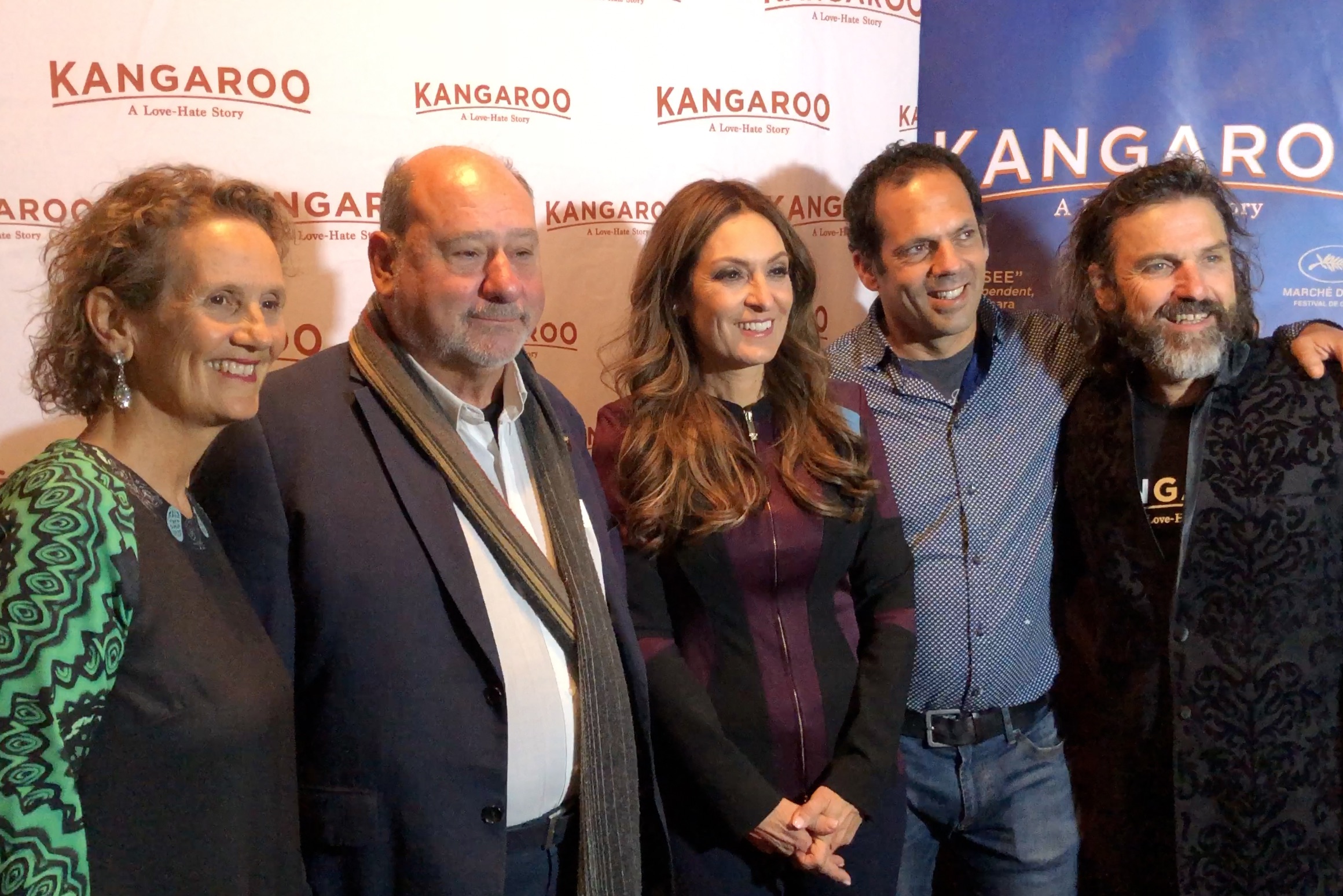
According to an explosive new documentary film, Kangaroo: A Love-Hate Story, kangaroo meat industry executives, ranchers, landowners and the government officials who support them have conspired to re-brand Australia’s icon as a “pest” and eradicate them in the dark of night for profit.
Meat companies want to kill kangaroos in order to sell their body parts, and ranchers and landowners want them killed in order to keep them off their land. With the help of government officials, the perpetrators disguise the largely unknown slaughter as a necessary cull to curb population growth.
The daily hunt, which takes place during the dark of night, is so brutal that it will leave even the most cynical viewers wondering how this could possibly be happening in modern day times.
Kangaroo: A Love-Hate Story
While the filmmakers, Kate McIntyre Clere and Mick McIntyre, introduce us to many villains who are complicit in the atrocities, they also profile the brave activists who jeopardize their freedom and safety in order to expose and stop the wholesale massacre of Australia’s most iconic animal.
World Premiere of Kangaroo: A Love-Hate Story in NYC. From left to right: Kate McIntyre Clere; Hon. Mark Pearson, Suzy Welch, Dr. Dror Ben Ami, Mick McIntyre
Your Turn
Documentary films succeed with support from the grassroots. Please encourage your friends to see the Kangaroo: A Love-Hate Story and share the filmmakers’ posts from their Facebook, Twitter and Instagram pages using the hashtag #KangarooTheMovie.
Susan Song, a New York-based animal rights activist campaigning to end South Korea’s dog meat trade, took a few hours off to demonstrate how to prepare bibimbap, a traditional Korean dish. Of course, Ms. Song, who doesn’t consume animal products, veganizes her bibimbap, replacing the meat with both soy curls and “ground beef” made from Beyond Meat patties.
Ms. Song, who emigrated from South Korea to the United States when she was 13 years old, cooks all types of food more often than Korean, but she was inspired to explore her culinary roots after a two-week trip to Korea in November.
Vegan bibimbap ingredients
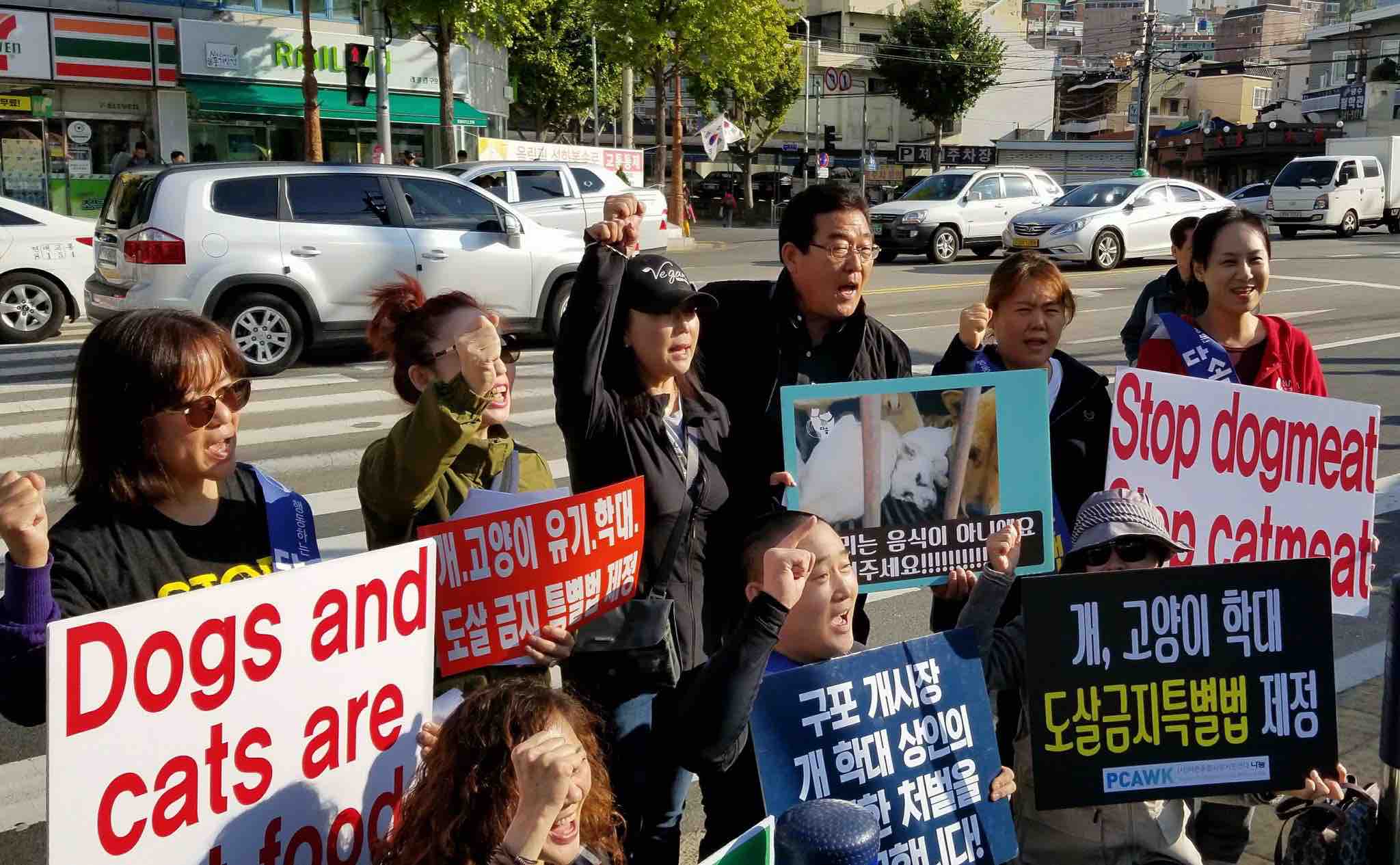
While in Korea, Ms. Song participated in several anti-dog meat protests with dozens of local activists. At times, she protested on her own, wearing a traditional Korean gown to draw the attention of the crowd and media who were assembled for the arrival of president Trump who was visiting South Korea as part of his tour of Asia.
Not only did Ms. Song reach thousands of Koreans on the streets with her message, but she also spoke to several reporters who approached her because they were in downtown Seoul reporting on President Trump’s visit.
Animal rights activist Susan Song protests dog meat trade in Seoul, South Korea
“I was overwhelmed by the welcome I received by the Korean activists. The weekly dog meat protest at the notorious Gupo dog meat market in Busan, Korea, usually attracts 20 activists. When the community heard that I was traveling from the U.S. to join them, over 120 activists came out to show their support. About half of them chartered a bus to transport them from Seoul, which is six hours away. It demonstrates how grateful they are that activists around the world are joining them in the effort to stop the dog and cat meat trade.”
New York-based animal rights activist Susan Song joins anti-dog meat activists in Korea.
A month after Gupo market protest, the dog meat merchants expressed their intent to shut down their shops and slaughterhouses if an alternative way of livelihood can help be arranged for them.
As the PyeongChang Winter Olympics fast approaches in February of 2018, Ms. Song will continue to turn up the pressure on the S. Korean government to ban the dog and cat meat trade.







Follow Their Turn